The Cleveland Regulatory Picture: Federal Standards Stacked on NEORSD Local Limits
NEORSD's Industrial Pretreatment Program (IPP) monitors industrial discharges in the Cleveland service area, enforcing both Federal Pretreatment Standards and local limits under the Clean Water Act (NEORSD). The EPA requires NEORSD to develop pollutant regulatory limits designed to protect local treatment facilities (NEORSD IPP page).
Federal Pretreatment Standards define acceptable pollutant levels for industrial wastewater across specific industry categories, while NEORSD's local limits are typically tighter to protect local infrastructure (NEORSD IPP page). 40 CFR Part 436 — the Mineral Mining and Processing Effluent Guidelines and Standards — covers wastewater discharges from mine drainage, mineral processing operations, and stormwater runoff (EPA). Because Part 436 organizes requirements by subpart, including Dimension Stone (Subpart A), Lightweight Aggregates (Subpart H), and others, Cleveland plants must identify their specific subpart before comparing local limits (EPA Mineral Mining effluent guidelines page).
Part 436 serves as an NPDES surface-water framework, but Cleveland plants discharging to the sanitary sewer are governed by NEORSD's IPP. A plant meeting 40 CFR Part 436 limits at the outfall is not automatically compliant with NEORSD, because local limits often require lower pollutant concentrations for parameters of concern to the receiving POTW (NEORSD IPP page).
Which NEORSD Parameters Usually Drive Mining/Metals Pretreatment Design
NEORSD's IPP focuses on pollutants not typically found in domestic wastewater, such as copper, lead, zinc, nickel, cadmium, TSS, pH, oil and grease, and ammonia (NEORSD IPP page). Nexom's mining page positions Blue PRO reactive filtration for selenium, cadmium, zinc, and phosphorus reduction, confirming these as binding design drivers (nexom.com/mining/). Mineral processing operations covered by 40 CFR Part 436 include crushing, milling, washing, and chemical treatments, which contribute suspended solids, scale-forming ions, and process chemicals to the wastewater (EPA Mineral Mining effluent guidelines page).
Local limits are designed to protect downstream biological and solids-handling processes, often including sulfate, hardness, and metals where 40 CFR Part 436 is silent (NEORSD IPP page). Cleveland plants should request the current local limits letter from NEORSD's IPP office at 3900 Euclid Avenue, Cleveland, Ohio 44115 (Customer Relations (216) 881-8247) before finalizing a design basis (NEORSD IPP page).
| Parameter category | Typical concern in mining/metals | Source layer |
|---|---|---|
| Total and dissolved metals (Cu, Pb, Zn, Ni, Cd) | Process bath carryover; acid mine drainage; stormwater | NEORSD local limits; 40 CFR Part 436 subpart limits (EPA Mineral Mining effluent guidelines page) |
| Selenium, phosphorus (low-µg/L targets) | Mineral processing residuals; mine-influenced water | NEORSD local limits; reactive-media design basis (Nexom mining page) |
| Total suspended solids (TSS) | Crushing, milling, washwater | NEORSD local limits; 40 CFR Part 436 (EPA Mineral Mining effluent guidelines page) |
| pH | Process chemistry, acid/alkaline cleaning | NEORSD local limits; 40 CFR Part 436 (NEORSD IPP page; EPA Mineral Mining effluent guidelines page) |
| Oil and grease | Equipment washdown; metalworking rinsewater | NEORSD local limits (NEORSD IPP page) |
| Ammonia | Blasting residues, process chemicals, mine-influenced water | NEORSD local limits (NEORSD IPP page; Nexom mining page) |
The Pretreatment Train Most Cleveland Plants End Up Building
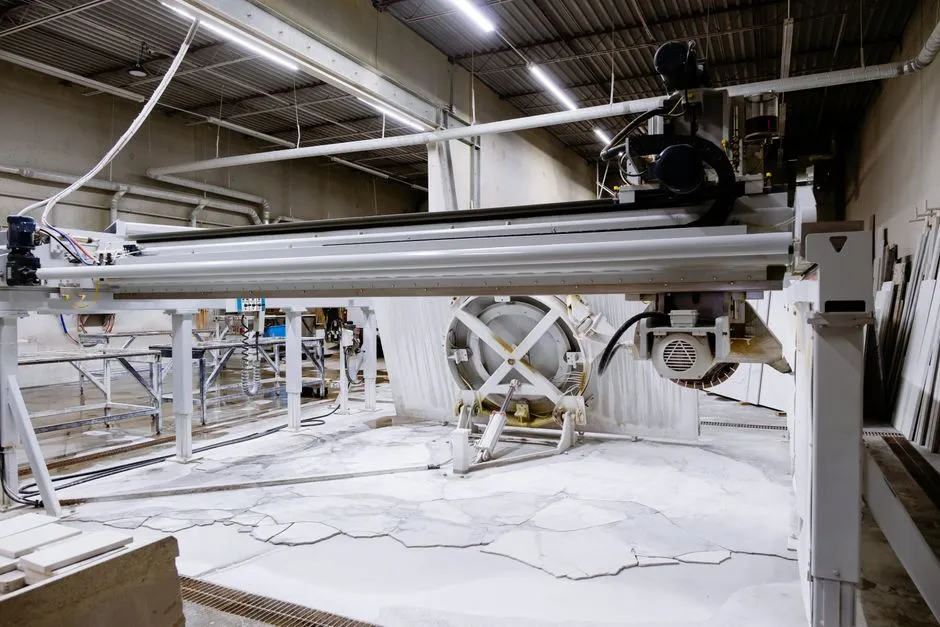
Rotary mechanical bar screens remove rags, plastics, and coarse grit that would otherwise blind downstream units and damage pumps or biological processes (HydropureWater Rotary Mechanical Bar Screen). Mining and metals flows often require equalization basins with pH monitoring to handle variable flows and spikes in ammonia or nitrate (nexom.com/mining/).
DAF systems are standard for treating oil, grease, and metal-hydroxide floc, while lamella clarifiers are used for dense, settleable solids (HydropureWater DAF System; High-Efficiency Sedimentation Tank). A DAF versus clarifier decision guide for mining and metals helps determine which unit suits specific site needs.
Reactive media filtration on a continuous-backwash upflow sand filter platform can reduce metals to microgram-per-liter levels, such as copper removal to 8 µg/L (nexom.com/mining/). For year-round ammonia management, SAGR post-lagoon nitrification beds maintain performance in water temperatures below 1ºC (34ºF) (nexom.com/mining/). Operators typically manage mass balance using PLC-controlled coagulant/pH dosing and plate and frame filter presses for sludge dewatering (HydropureWater product pages).
| Stage | Unit operation | What it handles |
|---|---|---|
| 1. Headworks | Rotary mechanical bar screen | Rags, plastics, coarse grit (HydropureWater Rotary Mechanical Bar Screen product page) |
| 2. Equalization | EQ basin with pH monitoring | Variable flows, ammonia/nitrate spikes (nexom.com/mining/) |
| 3. Chemical | Coagulation, flocculation, pH adjustment | Metal-hydroxide formation, emulsified oil destabilization (HydropureWater Automatic Chemical Dosing System product page) |
| 4. Solids separation | DAF or lamella clarifier | Floated floc and oil; dense settleable solids (HydropureWater DAF System; High-Efficiency Sedimentation Tank product pages) |
| 5. Metals polishing | Reactive-media filter (continuous-backwash upflow sand) | Copper and other metals to low-µg/L (nexom.com/mining/) |
| 6. Ammonia / biological | MBBR or cold-tolerant SAGR beds | Ammonia and nitrate, including <1ºC (34ºF) (nexom.com/mining/) |
| 7. Sludge handling | Plate and frame filter press | Cake for off-site disposal; reduced hauled-waste volume (HydropureWater Plate and Frame Filter Press product page) |
How Treatment Choices Map to Typical Mining/Metals Effluent Profiles
Oily and emulsified streams respond to DAF treatment, a standard approach for equipment washdown and mineral processing wastewater (HydropureWater DAF System product page). High-turbidity raw water containing colloidal clays is typically processed through a multi-media filter to protect downstream membrane or RO elements (HydropureWater Multi-Media Filter product page).
Dissolved metals at sub-mg/L levels are addressed through reactive-media filtration, which has achieved copper removal down to 8 µg/L (nexom.com/mining/). Cold-tolerant SAGR configurations provide ammonia removal for operations facing winter temperatures below 1ºC (34ºF) (nexom.com/mining/).
Working With NEORSD: Permitting, Sampling, and Compliance Evidence
NEORSD's IPP serves as the primary contact for industrial discharge permitting, holding EPA-delegated authority to enforce both federal and local standards (NEORSD IPP page). Cleveland facilities should reconfirm local limits periodically by contacting the NEORSD IPP office at 3900 Euclid Avenue, Cleveland, Ohio 44115, or by calling (216) 881-8247 (NEORSD IPP page).
40 CFR Part 436 NPDES-permit requirements serve as the federal floor for mine drainage, mineral processing, and stormwater, regardless of whether the discharge goes to surface water or the sewer (EPA Mineral Mining effluent guidelines page). A sewer-discharge pretreatment playbook for mining operations provides further guidance on daily compliance, while a FGD wastewater and metals compliance guide addresses similar pollutant profiles.
Frequently Asked Questions
Does 40 CFR Part 436 cover a Cleveland plant that discharges to the sewer rather than to a river?
Part 436 sets the federal baseline for mine drainage, mineral processing, and stormwater, but sewer-discharging operations must also comply with NEORSD's specific local limits (EPA Mineral Mining effluent guidelines page; NEORSD IPP page).
How does a Cleveland mining/metals plant get the actual NEORSD numerical limits?
Contact the NEORSD IPP office at 3900 Euclid Avenue, Cleveland, Ohio 44115, or call (216) 881-8247 to request the current local limits letter (NEORSD IPP page).
What is a realistic capital range for a Cleveland pretreatment train?
Capital costs depend on specific flow rates, peak loads, and local limit requirements; plant operators should obtain site-specific quotes after reviewing the current NEORSD local limits letter.
Can a Cleveland plant meet year-round ammonia limits in winter?
Cold-tolerant post-lagoon SAGR nitrification beds are designed to maintain ammonia removal in temperatures below 1ºC (34ºF), with more than 100 successful North American installations (nexom.com/mining/).