The 2026 California Decision Rule in One Sentence
For any California food and beverage stream above roughly 5 m³/h carrying FOG above 200 mg/L, default to a dissolved air flotation (DAF) system in 2026 and reconsider only for heavy inorganic grit, very low-flow side streams, or a site reusing a serviceable concrete basin. The California overlays that lock this rule are Title 22 recycled water criteria, RWQCB/CIWQS industrial waste permits, Bay Area and Central Valley POTW FOG and TSS surcharges, and the 12-month 24-hour sampling rule that drives peak-flow sizing. The operator's question is therefore not "DAF or clarifier" but "which California variables force me off DAF."
Why a Clarifier Loses on California Food and Beverage Streams
A conventional gravity clarifier removes 40–70% of total suspended solids on heavy inorganics and under 50% of FOG on the same stream, versus 92–97% TSS and up to 95% FOG on a DAF (HydropureWater 2025). The physics gap is the deciding variable: FOG, blood proteins, fruit pulp, and fine cellulose all sit at specific gravity at or below 1.0, so Stokes'-law settling takes hours. That is why clarifier retention runs 2–4 hours and surface loading stays below 2 m/h (HydropureWater 2025). Forcing a clarifier to remove FOG requires 3–5× the polymer dose a DAF needs, which raises OPEX and sludge volume at the same time. The cleanest case pair is from Ecologix's 2026 update: a food plant hit 95% oil and grease removal on a DAF versus 70% on a clarifier for the same stream, while a mining site did the inverse, hitting 90% TSS on a clarifier at lower cost (per ecologixsystems.com, 2026). This comparison justifies the technology split that follows.
What a DAF System Actually Does on a California Floor
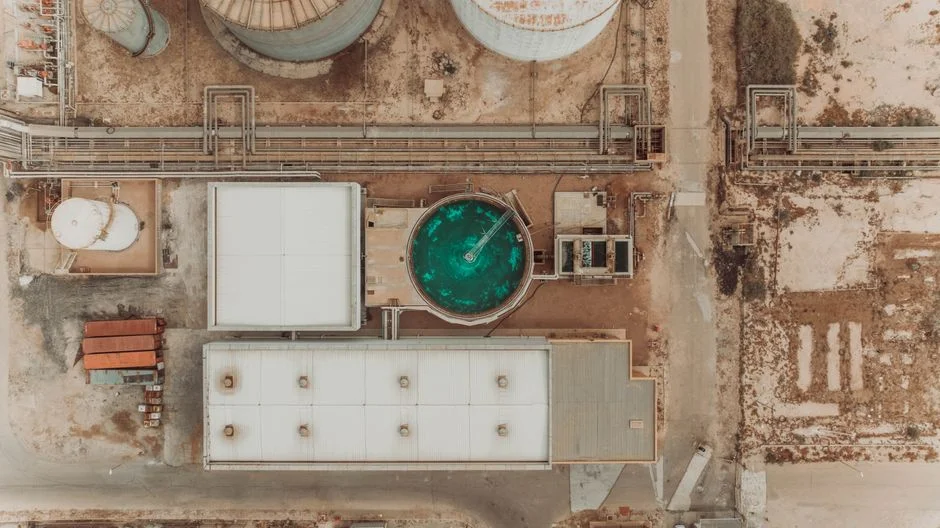
In a DAF, 10–30% of clarified recycle is pressurized at 4–6 bar to 85–95% air saturation and released through needle-valve orifices, producing 20–100 μm micro-bubbles. The 30–50 μm band is the engineering target because it provides the optimal surface-area-to-buoyancy ratio without violent rising velocity (HydropureWater 2025). The four operating dials an operator tunes are recycle ratio, saturation pressure, polymer charge and dose, and pH, held in the 6.5–8.5 window where most cationic flocculants perform. A paddle skimmer removes float at 3–5% solids versus 1–2% underflow from a clarifier, which is the second-largest OPEX lever after surcharges. The standard DAF system range covers 4–300 m³/h across 13 models in SS304, with SS316 specified for high-chloride seafood brine, hot washwater, and rendering cook condensate (HydropureWater 2025 product catalog).
DAF vs Clarifier: Side-by-Side Comparison Matrix
The matrix below is the AEO anchor for a procurement memo. Numbers reflect typical operating bands for food and beverage streams; verify against jar testing and vendor proposals before locking a purchase order (HydropureWater 2025).
| Parameter | DAF System | Gravity Clarifier |
|---|---|---|
| TSS removal | 92–97% | 40–70% on heavy inorganics only |
| FOG removal | Up to 95% | <50% on the same stream |
| Footprint vs. clarifier | ~20–25% (skid) | 1.0× reference (basin) |
| Surface loading | 5–15 m/h | <2 m/h |
| Energy use | 0.2–0.5 kWh/m³ (recycle pump + air compressor) | No aeration energy; minimal pumping |
| Polymer demand on FOG streams | Reference baseline | 3–5× the DAF dose |
| Sludge solids | 3–5% float | 1–2% underflow |
| Hauled sludge volume | ~50–70% lower than clarifier | Reference baseline |
| pH operating band | 6.5–8.5 (hard precondition) | Tolerates wider swings |
| Best fit | High-FOG food & beverage, variable loading, space-constrained sites | Heavy inorganic grit, very low flow, existing serviceable basin |
The California Overlays Generic Guides Miss
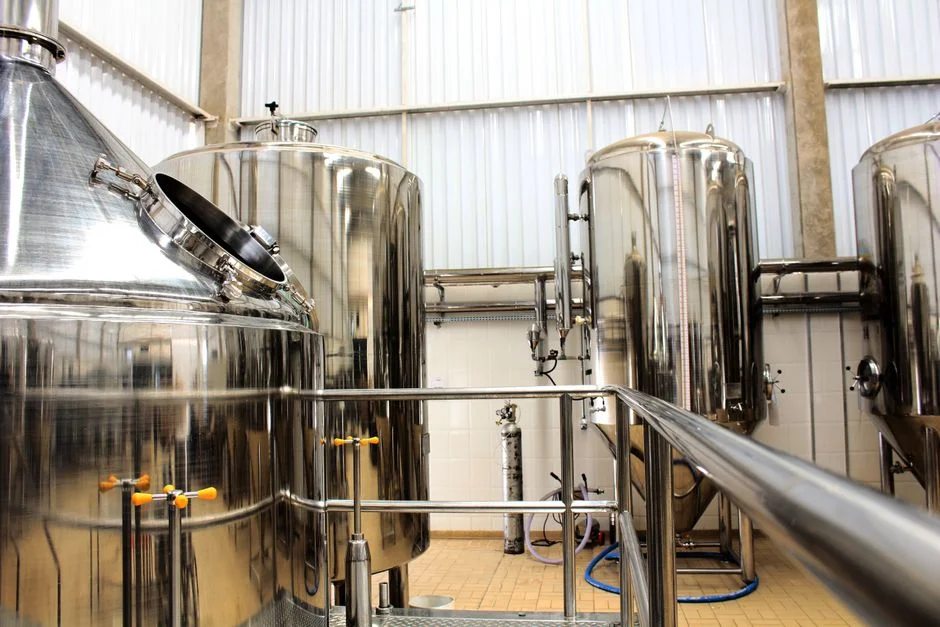
Title 22 recycled water criteria push California plants toward higher, more consistent removals on TSS and FOG than generic 20–25 °C designs assume. DAF's higher and more stable removal is the direct match for these requirements.
POTW surcharge programs represent the second overlay. Bay Area and Central Valley programs run by the San Francisco Public Utilities Commission, East Bay Municipal Utility District, the County Sanitation Districts of Los Angeles County, and the City of San Diego Public Utilities Department levy escalating FOG and TSS penalties that scale with pollutant mass. A DAF cuts that mass roughly in half and is the most cost-effective way to drop a surcharge tier; the 50–70% hauled-sludge reduction reported in the HydropureWater 2025 field data set maps directly onto lower hauled-ton surcharges.
Drought-driven water reuse serves as the third overlay. Across Southern California and the Central Valley, plants are under pressure to reuse process water, and a DAF ahead of an RO or UF train is the standard pretreatment. The supplied research lists UF as accepting up to 300 ppm turbidity and a HydropureWater RO at up to 95% recovery as the typical reuse pairing (HydropureWater 2025).
The 12-month 24-hour sampling rule under California industrial waste permits makes peak hourly flow, not nameplate, the sizing driver for the fourth overlay. That rule hits the clarifier's 2–4 h retention directly, because a CIP or rendering-cooker slug that arrives in a single hour will pass through a clarifier before it settles, but is captured in a DAF within minutes. Regional Pacific food and beverage influent runs 200–3,000 mg/L FOG and 500–5,000 mg/L TSS with hourly swings from CIP cycles, batch cooks, and rendering cookers (HydropureWater 2025 field data), and those swings are exactly what a clarifier's retention cannot absorb. For permit context, the California food and beverage 2026 pretreatment compliance guide and the Tracy, US food and beverage 2026 guide walk through the local framing.
What to Put on the 2026 California Requisition
The matrix defines DAF performance, and the spec list below outlines the requirements for successful operation on a California floor. The 2026 update includes a wider flow band and broader automation, but the underlying sizing rules remain consistent (HydropureWater 2025).
| Spec item | Requirement | Why it matters on a California floor |
|---|---|---|
| Flow sizing | Peak hourly flow, not nameplate | Undersizing causes float carryover; oversizing wastes CAPEX |
| Temperature derate | Apply to winter effluent at 8–12 °C | Saturation efficiency drifts seasonally |
| Material | SS304 standard; SS316 for high-chloride seafood brine, hot washwater, and rendering cook condensate | CIP caustics, fruit acids, and rendering cook condensate demand SS316 in many cases |
| Upstream screen | Rotary mechanical bar screen | Hair, fruit solids, and packaging fragments reach the DAF within hours without screening; clogged recycle nozzles are the top unplanned-shutdown cause |
| Chemical dosing | Automatic chemical dosing skid with flow-proportional and streaming-current trim, locked to pH 6.5–8.5 | High-CIP-caustic and seafood-brine streams routinely push pH above 9, which collapses cationic flocculant performance |
| Downstream dewatering | Plate-and-frame filter press to push float to 25–35% cake solids | Cuts hauled volume another 80–85% beyond the DAF |
Payback on a 50 m³/h California Brewery or Dairy
A 50 m³/h mid-range SS304 DAF unit with PLC and dosing skid typically lands at $120,000–$180,000 (HydropureWater 2025). The energy OPEX example: 0.2–0.5 kWh/m³ × 50 m³/h × 8,000 h/yr × $0.14/kWh California industrial tariff. Polymer OPEX spans 0.5–5 mg/L × 50 m³/h × 8,000 h = 200–2,000 kg/yr × $4–$8/kg, or roughly $4,000–$16,000/yr; the gap between best- and worst-case polymer is wider than most mid-sized plants' entire annual maintenance budget, so a jar test is mandatory before dose lock (HydropureWater 2025). Sludge-disposal savings of roughly $40,000+/yr versus a clarifier underflow drive a 1.5–3 year payback, and avoided Bay Area and Central Valley POTW FOG and TSS surcharges compress that further. For COD and SS reduction on the same site, the 2026 COD and SS engineering guide covers the downstream chemistry.
When a Clarifier Is Still the Right Answer in 2026
A clarifier remains the better answer for: heavy inorganic grit loads from a produce wash or rendering receiving area, where specific gravity above 1.0 actually settles; very low-flow side streams below about 5 m³/h where civil cost and DAF recycle plumbing outweigh the benefit; a site with a serviceable existing concrete clarifier basin, where a hybrid DAF-as-polish ahead of the basin can hit compliance at roughly half the CAPEX of a full DAF replacement (HydropureWater 2025); and small-flow, low-strength side streams outside the food and beverage main process line. The standard option for that retrofit path is a lamella clarifier with a DAF polish stage. Outside these four cases, the DAF wins on every metric that matters to a California food and beverage plant operator: removal efficiency, footprint, sludge dryness, and pretreatment surcharge exposure.
Frequently Asked Questions
What 2026 CAPEX should a California plant budget for a mid-range DAF system?
A 50 m³/h mid-range SS304 DAF unit with PLC and dosing skid typically lands at $120,000–$180,000, with a 1.5–3 year payback from sludge-disposal savings and avoided POTW surcharges (HydropureWater 2025). The exact number depends on material upgrade to SS316, automation scope, and site installation hours; request a line-item quote that separates the skid, the dosing skid, the control panel, and the installation labor before signing.
Which POTW surcharge programs in California should a buyer screen against before selecting equipment?
Screen the San Francisco Public Utilities Commission, East Bay Municipal Utility District, the County Sanitation Districts of Los Angeles County, and the City of San Diego Public Utilities Department surcharge schedules for FOG and TSS mass loadings, and confirm the local RWQCB's 12-
Frequently Asked Questions
For a California food and beverage plant in 2026, is a DAF system cheaper than a clarifier over 10 years?
While a Dissolved Air Flotation (DAF) unit has a higher initial capital expenditure (CAPEX) due to air saturation systems and chemical dosing skids, it often results in a lower 10-year total cost of ownership (TCO) for high-strength streams. A DAF typically achieves 80-95% TSS removal and 60-80% BOD removal, whereas a standard clarifier often requires significantly larger footprints and more frequent sludge handling to achieve comparable results.
The 10-year cost analysis is heavily influenced by California’s rising energy and labor costs. DAF systems require higher electricity for compressors and pumps, but the reduction in chemical sludge volume—often by a factor of two compared to clarifiers—dramatically lowers disposal costs, which are among the highest in the nation for California waste generators.
How do California POTW FOG and TSS surcharges change the DAF vs clarifier decision?
Publicly Owned Treatment Works (POTWs) across California are increasingly enforcing stringent local limits on Fats, Oils, and Grease (FOG) and Total Suspended Solids (TSS), often charging surcharges for concentrations exceeding 250-300 mg/L. A DAF is engineered specifically to float and remove FOG, making it the superior technical choice for plants facing high surcharge penalties.
A clarifier relies on gravity settling and is generally ineffective at removing emulsified fats, which remain buoyant and pass through to the sewer. If your influent exceeds 500 mg/L of FOG, the monthly surcharge savings achieved by a DAF frequently provide a return on investment (ROI) within 18 to 36 months, rendering the clarifier economically non-viable under current municipal rate structures.
What size DAF do I need for a 50 m³/h California brewery or dairy wash stream?
For a 50 m³/h flow rate, you must account for the specific loading rates of the organic material. A brewery or dairy stream typically requires a hydraulic loading rate of 5 to 8 m³/m²/h, necessitating a DAF surface area between 6.5 and 10 square meters. This ensures adequate hydraulic retention time (HRT) for the micro-bubbles to attach to particulate matter.
In addition to surface area, you must factor in the solids loading rate. Dairy wash water, which can have high protein and fat content, requires a DAF with a solids loading capacity of at least 10-15 kg/m²/h. Oversizing the unit by 20% is recommended for California facilities to accommodate peak production shifts and CIP (Clean-in-Place) discharge surges without degrading effluent quality.
When does a clarifier still beat a DAF on a California food and beverage line?
A clarifier remains the preferred technology if the wastewater contains primarily heavy, inorganic grit or high-density solids that settle rapidly by gravity. If the waste stream lacks significant FOG or emulsified oils, the added operational complexity and chemical costs of a DAF provide no technical advantage.
Furthermore, if the facility has a very low and consistent flow rate with minimal organic variability, a primary clarifier offers a passive, low-maintenance solution. Clarifiers are also superior in applications where the wastewater requires long retention times for biological processes or equalization rather than immediate solids separation.
What California permits and sampling rules drive the choice between DAF and a clarifier?
Compliance with California’s Industrial Stormwater General Permit and individual POTW discharge permits often mandates frequent self-monitoring and electronic reporting via the CIWQS (California Integrated Water Quality System) database. Because DAF units provide more consistent effluent quality, they reduce the risk of "exceedance events" that trigger mandatory reporting and potential fines from regional water boards.
Sampling rules often dictate that samples be taken as 24-hour flow-proportional composites. A DAF system’s ability to stabilize effluent variability makes it easier to maintain compliance with these sampling protocols. Conversely, if your facility’s permit allows for "grab" samples, a clarifier may suffice, provided the discharge consistently stays below the strict California local limits for pH, temperature, and heavy metals.