Why Pretreatment Compliance Is a Margin Issue for Lake City Food Plants
Municipal pretreatment programs in the Lake City area set BOD, TSS, FOG, ammonia, pH and nutrient caps that a food or beverage plant must meet at the discharge manhole, and exceeding them triggers surcharges that scale with flow and load. The financial exposure is concrete: a US egg processor received a 2016 consent order to treat BOD, TKN and TSS before municipal discharge, and a separate meatpacking plant saw surcharges approaching $40,000 per month as the local utility tightened its rate structure (World Water Works, 2016 case and meatpacking case history). Two dairies documented in the same industry case set were facing surcharges of more than $30,000 per month on ice cream, fluid milk and yogurt lines, with one operating cost benchmarked at roughly $14 per 1,000 gallons on an undersized CAF system (World Water Works, dairy and CAF case histories).
After a correctly sized DAF or MBBR→DAF retrofit, the same class of plants saw wastewater-related operating costs drop by more than $20,000 per month, and a Midwestern bacon plant maintained continuous discharge compliance for years even as production grew beyond the original design capacity of the system (World Water Works, Midwestern bacon plant case, 2005 install). The decision is therefore not whether pretreatment equipment is needed, but how the train should be configured so the surcharge curve bends in the operator's favor and the permit envelope leaves room to grow. Common failure modes in older DAF installs are documented in this DAF troubleshooting guide and should be reviewed before any retrofit specification is finalized.
Influent Characterization: Matching the Train to Brewery, Dairy and Meat Streams
Brewery streams are defined by extreme water intensity and high organic strength. About seven gallons of water are required to make one gallon of beer, and roughly seventy percent of that water leaves the brewery as wastewater carrying fermentable sugars, hop tannins and yeast sludge that drive BOD and TSS loads (Lakeside Equipment, F&B wastewater overview). An 82,000-barrel-per-year brewery is large enough to generate wastewater BOD loads that can overwhelm a municipal treatment plant if discharged untreated (Integrated Water Services, F&B industries page), and brewers must filter grains and hops at source to prevent line clogging and equipment damage (Lakeside Equipment, F&B wastewater overview). For a sizing methodology that translates those loadings into equipment selection, the UF for F&B wastewater sizing guide walks through the same parameter logic applied to a related high-sugar stream.
Dairy and yogurt plants add whey protein, residual cultures, fats and greases to the BOD/TSS load, and cheese processors in particular carry a high COD whey stream that is a primary surcharge trigger (Lakeside Equipment, F&B wastewater overview). Meat, poultry and egg plants contribute coliform, ammonia, blood and paunch manure, and the egg processor in the cited 2016 consent order was required to treat BOD, TKN and TSS precisely because those parameters were exceeding local limits at the discharge manhole (World Water Works, 2016 egg processor case). Florida oversight through the Florida Department of Environmental Protection places extra weight on nutrient removal in sensitive receiving waters, so total nitrogen and phosphorus caps often drive the biological step more than BOD alone (Integrated Water Services, evolving wastewater regulations post, 2023).
Source Control and Equalization: The Highest-Leverage First Step
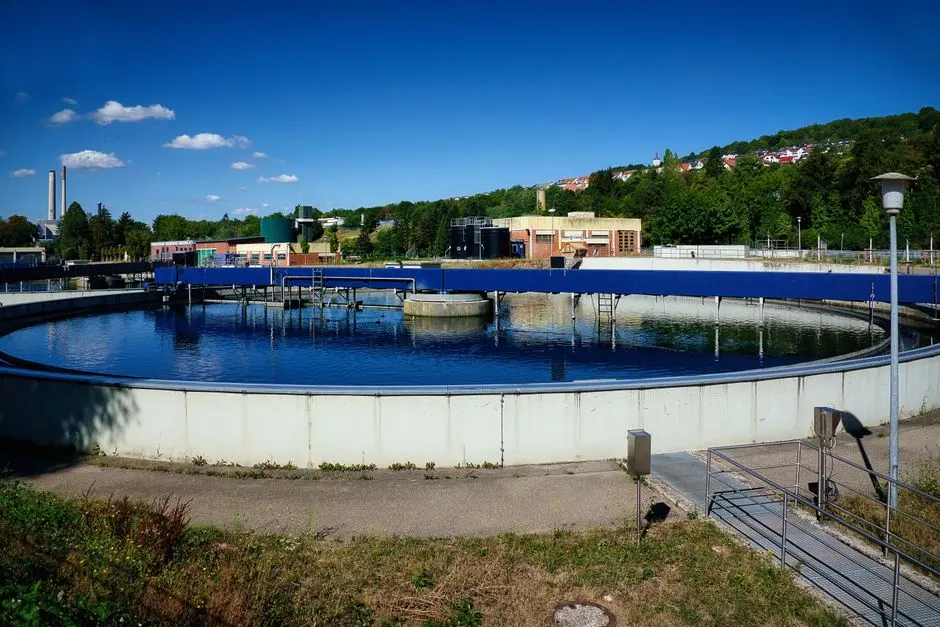
Cleaning-in-place cycles, seasonal production runs and batch processing create hydraulic and organic spikes that crash systems sized only for average conditions, and equalization tankage must therefore be designed around the actual peak operating profile, not the average daily flow (Integrated Water Services, F&B industries page). A rotary mechanical bar screen at the headworks protects downstream DAF and biological equipment from rags, plastics and large solids that would otherwise consume chemistry and reduce separation efficiency, and it is the standard first unit operation in a food-grade pretreatment train.
FOG capture at source, through heated separators or grease traps placed ahead of the DAF, reduces the organic load on the biological step and improves DAF sludge quality by keeping free oil out of the float (Lakeside Equipment, F&B wastewater overview). Inline pH and conductivity instrumentation feeding an automatic chemical dosing skid lets a plant neutralize and coagulate on a real-time basis instead of reacting after a slug arrives at the biological stage, which is the typical failure mode in legacy F&B plants that try to control chemistry manually. The result is a stabilized feed stream that lets the downstream DAF and biological stages operate at the design point rather than chasing the last load spike.
Unit-Process Selection: DAF, MBBR, MBR and Anaerobic Digestion
Dissolved air flotation is the workhorse for F&B pretreatment: it removes suspended solids, FOG and colloidal BOD in a single step, tolerates the load swings of a food plant, and continues to function through temporary production shutdowns (World Water Works, F&B treatment page). A Dissolved Air Flotation (DAF) system sized to peak flow rather than average flow is the foundation of any 2026 retrofit in this segment. For the biological step, the MBBR followed by DAF polishing has been demonstrated as the most robust, forgiving and consistent technology of several evaluated for variable, high-strength food and beverage wastewaters (World Water Works, F&B treatment page, MBBR→DAF evaluation case).
An MBR membrane bioreactor system combines activated sludge with submerged membranes to deliver near-reuse effluent in a footprint that is smaller than a conventional clarifier-based system, and the flat-sheet module variant documented in supplier literature reduces aeration energy relative to external cross-flow designs (HydropureWater, MBR product reference and DF Series module reference). Anaerobic digestion is viable for high-strength dairy whey and brewery streams and can change the cost profile entirely; at Bear Republic Brewery, the on-site anaerobic system produced roughly fifty percent of the brewery's electricity and twenty-five percent of its hot water needs through a CHP turbine running on recovered biogas (Integrated Water Services, F&B industries page). Aeration technology choice inside the biological step is a known failure point: fine-bubble diffusers underperform on the high-solids, high-organic F&B streams typical of citrus and poultry lagoons, and jet aeration with intensive mixing is the documented solution for those conditions (Integrated Water Services, F&B industries page).
Where the permit requires coliform or pathogen reduction, polishing with a UV disinfection package or an on-site-generated chlorine dioxide system is preferred over gaseous chlorine to avoid DBPs and to keep the residual controllable at the discharge manhole. The table below summarizes the unit operations, the F&B sub-sectors they fit, and the documented driver from the case history evidence.
| Unit Process | Typical F&B Sub-Sector Fit | Documented Driver |
|---|---|---|
| Rotary mechanical bar screen | All sub-sectors, head of train | Protects downstream DAF and MBBR from rags and large solids (WWW, F&B page) |
| Equalization tank | All sub-sectors, batch and seasonal producers | Buffers CIP and seasonal load spikes (IWS, F&B page) |
| DAF (polypropylene construction) | Dairy, meat, brewery, egg processing | FOG, TSS, colloidal BOD removal; tolerates shutdowns (WWW, F&B page) |
| MBBR followed by DAF | Variable, high-strength F&B wastewaters | Demonstrated as most robust and forgiving option (WWW, MBBR→DAF case) |
| MBR (membrane bioreactor) | Tight effluent limits, footprint-constrained sites | Near-reuse effluent in compact footprint (HydropureWater MBR reference) |
| Anaerobic digestion with CHP | High-strength dairy whey, brewery spent grain | Recovered biogas offset ~50% electricity, ~25% hot water at Bear Republic (IWS, F&B page) |
| UV or chlorine dioxide polishing | Permits requiring coliform or pathogen control | DBP avoidance and controllable residual at the manhole (HydropureWater polishing references) |
Permit-Specific Control Points and the Lake City Compliance Stack
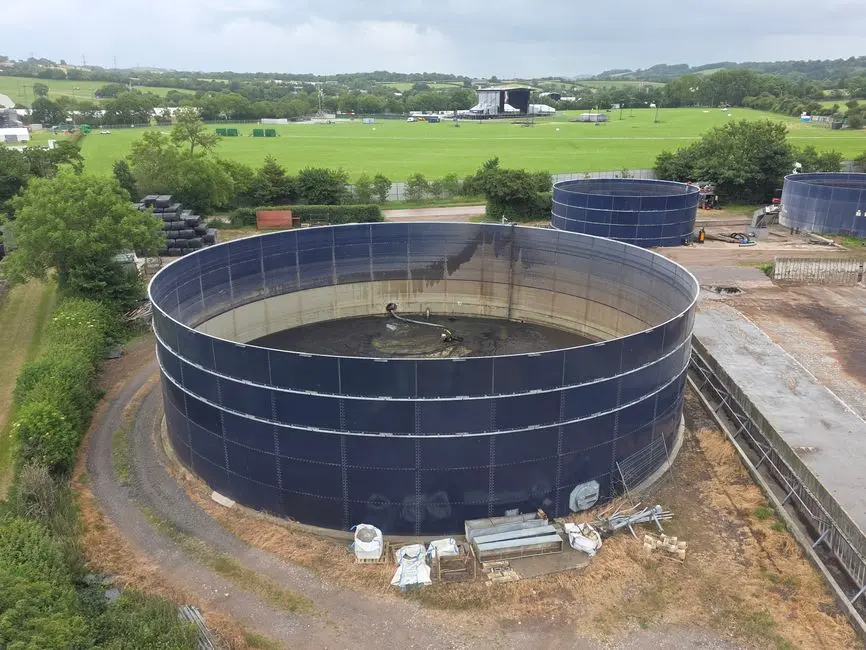
The 40 CFR categorical standards for food processing set the floor for BOD, TSS, FOG, ammonia and pH limits, and FDEP requirements layer in nutrient caps in sensitive watersheds around the Lake City region (Integrated Water Services, evolving wastewater regulations post, 2023). A compliant F&B pretreatment train should demonstrate, at minimum, the BOD and TSS removal implied by the documented MBBR→DAF case history, and add nutrient removal, BNR or MBR with controlled sludge age, where the receiving utility enforces TN or TP (World Water Works, MBBR→DAF case; Integrated Water Services, 2023 regulations post). For context on how a different permit stack is structured under 40 CFR, the 40 CFR pretreatment limits overview walks through the categorical standards mechanics that also apply to F&B subcategories.
Operators are expected to maintain flow-paced composite sampling, pH and temperature continuous monitoring, and a chain-of-custody log for self-monitoring reports (SMRs) submitted to the POTW pretreatment coordinator. The 2016 egg processor consent order is the clearest documented case of what happens when those records are missing or the limits are missed: a binding enforcement action against the discharger, with mandated treatment upgrades for BOD, TKN and TSS (World Water Works, 2016 egg processor case). The control points in a 2026 Lake City specification should therefore be traceable to the permit limits on the SMR, not to generic design guidelines.
Surcharge Economics: Turning Compliance Into a 2026 ROI Case
The baseline risk is the surcharge curve. Documented F&B plants have seen surcharges rise past $30,000 per month for dairy operations and approach $40,000 per month for a meatpacking operation, while a dairy on an undersized CAF system was running at roughly $14 per 1,000 gallons of operating cost (World Water Works, dairy, meatpacking and CAF case histories). A correctly sized DAF or MBBR→DAF retrofit has cut wastewater costs by more than $20,000 per month at documented dairy sites, and a Midwestern bacon plant maintained continuous discharge compliance for years after the design capacity was exceeded, providing headroom for production growth (World Water Works, dairy and Midwestern bacon plant cases).
A 2026 ROI case for a typical Lake City F&B plant should compare: monthly surcharge avoided, avoided hauling of off-spec wastewater, incremental production capacity enabled by the new permit envelope, and energy or heat offset from any anaerobic or CHP step (Integrated Water Services, F&B industries page). The Bear Republic CHP example is the cleanest documented offset, at roughly fifty percent of site electricity and twenty-five percent of hot water needs recovered from biogas (Integrated Water Services, F&B industries page). The table below captures the documented financial benchmarks that a procurement or finance reviewer can use to anchor the case; site-specific CAPEX must be obtained from vendor quotes, since the research set does not include equipment pricing.
| Documented Financial Lever | Value from Case History | Source |
|---|---|---|
| Dairy surcharge before retrofit | Over $30,000 per month | World Water Works, dairy case |
| Meatpacking surcharge before retrofit | Approaching $40,000 per month | World Water Works, meatpacking case |
| Operating cost on undersized CAF system | Roughly $14 per 1,000 gallons | World Water Works, CAF case |
| Wastewater cost reduction after DAF retrofit | Over $20,000 per month at documented dairies | World Water Works, dairy case |
| Energy offset from on-site CHP on biogas | About 50% of electricity, 25% of hot water | Integrated Water Services, Bear Republic case |
| Compliance headroom from oversized biological step | Continuous compliance beyond original design capacity | World Water Works, Midwestern bacon plant, 2005 install |
Frequently Asked Questions
Which 40 CFR subcategory typically binds a Lake City F&B discharger, and which parameter is usually the constraint?
The 40 CFR Part 405 (dairy products), 432 (meat products), 435 (oil and gas, not applicable), and the relevant F&B subcategory set the categorical floor; on top of that, FDEP requirements layer nutrient caps in sensitive Florida watersheds (Integrated Water Services, 2023 regulations post). In the documented case history, BOD, TKN and TSS were the binding parameters in the 2016 egg processor consent order, and TSS plus BOD drove the dairy and meatpacking surcharge cases (World Water Works, 2016 egg processor and meatpacking cases). A pre-specification check the operator should run is to pull the last twelve months of SMR data, rank parameter exceedances, and confirm with the local POTW pretreatment coordinator which parameter is the binding constraint at the discharge manhole.
Which technology train fits a brewery versus a dairy versus a meat plant?
Brewery streams at the 82,000-barrel-per-year scale generate BOD loads that can overwhelm a municipal plant untreated, and are well-suited to an anaerobic front end with a polishing DAF or MBR if the permit envelope requires it (Integrated Water Services, F&B industries page; Lakeside Equipment, F&B wastewater overview). Dairy and yogurt plants with high whey COD are documented to benefit from a DAF or MBBR→DAF retrofit that cut operating costs by more than $20,000 per month (World Water Works, dairy case). Meat, poultry and egg plants carry coliform, ammonia, blood and paunch manure, and the documented control point in the 2016 egg processor case was BOD, TKN and TSS removal ahead of municipal discharge (World Water Works, 2016 egg processor case). A practical check is to confirm the pilot or full-scale reference list of the equipment supplier against your own sub-sector, with named installs in brewery, dairy or meat processing, not just generic F&B.
What is a realistic 2026 budget range for a Lake City F&B pretreatment retrofit, and what variables move it?
The research set does not include equipment pricing, so any CAPEX figure must be obtained from vendor quotes and matched to the documented operating benchmarks rather than assumed. The financial case should be anchored to the documented surcharge exposure of over $30,000 per month for dairies and approaching $40,000 per month for meatpacking, and to the documented cost reduction of more than $20,000 per month after a DAF retrofit (World Water Works, dairy and meatpacking cases). Variables that move the budget include flow peaking factor, BOD and TSS influent concentrations, whether nutrient removal (BNR or MBR) is required to meet FDEP caps, whether anaerobic digestion with CHP is in scope, and the level of headworks and equalization tankage already on site. A defensible procurement ask is a budgetary quote for the worst-case peak flow with nutrient removal, plus a reference list of comparable F&B installs with the same unit operations.
What supplier selection criteria should a Lake City F&B plant use before signing a 2026 purchase order?
Documented failure modes in the F&B segment include undersized equipment, mismatched aeration technology, and chemistry-heavy legacy DAF units that hit their capacity limits as production grows (World Water Works, Butterball and Kansas Dairy cases; Integrated Water Services, F&B industries page). A defensible selection criterion is to require pilot or full-scale reference installs in the same F&B sub-sector with documented discharge compliance, to confirm the MBBR or MBR is sized for peak flow rather than average flow, and to verify the service footprint covers the Lake City area for startup and ongoing support. A second check is to require the supplier to document jet aeration or equivalent high-solids mixing technology for high-organic F&B streams, since fine-bubble diffusers have documented underperformance on citrus and poultry wastewaters (Integrated Water Services, F&B industries page).