What an Effluent Treatment Plant in Pune Must Actually Do
An effluent treatment plant in Pune is a multi-stage industrial wastewater system designed to meet Maharashtra Pollution Control Board (MPCB) discharge consents issued under the Water Act, 1974. For 2026 industrial buyers, a properly engineered plant combines physico-chemical primary treatment (screening, DAF, neutralization), secondary biological treatment (activated sludge, SBR, or MBR), and tertiary polishing — delivering effluent typically below BOD 30 mg/L, COD 250 mg/L, and TSS 100 mg/L as prescribed by the CPCB/MPCB General Standards for disposal into surface water. That triad of numbers is the floor, not the ceiling: MPCB consent conditions for individual units in MIDC Chakan, Talegaon, Ranjangaon, and Jejuri routinely tighten BOD to 10 mg/L and COD to 100 mg/L when the receiving drain feeds a drinking-water reservoir or an irrigation scheme.
The plant differs from a sewage treatment plant (STP) in one important way: it must handle sector-specific contaminants — free oil from machining, Cr/Ni/Cu from plating, solvents from API manufacture, high BOD/N from food processing — that a domestic STP is neither sized nor configured to remove. MPCB grants consent to operate under Section 25 of the Water Act, 1974, and renews it typically every 3–5 years; the consent order names the inlet flow (KLD), the inlet and outlet concentrations, the mode of disposal, and the self-monitoring frequency. International references such as the EU Water Framework Directive (cited in the University of Twente nanofiltration thesis, Schrader 2021) are useful as engineering benchmarks for advanced polishing, but they are not Indian law and should never appear on a consent application.
Pune Industrial Influent Profile: Match the Plant to the Waste
The single most common reason an ETP project underperforms in Pune is poor front-end characterization. Before sizing a reactor or signing a CAPEX quote, characterize the influent for at least 7 consecutive days using both grab samples and 24-hour composites. The five parameters that must be on every Pune buyer's data sheet are pH, COD, BOD, TSS/TDS, and oil & grease; sector-specific contaminants (Cr/Ni/Cu/Zn for metalworking, total Kjeldahl nitrogen and phosphate for food, residual solvents for pharma) sit alongside them.
A low-cost way to build a continuous dataset before committing to a full SCADA package is the WSN/IoT architecture documented by Khan et al. (Acta Polytechnica Hungarica, Vol. 18, No. 10, 2021) — pH, temperature, and turbidity sensors feeding an Arduino Uno R3 with GSM uplink to a ThingSpeak cloud dashboard, plus SMS alerts to the EHS manager on parameter excursions. For Pune buyers, the same pattern is described in our smart-pump monitoring guide for predictive maintenance, which covers the data backbone an ETP SCADA will ultimately inherit.
Typical Pune industrial influent ranges — engineering estimates, not site-specific:
| Sector | COD (mg/L) | BOD (mg/L) | TSS (mg/L) | Key Contaminants |
|---|---|---|---|---|
| Automotive components / machining | 1,500–5,000 | 600–2,000 | 500–2,500 | Oil & grease 200–800 mg/L; tramp oil emulsions |
| Food & beverage processing | 2,000–10,000 | 1,200–6,000 | 800–3,500 | High TKN (50–250 mg/L), total P (10–60 mg/L) |
| Pharmaceutical / API | 1,000–8,000 | 400–3,000 | 200–1,500 | Residual solvents, variable pH 2–11 |
| Engineering / electroplating | 500–3,000 | 100–600 | 100–800 | Cr, Ni, Cu, Zn each up to 50 mg/L; cyanide traces |
If your grab-sample results fall outside these bands, do not accept a vendor quotation built on them — the design envelope has changed and the cost will move with it.
The Core Treatment Stages: Primary, Secondary, Tertiary
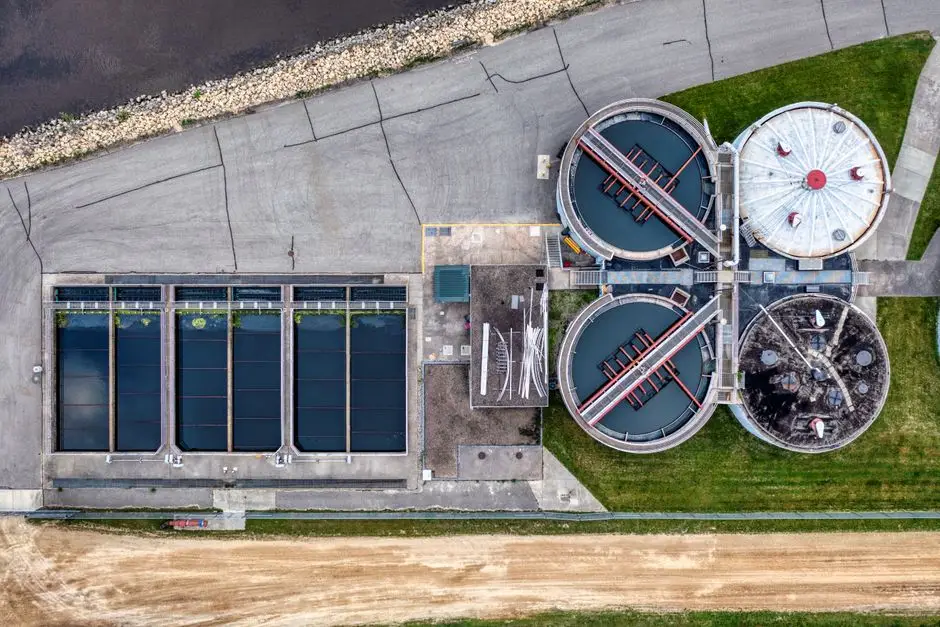
Every Pune ETP, regardless of sector, follows the same three-stage envelope. The choice of unit operation inside each stage is where engineering judgment — and CAPEX — diverge.
Primary treatment removes solids, oil, and pH shock. Influent first passes rotary bar screens such as the GX-series mechanical bar screen for rags and large debris, then enters an equalization tank sized for 6–12 hours of hydraulic residence to dampen flow and load swings. pH correction brings the stream into the 6.5–7.5 band that biology needs, and a dissolved air flotation unit (4–300 m³/h, 13 standard models) strips free oil, emulsified FOG, and floating TSS down to 30–50 mg/L in the effluent.
Secondary biological treatment is where the bulk of dissolved organics are oxidized. Three configurations dominate Pune bids: conventional activated sludge process (ASP), Sequencing Batch Reactor (SBR), and Membrane Bioreactor (MBR). The differentiator is solids retention time (SRT) — 5–10 days for ASP, 10–25 days for SBR, and 20–60 days for MBR. Higher SRT means more complete nitrification, less sludge, and a smaller tank, but it also means tighter aeration control. MBR additionally retains all biomass via an MBR membrane bioreactor system (sub-1 µm pore, 10–2,000 m³/day), so the secondary clarifier disappears and the footprint typically drops by ~60% versus a parallel-plate ASP of equal capacity.
Tertiary polishing closes the gap to the consent limit. A lamella clarifier operating at 20–40 m³/h surface loading cuts residual TSS another 50–70% while using roughly 30% less coagulant than a conventional clarifier. Multi-media filtration and activated carbon polish refractory COD, and disinfection is typically chlorine dioxide (50 g/h to 20,000 g/h units) or UV before reuse or discharge. For Pune pharma and electronics units chasing water reuse, the University of Twente nanofiltration thesis (Schrader 2021) confirms that direct NF can polish secondary effluent to a quality suitable for agricultural or indirect potable use — but in 2026 this remains an emerging option, not a standard bid line. Where land is available at the MIDC periphery, constructed wetlands (Lei, Wageningen PhD thesis 8189) provide a low-energy tertiary finish for micropollutants, though they are rarely a standalone compliance route for industrial consent.
Choosing the Right ETP Technology for a Pune Site
Process selection is a four-axis decision: influent strength (low/medium/high), flow variability (steady/intermittent), footprint available (small/medium/large), and reuse target (discharge only / landscape irrigation / process / boiler feed). Map your influent against these axes before reading vendor brochures.
| Influent & Site Condition | Recommended Primary | Recommended Secondary | Recommended Tertiary | Notes |
|---|---|---|---|---|
| High-strength food / pharma with FOG | DAF + equalization | Conventional ASP | Lamella + AC | Default Pune choice; sludge to plate and frame filter press |
| Tight footprint or reuse target | Fine screen + DAF | MBR (DF series modules) | RO or NF for reuse | 60% smaller footprint; higher membrane OPEX |
| Flow < 80 m³/h, limited civil work | Package pretreatment | WSZ underground A/O contact oxidation | Disinfection | Installable below grade; short site工期 |
| Metalworking / electroplating Cr/Ni/Cu | Physico-chemical precipitation | MBR polishing | Ion exchange + RO | ZLD expected for new MIDC units |
| Textile dye effluent | Coagulation / DAF | Biological (SBR or MBR) | Ozonation + AC | Ozone for colour break; AC for refractory COD |
For new MIDC units in 2026, the MPCB default expectation is moving toward Zero Liquid Discharge (ZLD) for any industry discharging into a notified water-stressed sub-basin. Practically, that means the ETP must be designed as the front half of a ZLD train — a downstream reverse osmosis unit and a brine evaporator or crystallizer are not optional extras. Vendor bids that quote an ETP only, with no RO crystallizer line, will fail to clear MPCB scrutiny during the consent-to-expand review.
For tight urban sites, the WSZ underground package STP offers A/O biological contact oxidation in a fully buried tank, avoiding the visual footprint that often triggers MIDC plot-layout objections. For sites chasing reuse with limited civil tolerance, the MBR DF-series module delivers the highest effluent quality per unit area. For dye-bearing streams, close the bid with an ozone generator for colour break and an activated carbon polish for residual COD.
2026 Cost Bands: What an ETP in Pune Actually Costs
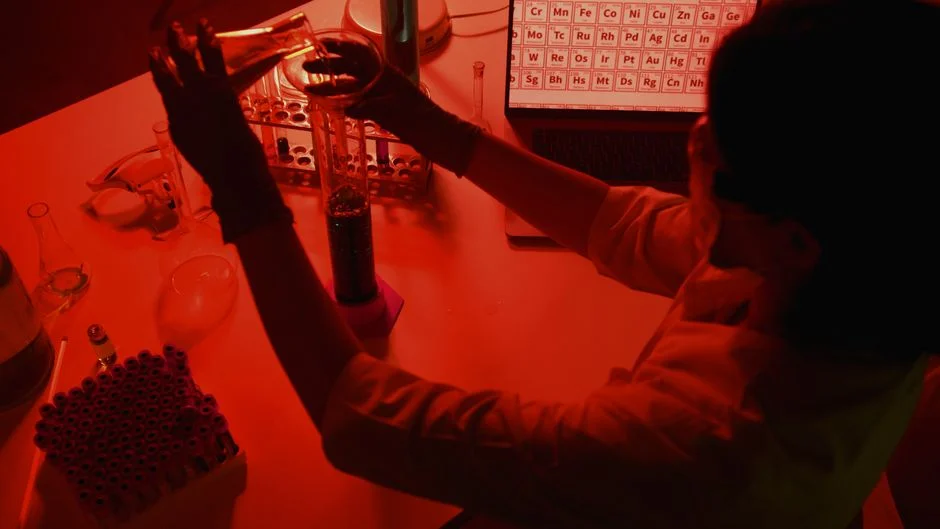
The 2026 Pune industrial ETP market has stabilized into three CAPEX bands and two OPEX bands that an engineer can use to sanity-check any vendor quote. Treat these as engineering benchmarks — site-specific civil work, soil conditions, and consent conditions move the number ±25%.
| Technology | CAPEX (₹/KLD) | OPEX (₹/m³ treated) | Dominant OPEX Driver |
|---|---|---|---|
| Conventional ASP (DAF + aeration tank + clarifier) | 2.0–4.0 lakh | 8–14 | Aeration electricity + sludge haulage |
| SBR (batch, decant-based) | 4.0–6.0 lakh | 10–18 | Decant cycle losses + sludge |
| MBR (membrane-aerated) | 5.0–8.0 lakh | 18–30 | Membrane aeration + module replacement (typically 5–7 yr) |
| ZLD add-on (RO + evaporator / crystallizer) | +3.0–6.0 lakh | +25–60 | Thermal energy + antiscalant chemicals |
Two hidden cost drivers routinely catch Pune buyers off guard. First, civil work on the MIDC's expansive black-cotton soil inflates foundation costs by 15–25% over rocky terrain assumptions. Second, MPCB consent fees, the ZLD compliance audit, and the treated-effluent disposal or reuse piping are routinely excluded from headline quotes. Push the vendor to break out the high-efficiency sedimentation tank (lamella clarifier, ~30% lower coagulant use) and the chlorine dioxide generator (EPA/EU compliant, 50 g/h to 20,000 g/h) as discrete line items — both materially reduce OPEX and pay back inside 18–30 months on most Pune flow sizes.
Smart Monitoring and Compliance: The 2026 Baseline
An ETP in 2026 is expected to be IoT-instrumented, not a black box that spits out a monthly lab report. The technical pattern is well established: continuous online pH, COD, flow, and TSS meters feed a PLC, which pushes data to a cloud SCADA and sends SMS alerts to the EHS manager when the treated-effluent stream approaches the consent band edge. The architecture — pH, temperature, and turbidity sensors on an Arduino Uno R3 with GSM uplink to ThingSpeak, validated against a calculated Water Quality Index — is documented in Khan et al. (Acta Polytechnica Hungarica, Vol. 18, No. 10, 2021), and it scales cleanly to industrial Pune once the sensor probes are upgraded to industrial-grade.
For MPCB purposes, "red" and "orange" category industries in MIDC Pune clusters are expected to maintain online effluent monitoring tied to the MPCB server stack, with self-monitoring reports uploaded at the frequency named in the consent order (typically weekly for combined wastewater, monthly for individual streams). A PLC-controlled chemical dosing skid closes the loop: when pH drifts above 7.5 the skid doses acid proportional to flow, holding the band inside ±0.2 without operator intervention. For grab-sample integrity and tamper-proof audit trails, the automatic wastewater samplers guide walks through the 2026 buyer's checklist for composite and discrete sampling.
International benchmarks — the EU Industrial Emissions Directive 2010/75/EU and the WHO Drinking-water Guidelines — are useful design references, but Indian law is MPCB and CPCB. Never let a vendor substitute an EU-only compliance claim for an MPCB consent condition in writing.
Implementation Timeline and What to Ask a Pune ETP Vendor
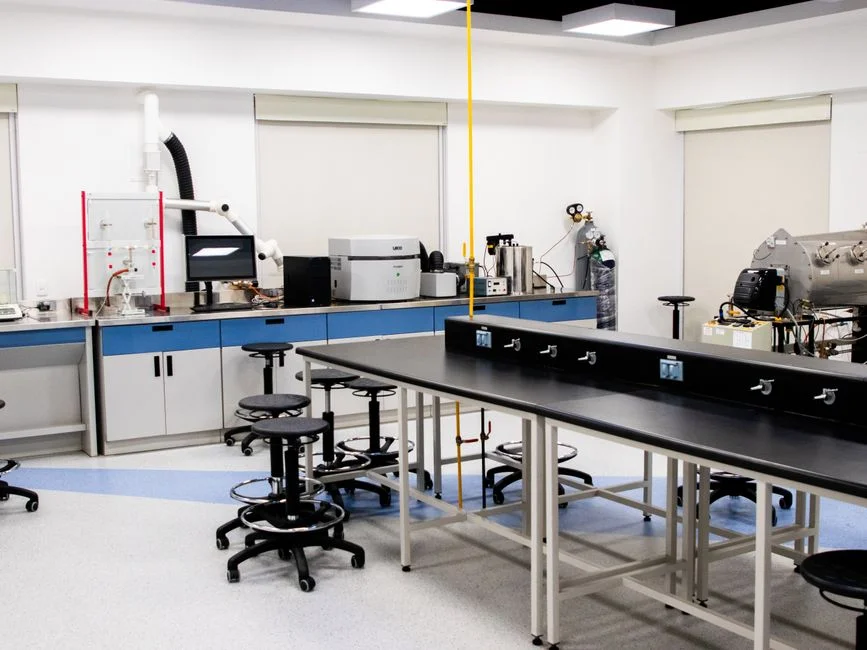
A realistic 2026 Pune ETP project runs 12–20 weeks from kickoff to commissioned operation. The first 2–3 weeks are influent characterization — grab and composite sampling across at least 7 consecutive operating days, with the sector-specific contaminants on the test sheet. Weeks 3–6 are process design and MPCB pre-consultation; the engineering firm's P&ID and hydraulic profile must reach MPCB well before the formal consent application, because a "no objection" given late can cost two months on the critical path. Weeks 6–16 are fabrication and civil work, and weeks 16–20 cover commissioning, trial run, and consent test.
Three questions to put in writing to every Pune ETP vendor before signing the PO:
- "Show three operating ETPs in Pune or Chakan MIDC at the same KLD and influent type, and share the last six months of MPCB compliance test reports for each." A vendor who cannot produce this either has not built your type of plant or is not willing to be audited on its performance.
- "What treated-water quality is contractually guaranteed, and what is the remedy if MPCB rejects the effluent sample?" Liquidated damages and a defined re-treatment protocol should be on the same page as the performance guarantee, not negotiated after a failed sample.
- "Who owns the membrane modules, what is the membrane replacement interval, and what is the spare-parts lead time into Pune?" For MBR plants, get the membrane OEM in writing and confirm Pune-based stocking or a 5-day maximum lead time. The RO/UF membrane elements line and the plate and frame filter press for sludge dewatering are the two spare-part categories that most often stall a Pune plant's uptime.
For an external view on how cost and compliance work together in a comparable industrial market, the industrial wastewater treatment cost and compliance guide provides a useful cross-check, and the pulp and paper wastewater treatment guide offers a useful sector-specific reference for high-strength organic streams.
Frequently Asked Questions
What is the MPCB consent limit for BOD and COD for industrial effluent discharge in Pune?
The CPCB/MPCB General Standards for discharge of effluents into surface water set the baseline at BOD 30 mg/L, COD 250 mg/L, and TSS 100 mg/L (3-day BOD at 27°C). Individual MPCB consent orders for MIDC Pune units typically tighten BOD to 10 mg/L and COD to 100 mg/L when the receiving drain flows into a water-supply reservoir; always read the consent order, not the schedule.
How much does a 100 KLD effluent treatment plant cost in Pune in 2026?
For a conventional ASP plant at 100 KLD, expect ₹20–40 lakh CAPEX and ₹8–14 per m³ OPEX. An SBR plant at the same flow runs ₹40–60 lakh CAPEX and ₹10–18 per m³ OPEX. An MBR plant runs ₹50–80 lakh CAPEX and ₹18–30 per m³ OPEX. These are engineering benchmark bands; a ZLD add-on (RO plus evaporator) typically adds another ₹30–60 lakh CAPEX and ₹25–60 per m³ OPEX.
Which ETP technology is best for a small pharmaceutical or food unit in Pune with limited space?
An MBR system sized to 10–2,000 m³/day delivers BOD below 5 mg/L and TSS below 2 mg/L in a footprint roughly 60% smaller than a conventional ASP of equal capacity, making it the default for tight urban pharma and food sites. For flows under 80 m³/day where civil work must be minimal, an underground package STP using A/O biological contact oxidation can be installed below grade to keep the visible plot free.
Does MPCB require online effluent monitoring for industries in Pune MIDC areas?
Yes, for units classified as "red" or "orange" category under the CPCB categorization, MPCB expects continuous online monitoring of pH, flow, COD, and TSS at the outlet, with data pushed to the MPCB server and self-monitoring reports uploaded on the frequency named in the consent order (typically weekly for combined effluent). A WSN/IoT layer feeding a cloud SCADA is now the de facto baseline rather than a value-add.