Why Perth process wastewater needs its own 2026 playbook
Perth semiconductor fabs and data halls in 2026 should segregate process wastewater into four dedicated streams — CMP slurry, fluoride/HF spent etch, IPA/NMP solvent rinse, and cooling-tower blowdown — each treated under a DWER Works Approval and Licence (Environmental Protection Act 1986) and a WaterCorp Trade Waste Permit. RO + EDI reclaim on rinse and blowdown routinely hits 75–95% recovery, fluoride is precipitated below 10 mg/L with CaCl₂, and UV at 40 mJ/cm² closes the reuse loop.
Perth's Mediterranean climate and reliance on the Gnangara and Jandakot aquifers — both sitting on the Swan Coastal Plain — put industrial groundwater licences under the Rights in Water and Irrigation Act 1914. Every abstraction above 20 kL/day for industrial use requires a 5C licence, and the Department of Water and Environmental Regulation (DWER) is reviewing 2026 allocations case by case as critical-minerals and semiconductor demand tightens the same supply that lithium-processing tenants in the Kwinana–Rockingham corridor already draw on. Hyperscale data-hall and semiconductor activity is clustering at Malaga, Neerabup, Cockburn/Bibra Lake, and the Murdoch–Applecross health-and-life-sciences precinct, multiplying the trade-waste load on WaterCorp's South West and Subiaco wastewater treatment plants (per DWER licence registers, 2026).
AI rack density has moved from 5–10 kW (legacy enterprise) to 40–120 kW (AI-optimised), and a single 100 MW hyperscale campus now draws on the order of 528,000 gal/day (≈2,000 m³/day) of make-up water (per US DOE/LBNL data, cited in market.us 2026). That scale pushes the architecture firmly into on-site treatment rather than municipal feed, and it forces the 2026 environmental authority pathway to be planned from day one: any discharge above the EP (Unauthorised Discharges) Regulations 2004 thresholds triggers a DWER Works Approval, then a Licence, then a WaterCorp Trade Waste Permit for the sewer connection. The Brisbane 2026 four-stream template transfers cleanly to Perth only after the local silica profile, tariff band, and licence stack are layered in.
Source segregation: the four-stream model that defines 2026 capex
Source segregation at the pipe-rack stage is the highest-leverage engineering decision a 2026 Perth project will make. The four streams carry distinct chemistries, and the design penalty for mixing them is not linear — it is compounding.
Perth fab and data-hall influent character in 2026 typically lands in the following bands: CMP slurry at TSS 200–1,000 mg/L and pH 8–11; HF/fluoride spent etch at F⁻ 100–5,000 mg/L, low pH, often co-contaminated with HNO₃ or H₂SO₄; IPA/NMP solvent rinse at COD 5,000–20,000 mg/L; and cooling-tower blowdown at conductivity 2,500–4,500 μS/cm, silica 80–150 mg/L, hardness 400–800 mg/L as CaCO₃ at 4–6 cycles. Mixing the solvent stream with fluoride or metal-bearing streams forces the whole train to handle COD of 5,000–20,000 mg/L — a design penalty that propagates through oversized chemical precipitation, biological reactors at least 2–3× larger than they should be, and accelerated membrane fouling that no pretreatment can fully recover from (HydropureWater field data, 2026).
Retrofitting segregation after construction typically costs several multiples of building it in at the pipe-rack stage, a lesson the Brisbane 2026 framing already documented. The same lesson applies to Perth greenfield sites at Latitude 32, Neerabup, and the Murdoch health precinct. Two emerging parameters deserve early design attention even where WA has not yet set hard numerical limits: PFAS in CMP slurries and NMP in solvent rinse. DWER discharge consents are tracking EU and US EPA frameworks on both, and the cost of segregation retrofits is the controlling risk. The RO design criteria 2026 reference covers the membrane-side parameters that should be locked in alongside the segregation plan.
Stream 1 — CMP slurry and back-grind wastewater
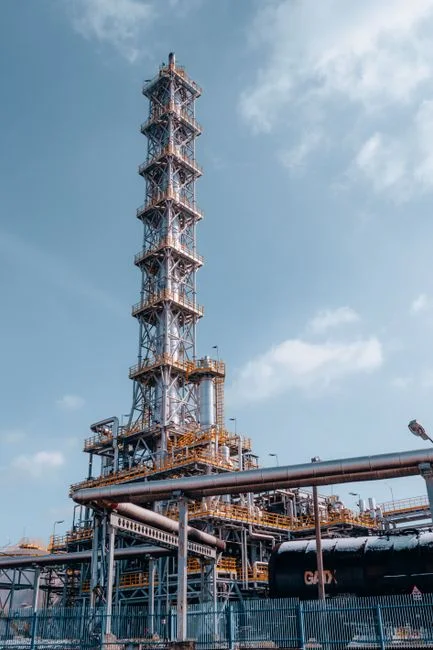
The CMP stream is colloidal-silica- or ceria-dominated, low in TDS, and the simplest of the four to close-loop if segregated early. Equalise in a dedicated tank at 24–48 h residence, trim pH to 9.5–10.5 with a PLC-controlled chemical dosing skid, then send the flow to a lamella clarifier at 20–40 m/h surface loading — lamella geometry cuts coagulant demand by roughly 30% versus a conventional clarifier (typical municipal design data). The automatic chemical dosing system holds the pH band within ±0.2 units during feed surges from tool dumps.
Clarifier overflow passes through 0.03 μm PVDF ultrafiltration at 50–80 LMH flux, accepting feed turbidity up to 300 NTU and producing a particulate-free bleed suitable for RO polish or direct non-process rinse reuse. UF backwash solids route to a filter press, and the recovered filtrate returns to the equalisation tank, completing the closed loop typical of 2026 fab water-stewardship disclosures. If metal recovery is in scope, send a slipstream of the clarifier underflow to a precipitation reactor tuned for Cu/Ni/Co recovery rather than disposal — Perth's lithium co-tenants and back-grind fabs both produce streams where selective recovery pencils out above 50–80 kg/day of recoverable metal. The UF water treatment system datasheet is the right reference for the 50–80 LMH flux band and the 300 NTU feed ceiling.
Stream 2 — Fluoride and HF spent-etch treatment
The CaCl₂ precipitation train is the workhorse of fab fluoride compliance, and it has to be tuned harder on Perth feed than on the Brisbane template because of higher background silica. Equalise, dose CaCl₂ to a molar ratio of 1.5–2.0× stoichiometric fluoride in an agitated reactor (residence 30–60 min), flocculate with anionic polymer, then settle in a lamella clarifier. The 1.5–2.0× ratio is the design band; running stoichiometric leaves the supernatant at 15–25 mg/L F⁻, which then overloads the RO.
Supernatant passes through a multi-media filter for SDI reduction (target SDI < 3), then through industrial RO systems (up to 95% recovery) to push fluoride below 10 mg/L. Hold RO recovery at 75–85% on the fluoride feed to protect the membrane from CaF₂ carryover and silica scaling — the latter is a particular concern on Perth feed water where Swan Coastal Plain silica (often 30–60 mg/L) carries through to the clarifier overflow. Brine returns to the precipitation reactor; dewater the CaF₂ sludge on a plate-and-frame filter press to 25–35% dry solids for off-site disposal as a controlled waste. The <10 mg/L F⁻ line is the typical WaterCorp Trade Waste acceptance criterion and aligns with the EP (Unauthorised Discharges) Regulations 2004 trigger values, so the design and the consent move together.
Stream 3 — IPA and NMP solvent rinse
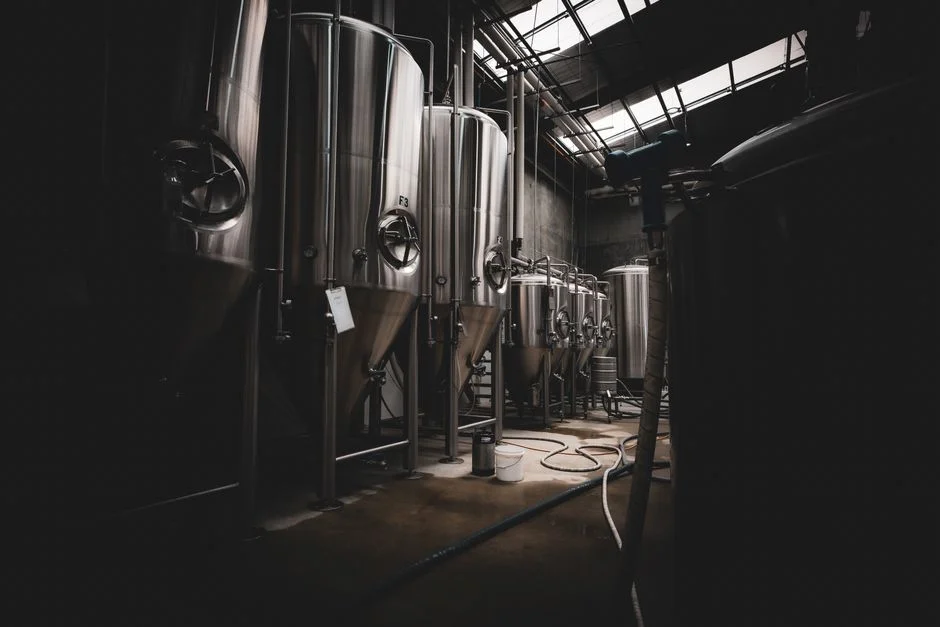
The solvent stream must stay isolated. Skim floatable solvent on a dissolved air flotation unit in the 4–300 m³/h flow range, equalise, then feed an MBR membrane bioreactor at MLSS 8,000–12,000 mg/L with effluent turbidity below 1 NTU. MBR footprint is roughly 60% smaller than an equivalent conventional activated-sludge system for this COD load, which matters on space-constrained Perth industrial lots where land is at a premium and Title encroaches on setbacks.
Polish the MBR permeate with a UV steriliser rated at 40 mJ/cm² (cryptosporidium- and giardia-effective) or on-site ClO₂. UV avoids the bromate-formation risk of high-dose chlorine on recycled water — a real concern where the cooling-tower and solvent reuse loops meet. Target sewer-discharge limits: COD <500 mg/L and free Cl₂ <0.5 mg/L. Design the train with the expectation that NMP-specific limits will tighten within the consent period; the 5,000–20,000 mg/L COD feed range is wide enough that a 2026 design should oversize the equalisation tank by 20–30% to absorb shock loads without breaching the MBR's hydraulic retention time.
Stream 4 — Data-hall cooling-tower blowdown
Translate the global hyperscale cooling-load numbers to Perth-specific silica and salinity realities, and the cooling-tower stream shifts from "sewer cost" to "reuse asset." Perth groundwater silica on the Swan Coastal Plain is often 30–60 mg/L and rises with cycles, so practical cycles of concentration cap out at 4–6. A 150 m³/day blowdown stream at 2,500–4,500 μS/cm is the design envelope for AI-density data halls in Malaga, Neerabup, and Bibra Lake — and 80–150 m³/day is typical of a 1–2 MW IT-load hall.
Train: lime softening using an industrial water softener system with target Ca²⁺ below 50 mg/L as CaCO₃, then multi-media filtration, then RO at 95% recovery, then UV sterilisation at 40 mJ/cm². Permeate returns to the cooling-tower basin; online conductivity and silica analysers drive PLC-controlled blowdown and dosing. Concentrate the 5% reject in a side-stream RO at 50% recovery, producing a final brine of roughly 7–8 m³/day for a 150 m³/day inflow — usually below the threshold where a thermal ZLD step pays back at WaterCorp industrial tariffs. A lamella clarifier upstream of the softener handles the silica-rich sludge load without fouling the softener resin.
Reuse and ZLD economics for a 2026 Perth plant
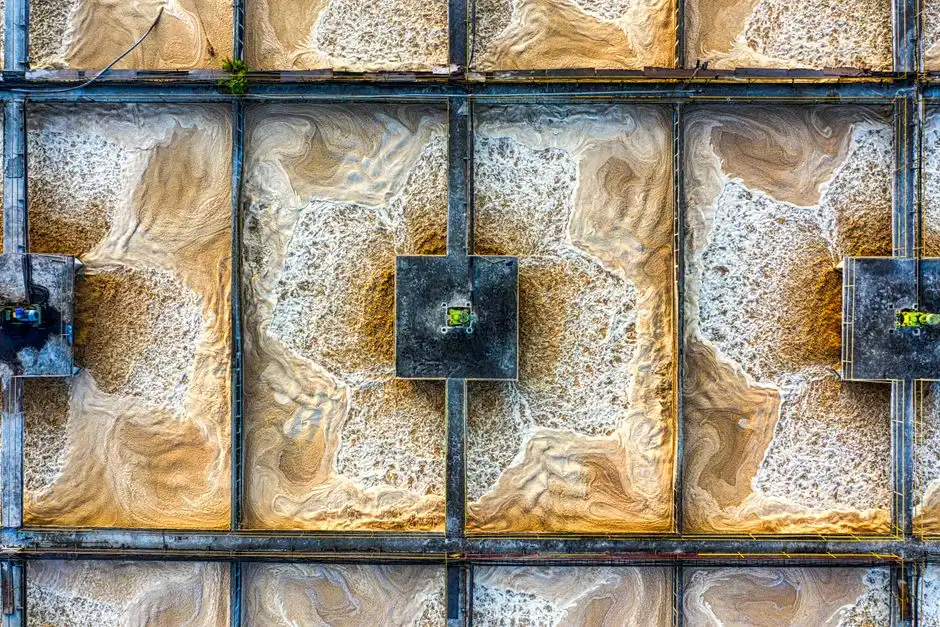
RO + EDI recovers 75–90% of fab rinse water. The EDI stacks replace mixed-bed ion exchange and remove the acid/caustic regeneration loop — important in a Perth context where WaterCorp is tightening trade-waste acceptance of regeneration waste. For cooling-tower blowdown, RO at 95% recovery compresses 150 m³/day to 7–8 m³/day of brine, which is typically below the threshold where a thermal ZLD step pays back at WaterCorp industrial tariffs (industrial potable water in the Perth metro sits in a band broadly comparable to the SEQ AUD 2.50–4.00/kL range once bulk and recycled-water access charges are included, per Queensland Urban Utilities published industrial tariff schedules 2025-26 used as a published analogue; verify against the current WaterCorp Industrial Customer Tariff Schedule before commit).
Sensitivity logic: reuse above roughly 50 m³/day returns RO + EDI capex inside 3–5 years on water-cost avoidance alone; reuse above roughly 200 m³/day generally covers capex inside 24 months before any sewer-discharge fee savings. A 1–2 MW IT-load data hall produces 80–150 m³/day of blowdown — squarely in the reuse-pays zone — while a 100 MW hyperscale campus at 528,000 gal/day (≈2,000 m³/day) make-up (per US DOE/LBNL data cited in market.us 2026) requires on-site RO and blowdown treatment, not municipal feed. The economics are decisive at hyperscale, and a tariff sensitivity block belongs in the front-end engineering report.
| Reuse band (m³/day) | Architecture | Indicative capex payback (water-cost avoidance only) | ZLD step justified? |
|---|---|---|---|
| < 20 | Multimedia + sewer discharge | Not economic | No |
| 50–150 | RO + EDI, partial reuse | 3–5 years | No |
| 200–500 | RO + EDI + side-stream RO | 18–24 months | No (brine <50 m³/day) |
| > 1,000 (hyperscale) | RO + EDI + brine concentrator | 12–18 months | Case-by-case above ~100 m³/day brine |
The EDI electrodeionization system datasheet covers the 75–90% rinse-water recovery band, and the RO design criteria 2026 reference covers the recovery, flux, and rejection numbers that should be locked into the capex model. For a parallel hyperscale context outside the Swan Coastal Plain, the data-center cooling blowdown treatment guide walks through a similar train under different tariff and feed-water conditions.
Perth 2026 compliance map: DWER, WaterCorp, and EP Act
The regulatory sequence a Perth project must clear in 2026 is layered, and the layers do not collapse into a single consent. The primary statute is the Environmental Protection Act 1986, read with the Environmental Protection (Unauthorised Discharges) Regulations 2004. Any release above the prescribed trigger concentrations — including fluoride above 10 mg/L at the point of release, or volumes above the trade-waste agreement threshold — requires a DWER Works Approval, followed by a Licence. Works Approval sets the construction conditions; the Licence sets the operational discharge limits.
Groundwater abstraction above 20 kL/day for industrial use requires a 5C licence under the Rights in Water and Irrigation Act 1914, administered by DWER. With the Gnangara and Jandakot mounding plans tightening through 2026, allocations are reviewed case by case — and any new fab or hyperscale campus should not assume that historical allocation levels will be granted. The operational interface is the WaterCorp Trade Waste Permit, which governs every discharge into the sewer and sets the fluoride, heavy-metal, temperature, and pH limits a 2026 design review will see on the compliance schedule.
Sampling and control expectations are consistent across recent issued licences: a flow-proportional sampler on the common discharge header, plus high-level alarms on each equalisation tank driving PLC-controlled shutdown. These are the default, not the exception, and the design should treat them as licensed instruments rather than optional monitoring. Engineers specifying for the Murdoch health-and-life-sciences corridor, Neerabup, or Malaga should request a pre-lodgement meeting with DWER before the Works Approval is submitted — 2026 review windows are running 9–12 months for new industrial discharges in water-stressed subareas.
Frequently Asked Questions
What are the four wastewater streams a 2026 Perth semiconductor fab or data hall should segregate?
The four-stream model segregates CMP slurry, HF/fluoride spent etch, IPA/NMP solvent rinse, and cooling-tower blowdown. Each stream runs through a dedicated train: lamella + UF for CMP, CaCl₂ precipitation + RO for fluoride, DAF + MBR for solvent, and softening + RO + UV for cooling-tower blowdown. The 2026 capex-defining decision is segregation at the pipe-rack stage, because retrofitting segregation after construction typically costs several multiples of building it in upfront. Reference the RO design criteria 2026 reference for the membrane-side parameters that should be locked in alongside segregation.
What fluoride discharge limit applies to a Perth fab in 2026?
WaterCorp's Trade Waste Permit typically requires fluoride below 10 mg/L at the point of discharge to sewer, and this aligns with the trigger values in the EP (Unauthorised Discharges) Regulations 2004. The CaCl₂ precipitation train (1.5–2.0× stoichiometric dose, 30–60 min reactor residence, lamella clarifier, multi-media filter, RO at 75–85% recovery) reliably achieves this on feeds up to 5,000 mg/L F⁻. Industrial RO systems are the workhorse of the polish step, and the CaF₂ sludge dewaters to 25–35% dry solids on a filter press for off-site disposal.
Does a Perth hyperscale data hall need on-site wastewater treatment in 2026?
Yes. A 100 MW hyperscale campus draws on the order of 528,000 gal/day (≈2,000 m³/day) of make-up water (per US DOE/LBNL data, 2026), and a 1–2 MW IT-load hall produces 80–150 m³/day of cooling-tower blowdown alone. At those scales, on-site RO + UV polishing of blowdown for cooling-tower make-up reuse is the only architecture that pencils out — municipal feed cannot carry the load, and reuse above roughly 50 m³/day returns RO + EDI capex inside 3–5 years on water-cost avoidance alone under WaterCorp industrial tariffs. The EDI electrodeionization system replaces mixed-bed ion exchange and removes the acid/caustic regeneration loop that WaterCorp trade-waste acceptance is tightening against. The parallel hyperscale data-center cooling blowdown guide covers a comparable train under different feed-water and tariff conditions.