

Why a Dhaka Factory Usually Needs an ETP, Not Just a DAF
A factory in Dhaka, Bangladesh typically needs a full industrial ETP — screening, equalisation, chemical dosing, DAF, biological treatment (activated sludge, MBBR or MBR), secondary clarification, and sludge dewatering — designed from its own effluent characterisation and sized to meet Bangladesh Department of Environment discharge limits. A dissolved air flotation system alone is rarely enough; it sits inside the train to remove 70-98% of TSS and 80-99% of FOG before the biological stage, cutting aeration cost — the largest single OPEX line in most Bangladeshi ETPs.
DAF works by dissolving air under 40-70 psi in a saturator, then releasing the pressure so micro-bubbles form — each smaller than a grain of sand — attach to flocculated solids and oil droplets, and lift them to the surface for skimming. The numbers above (70-98% TSS, 80-99% FOG, 30-70% BOD, 20-60% COD credit to DAF) come from Safe-Guard Co operating data and are the figures to put in any supplier comparison (source: safe-guardco.com DAF specifications, 2026).
An ETP is the full process train — physical, chemical, biological, sludge — that brings effluent inside the Department of Environment Schedule-10 discharge limits before it leaves the site boundary. The same nominal m³/day rating can pass or fail DoE compliance depending on how well the train matches the actual pollutant load, which is why every working Bangladesh ETP starts with effluent characterisation rather than a catalogue selection (source: WTBL, 2026). Bangladesh DoE and BEZA both expect design data, performance guarantees and test results in a specific reporting format, and that documentation requirement alone rules out suppliers who only ship equipment skids.
Dominant effluent profiles in Dhaka and Gazipur — knit dyeing, pharmaceuticals, tanneries, food processing — each push the train in a different direction. The point of this article is to map those four industries to the right process variant and then to a defensible buy-local-vs-import decision.
Bangladesh Compliance Map: DoE, BEZA and BEPZA Discharge Limits
DoE is the default regulator for any standalone factory discharging effluent in Bangladesh; BEZA covers sites inside Bangladesh Economic Zones, and BEPZA covers Export Processing Zones. Each expects design data, performance guarantees and test results in a defined reporting format before commissioning sign-off, and the documentation requirement is identical regardless of zone (source: WTBL, 2026).
The parameters that drive equipment selection are pH, BOD₅, COD, TSS, colour, and residual chlorine, with sector-specific additions — sulphide and total chrome for tanneries, total nitrogen for some pharmaceutical discharges, temperature for food processors. Hitting those numbers is what the ETP process train is sized for; missing any one of them is what triggers a DoE non-compliance notice.
The CETP vs ETP distinction matters in economic zones. A single factory inside its own boundary needs an ETP; multiple factories in an economic zone share a CETP through a common collection network, with the per-unit treatment cost lower but with a hard requirement that member effluent be chemically compatible (source: WTBL, 2026). If the site is a standalone knit dyeing unit in Gazipur, the answer is ETP; if it is a plot inside BEZA's Bangabandhu Shilpa Nagar or BEPZA's Adamjee, the answer may be CETP connection, and that decision should be made before sizing any equipment.
For an existing plant already failing DoE, capacity upgrades and tertiary polishing are usually cheaper than a full rebuild — retrofits add stages, replace aeration or dewatering equipment, or insert a polishing step rather than tearing out the working biology (source: WTBL, 2026). The compliance map is the first filter; the process train is the second.
The Typical Process Train for a Bangladesh Industrial ETP
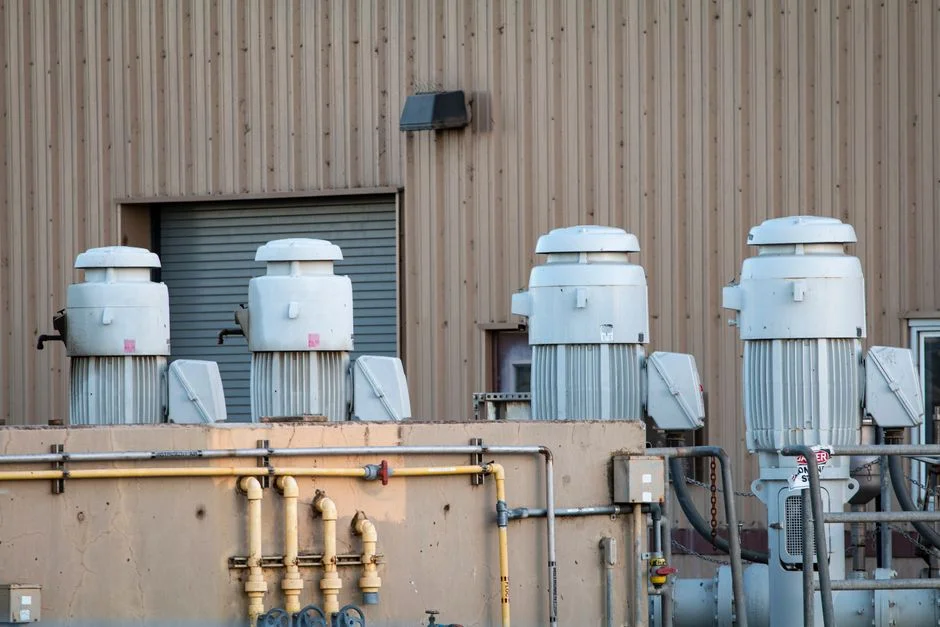
A working Bangladesh industrial ETP runs through seven stages, in this order, each sized to the effluent characterisation rather than to a nameplate flow.
| Stage | Equipment | Function | Bangladesh-Specific Note |
|---|---|---|---|
| 1 | Coarse & fine screens | Remove rags, lint and solids | Critical in knit dyeing where lint loads downstream pumps |
| 2 | Equalisation tank | Buffer flow, temperature and pH swings | Batch dyeing produces shocks; EQ protects biology |
| 3 | Coagulant & flocculant dosing | Destabilise colloidal colour and TSS | Decides whether DAF or primary clarifier is right next stage |
| 4 | DAF unit | Float TSS and FOG with micro-bubbles | 70-98% TSS and 80-99% FOG removal before biology |
| 5 | Biological treatment (ASP / MBBR / MBR) | Convert dissolved organics to biomass | MBR is the right pick when reuse is a target |
| 6 | Secondary clarifier or membrane separation | Separate biomass from treated water | Returns sludge to keep biology stable |
| 7 | Sludge thickening & dewatering | Filter press, belt press or screw press to cake | Under-spec here is the most common ETP failure mode in Bangladesh |
Stage 1 screens protect pumps in lint-heavy textile effluent. Stage 2 equalisation smooths the pH and temperature shocks that batch dyeing creates, so the biological stage sees a steady load instead of a series of spikes (source: WTBL, 2026). Stage 3 dosing is the chemistry hinge — it decides whether the next stage should be DAF for light flocs or a primary clarifier for heavy sludge. Stage 4 DAF is the workhorse separation step for most Dhaka industry profiles. Stage 5 biology is where the bulk of dissolved COD is removed; activated sludge is cheapest, MBBR is footprint-friendly, MBR is the answer when reuse water is the downstream target (source: WTBL, 2026). Stage 6 clarification returns biomass to keep the reactor fed. Stage 7 dewatering — a plate and frame filter press for sludge dewatering, belt press or screw press — turns the waste stream into a handleable cake; under-spec this stage and the rest of the plant becomes unmanageable in operation (source: WTBL, 2026).
Sizing the DAF Unit Inside the Train
DAF sizing is driven by four numbers: flow, saturator pressure, micro-bubble size, and pre-treatment chemistry. Get those right and the unit hits the nameplate removal rates; get any one wrong and performance falls well below 70% TSS.
| Parameter | Spec Window | Why It Matters for Bangladesh Plants |
|---|---|---|
| Flow range | 4-300 m³/h standard, 385-500+ KLD custom | Covers most knit dyeing and pharma plants in Gazipur and Narayanganj |
| Saturator pressure | 40-70 psi | Below 40 psi bubble quality drops, above 70 psi energy is wasted |
| Micro-bubble size | Smaller than a grain of sand | Drives high TSS capture on colloidal textile and pharma loads |
| Pre-treatment chemistry | Flocculant + coagulant dosing upstream | Decides whether unit hits 70-98% TSS or underperforms |
| BOD reduction credited to DAF | 30-70% | Cuts aeration cost downstream — the largest OPEX line |
| COD reduction credited to DAF | 20-60% | Reduces sizing and energy of the biological stage |
Standard dissolved air flotation system models cover 4-300 m³/h, which is the right envelope for most standalone factories; large Bangladesh plants above that range move to custom designs in the 385-500+ KLD bracket (source: HydropureWater DAF specifications, 2026). The 40-70 psi saturator window is non-negotiable: below 40 psi the dissolved-air concentration falls and bubble quality deteriorates; above 70 psi the blower draws more power for no gain in removal. Pre-DAF chemistry is mandatory — a PLC-controlled coagulant and flocculant dosing system sized to the actual effluent is what separates a 90% TSS DAF from a 50% TSS DAF (source: safe-guardco.com, 2026). For the full parameter set and selection logic, see the 2026 DAF unit specifications and selection guide and the 2026 DAF engineering specs, costs and decision framework.
Matching the Train to the Industry: Textile, Pharma, Tannery, Food
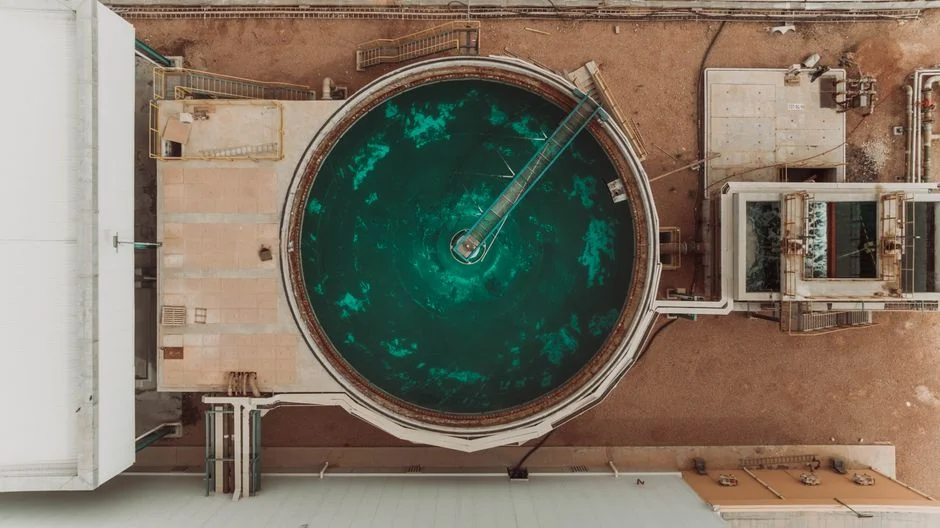
Knit dyeing and textile finishing in Gazipur and Narayanganj produce high colour, high COD, and variable pH; the standard Dhaka textile ETP train is dosing + DAF + activated sludge or MBBR, with a tertiary polishing step when reuse water is the target. DAF comes first because colour and colloidal TSS respond to micro-bubble flotation better than to settling (source: safe-guardco.com, 2026).
Pharmaceutical plants in Dhaka carry complex organics and solvent traces; the working train is DAF pre-treatment + MBR + activated carbon polishing, with MBR chosen because reuse water for boiler feed or CIP is a typical plant requirement. DAF comes first to strip solvents and suspended API residues before they foul the membranes.
Tanneries around the Hazaribagh legacy zone and the new Savar cluster carry very high TSS, sulphide and chrome load; DAF sits after equalisation and chrome recovery, not as the first stage. Putting DAF ahead of chrome recovery wastes the unit on particulates that should be precipitated upstream.
Food and beverage processors — dairies, slaughterhouses, edible-oil refineries — run high BOD and high FOG; DAF is the workhorse primary stage before anaerobic or aerobic biology, recovering oil for reuse and stripping the FOG load that would otherwise shock the biology (source: safe-guardco.com, 2026). In food plants the DAF oil-skim is sometimes a saleable by-product, which changes the project economics. For a head-to-head with primary clarification and other separators, see the DAF clarifier vs alternatives selection guide.
Costs, Lead Times, and Buy-Local-vs-Import in Bangladesh
ETP cost is driven by four variables: hydraulic capacity in m³/day, the effluent's pollutant load, the treatment technology required to hit the discharge limit, and the civil work the site needs. None of those four can be quoted from a catalogue; the difference between a knit dyeing unit and a pharmaceutical plant is large enough that a price list is meaningless (source: WTBL, 2026).
| Cost Driver | Local Fabrication (Gazipur) | Imported (China / India) |
|---|---|---|
| Unit price on DAF / clarifier / pressure vessel | Higher by 10-25% on equipment alone | Lower on FOB price |
| Lead time to site | Shortest in-country delivery, no sea-freight | 8-14 weeks sea freight plus customs |
| Spare-part supply | Spares held in-country, fast response | Cross-border lead time on every replacement |
| DoE / BEZA documentation | Local supplier prepares in required format | Foreign supplier rarely provides local-format files |
| After-sales retrofit support | On-site retrofit and capacity upgrades | Limited or vendor-dependent |
A typical industrial ETP in Bangladesh takes several months from design freeze to commissioning, with the timeline dominated by civil construction and equipment lead time rather than installation (source: WTBL, 2026). Local fabrication of the long-lead items — DAF units, clarifiers, screeners, sand filters, pressure vessels — at a Gazipur factory takes the sea-freight window off the critical path and keeps spares in-country, which matters more in Bangladesh than in markets with mature after-sales networks (source: WTBL, 2026).
The sourcing decision is rarely a clean price comparison. Imported DAF from China or India is usually cheaper on unit price; locally fabricated equipment in Bangladesh wins on lead time, spares, and DoE-format documentation. For a factory that needs to pass DoE inspection on a tight schedule, that trade-off usually tips toward local.
Bangladesh ETP and DAF Supplier Checklist
Five qualifying questions to put to any supplier — local or foreign — before signing.
Does the supplier design from the buyer's own effluent characterisation, or only from a catalogue capacity? A supplier that quotes on m³/day alone will not produce a plant that holds DoE limits under real production load (source: WTBL, 2026).
Does the supplier fabricate core equipment in-house — clarifiers, DAF, screeners, pressure vessels — or only assemble imported skids? In-house fabrication is the difference between a 4-week delivery and a 14-week delivery, and it determines whether spares stay in-country.
Will the supplier prepare DoE- and BEZA-format design data, performance guarantees, and test results? If the answer is "we'll send the manuals," the supplier has not done a Bangladesh commissioning before (source: WTBL, 2026).
What O&M, chemical supply, operator training, and retrofit support is included after commissioning? A supplier that walks away at handover is the supplier whose plants fail at month 18.
Can the supplier show reference plants of similar hydraulic and pollutant load in Bangladesh? Site visits to operating plants are the only honest way to verify performance claims.
Frequently Asked Questions
What is the difference between an ETP and a DAF system for a factory in Bangladesh?
An ETP is the full process train — screening, equalisation, dosing, DAF, biological treatment, secondary clarification, sludge dewatering — that brings factory effluent inside Bangladesh DoE Schedule-10 discharge limits. A DAF unit is one stage inside the ETP that removes 70-98% of TSS and 80-99% of FOG before the biological stage. A DAF alone is not an ETP and will not satisfy DoE on its own.
Which Bangladesh regulator applies to a factory in Dhaka — DoE, BEZA, or BEPZA?
DoE is the default regulator for any standalone factory. BEZA covers sites inside Bangladesh Economic Zones such as Bangabandhu Shilpa Nagar; BEPZA covers Export Processing Zones such as Dhaka EPZ and Adamjee. Each requires design data, performance guarantees, and test results in a defined reporting format before commissioning sign-off (source: WTBL, 2026).
Do I buy a DAF unit locally in Bangladesh or import from China or India?
Imported DAF is usually 10-25% cheaper on FOB price. Local fabrication in Gazipur wins on lead time (no 8-14 week sea freight), in-country spare-part supply, and DoE-format documentation. For a factory that needs to pass DoE inspection on a tight schedule, local fabrication is usually the lower-risk choice.
What is the saturator pressure window for an industrial DAF?
40-70 psi. Below 40 psi the dissolved-air concentration falls and micro-bubble quality drops; above 70 psi the blower draws more power for no gain in TSS or FOG removal (source: safe-guardco.com, 2026). For the full spec window, see the 2026 DAF unit specifications and selection guide.