
Why Fukuoka's 2026 Industrial Wastewater Context Is Different
Fukuoka's 2026 permitting and design environment is shaped by three signals that don't appear together in most Japanese prefectures. First, WION's 2025 climate segment profiled Fukuoka as a nationally visible wastewater-to-electricity city, with municipal sewage gas powering homes and businesses — a signal that prefectural reviewers actively favor energy-positive designs and accept anaerobic sidestream loads from industrial sites (WION, 2025). Second, a January 2026 paper indexed in Environmental Research from an author affiliated with a Hakataeki-Minami address in Hakata-ku tracked antibiotics and antibiotic resistance genes (ARGs) in rural treatment facilities, confirming that 2026 facility planning in Fukuoka must address emerging contaminants — not only conventional BOD and COD loadings (Environ Res, 2026-01). Third, industrial discharges in Fukuoka are governed by the national Water Pollution Control Act plus stricter Fukuoka Prefecture notification thresholds for COD, BOD, SS, and total nitrogen, with additional review for any facility discharging to Hakata Bay or the Naka River basin.
The four industry profiles that dominate Fukuoka's 2026 effluent character are food processing (Hakata and Higashi ward clusters), semiconductor and electronics (Higashi and Minami ward fabs), Hakata-port logistics wash water, and Hakata-ku craft breweries. Each pushes the process train in a different direction: food and brewery streams are FOG- and BOD-heavy and need DAF pre-treatment; semiconductor fabs need boron, fluoride, and TMAH polishing that conventional biology does not deliver; logistics hubs generate high TSS wash water; and breweries offer the highest anaerobic biogas potential per cubic meter of any profile in the prefecture.
2026 Discharge Limits and Permit Pathway in Fukuoka
The standard 2026 Fukuoka effluent envelope for public-water or public-sewer discharge is COD ≤ 120 mg/L, BOD ≤ 120 mg/L, SS ≤ 200 mg/L, pH 5.8–8.6, and n-hexane extracts ≤ 5 mg/L for vegetable and animal oils (per Fukuoka Prefecture effluent standards under the Water Pollution Control Act). Facilities that discharge to Hakata Bay or the Naka River basin must also clear the Fukuoka City environmental section review, which layers in a stricter total-nitrogen target and visual/odor scrutiny during summer months. Food and beverage plants that recycle treated water to CIP or boiler feed must additionally satisfy the Food Sanitation Act reuse criteria — typically tighter than discharge limits, with free chlorine residuals and turbidity caps under 5 NTU.
Semiconductor fabs sit outside the standard industrial table. Boron, fluoride, and TMAH (tetramethylammonium hydroxide) limits are governed by separate prefecture addenda and often require ion exchange or RO polishing after the biological step to hit the parts-per-billion targets in fab UPW make-up reuse loops.
| Parameter | Standard industrial limit (public water/sewer) | Food/beverage reuse target (CIP/boiler) | Semiconductor fab target (after polishing) |
|---|---|---|---|
| COD | ≤ 120 mg/L | ≤ 30 mg/L | ≤ 10 mg/L |
| BOD | ≤ 120 mg/L | ≤ 20 mg/L | ≤ 5 mg/L |
| SS | ≤ 200 mg/L | ≤ 10 mg/L | ≤ 1 mg/L |
| n-hexane extracts (oils) | ≤ 5 mg/L | ≤ 1 mg/L | ≤ 0.5 mg/L |
| pH | 5.8–8.6 | 6.5–7.5 | 6.5–7.5 |
| Boron | — | — | ≤ 1 mg/L (per prefecture addendum) |
| Fluoride | — | — | ≤ 8 mg/L (per prefecture addendum) |
The notification pathway is two-stage: submit a Water Pollution Control Act notification to the Fukuoka Prefecture environmental division, then file a city-level discharge application through the Fukuoka City environmental section. The city layer is where the subsidy eligibility check is initiated — so the permit consultant and the subsidy consultant should be looped in on the same kickoff call.
Technology Comparison: MBR, DAF, UF, and CAS for Fukuoka Plants
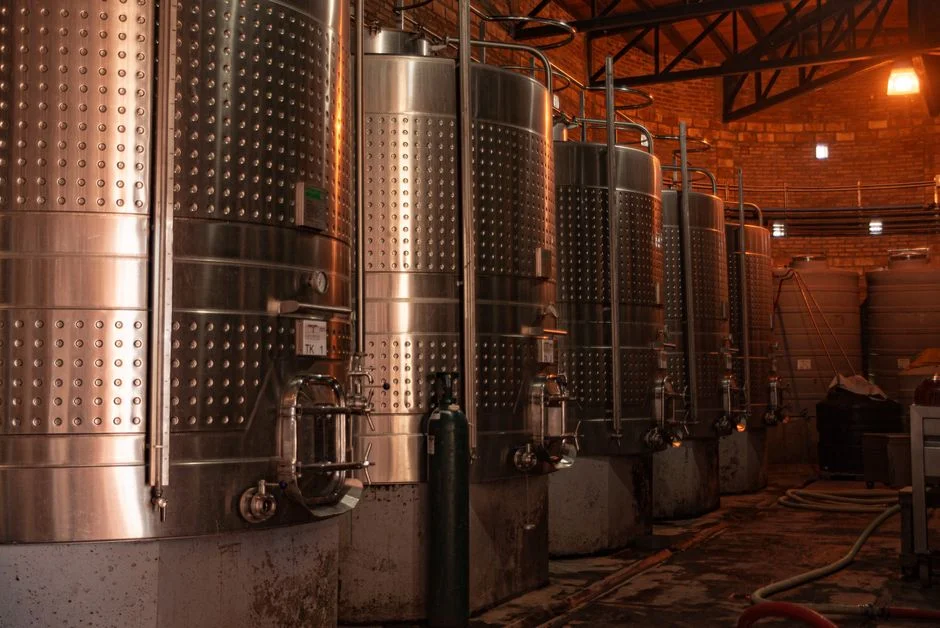
Four core processes cover roughly 90% of Fukuoka industrial bids in 2026: MBR, DAF, UF, and conventional activated sludge (CAS). The decision turns on three questions — target effluent quality, available footprint, and whether reuse or discharge is the endpoint. MBR delivers near-reuse-quality effluent with particles under 1 μm at 60% of the CAS footprint, which is why it's the default for semiconductor and high-purity reuse duties; flow range 10–2,000 m³/day (catalog specs). DAF is the workhorse primary step for food and brewery streams where FOG and SS dominate — flow range 4–300 m³/h, chemical-aided flotation. UF at 0.03 μm PVDF accepts up to 300 ppm turbidity chemical-free and is the standard RO pre-treatment in electronics fabs; flow range 2,000–40,000 L/h (catalog specs). CAS remains the lowest-CAPEX option but struggles with strict COD without tertiary polishing and needs roughly 2.5× the footprint of MBR.
| Process | Typical flow range | Footprint | FOG/SS removal | COD target hit | Reuse suitability | Fukuoka industry fit |
|---|---|---|---|---|---|---|
| MBR | 10–2,000 m³/day | ~60% of CAS | High (combined with DAF) | COD ≤ 30 mg/L achievable | High — <1 μm filtrate | Semiconductor, brewery reuse, food CIP |
| DAF | 4–300 m³/h | Compact | Excellent FOG/SS | Primary only — needs polishing | None standalone | Food processing, brewery, logistics wash |
| UF (0.03 μm PVDF) | 2,000–40,000 L/h | Modular skids | Particulate >0.03 μm | Modest — for TSS polish | High as RO pre-treatment | Electronics/fab RO feed, food water reuse |
| CAS | 50–10,000 m³/day | Large (baseline) | Moderate | COD ≤ 80–120 mg/L only | Low without tertiary | General industry, ample land, moderate limits |
The typical 2026 Fukuoka process train for a food or brewery plant runs rotary bar screen → DAF pre-treatment → MBR polishing → UV or ClO₂ disinfection. For electronics, the train shifts to coarse screening → DAF (for silica and TSS) → UF polishing → RO. Both trains can be anchored by an MBR membrane bioreactor system or a DAF pre-treatment unit on the front end, with a UF polishing system taking the post-biology position in fab and reuse trains.
Sludge Handling and Disinfection in a 2026 Fukuoka Train
Downstream of the biological step, two unit operations quietly drive OPEX: sludge dewatering and disinfection. Lamella clarifiers, specifically high-efficiency sedimentation tanks, are used for chemical sludge and DAF float thickening at 20–40 m/h surface loading rates, cutting coagulant consumption by up to 30% versus conventional clarifiers (catalog data). For solids handling above the clarifier, a plate-and-frame filter press covering 1–500 m² filtration area — manual through PLC-controlled — produces a dewatered cake that determines landfill disposal cost, which is a real OPEX lever in Fukuoka given limited local landfill capacity. The high-efficiency sedimentation tank and plate-and-frame filter press are the standard pairing in 2026 bids.
Disinfection selection is effluent-endpoint driven. UV delivers chemical-free, chlorine-resistant pathogen control and is the right pick for food, brewery, and reuse loops where chlorine residuals are undesirable. Sodium hypochlorite or ClO₂ is the right pick for plants discharging to surface water where residual capacity is needed to meet the receiving-water bacterial standard. The UV sterilizer spec is typically sized to 30–40 mJ/cm² fluence for the standard industrial envelope.
Anaerobic MBR sidestreams are a missed opportunity in most Fukuoka bids. Captured biogas from a properly designed sidestream digester can be fed into Fukuoka's grid under the city's wastewater-to-energy program profiled by WION in 2025 (WION, 2025), turning a disposal liability into a 1–2% CAPEX-offset revenue line in the OPEX model.
2026 CAPEX, OPEX, and the 30% Prefectural Subsidy
CAPEX for a Fukuoka industrial wastewater treatment plant in 2026 is dominated by two variables: bioreactor volume and membrane area (per the Fukuoka WWT cost article). OPEX, by contrast, is dominated by three line items: aeration energy, sludge disposal, and chemical dosing (coagulants and flocculants). The same cost model shows that the 30% Fukuoka Prefectural CAPEX subsidy, applied after eligibility review, reduces net CAPEX and shortens payback materially — but only if the subsidy application is filed before the equipment purchase order, which is a sequencing trap that delays roughly one in three first-time applicants.
| Cost line | Dominant driver | Typical share of OPEX (MBR+DAF train) | Subsidy eligible |
|---|---|---|---|
| Aeration energy | Blower sizing, DO setpoint | 35–45% | No (OPEX) |
| Sludge disposal | Cake dryness, landfill gate fee | 20–30% | No (OPEX) |
| Chemical dosing (coagulants, flocculants) | Influent FOG/SS, target turbidity | 15–25% | Partial (capital dosing skid only) |
| Membrane replacement | Operating flux, CIP frequency | 10–15% (amortized) | No (OPEX) |
| Prefectural CAPEX subsidy (30%) | Eligibility review, applied pre-PO | Reduces net CAPEX by 30% | Yes |
| Biogas/energy recovery | Anaerobic MBR sidestream | Offsets 1–2% of CAPEX annually | No (revenue) |
Representative payback bands for 2026: 3–6 years for an MBR-based reuse train without subsidy, dropping to 2–4 years when the 30% prefectural subsidy is combined with biogas/energy-recovery savings (per the Fukuoka WWT cost article, 2026). Sites discharging low-strength general industry waste on a tight footprint and accepting tertiary COD limits can stretch payback beyond 6 years; sites with high-BOD brewery waste and an anaerobic front end frequently beat the 2-year mark when the subsidy lands on a single equipment PO.
6-Step Selection Workflow for a 2026 Fukuoka Industrial Plant
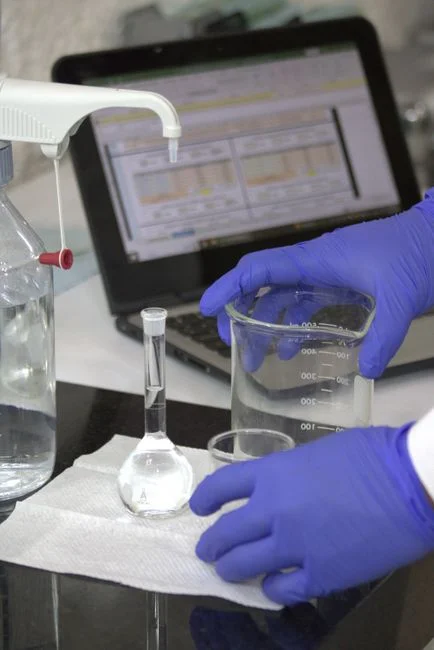
- Characterize influent. Pull at least seven days of composite sampling for flow, COD, BOD, TSS, FOG, pH, and peak factors. Run jar tests on-site to confirm coagulant and flocculant response — never size a DAF or MBR on literature values alone.
- Map the discharge point. Public sewer, river, or Hakata Bay each trigger a different limit tier and a different review path. The discharge point drives whether the design target is the standard industrial envelope or a tighter food/semiconductor reuse spec.
- Choose the core process. DAF + MBR for food, brewery, and mixed Hakata-port logistics; UF + RO for electronics and fab reuse loops; CAS + polishing for general industry with ample land and moderate COD limits.
- Size the train with safety factors. Apply 1.2–1.5× to peak flows, verify noise (≤ 70 dBA at property line during night) and odor limits against Fukuoka's local bylaws, and confirm that the skid footprint fits the available plot including chemical dosing and sludge handling.
- Apply for the 30% prefectural CAPEX subsidy before purchase order. Eligibility review runs 60–90 days, and the subsidy only applies to equipment ordered after approval. Sequencing the automatic chemical dosing system and the RO/UF membrane elements inside the eligible scope is the single highest-ROI administrative step.
- Plan O&M. Lock in membrane CIP protocols, sludge dewatering schedule, and chemical dosing setpoints before commissioning. For reference designs outside Fukuoka, the Makati compliance blueprint and the Melaka engineering guide show parallel compliance and supplier-selection workflows applicable to Japanese sites.
Frequently Asked Questions
What are the 2026 Fukuoka effluent limits for industrial discharge?
The standard industrial envelope under the Water Pollution Control Act and Fukuoka Prefecture effluent standards is COD ≤ 120 mg/L, BOD ≤ 120 mg/L, SS ≤ 200 mg/L, pH 5.8–8.6, and n-hexane extracts ≤ 5 mg/L for public water or public sewer discharge.
How much does the Fukuoka prefectural subsidy cover for wastewater treatment?
The subsidy covers 30% of eligible CAPEX, applied after a 60–90 day eligibility review, and must be approved before the equipment purchase order is placed to remain valid.
Which process train is best for a Hakata brewery or food plant in 2026?
DAF pre-treatment followed by MBR polishing, then UV disinfection, is the dominant 2026 train for Hakata food and brewery streams; breweries with sufficient volume can add an anaerobic sidestream for biogas export to Fukuoka's grid.
Do semiconductor fabs in Fukuoka need additional treatment beyond MBR?
Yes — boron, fluoride, and TMAH targets typically require UF followed by RO polishing after the biological step, and the RO concentrate requires a separate management pathway under the Fukuoka Prefecture addenda.
How long is the payback period for an MBR-based reuse system in Fukuoka?
Typical payback is 3–6 years without subsidy, dropping to 2–4 years when the 30% prefectural CAPEX subsidy is combined with biogas or energy-recovery savings on a properly designed anaerobic MBR sidestream (per the Fukuoka WWT cost article, 2026).