In 2026, industrial facilities in Melaka must treat wastewater to DOE standards of ≤50 mg/L BOD, ≤80 mg/L COD, and ≤30 mg/L TSS—or face RM 500K+ fines and operational shutdowns. Electronics and food processing plants in Melaka Industrial Park report influent COD levels of 1,200–3,500 mg/L and TSS of 800–2,000 mg/L, requiring hybrid systems (e.g., DAF + MBR) to achieve 92–97% removal efficiency. This guide provides DOE-compliant engineering specs, cost models, and a zero-risk supplier checklist to eliminate compliance risks.
Why Melaka’s Industrial Wastewater Treatment Costs Are Rising in 2026
42 industrial facilities in Melaka were collectively fined RM 2.1 million in 2024 for non-compliance with effluent standards, primarily for exceeding Biochemical Oxygen Demand (BOD), Chemical Oxygen Demand (COD), and Total Suspended Solids (TSS) limits, according to the DOE 2024 report. This surge in enforcement actions reflects a broader trend of escalating environmental scrutiny driven by Melaka’s rapid industrial expansion. The Melaka State Economic Report 2024 indicates that the state’s manufacturing output grew by 8.2% year-on-year in 2023, leading to an estimated 12–15% increase in industrial wastewater volumes. This growth, particularly in critical sectors like electronics and food processing, places immense pressure on existing wastewater infrastructure and treatment capabilities.
Influent wastewater quality from these key industries presents significant challenges. Electronics and food processing plants situated within the Melaka Industrial Park, for instance, frequently report influent COD levels ranging from 1,200 to 3,500 mg/L and TSS concentrations between 800 to 2,000 mg/L. These figures are substantially higher than the impending DOE 2026 effluent limits of ≤80 mg/L COD and ≤30 mg/L TSS, necessitating advanced and robust treatment solutions. The financial repercussions of failing to meet these standards are severe. A Melaka food processing plant, for example, recently incurred a RM 500,000 fine and a mandated 30-day operational shutdown after its discharge consistently exceeded TSS limits by over 200%. Such penalties underscore the critical need for Melaka’s industrial facilities to upgrade their wastewater treatment systems to achieve reliable DOE-compliant performance and avoid costly disruptions and fines, which directly impact operational budgets and profitability.
DOE 2026 Effluent Standards for Melaka: What Industrial Facilities Must Achieve
Effective 2026, industrial facilities in Melaka must adhere to stringent Department of Environment (DOE) effluent discharge limits, including a maximum of 80 mg/L for Chemical Oxygen Demand (COD) and 30 mg/L for Total Suspended Solids (TSS). These updated standards, outlined in the Environmental Quality (Industrial Effluent) Regulations 2009 (Amendment 202X), are designed to safeguard Melaka’s waterways and ensure sustainable industrial development. Facilities operating within Melaka’s key industrial zones, such as the Melaka Industrial Park and Tanjung Kling Industrial Area, are under particular scrutiny due to their high wastewater volumes and potential environmental impact.
The DOE’s 2026 enforcement timeline includes intensified quarterly inspections for all industrial facilities, with high-risk operations subject to real-time effluent monitoring systems. Non-compliance will trigger immediate penalties, ranging from RM 10,000 to RM 500,000 per violation, in addition to potential operational suspensions or license revocations. Engineering managers and procurement leads must understand these thresholds to accurately assess their current treatment system’s capabilities and plan for necessary upgrades to ensure continuous operation and avoid substantial financial penalties.
| Parameter | DOE 2026 Effluent Limit (Standard A) |
|---|---|
| Biochemical Oxygen Demand (BOD₅ at 20°C) | ≤50 mg/L |
| Chemical Oxygen Demand (COD) | ≤80 mg/L |
| Total Suspended Solids (TSS) | ≤30 mg/L |
| pH | 6.0–9.0 |
| Oil & Grease | ≤10 mg/L |
| Ammoniacal Nitrogen (NH₃-N) | ≤20 mg/L |
Influent Wastewater Characteristics by Industry in Melaka: Engineering Specs for System Design
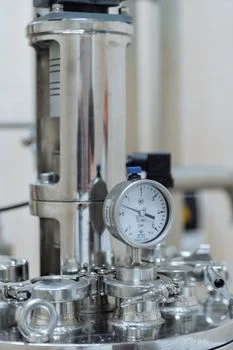
Understanding the specific influent wastewater characteristics of Melaka’s key industries is critical for designing effective and compliant treatment systems, with electronics plants typically facing COD levels between 1,500–3,500 mg/L and food processing facilities managing TSS between 1,000–2,000 mg/L. These high concentrations, coupled with varying chemical compositions, dictate the choice and sizing of industrial wastewater treatment systems. For instance, electronics manufacturing, prevalent in the Melaka Industrial Park, generates wastewater with high COD from solvents and cleaning agents, significant TSS from polishing and etching processes, and often contains heavy metals like nickel.
A 2024 study within the Melaka Industrial Park specifically noted electronics wastewater characteristics including COD 1,500–3,500 mg/L, TSS 800–1,500 mg/L, and nickel concentrations often ranging from 5–20 mg/L. This necessitates robust heavy metal wastewater treatment for Melaka’s electronics plants, typically involving chemical precipitation followed by advanced filtration. In contrast, Melaka’s food processing sector produces wastewater characterized by high organic loads, fats, oils, and greases (FOG). DOE 2023 data for food processing plants in Melaka indicates COD 1,200–2,500 mg/L, TSS 1,000–2,000 mg/L, and oil/grease levels between 200–500 mg/L. The variability in influent quality, particularly due to batch discharges common in food processing, also significantly impacts system sizing, requiring equalization tanks and automated chemical dosing to maintain stable treatment performance.
| Industry Sector (Melaka) | COD (mg/L) | TSS (mg/L) | pH | Oil & Grease (mg/L) | Key Heavy Metals (mg/L) |
|---|---|---|---|---|---|
| Electronics Manufacturing | 1,500–3,500 | 800–1,500 | 4.0–9.0 | <50 | Nickel (5–20), Copper (2–10) |
| Food Processing | 1,200–2,500 | 1,000–2,000 | 5.0–9.0 | 200–500 | N/A |
| Chemical Manufacturing | 1,000–4,000 | 500–1,800 | 2.0–11.0 | 50–300 | Chromium (1–15), Lead (0.5–5) |
| Textile Dyeing | 800–2,000 | 400–1,000 | 6.0–11.0 | <100 | Zinc (0.5–5), Copper (0.5–3) |
Treatment Process Selection for Melaka’s Industrial Wastewater: DAF, MBR, or Hybrid Systems?
Selecting the optimal wastewater treatment technology for Melaka’s industrial facilities hinges on balancing influent characteristics, desired effluent quality, and lifecycle costs, with hybrid DAF-MBR systems proving effective for high-COD/TSS wastewater found in food processing. For industries dealing with high Total Suspended Solids (TSS) and fats, oils, and greases (FOG), such as food processing, Dissolved Air Flotation (DAF systems for high-TSS wastewater in Melaka’s food processing plants) are a primary choice. DAF systems are projected to achieve 70–85% TSS removal for food processing wastewater with influent TSS of 800–2,000 mg/L, at an Operational Expenditure (OPEX) of RM 0.50–0.80/m³ in 2026. Their compact footprint and effectiveness in removing colloidal solids make them suitable for primary treatment.
Conversely, industries with high Chemical Oxygen Demand (COD) and stringent effluent requirements, like electronics manufacturing, often require Membrane Bioreactor (MBR systems for high-COD electronics wastewater in Melaka) technology. MBR systems are capable of achieving over 95% COD removal for electronics wastewater with influent COD ranging from 1,500–3,500 mg/L, consistently meeting DOE 2026 standards. However, MBR systems typically demand a higher Capital Expenditure (CAPEX) of RM 2.5M–5M and an energy consumption of approximately 0.5 kWh/m³ (DOE 2024 benchmarks), reflecting their advanced filtration capabilities. To address the dual challenges of high COD and TSS, particularly in food processing, hybrid DAF-MBR systems offer a balanced approach. These integrated systems can reduce CAPEX by up to 30% compared to standalone MBRs for similar treatment capacities, with a projected OPEX of RM 0.80–1.20/m³ in 2026. A Melaka-based food processing plant successfully implemented a hybrid DAF-MBR system, reducing its COD from 2,200 mg/L to a compliant 60 mg/L, thereby avoiding an estimated RM 300,000 in annual fines.
| Feature | DAF Systems | MBR Systems | Hybrid DAF-MBR Systems |
|---|---|---|---|
| Primary Application | High TSS, FOG (Food Processing) | High COD, low TSS (Electronics, Chemical) | High COD & TSS (Food Processing, Complex Industrial) |
| Typical Influent (Melaka) | TSS 800-2,000 mg/L, O&G 200-500 mg/L | COD 1,500-3,500 mg/L | COD 1,200-2,500 mg/L, TSS 1,000-2,000 mg/L |
| Removal Efficiency | 70-85% TSS, 30-50% COD | >95% COD, >99% TSS | 92-97% COD, >98% TSS |
| Effluent Quality (Typical) | COD >100 mg/L, TSS >50 mg/L | COD <60 mg/L, TSS <5 mg/L | COD <80 mg/L, TSS <10 mg/L |
| Footprint | Medium | Smallest | Medium-Small |
| CAPEX (2026 Proj.) | RM 800K–2M | RM 2.5M–5M | RM 1.8M–3.5M |
| OPEX (2026 Proj.) | RM 0.50–0.80/m³ | RM 1.00–1.50/m³ | RM 0.80–1.20/m³ |
| DOE 2026 Compliance | Requires secondary treatment | Meets directly | Meets directly |
Zero-Discharge Systems for Melaka’s Electronics Sector: RO Post-Treatment and Cost Models

Reverse Osmosis (RO) post-treatment systems are essential for Melaka’s electronics sector to achieve zero-discharge compliance, capable of removing 99% of Total Dissolved Solids (TDS) from treated wastewater, enabling water reuse. The electronics industry, with its high-purity water demands and stringent environmental regulations, increasingly relies on advanced post-treatment to minimize effluent discharge and maximize water recovery. Following primary and secondary treatment, such as MBR, RO post-treatment for zero-discharge compliance in Melaka’s electronics sector ensures that treated water meets the rigorous quality standards for process reuse or even potable applications, effectively eliminating discharge fees and compliance risks.
The Capital Expenditure (CAPEX) for industrial RO systems in Melaka is projected to be between RM 1.5M–3M for 2026, depending on capacity and specific design requirements. Operational Expenditure (OPEX) typically ranges from RM 1.50–2.50/m³, primarily influenced by energy consumption for high-pressure pumps, membrane replacement frequency, and chemical cleaning costs. Achieving high recovery rates (75–90%) is crucial for economic viability, directly impacting the volume of reject concentrate and the overall water footprint. A notable case study in Melaka involves an electronics plant that implemented an RO post-treatment system after its MBR unit. This strategic investment enabled the plant to reduce its discharge fees by 100% and avoid an estimated RM 400,000 in annual fines and penalties, demonstrating the clear Return on Investment (ROI) for DOE-compliant wastewater treatment systems in Johor and Melaka.
| Plant Capacity (m³/day) | Required RO Permeate (m³/day) | Typical Recovery Rate (%) | TDS Influent (mg/L) | TDS Permeate (mg/L) |
|---|---|---|---|---|
| 50 | 40–45 | 80–90 | 500–1,500 | <50 |
| 100 | 80–90 | 80–90 | 500–1,500 | <50 |
| 250 | 187–225 | 75–90 | 750–2,000 | <50 |
| 500 | 375–450 | 75–90 | 750–2,000 | <50 |
CAPEX and OPEX Breakdown for Industrial Wastewater Treatment in Melaka (2026 Projections)
Industrial wastewater treatment systems in Melaka for 2026 range from RM 800,000 to RM 8 million in Capital Expenditure (CAPEX) and RM 0.50 to RM 3.50 per cubic meter in Operational Expenditure (OPEX), depending on technology and effluent requirements. These projections are critical for engineering managers and procurement leads to develop accurate budgets and justify investments in compliance upgrades. For straightforward applications like primary treatment of food processing wastewater, DAF systems represent a lower entry point, with CAPEX typically between RM 800,000 and RM 2 million, and OPEX staying within RM 0.50–0.80/m³ due to relatively lower energy and chemical demands.
More advanced systems, such as MBR for electronics wastewater, command a higher CAPEX of RM 2.5 million to RM 5 million, with OPEX ranging from RM 1.00–1.50/m³. This higher cost reflects the advanced membrane technology, increased automation, and greater energy intensity required for superior effluent quality. Hybrid DAF-MBR systems, often favored by food processing plants seeking full DOE compliance, offer a middle ground with CAPEX estimated at RM 1.8 million to RM 3.5 million and OPEX of RM 0.80–1.20/m³. The most significant investment is in zero-discharge systems, which combine MBR with RO post-treatment, specifically for electronics or high-purity water reuse applications. These systems have a CAPEX of RM 4 million to RM 8 million and an OPEX of RM 2.00–3.50/m³, covering not only energy but also membrane replacement and specialized chemical cleaning. Calculating the Return on Investment (ROI) for these systems involves comparing the combined annual OPEX and avoided fines/discharge fees against the initial CAPEX. For example, a RM 3 million hybrid system that prevents RM 1 million in annual fines and discharge fees could achieve payback in approximately three years, demonstrating a clear financial incentive for proactive investment in industrial wastewater treatment in Melaka.
| System Type | Typical Application | CAPEX (2026 Proj.) | OPEX (2026 Proj.) per m³ |
|---|---|---|---|
| DAF System | Food Processing (Primary) | RM 800K–2M | RM 0.50–0.80 |
| MBR System | Electronics (Secondary/Tertiary) | RM 2.5M–5M | RM 1.00–1.50 |
| Hybrid DAF-MBR | Food Processing (Full Compliance) | RM 1.8M–3.5M | RM 0.80–1.20 |
| Zero-Discharge (MBR+RO) | Electronics (Water Reuse) | RM 4M–8M | RM 2.00–3.50 |
Zero-Risk Supplier Selection Checklist for Melaka’s Industrial Facilities
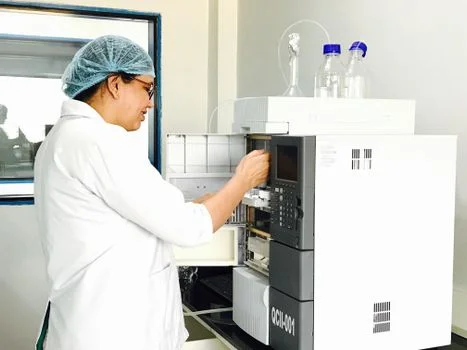
Selecting a Department of Environment (DOE)-certified wastewater treatment supplier with proven local service capabilities and a commitment to on-site pilot testing is critical for Melaka’s industrial facilities to mitigate compliance risks and avoid substantial fines. The complexity of DOE 2026 standards, combined with Melaka’s specific industrial park requirements, necessitates a rigorous supplier evaluation process beyond mere cost comparison. A structured approach ensures that the chosen system not only meets technical specifications but also guarantees long-term operational reliability and regulatory adherence.
Here is a comprehensive checklist for selecting a zero-risk wastewater treatment supplier in Melaka:
- DOE Certification Verification: Confirm the supplier’s proposed systems are listed in the DOE’s 2026 Approved Equipment Register (AER), ensuring pre-approval for use in Malaysia.
- Proven Track Record in Melaka: Prioritize suppliers with demonstrable experience and successful installations within Melaka’s industrial parks (e.g., Melaka Industrial Park, Tanjung Kling), particularly for similar influent profiles.
- On-Site Pilot Testing Capability: Demand on-site pilot testing for high-COD/TSS wastewater (e.g., 3,000 mg/L COD) to validate performance under actual operating conditions before committing to full-scale deployment.
- Comprehensive Engineering & Design: Evaluate the supplier’s engineering team for their ability to provide detailed process flow diagrams, P&IDs, and 3D models tailored to your facility’s unique needs and space constraints.
- Local Service & Support Infrastructure: Ensure the supplier offers 24/7 emergency service availability, spare parts inventory, and trained technicians stationed in Melaka to minimize downtime during critical DOE inspections.
- Performance Guarantees & Warranties: Obtain clear, legally binding performance guarantees for effluent quality and system uptime, backed by robust warranties on equipment and installation.
- Operator Training & O&M Manuals: Assess the quality of operator training programs and comprehensiveness of Operation & Maintenance (O&M) manuals to ensure your team can effectively run and maintain the system.
- Cost Transparency & Lifecycle Analysis: Request a detailed breakdown of CAPEX and OPEX, including projected chemical, energy, and maintenance costs over the system’s lifespan for accurate budgeting.
- Technology Agnosticism: A reputable supplier should recommend the most suitable technology (DAF, MBR, hybrid, RO) based on your influent, not just push proprietary solutions.
- References & Site Visits: Request references from other Melaka-based industrial clients and arrange site visits to observe operational systems and speak with facility managers about their experience.
A Melaka factory recently avoided RM 200,000 in potential fines and operational interruptions by switching to a DOE-certified supplier who provided on-site pilot testing, demonstrating the value of a thorough selection process.
Frequently Asked Questions
Industrial facility managers in Melaka frequently seek clarity on DOE 2026 effluent limits, system costs, optimal technology for specific industries, zero-discharge feasibility, and strategies to avoid non-compliance fines.
What are the DOE 2026 effluent limits for industrial wastewater in Melaka?
The DOE 2026 effluent limits for industrial wastewater in Melaka (Standard A) are: Biochemical Oxygen Demand (BOD₅) ≤50 mg/L, Chemical Oxygen Demand (COD) ≤80 mg/L, Total Suspended Solids (TSS) ≤30 mg/L, pH 6–9, and Oil & Grease ≤10 mg/L.
How much does an industrial wastewater treatment system cost in Melaka in 2026?
For 2026, CAPEX for industrial wastewater treatment systems in Melaka ranges from RM 800,000–2 million for DAF systems, RM 2.5 million–5 million for MBR systems, and RM 4 million–8 million for zero-discharge (MBR + RO) systems. OPEX typically ranges from RM 0.50–0.80/m³ for DAF and RM 1.00–1.50/m³ for MBR.
What is the best wastewater treatment system for food processing plants in Melaka?
For food processing plants in Melaka, hybrid DAF-MBR systems are often recommended. They effectively handle high COD (1,200–2,500 mg/L) and TSS (1,000–2,000 mg/L), achieving 92–97% COD/TSS removal, and typically operate with an OPEX of RM 0.80–1.20/m³, ensuring DOE 2026 compliance.
Can I achieve zero-discharge compliance in Melaka’s electronics sector?
Yes, zero-discharge compliance is achievable in Melaka’s electronics sector using an integrated MBR + RO post-treatment system. This setup removes over 99% of TDS, enabling water reuse. However, it involves a higher CAPEX of RM 4 million–8 million and an OPEX of RM 2.00–3.50/m³.
How do I avoid DOE fines for wastewater non-compliance in Melaka?
To avoid DOE fines, ensure your wastewater treatment system meets 2026 effluent standards. This involves selecting DOE-certified suppliers, requiring on-site pilot testing to validate performance, and ensuring the supplier provides 24/7 local service support in Melaka to prevent operational downtime and ensure continuous compliance.