Why Heavy Metal Wastewater Fails: A 2026 Compliance Reality Check
A recent EPA audit of a leading battery manufacturer in Ohio revealed a critical failure: nickel discharge levels consistently measured at 2.5 mg/L, significantly exceeding the stringent 2026 EPA limit of 1.2 mg/L. This oversight resulted in a staggering $250,000 fine and a temporary operational shutdown, highlighting the severe financial and operational repercussions of inadequate heavy metal wastewater treatment. The evolving regulatory landscape, driven by organizations like the EPA and WHO, is pushing discharge limits for priority metals to unprecedented lows. By 2026, expect to see limits such as 0.1 mg/L for mercury, 1.2 mg/L for lead, and 0.6 mg/L for cadmium. These demanding benchmarks render single-technology systems, such as standalone chemical precipitation, insufficient for most industrial applications. Complex influents characterized by mixed metal types, fluctuating pH levels, and high total dissolved solids (TDS) necessitate a more robust, multi-stage approach. For instance, while chemical precipitation can effectively reduce gross metal concentrations, it often leaves dissolved fractions that still violate compliance standards. Similarly, relying solely on filtration or basic sedimentation will not address the dissolved metal ions that pose the greatest environmental risk.
| Metal | 2026 EPA Limit (mg/L) | 2026 WHO Limit (mg/L) |
|---|---|---|
| Mercury | 0.1 | 0.001 (WHO Guidelines for Drinking Water Quality) |
| Lead | 1.2 | 0.01 (WHO Guidelines for Drinking Water Quality) |
| Cadmium | 0.6 | 0.003 (WHO Guidelines for Drinking Water Quality) |
| Nickel | 1.2 | 0.07 (WHO Guidelines for Drinking Water Quality) |
| Chromium (Total) | 0.5 | 0.05 (WHO Guidelines for Drinking Water Quality) |
| Copper | 2.0 | 2.0 |
| Zinc | 2.8 | 3.0 |
| Arsenic | 0.05 | 0.01 (WHO Guidelines for Drinking Water Quality) |
Heavy Metal Removal Technologies: Mechanisms, Parameters, and Trade-Offs
Effective heavy metal wastewater treatment hinges on understanding the distinct mechanisms and operational parameters of various technologies. Chemical precipitation remains a foundational step for many applications, typically involving the addition of reagents to form insoluble metal hydroxides or sulfides. For hydroxide precipitation, optimal pH ranges are generally between 8.5–11, with dosing ratios for lime (Ca(OH)₂) often around 1.2:1 for nickel and 1.5:1 for copper, yielding approximately 0.5–2 kg of sludge per kg of metal removed (HydropureWater internal data). Sulfide precipitation, effective at pH 7–9, can achieve higher removal efficiencies for certain metals but requires careful management of hydrogen sulfide gas.
Dissolved Air Flotation (DAF) is a critical pre-treatment step, particularly for influents with high suspended solids (TSS). This process utilizes microbubbles (30–50 μm diameter) generated by dissolved air to attach to suspended particles, lifting them to the surface for skimming. A high-efficiency DAF system for heavy metal removal can achieve 95–99% TSS removal. Key design parameters include a hydraulic loading rate of 5–15 m/h and an air-to-solids ratio of 0.02–0.06. DAF is highly effective in reducing the load on downstream processes like membrane filtration.
Reverse Osmosis (RO) is indispensable for removing dissolved metal ions. With membrane pore sizes ranging from 0.0001 to 0.001 μm, RO systems for heavy metal rejection and water reuse can achieve 95–99% rejection of dissolved heavy metals. However, RO membranes are susceptible to fouling from scaling, especially at pH levels above 8, and organic fouling when Chemical Oxygen Demand (COD) exceeds 200 mg/L. Regular cleaning-in-place (CIP) and pre-treatment are essential to maintain performance and lifespan.
Membrane Bioreactors (MBR) offer an integrated solution for both biological treatment and solid-liquid separation, particularly suited for high-COD and low-TSS influents. Submerged polyvinylidene fluoride (PVDF) membranes with pore sizes around 0.1 μm can achieve 92–97% COD removal and produce an effluent with ≤5 mg/L TSS. MBR systems eliminate the need for secondary clarifiers and can significantly reduce the plant footprint. Their energy consumption typically ranges from 0.8–1.5 kWh/m³.
| Technology | Primary Mechanism | Typical Removal Efficiency (Metals) | Key Parameters | Sludge Generation | Susceptibility to Fouling |
|---|---|---|---|---|---|
| Chemical Precipitation | Formation of insoluble metal precipitates | 90-98% (dissolved metals, varies by metal and pH) | pH (8.5-11 for hydroxide), Dosing Ratio (e.g., 1.2:1 lime:Ni), Temperature | 0.5-2 kg/kg metal removed | Sludge settling and dewatering |
| Dissolved Air Flotation (DAF) | Microbubble adhesion and flotation of suspended solids | N/A (removes suspended solids) | Hydraulic Loading Rate (5-15 m/h), Air:Solids Ratio (0.02-0.06), Bubble Size (30-50 μm) | Varies with influent TSS | Air saturation, solids loading |
| Reverse Osmosis (RO) | Semi-permeable membrane filtration under pressure | 95-99% (dissolved metals) | Flux (15-25 LMH), Pressure, Temperature, pH, Feed Water Quality | Concentrate stream (high TDS metals) | Scaling (pH >8), Organic fouling (COD >200 mg/L), Particulate fouling |
| Membrane Bioreactor (MBR) | Biological degradation + membrane filtration | N/A (reduces COD/BOD, removes suspended solids) | Membrane Pore Size (0.1 μm), Flux (10-20 LMH), Mixed Liquor Suspended Solids (MLSS) | Biomass sludge | Membrane fouling (biofouling, cake layer formation) |
Hybrid System Designs for Zero-Discharge Compliance: DAF-RO vs. MBR-RO vs. Chemical Precipitation-RO

Achieving zero-discharge compliance and enabling water reuse necessitates combining technologies into hybrid systems tailored to specific influent characteristics. For mining and metal plating operations with high TSS loads, a DAF-RO system is often optimal. The high-efficiency DAF system for heavy metal removal pre-treats the water, removing up to 99% of suspended solids, thereby protecting the downstream RO systems for heavy metal rejection and water reuse, which then achieves 95% dissolved metal rejection. The CAPEX for a DAF-RO system for 10–100 m³/h can range from $500,000 to $2 million.
For industries with low TSS but high COD, such as semiconductor or pharmaceutical manufacturing, an MBR-RO configuration is highly effective. The MBR systems for low-TSS, high-COD heavy metal wastewater provide robust biological treatment and ultra-fine filtration, reducing COD to below 50 mg/L and TSS to <5 mg/L, while RO ensures near-complete metal removal. This combination can achieve 97% COD removal and 99% metal rejection, with CAPEX typically between $1 million and $5 million for flow rates of 10–200 m³/h.
When dealing with influents characterized by very high concentrations of specific dissolved metals, such as in battery manufacturing, a Chemical Precipitation-RO system offers a cost-effective solution. Initial chemical precipitation can remove up to 90% of the targeted metals, significantly reducing the load on the RO system, which then handles the remaining dissolved fractions. This approach is suitable for flow rates of 5–50 m³/h, with CAPEX ranging from $200,000 to $1 million. Precise chemical dosing is crucial, managed by systems like the precise chemical dosing for pH adjustment and precipitation.
Regardless of the chosen hybrid system, effective sludge management is paramount. Dewatering options like the sludge dewatering for heavy metal wastewater treatment via plate-and-frame filter presses offer high solids capture rates (around 95%), producing a drier cake that minimizes disposal costs. Centrifuges, while faster, typically achieve 90% solids capture.
| Hybrid System | Typical Influent Characteristics | Key Technologies | Primary Benefits | Estimated CAPEX (10-100 m³/h) | Typical Effluent Quality |
|---|---|---|---|---|---|
| DAF-RO | High TSS, moderate to high dissolved metals | Dissolved Air Flotation + Reverse Osmosis | Efficient solids removal, high dissolved metal rejection, suitable for mining/plating | $500K - $2M | TSS < 10 mg/L, Metals < 0.1 mg/L |
| MBR-RO | Low TSS, high COD/BOD | Membrane Bioreactor + Reverse Osmosis | Excellent COD/BOD reduction, high dissolved metal rejection, compact footprint, water reuse | $1M - $5M | COD < 50 mg/L, TSS < 5 mg/L, Metals < 0.1 mg/L |
| Chemical Precipitation-RO | High concentration of specific dissolved metals, low TSS | Chemical Precipitation + Reverse Osmosis | Cost-effective for high metal loads, reduces RO membrane stress | $200K - $1M | Metals < 0.1 mg/L (post-RO) |
2026 Engineering Specs: Flux Rates, Chemical Dosing, and Membrane Lifespan
Designing robust heavy metal wastewater treatment systems requires adherence to specific engineering parameters that differ significantly from standard municipal water treatment. For RO systems treating heavy metal wastewater, flux rates are typically conservative, ranging from 15–25 LMH (Liters per square meter per hour) compared to 30–40 LMH for general water purification. This lower flux helps mitigate membrane fouling, with fouling factors often ranging from 1.2–1.5 for metal plating wastewater to 1.8–2.2 for more challenging mining effluents (HydropureWater design experience). Chemical dosing accuracy is critical for precipitation processes; for example, lime (Ca(OH)₂) is dosed at approximately a 1.2:1 ratio for nickel and 1.5:1 for copper to achieve optimal pH for precipitation, managed effectively by an automatic chemical dosing system.
Membrane lifespan is a key consideration in both CAPEX and OPEX. RO membranes in heavy metal applications typically last 3–5 years, contingent on effective pre-treatment and regular CIP, which should occur every 3–6 months. MBR membranes generally offer a longer service life of 5–7 years, with weekly backwashing being a standard maintenance procedure. Replacement costs vary, with RO membranes costing between $50–$150/m² and MBR membranes ranging from $200–$400/m².
Energy consumption is another vital design parameter. DAF systems typically consume 0.5–1.0 kWh/m³. RO systems require significant energy for pressurization, ranging from 1.5–3.0 kWh/m³. MBR systems, while including aeration for biological processes, fall within a comparable range of 0.8–1.5 kWh/m³.
| Parameter | Typical Range for Heavy Metal Wastewater | Notes |
|---|---|---|
| RO Flux Rate | 15–25 LMH | Lower flux to manage fouling; higher than municipal RO |
| RO Fouling Factor | 1.2–2.2 | Higher factor for challenging influents (e.g., mining) |
| Chemical Dosing (Lime for Ni/Cu) | 1.2:1 to 1.5:1 (reagent:metal) | Dependent on pH and specific metal |
| RO Membrane Lifespan | 3–5 years | Influenced by influent quality and maintenance |
| MBR Membrane Lifespan | 5–7 years | Standard for submerged membrane systems |
| RO CIP Frequency | Every 3–6 months | Essential for maintaining flux and lifespan |
| MBR Backwashing Frequency | Weekly | Standard operational procedure |
| DAF Energy Consumption | 0.5–1.0 kWh/m³ | Primarily for air dissolution and pumping |
| RO Energy Consumption | 1.5–3.0 kWh/m³ | High-pressure pumps are the main consumers |
| MBR Energy Consumption | 0.8–1.5 kWh/m³ | Includes aeration and permeate pumping |
Economic Analysis: CAPEX, OPEX, and ROI for Heavy Metal Wastewater Systems
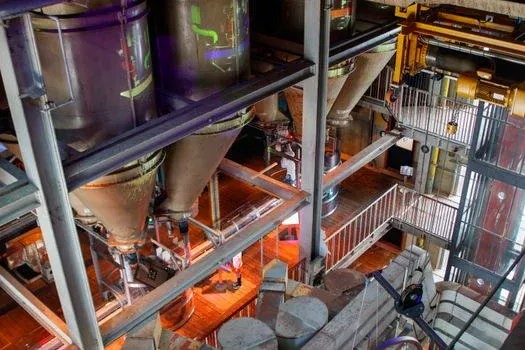
The economic viability of heavy metal wastewater treatment systems is a critical consideration for procurement managers and C-suite executives. Capital expenditures (CAPEX) can vary widely based on the selected technology stack. A basic chemical precipitation and DAF system for smaller flows might range from $200,000 to $1 million. More advanced DAF-RO systems for higher flow rates typically fall between $500,000 and $2 million. For comprehensive zero-discharge and water reuse goals, MBR-RO systems represent a significant investment, ranging from $1 million to $5 million for capacities of 10–200 m³/h. These CAPEX figures often include ancillary costs such as civil works (20–30% of total) and automation and control systems (10–15%).
Operational expenditures (OPEX) are directly influenced by the chosen treatment train and influent characteristics. Chemical precipitation incurs OPEX of $0.50–$2.00/m³, primarily for chemicals and sludge handling. RO systems add $1.00–$3.00/m³ for energy, membrane replacement, and maintenance. MBR systems typically cost $0.80–$2.50/m³, encompassing energy for aeration and pumping, membrane maintenance, and biomass disposal. Key OPEX components include labor (30–40%), energy (20–30%), and consumables like chemicals and membrane replacements (15–25%).
The return on investment (ROI) for these systems is driven by several factors. Water reuse can yield substantial savings, often ranging from 30–50% of the cost of purchasing fresh water. Effective sludge reduction through dewatering can cut disposal costs by 20–40%. Crucially, avoiding EPA fines, which can reach up to $50,000 per day for non-compliance, provides a significant risk mitigation benefit. Financing options such as leasing (10–15% of CAPEX annually), government grants (e.g., EPA WIFIA loans), and performance-based contracts can help manage the initial investment.
| Cost Component | Range for Hybrid Systems (10-100 m³/h) | Breakdown Factors |
|---|---|---|
| CAPEX | $200K - $5M | |
| Chemical Precipitation + DAF | $200K - $1M | |
| DAF-RO | $500K - $2M | |
| MBR-RO | $1M - $5M | |
| Civil Works | 20–30% of total CAPEX | Site preparation, foundations, piping |
| Automation & Controls | 10–15% of total CAPEX | SCADA, sensors, PLC integration |
| OPEX | $0.50 - $3.00/m³ | |
| Chemical Precipitation | $0.50 - $2.00/m³ | Chemicals, sludge disposal |
| RO | $1.00 - $3.00/m³ | Energy, membrane replacement, pre-treatment chemicals |
| MBR | $0.80 - $2.50/m³ | Energy (aeration), membrane maintenance, biomass handling |
| Labor | 30–40% of OPEX | Operators, maintenance staff |
| Energy | 20–30% of OPEX | Pumps, blowers, instrumentation |
| Membrane Replacement | 15–25% of OPEX | RO and MBR membranes |
Frequently Asked Questions
What is the most cost-effective heavy metal wastewater treatment for a small plating shop?
For a small plating shop, chemical precipitation followed by DAF offers the most cost-effective solution, with CAPEX typically ranging from $200,000 to $500,000 and OPEX between $0.50–$1.50/m³. This combination can remove over 90% of common metals like copper and nickel. If zero-discharge or higher purity water is required, adding RO ($500,000–$1 million CAPEX, $1.00–$3.00/m³ OPEX) is necessary.
How do I treat wastewater with mixed heavy metals (e.g., lead + cadmium + mercury)?
Treating wastewater with mixed heavy metals requires a multi-stage approach. A common strategy is: 1) Chemical precipitation, often optimized at a pH of 9–11, to remove up to 90% of these metals. 2) Reverse Osmosis (RO) to reject the remaining 95–99% of dissolved metals. Adhering to EPA limits like 0.1 mg/L for mercury, 1.2 mg/L for lead, and 0.6 mg/L for cadmium is critical.
What are the EPA discharge limits for heavy metals in 2026?
By 2026, the EPA's 40 CFR Part 433 sets stringent limits for industrial wastewater discharge. Key limits include 0.1 mg/L for mercury, 1.2 mg/L for lead, 0.6 mg/L for cadmium, 2.0 mg/L for copper, 2.8 mg/L for zinc, 0.5 mg/L for nickel, 0.5 mg/L for total chromium, and 0.05 mg/L for arsenic.
Can I reuse treated heavy metal wastewater for industrial processes?
Yes, treated heavy metal wastewater can be reused if it meets specific reuse standards, such as <5 mg/L TSS and <50 mg/L COD. Systems like MBR-RO are designed to achieve these stringent effluent quality parameters, enabling reuse in applications like cooling towers (yielding 30–50% water savings) or, if metal concentrations are sufficiently low (<0.1 mg/L), for irrigation.
How often do RO membranes need replacement for heavy metal wastewater?
RO membranes in heavy metal wastewater treatment typically require replacement every 3 to 5 years. Factors influencing this lifespan include influent water quality, the effectiveness of pre-treatment, and the frequency of cleaning-in-place (CIP). Aggressive conditions, such as pH below 4 or COD exceeding 200 mg/L, can accelerate fouling and reduce lifespan. Regular CIP can extend membrane life by 20–30%. The replacement cost is estimated at $50–$150 per square meter.
Further Reading
Explore these in-depth articles on related wastewater treatment topics: