Monterrey's Industrial Water Crisis: Compliance Pressures and Water Scarcity Risks
Monterrey's industrial facilities are at a critical juncture, grappling with stringent NOM-002-SEMARNAT-1996 discharge limits that mandate specific effluent quality, including a maximum of 150 mg/L BOD, 200 mg/L TSS, 15 mg/L FOG, and a pH between 6 and 9. Compounding these regulatory pressures is the escalating risk of water scarcity, a reality underscored by Monterrey's 2023 water stress index of 4.8 out of 5 on the WRI Aqueduct scale. This precarious situation poses a tangible threat of industrial supply cut-offs during drought periods. However, forward-thinking companies are demonstrating that effective wastewater treatment is not just a compliance necessity but a strategic advantage. For instance, the Trane Monterrey facility achieved an impressive 30% water reuse rate in 2023 through their advanced treatment systems, showcasing the potential for significant operational resilience and cost savings. Non-compliance carries substantial financial penalties, with ecological taxes and fines potentially reaching up to 2% of annual revenue, as per SEMARNAT's 2024 guidelines. Monterrey's diverse industrial base, including automotive, electronics, and food processing sectors, contributes to a complex wastewater profile characterized by varying levels of Chemical Oxygen Demand (COD), heavy metals, and salinity. For example, automotive wastewater can exhibit COD levels from 2,000–5,000 mg/L and TSS from 500–1,500 mg/L, while electronics manufacturing often introduces 100–300 mg/L of heavy metals into their effluent. Investing in cost-optimized treatment systems, such as those combining Dissolved Air Flotation (DAF) for up to 95% TSS removal with Membrane Bioreactors (MBR) for near-reuse quality effluent (<1 NTU turbidity), is becoming essential for long-term viability. CAPEX for such systems in Monterrey typically ranges from $800,000 to $2.5 million for flow rates of 50–200 m³/h, heavily influenced by the chosen technology and the extent of pretreatment required.
| Parameter | Typical Influent Range (Monterrey Industries) | NOM-002-SEMARNAT-1996 Limit | Potential Impact of Non-Compliance |
|---|---|---|---|
| Biochemical Oxygen Demand (BOD) | 500 - 2,000 mg/L (Food Processing) | 150 mg/L | Ecological fines, harm to aquatic ecosystems |
| Total Suspended Solids (TSS) | 500 - 1,500 mg/L (Automotive) | 200 mg/L | Clogging of downstream infrastructure, increased treatment costs |
| Fats, Oils, and Grease (FOG) | 50 - 200 mg/L (Food Processing) | 15 mg/L | Emulsification issues, odor problems, potential fire hazards |
| Chemical Oxygen Demand (COD) | 2,000 - 5,000 mg/L (Automotive) | N/A (Covered by BOD/other parameters) | High oxygen depletion in receiving waters |
| Heavy Metals (e.g., Cu, Zn, Ni) | 100 - 300 mg/L (Electronics) | Varies by metal, e.g., Cu: 0.5 mg/L | Toxicity to aquatic life, soil contamination, human health risks |
| pH | 4 - 10 (Varies by process) | 6 - 9 | Harm to aquatic life, corrosion of infrastructure |
| Salinity (TDS) | 1,000 - 5,000 mg/L (Various) | N/A (Local limits may apply) | Impact on agricultural use, corrosion, infrastructure damage |
Engineering Specifications for Monterrey Industrial Wastewater Treatment Systems
Effective wastewater treatment in Monterrey demands a nuanced understanding of influent characteristics and precise engineering specifications. Typical influent from Monterrey's key industries presents distinct challenges: automotive wastewater can contain 2,000–5,000 mg/L of COD and 500–1,500 mg/L of TSS, while electronics manufacturing often discharges effluents with 100–300 mg/L of heavy metals. To address these, a process selection matrix for common contaminants like oil/grease, heavy metals, and high salinity is crucial. For high solids and oil/grease loads, Monterrey-optimized DAF systems are designed for capacities ranging from 4–300 m³/h, reliably achieving up to 95% TSS removal and 90% FOG removal. For facilities aiming for near-potable water quality and significant water reuse, MBR systems, like our MBR series, offer capacities from 10–2,000 m³/day, delivering effluent with less than 1 NTU turbidity and occupying approximately 60% less footprint than conventional systems. Monterrey's hard water, typically ranging from 250–400 ppm CaCO₃, necessitates careful consideration of chemical dosing requirements for effective coagulation, flocculation, and pH adjustment, utilizing precise automatic chemical dosing systems for optimal performance. Pretreatment is a non-negotiable step for Monterrey's industrial wastewater. This typically includes screening to remove large debris, equalization tanks to buffer flow and concentration variations, and pH correction. For instance, an equalization tank might require a retention time of 4–8 hours depending on the diurnal flow variations of the specific industrial process.
| Parameter | DAF System (HydropureWater) | MBR System (HydropureWater MBR Series) | Chemical Treatment (General) |
|---|---|---|---|
| Typical Capacity | 4 - 300 m³/h | 10 - 2,000 m³/day | Scalable based on influent |
| TSS Removal Efficiency | Up to 95% | >99% | Varies (50-90% depending on coagulants/flocculants) |
| FOG Removal Efficiency | Up to 90% | High (indirectly via biological process) | Varies (30-70% depending on chemicals) |
| Turbidity (Effluent) | < 50 NTU | < 1 NTU | Varies (10-50 NTU) |
| Footprint | Moderate | Compact (approx. 60% smaller than conventional) | Varies (can be large for chemical storage) |
| Energy Consumption | Moderate | Moderate to High (aeration/pumping) | Low to Moderate (pumps, mixers) |
| Chemical Usage | Moderate (coagulants, flocculants) | Low (disinfectants, cleaning agents) | High (acids, bases, coagulants, oxidizers) |
| Applicable Contaminants | TSS, FOG, floatable solids | BOD, COD, TSS, nutrients, some heavy metals | Wide range, tailored by chemicals |
| Monterrey Hard Water Consideration | Requires precise chemical dosing for optimal performance | Less sensitive to hardness, but scaling on membranes possible | Significant chemical demand for pH adjustment and precipitation |
| Link | DAF System | MBR System | Chemical Dosing System |
Technology Comparison: DAF vs MBR vs Chemical Treatment for Monterrey Industries
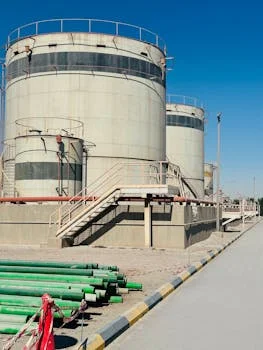
Selecting the optimal wastewater treatment technology for Monterrey industries involves balancing removal efficiencies, footprint, operational costs, and specific contaminant profiles. DAF systems excel in removing suspended solids and FOG, making them ideal for food processing plants like Gissamex's Monterrey facility, which reported 92% TSS removal in a 2024 case study. Their moderate energy consumption and robust performance for high-flow applications are significant advantages. MBR systems, on the other hand, offer superior effluent quality, achieving near-reuse standards (<1 NTU turbidity) and high BOD/COD removal, making them a strong choice for the electronics sector where heavy metal reduction is critical. Their compact footprint is also a major benefit in space-constrained industrial sites. Conventional chemical treatment, while versatile, often requires substantial chemical input and can result in larger sludge volumes. For Monterrey's common contaminants, MBRs are particularly suited for electronics wastewater due to their ability to handle heavy metals, whereas DAF is highly effective for food processing effluent laden with FOG. The Monterrey-specific advantages of MBRs lie in their capacity for water reuse, a critical factor given regional water scarcity. DAF systems offer lower energy consumption for high-flow applications. However, MBRs can be sensitive to influent variability, requiring robust pretreatment, while DAF performance is optimized with careful chemical management. Exploring advanced concepts like CAF system efficiency data for Monterrey's industrial wastewater can also reveal alternative or complementary solutions.
| Parameter | Dissolved Air Flotation (DAF) | Membrane Bioreactor (MBR) | Chemical Treatment |
|---|---|---|---|
| COD Removal Efficiency | Moderate (30-60%) | High (85-95%) | Variable (30-90% depending on chemicals) |
| BOD Removal Efficiency | Moderate (30-60%) | High (90-98%) | Variable (30-90% depending on chemicals) |
| TSS Removal Efficiency | High (90-95%) | Very High (>99%) | Moderate to High (50-90%) |
| Heavy Metal Removal | Limited | Good (with biological uptake and membrane retention) | Good (via precipitation, varies by metal and chemical) |
| Footprint | Moderate | Compact (approx. 60% smaller than conventional) | Variable (can be large) |
| Energy Consumption | Moderate | Moderate to High | Low to Moderate |
| Chemical Usage | Moderate (coagulants, flocculants) | Low (disinfectants, cleaning agents) | High (acids, bases, coagulants, oxidizers) |
| OPEX (Relative) | Moderate | Moderate to High | Moderate to High |
| Best Use Case (Monterrey) | Food processing (FOG, TSS), general pre-treatment | Electronics (heavy metals), high-purity water reuse, stringent effluent standards | Specific contaminant removal, small-scale applications, polishing |
| Monterrey Advantages | Effective for FOG, robust for high flows | Enables water reuse, compact footprint, high effluent quality | Versatile for specific pollutants |
| Limitations | Less effective for dissolved organics, chemical dependent | Can be sensitive to influent shock loads, membrane fouling potential | High chemical costs, sludge generation, complex operation |
| Related Technology Insights | CAF system efficiency data for Monterrey's industrial wastewater | MBR system engineering specs for Monterrey's water reuse projects | Comparative analysis of industrial wastewater treatment in similar regulatory environments |
2025 Cost Breakdown: CAPEX, OPEX, and ROI for Monterrey Wastewater Treatment Systems
Financial planning for industrial wastewater treatment in Monterrey requires a detailed understanding of Capital Expenditure (CAPEX), Operational Expenditure (OPEX), and Return on Investment (ROI). For systems with a capacity of 50–200 m³/h, CAPEX in Monterrey typically ranges from $800,000 to $2.5 million. DAF systems generally fall at the lower end of this spectrum, around $1.2 million, while MBR systems can be higher, averaging $1.8 million, with conventional chemical treatment systems typically costing around $900,000, though this can escalate with complex multi-stage processes. OPEX is a significant ongoing cost, with energy consumption accounting for 30–50% of the total, followed by chemicals at 20–30%, labor at 15–25%, and maintenance at 10–15%. Monterrey-specific cost factors include the need for robust pretreatment due to hard water (250–400 ppm CaCO₃), higher energy demands from elevated ambient temperatures affecting biological processes, and local labor rates. Calculating ROI is essential for project justification. Water reuse savings in Monterrey can range from $0.50–$1.20 per cubic meter, significantly impacting operational costs. avoiding ecological taxes and fines for non-compliance provides a direct financial benefit. The Trane Monterrey case study exemplifies this, reporting a 3-year payback period driven by water reuse and compliance cost savings. Financing options are available for Monterrey industries, including loans from entities like the North American Development Bank (NADBank) and grants from SEMARNAT, as well as private leasing agreements.
| Cost Component | Estimated Range (CAPEX) | Estimated OPEX Percentage | Key Monterrey-Specific Factors |
|---|---|---|---|
| DAF System | $1.0M - $1.5M | Moderate | Chemical dosing optimization for hard water |
| MBR System | $1.5M - $2.2M | Moderate to High | Energy for aeration, membrane cleaning chemicals |
| Chemical Treatment (Basic) | $0.7M - $1.2M | Moderate to High | High chemical consumption for pH, precipitation |
| OPEX Breakdown | N/A | ||
| Energy | N/A | 30-50% | High ambient temperatures, pump operation |
| Chemicals | N/A | 20-30% | Hard water treatment, pH adjustment |
| Labor | N/A | 15-25% | Local labor rates, operator skill requirements |
| Maintenance | N/A | 10-15% | Component wear, membrane replacement (MBR) |
| ROI Drivers | N/A | N/A | |
| Water Reuse Savings | N/A | N/A | $0.50 - $1.20/m³ in Monterrey |
| Compliance Cost Avoidance | N/A | N/A | Avoid fines up to 2% of annual revenue |
| Ecological Tax Reduction | N/A | N/A | Reduced environmental impact fees |
Zero-Risk Equipment Selection Framework for Monterrey Facilities
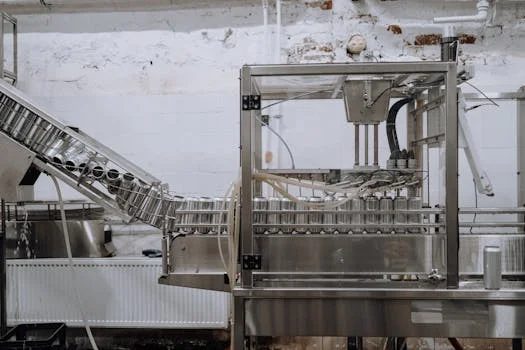
Achieving zero-risk procurement for industrial wastewater treatment systems in Monterrey requires a systematic and data-driven approach. The process begins with comprehensive wastewater characterization, involving on-site analysis and laboratory testing, ideally with CONAGUA-approved labs in Monterrey, to understand the precise influent composition. This is followed by meticulous compliance mapping, ensuring the proposed system meets NOM-002-SEMARNAT-1996, local municipal discharge limits, and any emerging water reuse standards. Technology matching leverages the comparison data to select the most suitable option among DAF, MBR, or chemical treatment based on contaminant removal needs and operational goals. Vendor evaluation is critical, considering local Monterrey suppliers like Gissamex and TQI alongside international manufacturers, and verifying their adherence to CONAGUA certification requirements. Pilot testing, with a recommended duration of 4–8 weeks, is essential for validating performance against key indicators and interpreting collected data. Finally, contract negotiation should include robust performance guarantees, comprehensive O&M agreements, and confirmation of local service availability. This structured framework minimizes unforeseen issues and ensures a successful, long-term investment.
Frequently Asked Questions
What are the primary NOM standards for industrial wastewater discharge in Monterrey?
The primary standard is NOM-002-SEMARNAT-1996, which sets limits for parameters such as BOD (150 mg/L), TSS (200 mg/L), FOG (15 mg/L), and pH (6-9). Compliance with these limits is mandatory for all industrial discharges in Mexico.
How does water scarcity impact industrial wastewater treatment choices in Monterrey?
Water scarcity drives the need for advanced treatment systems capable of achieving high levels of water reuse, such as MBRs. This reduces reliance on municipal supply and mitigates risks associated with drought-induced cut-offs, as demonstrated by the Trane Monterrey facility's 30% reuse rate.
What is the typical CAPEX for an industrial wastewater treatment system in Monterrey for a 100 m³/h flow rate?
For a 100 m³/h system, CAPEX in Monterrey typically ranges from $1.5 million to $2 million, depending on the selected technology (DAF, MBR, or chemical treatment) and the complexity of pretreatment required.
How can Monterrey industries ensure compliance with local discharge limits?
Ensuring compliance involves accurate wastewater characterization, selecting treatment technologies that meet or exceed NOM-002-SEMARNAT-1996 limits, regular system monitoring, and working with reputable vendors who understand local regulations and offer robust support.
What are the key OPEX components for wastewater treatment systems in Monterrey?
The main OPEX components are energy (30-50%), chemicals (20-30%), labor (15-25%), and maintenance (10-15%). Monterrey's hard water and high ambient temperatures can increase chemical and energy costs respectively.