In 2025, factories in Kalimantan must meet Indonesia’s strict effluent limits—150 mg/L BOD, 250 mg/L COD, and 50 mg/L TSS (Minister of Environment Regulation No. 5/2014)—or face real-time monitoring violations and penalties. Palm oil mills, mining operations, and plywood plants face unique challenges: high FOG loads, heavy metals, and lignin-rich wastewater. This guide provides Kalimantan-specific engineering specs, cost benchmarks (IDR 1.2–4.5 billion for 50–500 m³/h systems), and a zero-risk compliance checklist to help factories select the right treatment technology for their industry.
Why Kalimantan’s Factories Are Failing Wastewater Compliance in 2025
While 77% of Indonesia’s industrial wastewater was safely processed in 2022, only 42% of textile factories met Chemical Oxygen Demand (COD) limits in 2023, according to Ministry of Environment data. This compliance gap extends to Kalimantan’s key industries, where specific effluent characteristics pose significant challenges for existing treatment infrastructure. Palm oil mills in Kalimantan, for instance, frequently face FOG violations, with effluent often exceeding the 10 mg/L limit due to inadequate pre-treatment processes. Implementing DAF systems for palm oil wastewater treatment in Kalimantan has shown to reduce FOG by over 90%, based on 2024 field data from South Kalimantan, significantly improving compliance. Conversely, mining operations in East Kalimantan struggle with heavy metal discharge, exceeding the 0.1 mg/L chromium limit by 5–10 times. While chemical precipitation at pH 9–11 is an effective method for heavy metal removal, it increases sludge disposal costs by 15–20% compared to biological systems. Plywood factories in South Kalimantan contend with lignin-rich wastewater, which complicates biological treatment. MBR systems for plywood wastewater treatment in South Kalimantan can achieve 92–97% COD removal, but they require robust pre-treatment to prevent membrane fouling from lignin, as highlighted in analysis of plywood industrial wastewater treatment. The regulatory environment is also tightening; industrial estates like JIIPE and Karawang now utilize real-time monitoring systems, imposing fines up to IDR 2 billion for violations under Law 32/2009, making proactive compliance critical for industrial wastewater treatment in Kalimantan Indonesia.
Kalimantan’s Effluent Limits: What Factories Must Achieve in 2025
Factories operating in Kalimantan must adhere to a combination of national and localized effluent discharge standards to ensure compliance by 2025. The national limits, stipulated by Minister of Environment Regulation No. 5/2014, set a baseline for key parameters: 150 mg/L BOD, 250 mg/L COD, 50 mg/L TSS, and a pH range of 6–9. However, Kalimantan wastewater treatment standards include stricter, industry-specific limits. Palm oil mills, for example, must achieve a maximum FOG concentration of 10 mg/L, while mining operations are mandated to meet a chromium limit of 0.1 mg/L, according to local environmental agency data. Plywood factories in South Kalimantan face additional regional water quality targets, including a lignin limit of 50 mg/L, which necessitates specialized treatment approaches. industrial facilities located within designated estates, such as JIIPE, are subject to real-time monitoring requirements, necessitating the reporting of pH, COD, and TSS levels every 15 minutes as per JIIPE 2024 guidelines. Local governments in Balikpapan and Samarinda frequently enforce even stricter limits, particularly for factories situated near ecologically sensitive areas or major river systems, reflecting the fragmented yet stringent regulatory environment for Indonesia effluent limits 2025.
| Parameter | National Limit (Minister of Environment Regulation No. 5/2014) | Palm Oil Mills (Kalimantan Specific) | Mining Operations (Kalimantan Specific) | Plywood Factories (South Kalimantan Specific) |
|---|---|---|---|---|
| BOD | 150 mg/L | 150 mg/L | 150 mg/L | 150 mg/L |
| COD | 250 mg/L | 250 mg/L | 250 mg/L | 250 mg/L |
| TSS | 50 mg/L | 50 mg/L | 50 mg/L | 50 mg/L |
| pH | 6–9 | 6–9 | 6–9 | 6–9 |
| FOG | Not Specified | 10 mg/L | Not Specified | Not Specified |
| Chromium | Not Specified | Not Specified | 0.1 mg/L | Not Specified |
| Lignin | Not Specified | Not Specified | Not Specified | 50 mg/L |
3 Wastewater Treatment Systems Proven for Kalimantan’s Industries
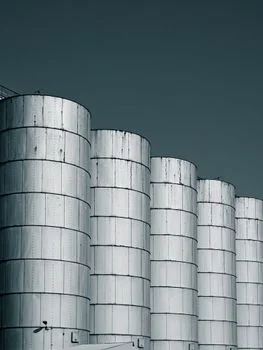
Selecting the appropriate wastewater treatment technology is paramount for factories in Kalimantan to meet stringent effluent limits and optimize operational efficiency. Three primary systems have demonstrated robust performance across the region's diverse industrial effluents: Dissolved Air Flotation (DAF), Membrane Bioreactors (MBR), and Chemical Precipitation.
DAF Systems for Palm Oil Mills
DAF systems for palm oil wastewater treatment in Indonesia are highly effective for removing high concentrations of Fats, Oils, and Grease (FOG) and suspended solids, which are prevalent in palm oil mill effluent (POME). These systems typically achieve over 90% FOG removal and reduce COD by 60–70% by using micro-bubble technology to float contaminants to the surface for automatic skimming. HydropureWater's DAF systems, for example, are designed to handle flow rates ranging from 4 to 300 m³/h, providing a scalable solution for various mill capacities. The compact footprint and continuous operation make DAF an ideal pre-treatment or primary treatment step for POME, significantly reducing the load on downstream biological processes. For further comparison, understanding DAF vs IAF systems for FOG removal in palm oil mills can help in optimizing selection.
MBR Systems for Plywood Factories
MBR systems for industrial wastewater are particularly well-suited for treating complex effluents like those from plywood factories in South Kalimantan, which are characterized by high organic loads and lignin. These advanced biological treatment systems achieve exceptional effluent quality, with 92–97% COD removal and filtration down to <1 μm, making the treated water suitable for reuse. MBR systems offer a compact footprint, often 60% smaller than conventional activated sludge systems, which is advantageous for space-constrained industrial sites. However, lignin-rich wastewater can pose a significant membrane fouling risk. Effective pre-treatment, such as using lamella clarifiers with surface loadings of 20–40 m/h, is crucial to remove larger suspended solids and reduce the fouling potential, ensuring the longevity and stable performance of the MBR membranes.
Chemical Precipitation for Mining
For mining wastewater Kalimantan, which often contains high concentrations of heavy metals like chromium and lead, chemical precipitation is a proven and robust treatment method. This process involves adjusting the wastewater pH to 9–11, causing the dissolved heavy metal ions to precipitate as insoluble hydroxides. This method can remove over 99% of heavy metals, effectively meeting stringent discharge limits. A 2024 mining case study from East Kalimantan demonstrated successful chromium removal to below 0.1 mg/L using this approach. However, a significant drawback of chemical precipitation methods for heavy metal removal is the generation of 30–50% more sludge compared to biological systems, which translates to higher sludge handling and disposal costs. Integrating a DAF system post-precipitation can enhance the removal of precipitated solids and further polish the effluent.
| System Type | Primary Industry Use | Key Performance Data | Footprint (m²/m³/day) | Energy Consumption (kWh/m³) | Maintenance Requirements |
|---|---|---|---|---|---|
| DAF System | Palm Oil Mills (FOG, TSS) | 90%+ FOG removal, 60-70% COD reduction | 0.5-1.0 | 0.3-0.6 | Regular skimming, sludge removal, pump checks |
| MBR System | Plywood Factories (High COD, Lignin) | 92-97% COD removal, <1 μm filtration | 0.5-1.5 (60% smaller than conventional) | 0.8-1.2 | Membrane cleaning (CIP/CEB), pre-treatment maintenance, blower checks |
| Chemical Precipitation | Mining (Heavy Metals like Cr, Pb) | 99%+ heavy metal removal (pH 9-11) | 1.0-2.0 | 0.4-0.8 | Chemical dosing, pH control, sludge dewatering, pump maintenance |
Cost Breakdown: CAPEX and OPEX for Kalimantan’s Factories
Understanding the capital expenditure (CAPEX) and operational expenditure (OPEX) is critical for factories in Kalimantan planning industrial wastewater treatment in Kalimantan Indonesia upgrades. CAPEX benchmarks for wastewater treatment systems vary significantly based on technology and capacity. For DAF systems with capacities ranging from 50–200 m³/h, CAPEX typically falls between IDR 1.2–2.5 billion. MBR systems, offering higher treatment quality and a smaller footprint, command a higher CAPEX, ranging from IDR 2.8–4.5 billion for capacities of 50–500 m³/h. These figures are consistent with broader Indonesia’s regional wastewater treatment challenges and cost structures.
OPEX is influenced by several factors: energy consumption, chemical usage, and labor. Energy costs typically range from 0.3–1.2 kWh/m³ depending on the system type and efficiency. Chemical costs, particularly for pH adjustment and coagulants in chemical precipitation or nutrient dosing in biological systems, can add IDR 500–1,500/m³ to the operational budget. Labor requirements generally involve 1–2 operators per shift for routine monitoring and maintenance.
Kalimantan-specific cost factors can significantly impact overall expenses. Remote factory locations often add 10–15% to equipment transport and installation costs. mining operations in Kalimantan face substantial sludge disposal costs, which can reach IDR 200–400 million per year due to the hazardous nature of heavy metal-laden sludge and the need for specialized licensed facilities.
Calculating the Return on Investment (ROI) helps justify these significant investments. Palm oil mills, for example, can typically recover their CAPEX in 3–5 years through reduced fines from FOG violations, potential water reuse, and improved operational stability. Mining operations, despite higher sludge disposal costs, can see a payback period of 5–7 years by avoiding heavy metal discharge penalties and maintaining operational licenses. Factories can also explore financing options, such as government grants for environmental compliance or EPC (Engineering, Procurement, and Construction) contracts, and leverage tax incentives for adopting compliant wastewater treatment systems.
| Cost Category | DAF Systems (50-200 m³/h) | MBR Systems (50-500 m³/h) | Chemical Precipitation (50-500 m³/h) |
|---|---|---|---|
| CAPEX (IDR Billion) | 1.2 – 2.5 | 2.8 – 4.5 | 1.5 – 3.0 (Excl. Sludge Dewatering) |
| OPEX - Energy (kWh/m³) | 0.3 – 0.6 | 0.8 – 1.2 | 0.4 – 0.8 |
| OPEX - Chemicals (IDR/m³) | 500 – 1,000 | 200 – 500 | 1,000 – 1,500 |
| OPEX - Labor (Operators/shift) | 1 | 1 – 2 | 1 – 2 |
| Kalimantan Transport Factor | +10-15% of equipment cost | +10-15% of equipment cost | +10-15% of equipment cost |
| Mining Sludge Disposal (Annual) | N/A | N/A | IDR 200 – 400 Million |
| Typical ROI Period | 3 – 5 years | 4 – 6 years (with water reuse) | 5 – 7 years (due to sludge) |
Zero-Risk Compliance Checklist for Kalimantan’s Factories
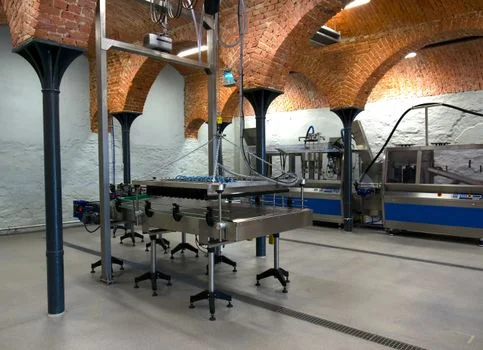
Achieving and maintaining compliance with Kalimantan wastewater treatment standards requires a systematic approach, especially with the tightening of Indonesia's 2025 environmental regulations. This checklist provides actionable steps for factories to minimize compliance risks and ensure smooth operations.
- Pre-treatment Optimization: Implement robust pre-treatment systems tailored to your industry's specific effluent. For palm oil mills, installing DAF systems is crucial for effective FOG removal before biological treatment. Mining operations must integrate chemical precipitation for heavy metals like chromium and lead to meet stringent discharge limits.
- Real-Time Monitoring Integration: Equip your facility with real-time sensors for pH, COD, and TSS, aligning with JIIPE 2024 guidelines for continuous data reporting. Budget IDR 150–300 million per year for calibration, maintenance, and compliance reporting to local environmental agencies. Proactive monitoring helps identify excursions before they lead to fines.
- Effective Sludge Management: Invest in efficient sludge dewatering solutions, such as plate-and-frame filter presses for sludge dewatering, to achieve 20–30% solids content. This reduces sludge volume and disposal costs. Ensure all sludge is disposed of at licensed hazardous waste facilities, budgeting IDR 200–400 million per year for mining operations due to the nature of heavy metal sludge.
- Comprehensive Documentation & Training: Maintain meticulous records for a minimum of 5 years, including effluent test results, maintenance logs for all treatment equipment, chemical usage data, and operator training certificates, as mandated by Law 32/2009. Regularly train operators on system operation, troubleshooting, and emergency response procedures.
- Proactive Inspection Preparedness: Understand common inspection triggers, such as neighbor complaints, unusual odors, or river water quality alerts reported by local communities. Conduct internal audits regularly to identify and rectify potential non-compliance issues before regulatory inspections. Ensure all permits and licenses are current and readily accessible.
How to Select the Right System for Your Kalimantan Factory
Selecting the optimal wastewater treatment system for your Kalimantan factory involves a systematic evaluation of your industry, effluent characteristics, treatment capacity, budget, and specific compliance goals. A clear decision framework can streamline this complex process.
- Industry Match First: Begin by aligning the treatment technology with your primary industry's unique effluent profile. For palm oil wastewater treatment Indonesia, DAF systems are the go-to for effective FOG and TSS removal. Plywood wastewater treatment South Kalimantan, characterized by high COD and lignin, typically benefits most from MBR systems. Mining wastewater Kalimantan, laden with heavy metals, necessitates chemical precipitation, often followed by a DAF or clarification step for solids removal.
- Determine Required Capacity: Evaluate your factory's current and projected wastewater flow rates. DAF systems are suitable for small to medium flows (4–300 m³/h). MBR systems offer flexibility for a wider range, from 10–2,000 m³/day, ideal for applications requiring high-quality effluent for reuse. Chemical precipitation systems can handle 10–1,000 m³/h, depending on the reactor design.
- Assess Budget & ROI: Consider both CAPEX and OPEX. DAF systems generally have the lowest CAPEX (IDR 1.2–2.5 billion), making them attractive for initial investments. MBR systems have a higher CAPEX but often offer lower OPEX in the long run, especially when factoring in the value of water reuse. Chemical precipitation can have moderate CAPEX but higher OPEX due to chemical consumption and sludge disposal costs. Factor in the ROI from reduced fines and potential water savings.
- Verify Compliance & Future-Proofing: Ensure the selected system can consistently meet 2025 effluent limits and any stricter local regulations. MBR systems, for example, can produce effluent of reuse quality (<50 mg/L COD), providing a future-proof solution for water scarcity. Chemical precipitation systems are essential for reliably meeting stringent heavy metal limits, such as 0.1 mg/L chromium. This decision tree—starting with effluent limits, matching to industry, selecting system type, calculating CAPEX/OPEX, and verifying compliance—provides a robust pathway to choosing the right industrial wastewater treatment in Kalimantan Indonesia solution.
Frequently Asked Questions
Factory managers and environmental engineers in Kalimantan frequently have specific questions regarding compliance, costs, and technology for industrial wastewater treatment. Here are some common inquiries:
What are the penalties for violating Indonesia’s wastewater limits in 2025?
Factories face severe penalties for violating Indonesia's wastewater limits, as stipulated by Law 32/2009. These can include fines up to IDR 2 billion, temporary shutdowns of operations, and even criminal charges for repeat or egregious violations. Industrial estates like JIIPE enforce real-time wastewater monitoring JIIPE with automatic fines for pH or COD excursions, meaning compliance failures can result in immediate financial repercussions.
How much does a DAF system cost for a 100 m³/h palm oil mill in Kalimantan?
For a 100 m³/h palm oil wastewater treatment Indonesia, the CAPEX for a DAF system typically ranges from IDR 1.8–2.2 billion. The OPEX for such a system would be approximately IDR 800–1,200/m³ for chemicals (coagulants, flocculants) and energy. These systems are highly effective, offering FOG removal efficiency of 90%+ and reducing downstream COD by 60–70%.
Can MBR systems handle lignin-rich wastewater from plywood factories?
Yes, MBR system for industrial wastewater can effectively treat lignin-rich wastewater from plywood factories, achieving 92–97% COD removal and producing reuse-quality effluent (typically <50 mg/L COD). However, pre-treatment is critical to prevent membrane fouling. Installing lamella clarifiers with a surface loading of 20–40 m/h is recommended to remove larger suspended solids and reduce the lignin load before it reaches the MBR membranes.
What are the chromium limits for mining wastewater in East Kalimantan?
The national chromium limit for industrial wastewater in Indonesia is 0.1 mg/L. However, local environmental agencies in East Kalimantan may enforce stricter limits, potentially as low as 0.05 mg/L, especially for factories situated near protected areas or sensitive water bodies. Chemical precipitation at pH 9–11 is highly effective, removing over 99% of chromium, but factories should budget for increased sludge disposal costs, which can be 15–20% higher than for biological sludge.
How can factories in Kalimantan reduce wastewater treatment costs?
Factories in Kalimantan can significantly reduce industrial wastewater treatment in Kalimantan Indonesia costs through several strategies. Implementing MBR systems allows for water reuse, reducing fresh water consumption and discharge volumes. Investing in efficient sludge dewatering solutions, such as filter presses, minimizes sludge volume and associated disposal costs. Additionally, exploring government grants or subsidies for environmental compliance can offset initial CAPEX. For palm oil mills, the ROI from reduced fines and water savings often means CAPEX can be recovered in 3–5 years.