Bandung’s industrial wastewater treatment is defined by strict effluent limits (e.g., COD ≤ 100 mg/L, TSS ≤ 50 mg/L per Indonesia’s Ministry of Environment Regulation No. 5/2014) and limited centralized capacity—Bojongsoang WWTP treats just 32,000 m³/day for industrial reuse, leaving most factories to invest in decentralized systems. This guide provides 2025 engineering specs for textile, food processing, and semiconductor plants, including process parameters, compliance thresholds, and zero-risk equipment selection criteria to avoid fines and operational risks.
Bandung’s Industrial Wastewater Challenge: Why Decentralized Treatment is Non-Negotiable
Bojongsoang WWTP treats only 32,000 m³/day for industrial reuse as of 2024, while Bandung’s textile sector alone generates approximately 50,000 m³/day of effluent according to West Java Environmental Agency reports. The massive deficit in centralized infrastructure means Bandung’s municipal system covers less than 20% of total industrial wastewater volume. Consequently, factories in industrial hubs like Bojongsoang, Dayeuhkolot, and Majalaya are legally required to manage on-site treatment to meet Indonesia’s effluent standards, specifically COD ≤ 100 mg/L and TSS ≤ 50 mg/L.
The financial risks of non-compliance are escalating. In 2023, a textile factory in Dayeuhkolot was fined IDR 1.5 billion (USD 95,000) for discharging effluent with a Total Suspended Solids (TSS) level of 500 mg/L, ten times the legal limit of 50 mg/L. Enforcement trends in the Citarum River basin have shifted toward zero-tolerance for visible dye discharge and high Fats, Oils, and Grease (FOG) concentrations. Regulatory bodies are increasingly utilizing "naming and shaming" tactics and temporary operational suspensions for repeat offenders.
Environmental degradation in Bandung is further complicated by land-use changes and inadequate solid waste management. Industrial plants failing to treat wastewater effectively cause high organic load and chemical toxicity, severely impacting the Citarum River, a vital water source for downstream agriculture and domestic use. Decentralized treatment is a critical operational strategy to mitigate the risk of forced shutdowns and ensure water security in a region where freshwater costs are rising and centralized capacity remains stagnant.
To address these challenges effectively, understanding industry-specific wastewater profiles and treatment goals becomes essential for Bandung’s key sectors.
Industry-Specific Wastewater Profiles: Influent Parameters and Treatment Goals for Bandung’s Key Sectors
Textile effluent in Bandung regency typically presents chemical oxygen demand (COD) levels between 800 and 1,500 mg/L alongside intense color concentrations reaching 2,000 Pt-Co. These plants often operate with a pH range of 9 to 12 due to mercerization and dyeing processes. To achieve compliance with Indonesia’s Class III standards, these facilities must reduce COD to ≤ 100 mg/L and color to ≤ 50 Pt-Co. This requires a multi-stage approach, often involving primary chemical coagulation followed by advanced biological treatment.
In the food processing sector, particularly within the Bojongsoang industrial zone, influent profiles are dominated by high organic loads. Typical parameters include FOG between 500 and 2,000 mg/L and Biological Oxygen Demand (BOD) ranging from 1,000 to 3,000 mg/L. The target effluent for these facilities is significantly more stringent, requiring FOG levels of ≤ 10 mg/L and BOD ≤ 50 mg/L. Without specialized grease removal, high FOG levels rapidly foul downstream biological membranes and piping infrastructure.
The emerging semiconductor sector in Bandung introduces complex heavy metal contaminants. Influent typically contains Nickel (5–20 mg/L), Copper (10–50 mg/L), and Fluoride (50–200 mg/L). Meeting the PP No. 82/2001 standards—which require Ni ≤ 0.1 mg/L and Cu ≤ 0.2 mg/L—necessitates high-precision chemical precipitation and often tertiary Reverse Osmosis (RO). Failure to remove these metals results in irreversible environmental toxicity and severe legal penalties.
| Sector | Key Parameter | Influent Range (mg/L) | Target Effluent (mg/L) | Compliance Standard |
|---|---|---|---|---|
| Textile | COD / Color | 800–1,500 / 2,000 Pt-Co | ≤ 100 / ≤ 50 Pt-Co | Regulation No. 5/2014 |
| Food Processing | FOG / BOD | 500–2,000 / 1,000–3,000 | ≤ 10 / ≤ 50 | Class III Standards |
| Semiconductor | Ni / Cu / F | 5–20 / 10–50 / 50–200 | ≤ 0.1 / ≤ 0.2 / ≤ 2.0 | PP No. 82/2001 |
For facilities targeting high-efficiency removal, DAF systems for Bandung’s textile and food processing plants offer a robust solution for primary solids and grease management. For plants aiming for water closed-loop systems, MBR systems for reuse-quality effluent in Bandung’s industrial zones provide the necessary filtration precision to meet process water requirements.
Treatment Technology Deep Dive: How to Match Process to Bandung’s Industrial Wastewater
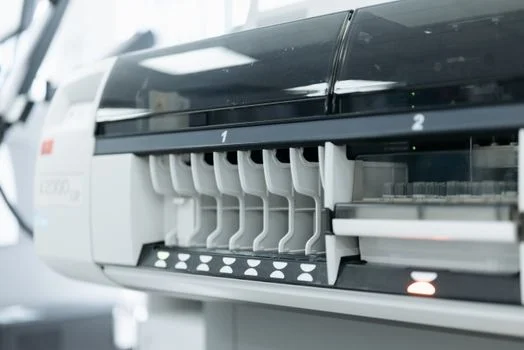
Dissolved Air Flotation (DAF) systems achieve 95-99% removal efficiency for fats, oils, and grease (FOG) by utilizing microbubbles between 20 and 50 µm in diameter. DAF technology is essential for pre-treatment in Bandung’s textile and food sectors. For instance, how DAF systems remove 95%+ FOG using microbubble physics involves saturating water with pressurized air, which then forms bubbles that attach to suspended particles, floating them to the surface for mechanical skimming. A PT. X textile plant in the region successfully reduced influent FOG from 1,200 mg/L to just 8 mg/L using this method, protecting downstream biological units.
Membrane Bioreactor (MBR) systems represent the gold standard for wastewater reuse in Bandung. Utilizing PVDF membranes with a 0.1 µm pore size, MBRs achieve effluent TSS of <10 mg/L and COD <30 mg/L. Compared to conventional activated sludge, MBRs provide a compact footprint and superior stability. A food processing plant in Bojongsoang recently implemented an MBR system, allowing them to reuse 80% of their treated water and reducing their reliance on expensive groundwater and municipal supplies by 40%.
For the semiconductor industry, heavy metal removal requires specialized chemical dosing and precipitation. By maintaining a pH between 9 and 11, metals like Nickel and Copper are precipitated as hydroxides and removed via clarification or RO. Engineering specs for semiconductor nickel wastewater treatment in Bandung show that 99.9% removal efficiency is achievable, bringing Nickel levels from 20 mg/L down to 0.02 mg/L. This is often paired with PLC-controlled chemical dosing for heavy metal removal in Bandung’s semiconductor plants to ensure precise reagent usage and consistent compliance.
| Technology | Target Contaminants | Removal Efficiency | Estimated CAPEX (IDR) | OPEX (IDR/m³) | Suitability |
|---|---|---|---|---|---|
| DAF | FOG, TSS, Dyes | 90–99% | 450M – 1.2B | 800 – 1,200 | Textile / Food Pre-treatment |
| MBR (DF) | COD, BOD, TSS | 95–99% | 1.5B – 4B | 1,500 – 2,500 | Water Reuse / Textile |
| Chemical Dosing | Heavy Metals, pH | 99%+ | 200M – 600M | 500 – 1,000 | Semiconductor / Plating |
| RO Purification | TDS, Metals | 98%+ | 800M – 2.5B | 2,000 – 3,500 | Semiconductor / High-grade Reuse |
For tertiary polishing and high-purity requirements, RO water purification systems are integrated to remove dissolved solids and trace metals that biological systems cannot address.
Compliance and Costs: Navigating Bandung’s Regulatory Landscape and Budget Constraints
Indonesia’s effluent standards, specifically PP No. 82/2001 (Class III), mandate strict limits: COD ≤ 100 mg/L, BOD ≤ 50 mg/L, TSS ≤ 50 mg/L, and pH 6–9. Heavy metal limits are even more stringent, with Nickel capped at 0.1 mg/L and Copper at 0.2 mg/L.The economic argument for decentralized treatment is compelling when compared to municipal fees. The Bojongsoang WWTP currently charges approximately IDR 2,500/m³ for industrial discharge. In contrast, decentralized systems such as WSZ series underground integrated plants involve a CAPEX of IDR 1.2 billion to 5 billion for 10–100 m³/h capacities, but offer an OPEX of only IDR 1,200 to 2,000/m³. This represents a 30–40% reduction in ongoing operational costs. For a detailed comparison, see the detailed CAPEX/OPEX breakdowns for decentralized wastewater treatment systems.
Return on Investment (ROI) for these systems is driven primarily by water reuse. A textile plant investing IDR 3 billion in a combined DAF and MBR system can recoup the investment in approximately 3.5 years. This calculation is based on an annual savings of IDR 850 million in freshwater procurement costs. The ROI formula used by procurement teams is: (Annual Savings - Annual OPEX) / CAPEX = Payback Period. By treating wastewater to reuse standards, factories insulate themselves against municipal water price hikes and regulatory fines simultaneously.
Zero-Risk Equipment Selection: A Step-by-Step Framework for Bandung’s Industrial Plants
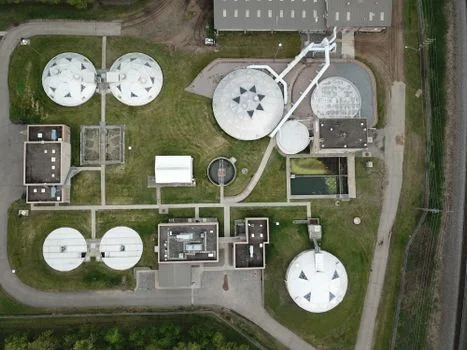
A structured equipment selection framework begins with characterizing influent parameters to ensure treatment technologies align with specific Indonesia Class III effluent limits. Following this step-by-step process reduces the risk of underperforming assets and regulatory failure.
- Step 1: Characterize Wastewater: Conduct a 24-hour composite sampling to determine average and peak loads for pH, COD, BOD, TSS, FOG, and heavy metals.
- Step 2: Define Compliance and Reuse Goals: Identify whether the goal is simple discharge (Class III limits) or high-grade reuse (e.g., <10 mg/L TSS for cooling towers or process water).
- Step 3: Select Technology Sequence: Use the technology matrix. For example, a textile plant requires DAF for FOG/Color pre-treatment, followed by MBR for COD/BOD removal, and chemical dosing for final pH adjustment.
- Step 4: Size for Peak Flow and Footprint: Ensure the system can handle 1.5x average hourly flow. A 50 m³/h textile plant would require a