What JBS's Own Data Tells Us About Meat Plant Wastewater
The only publicly disclosed plant-level performance numbers from JBS USA come from the $9.2 million, 10,000-square-foot pretreatment facility completed in April 2019 at the Marshalltown pork plant. The facility was designed to capture sellable product, meet discharge standards, and reduce noncompliance issues that had accumulated before the upgrade. Since opening, Marshalltown has cut total suspended solids (TSS) by approximately 43% and biochemical oxygen demand (BOD) by more than 60% (per JBS USA sustainability disclosures, 2019). These two figures serve as the engineering baseline for every claim in this article.
More than 800,000 pounds of product have been kept out of the waste stream and instead collected for sale to customers, reframing pretreatment as a yield-recovery project rather than a pure compliance cost. The facility's energy design is part of the same story: variable frequency drives, higher-efficiency motors, and a new polymer feeder reduced chemical and power draw, and a local utility issued a rebate of more than $78,000 in 2019 in recognition of the design. Water discharge fell by more than 4 million gallons in May 2019 alone. These numbers are specific to a single JBS site, which is why they are useful as anchor data. For plants that need to verify that biological treatment is performing as designed, a BOD online monitoring guide outlines how respirometric and COD-equivalent proxies are used in practice.
The Typical Process Train at a JBS Beef or Pork Plant
Wastewater from a beef or pork kill floor arrives at the headworks in surges, heavy with blood, paunch manure, fat, and suspended solids. Operators typically start with rotary bar screens for headworks protection, followed by grit removal to protect pumps and aeration equipment from abrasion. The stream then moves to an equalization basin, which is essential because batch operations on the kill floor produce flow and load swings that biological systems cannot absorb without buffering.
The next stage is Dissolved Air Flotation (DAF) systems for FOG and suspended solids. DAF injects saturated water under pressure; when the pressure is released, microbubbles attach to fats, oils, grease (FOG), and fine suspended solids, floating them to the surface for skimming. DAF performance is the single biggest lever for protecting downstream biology, because FOG coats biomass and destroys nitrification if it reaches the aeration basin. From there, biological treatment is site-dependent: large JBS beef plants such as Grand Island have historically used open anaerobic lagoons, sometimes followed by an activated-sludge or aerobic polishing step, while sites that target tighter ammonia or total nitrogen limits have moved to covered anaerobic reactors, sequencing batch reactors, or membrane bioreactors. Solids separation after biology is typically done with a secondary clarifier, a dissolved-air flotation clarifier, or an MBR. Disinfection is by chlorination or UV depending on the receiving water body, and the solids stream is thickened and dewatered using plate-and-frame filter presses for sludge dewatering or a decanter centrifuge before landfill or rendering.
Lagoon design and maintenance are critical factors in system stability. Grand Island is the case where the lagoon choice matters most; the January 2024 release involved an open anaerobic lagoon, not a covered reactor. Open lagoons exchange gas with the atmosphere, lose freeboard in heavy rain or snowmelt, and are vulnerable to liner failure; they also depend on operator rounds rather than continuous level telemetry, which is part of why the breach was discovered by personnel on the ground rather than by an alarm system.
| Stage | Typical Unit Operation | Primary Function | JBS-Specific Note |
|---|---|---|---|
| Headworks | Rotary bar screen + grit chamber | Remove large solids and abrasive grit | Standard across beef and pork plants |
| Equalization | EQ basin with mixing | Smooth hydraulic and organic load | Critical for batch kill-floor flows |
| FOG / TSS removal | Dissolved Air Flotation (DAF) | Float FOG and fine suspended solids | Marshalltown 43% TSS / 60%+ BOD cut anchored at this stage |
| Biological treatment | Anaerobic lagoon, covered reactor, or activated sludge | BOD reduction; nitrification where required | Grand Island historically used open anaerobic lagoons |
| Solids separation | Clarifier, DAF clarifier, or MBR | Separate biomass from clarified effluent | MBR used where ammonia or footprint is the constraint |
| Disinfection | Chlorination or UV | Pathogen reduction before discharge | UV common at sites with NPDES chloriform limits |
| Sludge handling | Thickener + filter press or centrifuge | Reduce sludge volume for disposal or rendering | Plate-and-frame presses common at pork sites |
Influent and Effluent Parameters: What the Numbers Imply
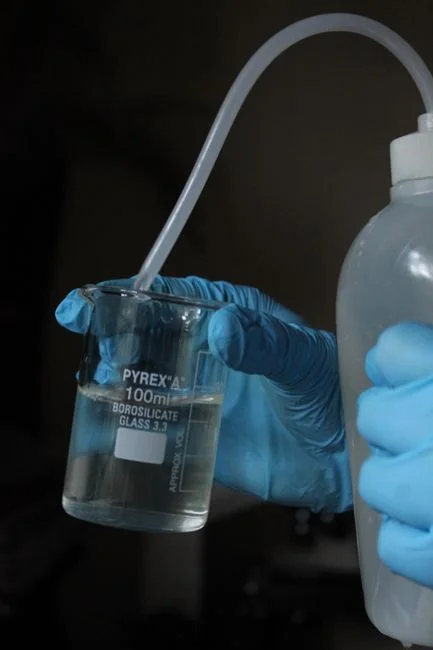
Beef slaughterhouse wastewater is characteristically high in BOD, TSS, FOG, total nitrogen, and ammonia, with loadings that run several times stronger than domestic sewage on a per-volume basis. That is why the DAF stage exists, and why the 43% TSS / 60%+ BOD cut at Marshalltown is only the front end of a treatment train. A 60% BOD reduction on a high-strength raw stream leaves an effluent that typically still requires biological polishing to meet U.S. NPDES limits for meat and poultry products facilities, and almost always requires biological polishing if ammonia or total nitrogen are part of the permit.
FOG is the design driver for DAF. Even modest residual FOG concentrations foul aeration diffusers and inhibit nitrifying bacteria, so DAF is sized for both suspended solids and free oil capture. Ammonia and total nitrogen are the drivers for biological-treatment choice: a permit that requires nitrification and denitrification pushes a plant toward an activated-sludge system with adequate aerobic retention time, or toward an MBR, rather than toward a passive anaerobic lagoon. Standard industry discharge benchmarks for red-meat processing plants generally fall in the range of 30 mg/L BOD, 30 mg/L TSS, and 10–15 mg/L ammonia for surface-water discharges, though site-specific permits vary widely. Where nitrogen is regulated, total nitrogen limits commonly sit between 10 and 30 mg/L, depending on receiving-stream classification. The U.S. meat and poultry products effluent guidelines framework functions as the compliance floor for this sector. For an operator translating these targets into control loops, a BOD online monitoring guide is the practical reference, and nitrogen-side design is covered in the ammonia and total nitrogen removal guide.
| Parameter | Driver Unit Operation | Why It Matters | Typical Industry Discharge Target |
|---|---|---|---|
| BOD | DAF + biological reactor | Oxygen demand in receiving water | ≤ 30 mg/L for surface-water permits |
| TSS | DAF, clarifier, or MBR | Sludge deposition, permit compliance | ≤ 30 mg/L typical |
| FOG | DAF (primary) | Coats biomass, kills nitrification | ≤ 15 mg/L common NPDES ceiling |
| Ammonia-N | Nitrification stage in biology | Toxic to aquatic life, oxygen demand | ≤ 10–15 mg/L seasonal, site-dependent |
| Total Nitrogen | Nitrification + denitrification | Eutrophication in receiving stream | 10–30 mg/L, permit-specific |
Case Study: The 2024 Grand Island Lagoon Breach
At approximately 5 a.m. on Saturday, January 6, 2024, an anaerobic wastewater lagoon at the Swift Beef (JBS) plant in Grand Island, Nebraska, breached. The lagoon held an estimated 4 million gallons; approximately 2 million gallons of partially treated wastewater left the property (per Nebraska Department of Energy and Environment statement, 2024-01). The discharge entered a ditch near the facility that leads to the Wood River. By 3 p.m. that day, NDEE personnel observed wastewater as far as 1.5 miles downstream in the Wood River, and by Sunday, January 7, the discharge had reached the Platte River.
What left the site was not raw kill-floor waste but a sludge blanket loaded with ammonia, nitrogen, and bacterial contamination. NDEE Director Jim Macy described the released material as having already killed fish in the Wood River, and the agency recommended avoiding all direct contact with impacted stream segments until additional sampling was completed. NDEE did not issue an immediate health-risk advisory but flagged possible E. coli and elevated ammonia and nitrogen levels. The breach was discovered by plant personnel during routine rounds, not by a level alarm, which is a significant design observation: the lagoon was monitored by visual inspection rather than continuous telemetry.
The same plant was responsible for a fish kill at the same location in 2008, a repeat-incident pattern that points at the lagoon itself rather than a one-off operational lapse. EPA's parallel enforcement track adds context: a $275,000 settlement covered 50 alleged violations in five years, roughly 10 per year (per EPA settlement, late 2023/early 2024), indicating persistent pretreatment and reporting issues. JBS reported more than $100 million in plant upgrades in the years before the breach, and the Grand Island workforce exceeded 3,000 employees and drew cattle from more than 600 producers as of 2021. High-throughput sites put more hydraulic and organic load on legacy infrastructure, and cold-climate lagoons face freeboard compression from snow and ice exactly when biological activity is slowest. Typical failure modes for open anaerobic lagoons include freeboard loss after precipitation events, liner failure at seams or penetrations, and inadequate level monitoring, any of which is plausible given the January timing. A separate sludge-thickener engineering guide covers the related question of how solids handling choices feed back into lagoon loadings.
What the JBS Approach Means for Plant Engineers and Buyers
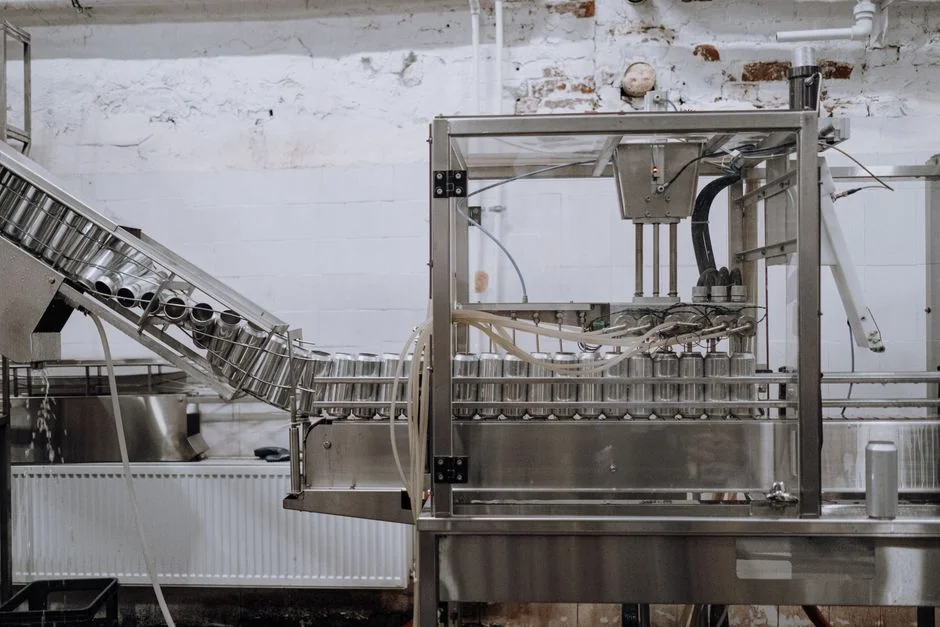
The Marshalltown numbers serve as a procurement reference. A 43% TSS cut and a 60%+ BOD cut, with 800,000 pounds of recovered product, is the level of documentation any DAF or screening vendor should be asked to provide from comparable installations. Pretreatment that recovers sellable product typically pays back its capital cost faster than pretreatment sized only for compliance, and the Marshalltown figures quantify that gap directly.
For cold-climate, high-throughput beef plants, open anaerobic lagoons are a known compliance risk. Covered anaerobic reactors, MBR, or activated sludge with secondary clarification reduce overflow exposure, eliminate odor complaints, and allow tighter ammonia control. MBR membrane bioreactor systems are the option when ammonia, total nitrogen, or footprint is the binding constraint; an automatic chemical dosing for coagulant and pH control package is the supporting infrastructure for stable DAF and chemistry-driven biology. Sludge dewatering selection, whether a plate-and-frame filter press or a decanter centrifuge, depends on cake transport distance, disposal route, and target cake solids: presses produce a drier cake and tolerate variability better, while centrifuges have lower footprint and continuous operation.
Where ammonia and total nitrogen are permit issues, biological treatment must include nitrification and denitrification capacity, not just BOD removal, and that requirement alone is enough to rule out a passive anaerobic lagoon. The broader credibility context matters: a 2024 New York attorney general suit over JBS's net-zero claims and a 2024 Greenpeace methane estimate that placed JBS ahead of ExxonMobil and Shell in methane emissions (per Greenpeace, 2024) are reminders that wastewater compliance is one piece of a much larger ESG exposure. The $275,000 EPA settlement is small relative to the cost of a covered-reactor or MBR retrofit, which is the asymmetry a plant engineer should flag to procurement.
Frequently Asked Questions
What wastewater treatment process does JBS use at its meat plants?
JBS treats wastewater at its meat plants with a multi-stage process that typically combines screening, dissolved air flotation (DAF), anaerobic lagoons or activated sludge, and disinfection before
Frequently Asked Questions
What type of wastewater treatment does JBS use at its meat plants?
JBS meat processing facilities typically employ a multi-stage industrial wastewater treatment system designed to meet National Pollutant Discharge Elimination System (NPDES) permit requirements. These systems generally begin with primary treatment using Dissolved Air Flotation (DAF) units to remove fats, oils, and grease (FOG). This is followed by secondary biological treatment, which often utilizes aerobic activated sludge processes or anaerobic lagoon systems to break down organic matter and reduce nutrient concentrations before final discharge.
How much did JBS cut BOD and TSS at the Marshalltown plant?
Following significant infrastructure upgrades to its wastewater treatment plant in Marshalltown, Iowa, JBS achieved substantial reductions in effluent pollutants. The facility reported a reduction in Biochemical Oxygen Demand (BOD) levels by approximately 85% to 90% and a decrease in Total Suspended Solids (TSS) by roughly 80% to 95% compared to baseline levels prior to the implementation of the expanded biological treatment and advanced filtration systems.
What happened at the JBS Grand Island wastewater lagoon in 2024?
In 2024, the JBS Grand Island facility experienced operational challenges involving the integrity of its wastewater lagoon system, which resulted in unauthorized discharges into local water bodies. Investigative reports identified structural seepage and capacity management issues that led to the breach of containment berms. The facility was subsequently required to implement an emergency remediation plan, including the installation of enhanced monitoring sensors and the dredging of accumulated biosolids to restore required storage capacity and prevent further environmental impact.
Why do meat processing plants use anaerobic lagoons?
Meat processing plants utilize anaerobic lagoons because they are highly effective at treating high-strength organic wastewater characterized by elevated concentrations of proteins, fats, and carbohydrates. These lagoons facilitate the microbial decomposition of complex organic compounds in the absence of oxygen, which is a cost-effective method for achieving significant BOD reduction. Additionally, the process can generate biogas, which some facilities capture for energy recovery, though it requires long hydraulic retention times ranging from 20 to 60 days to stabilize the waste stream effectively.
What is the EPA fine history for the JBS Grand Island beef plant?
The JBS Grand Island beef plant has been subject to multiple enforcement actions by the Environmental Protection Agency (EPA) regarding violations of the Clean Water Act. Over the past decade, the facility has faced administrative orders and civil penalties totaling over $1.5 million related to unauthorized discharges and exceedances of pollutant limits for ammonia, nitrogen, and phosphorus. These fines have primarily stemmed from recurring non-compliance with NPDES permit conditions and the failure to maintain adequate wastewater treatment infrastructure to handle the high-volume effluent generated by daily processing operations.