Why Beverage Wastewater Is a Nitrogen Removal Problem in 2026
Beverage effluent — soft drink, juice, brewery, bottled water — typically carries 2,000–15,000 mg/L COD, 1,200–8,000 mg/L BOD₅, 40–300 mg/L total nitrogen (TN), 10–80 mg/L total phosphorus, pH 4–11, and runs at 25–38°C, with sharp swings driven by CIP cycles and sugar batching. Most of the carbon is readily biodegradable, but the BOD₅/TN ratio collapses below 4 during product changeovers because raw water and product carryover dilute the carbon while a continuous ammonia load (from label adhesives, cleaning agents, and yeast lysis in breweries) keeps the nitrogen stream steady. At that ratio, the heterotrophic denitrifiers run out of electron donor and the system goes carbon-limited — that is the root engineering pain point on every beverage line trying to hit China GB 27631 or EU BAT-AEL ≤15 mg/L TN.
Enforcement is tightening in 2026. China's GB 27631-2011 framework is being tightened through provincial 2024–2025 updates that move TN limits toward 15 mg/L on new and major-expansion discharges (per the 2024 GB amendment pathway). The EU BAT-AEL food, drink and milk BREF (2024 update) sets a TN emission level of 10–15 mg/L for direct discharge to receiving waters. In the US, 40 CFR 407 sets BOD₅/TSS limits for the beverage products point-source category, with state nutrient overlays (e.g., Florida, North Carolina) layering TN controls. What changes the game for engineers is the rising body of carrier-aided biofilm evidence: a 2024 HPB study using ceramic powder carriers reported 28–39% higher denitrification-related Nor gene abundance than conventional activated sludge and sustained ≤15 mg/L TN, which is why MBBR, IFAS, and MBR carrier systems keep beating CAS on beverage streams (Springer, 2024-11).
Core Process Train: Nitrification Followed by Denitrification
Every mainstream beverage nitrogen removal train is built on two reactions. In Stage 1, autotrophic nitrifiers oxidize NH₄⁺ → NO₂⁻ → NO₃⁻, consuming 4.57 g O₂ per g NH₄-N oxidized and 7.14 mg CaCO₃ alkalinity per mg NH₄-N converted. Nitrifiers are slow growers (μmax ≈ 0.3–0.7 d⁻¹ at 25°C) and sensitive to dissolved O₂ ≥2 mg/L, pH 7.2–8.0, and free ammonia inhibition above 10–15 mg/L NH₃-N — so the aerobic basin must be sized for SRT ≥10 d at winter temperatures and protected from CIP pH and temperature shocks. Below 10°C, the ammonia removal rate drops roughly 50% per 10°C drop (Q₁₀ ≈ 2–3), which is why unheated beverage plants in temperate zones default to enclosed or MBR configurations for winter compliance.
In Stage 2, heterotrophic denitrifiers reduce NO₃⁻ → N₂ using a carbon electron donor. The stoichiometric demand is 2.86 g COD per g NO₃-N, and complete denitrification requires COD/N ≥6 in the anoxic zone. When the influent BOD₅/TN is <4, the engineer is forced into external carbon dosing. 2026 bulk pricing in North America and EU typically lands at $0.35–$0.55/kg for methanol and $0.70–$1.10/kg for sodium acetate; brewery and juice plants increasingly route raw wastewater or glycerol sidestreams into the anoxic basin to substitute for purchased methanol, but they have to equalize the carbon or the dose rate will hunt. The microbial foundation for shortcut nitrogen pathways (anammox, CANON) is well established (Schmidt et al., 2003) and is what makes partial-nitritation + anammox commercially viable at industrial scale today rather than a research curiosity.
Process Options for Beverage Plants: A/O, A2O, MBR, and Nitritation-Anammox
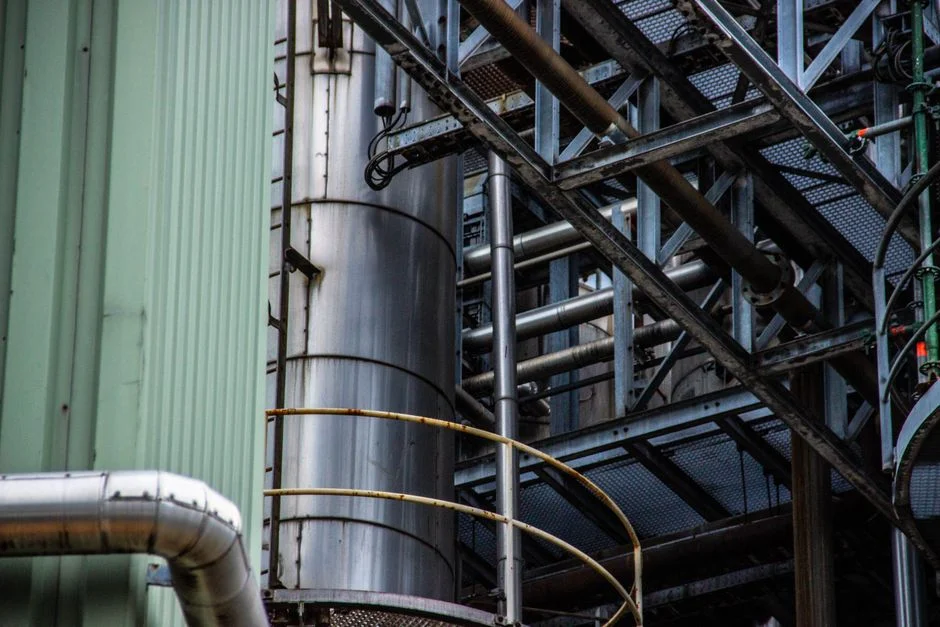
Four trains dominate 2026 beverage plant selection. A/O (anoxic/oxic) is the lowest-cost baseline, with HRT 8–14 h, MLSS 3,000–5,000 mg/L, mixed-liquor recycle 200–400%, and TN removal 60–80% — adequate when BOD/TN stays >5 and flow is stable. A2O adds an anaerobic head-end for biological phosphorus removal with internal recycle 100–300% and reaches 70–85% TN, 80–95% TP removal, which is the configuration of choice when the plant must also hit TP ≤0.5 mg/L under tightening GB 27631-2024 enforcement.
MBR hybrids combine a pre-anoxic basin with a membrane aeration basin using submerged PVDF flat sheet MBR modules at 0.1–0.4 μm nominal pore size, operating at MLSS 8,000–12,000 mg/L and achieving 85–95% TN removal with a footprint roughly 60% smaller than CAS at the same load — the biomass retention and complete solids capture let the engineer hold long SRT (20–40 d) and still keep mixed liquor manageable. The full packaged MBR membrane bioreactor system is the typical 2026 spec for beverage plants chasing reuse water for CIP or bottle rinsing. Huang et al. (2024) confirmed that biodegradable and inert carriers in low-C/N reactors both boost attached-growth denitrification and shift the microbial community toward more efficient nitrogen pathways, which is the same mechanism IFAS brings to an MBR retrofit.
Nitritation-anammox (partial-nitritation + ANAMMOX) is the fourth option and the most energy-efficient when it fits. By suppressing nitrite-oxidizing bacteria at DO 0.3–0.8 mg/L, 30–35°C, and SRT 1–3 d, roughly half the ammonia is converted to nitrite and then anaerobically combined with the remaining ammonia to N₂. Aeration energy drops 40–60% versus full nitrification, methanol demand collapses to near zero, and TN removal lands at 80–90% — but the influent NH₄⁺ should be >100 mg/L and temperature should stay above 20°C year-round for the anammox biomass to hold its activity.
| Process Train | HRT (h) | MLSS (mg/L) | TN Removal (%) | Footprint vs CAS | Best-Fit Beverage Stream |
|---|---|---|---|---|---|
| A/O | 8–14 | 3,000–5,000 | 60–80 | 1.0× (baseline) | Stable flow, BOD/TN >5, no TP limit |
| A2O | 10–16 | 3,500–5,500 | 70–85 | 1.0–1.1× | TP ≤0.5 mg/L required, brewery/juice |
| MBR hybrid | 6–10 (membrane bay) | 8,000–12,000 | 85–95 | 0.35–0.4× | Footprint-constrained sites, reuse target |
| Nitritation-anammox | 4–8 | 3,000–4,000 (granular) | 80–90 | 0.5–0.6× | NH₄⁺ >100 mg/L, T >25°C year-round |
Design Parameters and Effluent Targets by Process Train
For spreadsheet-ready design, the four trains sort cleanly across SRT, DO setpoint, and F/M ratio. A2O and MBR are the workhorses when winter temperatures drop below 15°C; nitritation-anammox is the highest-efficiency pick when the stream is warm, concentrated, and well equalized. The Nor-gene uplift reported for HPB carriers (28–39% higher than CAS, Springer 2024) is the same biological lever MBBR/IFAS and carrier-augmented MBR use, and it shows up as more stable nitrate endpoints at low C/N.
| Parameter | A/O | A2O | MBR | Nitritation-Anammox |
|---|---|---|---|---|
| HRT total (h) | 8–14 | 10–16 | 6–10 | 4–8 |
| SRT (d) | 10–20 | 15–25 | 20–40 | Granular/washout managed |
| MLSS (mg/L) | 3,000–5,000 | 3,500–5,500 | 8,000–12,000 | 3,000–4,000 |
| DO setpoint (mg/L) | 1.5–2.5 | 1.5–2.5 (oxic) | 1.5–2.5 (membrane tank) | 0.3–0.8 |
| MLR / internal recycle (%) | 200–400 | 200–400 + 100–300 | 300–500 | n/a (single-stage) |
| F/M (d⁻¹) | 0.15–0.30 | 0.12–0.25 | 0.08–0.15 | 0.05–0.10 |
| Effluent NH₄-N (mg/L) | <5 | <5 | <2 | <5 |
| Effluent NO₃-N (mg/L) | 5–15 | 5–12 | 3–8 | 2–6 |
| Effluent TN (mg/L) | 10–20 | 8–15 | 5–12 | 5–12 |
The 2026 compliance anchors are concrete. China GB 27631 sets NH₄-N ≤5 mg/L and TN ≤15 mg/L (some 2024 provincial updates drive TN toward 10 mg/L on new builds). EU BAT-AEL food/drink/milk BREF (2024) targets TN 10–15 mg/L for direct discharge; verify the exact AEL band against the latest 2024 BREF consolidation before publishing. US 40 CFR 407 sets the federal BOD₅/TSS envelope for beverage products, with state nutrient overlays (e.g., Florida FDEP, NC DEQ) typically adding TN ≤3–8 mg/L where the receiving water is impaired. Below 15°C, nitritation-anammox TN removal drops 30–50% — beverage plants with cold winters should default to A2O or MBR rather than rely on anammox activity alone.
Pretreatment and Equalization: Protecting the Nitrogen Train
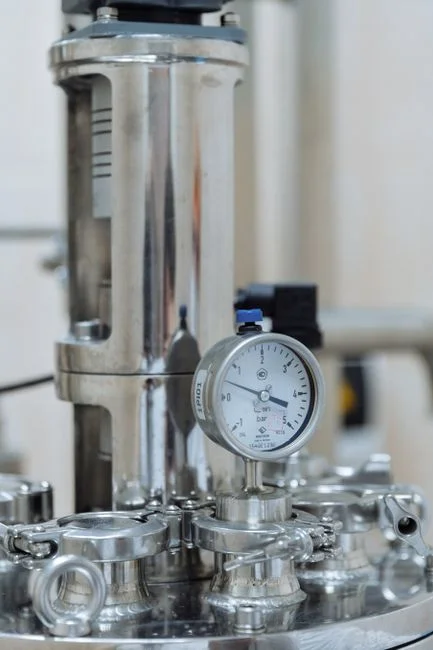
The nitrogen train will not survive a poorly specified headworks. A rotary bar screen headworks at 3–5 mm aperture protects downstream nitrification biomass from bottle fragments, label stock, and pulp fibers that are routine in juice and beer lines; finer screening below 2 mm is worth the extra OPEX only if MBR membranes are downstream. Equalization is non-negotiable on beverage lines: an 8–24 h HRT buffer tank dampens the CIP surges that swing pH from 4 to 11 and COD from 1,000 to 25,000 mg/L within an hour. Automatic chemical dosing skids with caustic or CO₂ trim the equalized stream to pH 6.8–7.5 before it hits the biological train, which is the single biggest lever for preventing nitrification crashes after CIP events. For high-FOG streams — citrus oils in juice lines, syrup residues, brewery trub — a DAF pre-treatment unit ahead of the equalization basin typically removes 60–85% of fats, oils, and grease and protects the anoxic denitrifiers from floating scum blankets.
Process Selection Matrix for 2026 Beverage Plants
Run the influent numbers through these rules and the train choice falls out. The four standard rules below cover roughly 90% of beverage plant applications; the rest is a hybrid case with polish. 2026 CAPEX/OPEX class ranges below are regional benchmarks — actual pricing varies by region and should be confirmed against a current vendor or government benchmark before quoting.
| Decision Rule | Selected Train | CAPEX Class | OPEX Class | Reuse Compatible | Operator Skill |
|---|---|---|---|---|---|
| BOD/TN >6, flow <100 m³/d, no TP limit | A/O | $ | $ | Partial | Standard |
| TP ≤0.5 mg/L required, moderate TN | A2O | $$ | $$ | Partial | Standard |
| Footprint-constrained site or reuse ≥50% | MBR hybrid | $$$ | $$ | Yes (with RO polish) | Moderate-High |
| NH₄⁺ >150 mg/L, T stable >25°C | Nitritation-anammox | $$$ | $ | Partial | High |
| 50–80% reuse, bottling plant, TP required | A2O + MBR + RO polishing for reuse | $$$$ | $$$ | Yes | High |
For bottling plants pursuing 50–80% reuse for CIP and bottle rinsing, the most defensible 2026 spec is A2O biological treatment followed by an MBR polish, then RO polishing for reuse to bring conductivity and residual organics below the reuse spec. The MBR protects the RO from fouling by holding TSS to near zero.
2026 Cost, Compliance, and Frequently Asked Questions
2026 CAPEX for a 50–500 m³/d beverage nitrogen-removal train typically ranges $0.4–$4.5M installed depending on train and reuse scope; OPEX lands at $0.18–$0.85/m³ treated, with aeration consuming 45–60% of OPEX and external carbon 15–25%. These are regional benchmark bands — confirm against a current vendor or government report before locking a budget number. Compliance anchors: China GB 27631 (NH₄-N ≤5 mg/L, TN ≤15 mg/L, tightening in 2024–2025 provincial updates), EU BAT-AEL food/drink/milk BREF (2024) TN 10–15 mg/L, and US 40 CFR 407 beverage products category with state nutrient overlays where applicable. Energy use varies sharply by train: MBR runs 0.4–0.7 kWh/m³, nitritation-anammox runs 0.2–0.35 kWh/m³; pair either with a wastewater KPI digital dashboard so aeration, carbon dose, and effluent quality are tracked in real time. For plants considering a hybrid biofilm route, the IFAS hybrid biofilm-activated sludge design guide is a useful next read.
FAQ: Beverage Wastewater Nitrogen RemovalQ1. Which train should we pick for a 200 m³/d brewery with BOD/TN ≈ 5 and a TP limit?
A2O. It gives 70–85% TN removal, 80–95% TP removal, and moderate CAPEX. Add a small methanol trim if winter BOD/TN dips below 4.Q2. MBR vs A2O — when is MBR worth the extra CAPEX?
When footprint is constrained, when reuse is targeted (MBR effluent is RO-friendly), or when the influent is highly variable — the higher MLSS and longer SRT buffer shocks that would crash an A2O basin.Q3. Is nitritation-anammox viable on a beverage line?
Only if influent NH₄⁺ stays >100 mg/L after equalization and the mixed liquor stays >25°C year-round, or if the reactor is enclosed and heated. Below 15°C, anammox activity drops 30–50%.Q4. What TN limit should we design to in 2026?
Design to ≤15 mg/L TN as the floor — that meets China GB 27631 and EU BAT-AEL food/drink/milk BREF (2024). In the US, check the state nutrient overlay: Florida and North Carolina can drop the effective limit to 3–8 mg/L on impaired receiving waters.