A sludge thickener concentrates dilute wastewater solids early so plants haul, digest, and dewater less mass. At 1% solids, 100 m³ of sludge shrinks to about 17 m³ when raised to 6% solids by V₂ = V₁ × (C₁/C₂). U.S. food-plant disposal often runs $50–$150 per wet ton, so volume cuts of that scale change OPEX fast. Downstream digesters see less hydraulic load, and presses usually need less polymer once the feed solids band stabilizes.
How a Sludge Thickener Works Across Gravity, DAF, and Centrifuge Paths
Thickening equipment concentrates dilute solids from about 0.5–2% TS to a pumpable 3–8% TS using gravity, dissolved air flotation, or centrifugation. Volume falls by V₂ = V₁ × (C₁/C₂); 100 m³ at 1% solids becomes about 17 m³ at 6% solids. U.S. EPA reports typical gravity underflow at 4–6% TS, and primary sludge often reaches 5–10% TS.
Thickening is not dewatering. Thickeners keep sludge pumpable in the 3–8% solids band. Dewatering presses make a semi-solid cake at about 15–30% solids. Many plants also report polymer savings of 20–30% after stable thickening because the downstream press sees a steadier, denser feed. According to U.S.
Gravity thickeners settle solids in a circular tank. Rakes move the blanket to a central underflow while supernatant leaves over weirs. Design surface loading is often quoted at 20–40 m/h in vendor summaries, with tank retention commonly listed at 6–24 hours and solids capture near 85–95%. According to U.S. EPA gravity-thickening guidance, a reasonable detention time for primary solids is 24–48 hours, and mixed primary plus secondary solids often need 18–30 hours.Floor slopes between 1:6 and 1:3 help move compacted solids to the draw-off without resuspending the blanket. Lamella plates raise effective settling area when footprint is tight.
Dissolved air flotation (DAF) thickeners dissolve air under pressure, then release 10–80 μm bubbles that attach to flocs and float them. Skimmers remove the float layer; underflow pumps clear settled grit. DAF units commonly reach 92–97% TSS removal at hydraulic loadings of 5–10 m/h, with polymer doses around 0.5–3 mg/L when flocculation is needed. The method suits light, oily, or poorly settling solids that will not build a reliable gravity blanket.
Centrifugal thickeners (decanter centrifuges) use high-G separation inside a rotating bowl while a scroll conveys solids out. Typical thickened solids sit near 4–8%, with capture often 90–98%. Energy use is higher, about 0.5–1.5 kWh per m³ of sludge treated, but the footprint is small and poor-settling sludges still thicken. Differential speed between bowl and scroll is the main knob for cake dryness versus centrate quality.
| Thickening Method | Typical Solids Concentration (%) | TSS Removal (%) | Hydraulic Loading (m/h) | Energy Use (kWh/m³) | Footprint (m² per 100 m³/h) | Polymer Use (mg/L) | Maintenance Complexity (1–5 Scale) |
|---|---|---|---|---|---|---|---|
| Gravity Thickener | 3–6 | 85–95 | 20–40 | 0.05–0.15 | 50–100 | 0–2 (sometimes higher for WAS) | 2 |
| DAF Thickener | 3–7 | 92–97 | 5–10 | 0.2–0.5 | 30–60 | 0.5–3 | 3 |
| Centrifugal Thickener (Decanter) | 4–8 | 90–98 | N/A (Flow rate dependent) | 0.5–1.5 | 10–20 | 0–3 (depends on application) | 4 |
| Lamella Clarifier (Gravity Assist) | 3–5 | 80–90 | 10–20 (per plate area) | 0.05–0.15 | 10–20 (compact design) | 0–2 | 2 |
What Is a Thickener Tank and How Is It Built?
A thickener tank is the vessel where dilute solids consolidate into a denser underflow while clarified liquor returns upstream. Gravity tanks are usually circular, about 3–4 m deep and up to about 25 m in diameter in U.S. EPA design notes, with collectors running tip speeds near 0.08–0.1 m/s so flocs are not resuspended. Continuous positive-displacement underflow pumping limits “ratholing,” where thin sludge short-circuits the blanket and pulls watery material into the underflow line.
Tank selection hinges on sludge type. Primary solids settle readily and often thicken without polymer. Waste activated sludge (WAS) settles slowly; U.S. EPA Table 1 performance data show WAS feed at 0.2–1% TS thickening only to about 2–3% TS by gravity alone, so DAF or centrifuge duty is common for that stream. Co-thickening primary plus WAS often lands near 4–7% TS when the blend and detention stay stable. Operators should track blanket depth each shift because a deep blanket improves compaction until gas formation starts to float solids.
Performance Benchmarks: Efficiency, Footprint, and Energy Use by Method
Gravity thickeners use the least energy, typically 0.05–0.15 kWh/m³, and capture about 85–95% of solids at 3–6% underflow. Their drawback is land: about 50–100 m² per 100 m³/h of feed. Polymer demand is low for primary sludge and higher for WAS. In EPA troubleshooting notes, restoring a healthy overflow near 400–600 gpd/sq ft is a common corrective step when septic rising solids appear, which is a useful check against overloaded hydraulic conditions.
DAF thickeners deliver 92–97% TSS removal and 3–7% float solids at 5–10 m/h hydraulic loading. Footprint is moderate (30–60 m² per 100 m³/h). Energy sits near 0.2–0.5 kWh/m³, and polymer at 0.5–3 mg/L is usually required for stable flotation. Food-plant FOG streams often exceed 95% FOG removal on DAF duty when air saturation and floc dose stay in range.
Centrifugal thickeners reach 4–8% solids and 90–98% capture in 10–20 m² per 100 m³/h. Energy of 0.5–1.5 kWh/m³ and higher maintenance are the trade-offs. Pulp-and-paper primary sludge often favors large gravity tanks; textile and other variable solids streams often favor centrifuges because settleability shifts with dye baths and production campaigns.
The comparison table below restates these benchmarks for CAPEX/OPEX screening before vendor bids.
| Thickening Method | Solids Concentration (%) | TSS Removal (%) | Hydraulic Loading (m/h) | Energy Use (kWh/m³) | Footprint (m² per 100 m³/h) | Polymer Use (mg/L) | Maintenance Complexity (1–5 Scale) |
|---|---|---|---|---|---|---|---|
| Gravity Thickener | 3–6 | 85–95 | 20–40 | 0.05–0.15 | 50–100 | 0–2 (sometimes higher for WAS) | 2 |
| DAF Thickener | 3–7 | 92–97 | 5–10 | 0.2–0.5 | 30–60 | 0.5–3 | 3 |
| Centrifugal Thickener (Decanter) | 4–8 | 90–98 | N/A (Flow rate dependent) | 0.5–1.5 | 10–20 | 0–3 (depends on application) | 4 |
| Lamella Clarifier (Gravity Assist) | 3–5 | 80–90 | 10–20 (per plate area) | 0.05–0.15 | 10–20 (compact design) | 0–2 | 2 |
How Do Clarifier Selection Criteria Affect Sludge Handling?
Clarifier selection criteria for industrial wastewater start with sludge identity, then space, energy, and the dewatering train that follows. Primary, WAS, or mixed sludge sets settleability and target underflow. Feed solids and peak m³/h set tank or machine capacity. Limited land pushes lamella assists or centrifuges; open sites can accept conventional gravity tanks. Budget must cover CAPEX and OPEX together: gravity units often fall near $50,000–$150,000, DAF near $80,000–$200,000, and centrifuges near $100,000–$250,000 depending on duty. Energy OPEX spans about $0.05–$0.50/m³, while polymer often costs about $0.10–$0.30 per kg of dry solids.
Use this short checklist before freezing the design:
- Measure feed %TS, VS fraction, FOG, and peak hourly flow.
- Set a pumpable underflow target (usually 3–8% TS) and minimum solids capture.
- Compare footprint against available pad area and headroom.
- Estimate polymer and power at design load, not brochure averages.
- Confirm odor, noise, and cover needs for the chosen method.
- Pilot on real sludge before full-scale purchase.
- Match thickened feed to the downstream digester or press hydraulic window.
Regulatory context also matters for EU plants. Earlier guidance cited Council Directive 91/271/EEC for urban wastewater and sludge management. Directive (EU) 2024/3019 (recast, November 2024) replaces that framework and strengthens sludge resource-recovery expectations, including energy-neutrality pathways that rely on digestion and biogas from thickened solids (European Commission summary via CCRI, updated 2025). Plants that thicken early usually give digesters a more stable solids feed for that recovery path.
For high-volume, moderate-solids gravity duty, a compact lamella clarifier for gravity thickening keeps settling area high in a small shell. Where FOG dominates, a DAF system for high-efficiency sludge thickening floats light solids that gravity tanks miss. After the sludge thickener stage, a Plate and Frame Filter Press for Sludge Dewatering converts the pumpable underflow into a handleable cake.
Real-World Case Study: Textile Plant Cuts Disposal Cost 52% with a Centrifuge
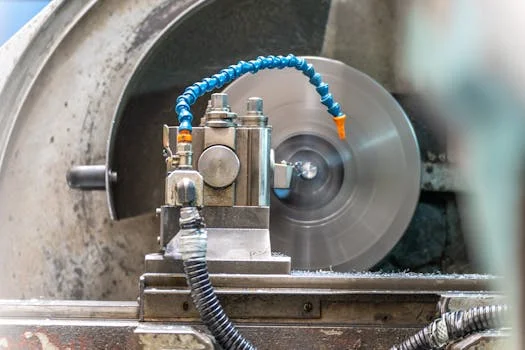
A textile plant in Vietnam treated about 500 m³/d of wastewater and paid about $120 per ton for sludge disposal. Feed solids averaged 1.2% TS, and the dewatering press saw unstable feed, variable cake, and long press cycles. Hauling trucks were moving mostly water, which inflated both tip fees and logistics time.
The plant installed a 40 m³/h decanter centrifuge and raised solids from 1.2% to about 6% TS at roughly 1.2 kWh/m³. In the first year, disposal cost fell 52% mainly from the volume cut. Dewatering polymer use dropped about 30%, and cake solids rose from about 18% to a steadier 24%. The denser press feed also shortened cycle time because chambers filled with more dry mass per batch.
Pilot work mattered. Early polymer demand ran about 30% above the estimate until dose and scroll differential were tuned on site. Operators then adjusted differential speed with feed swings to hold capture and power. The lesson is simple: verify chemistry and machine settings on the real sludge before locking OPEX guarantees.
Who This Is For
This guide suits plant engineers, EPC designers, and procurement teams sizing thickeners ahead of digestion or dewatering. Municipal plants with settleable primary sludge and open land can stay with gravity tanks. Food processors with high FOG usually shortlist DAF. Space-limited or hard-to-settle industrial streams often justify centrifuges. If you only need final cake and already have a stable 6%+ feed, go straight to pressing hardware such as a Plate and Frame Filter Press for Sludge Dewatering and skip another thickening stage. Share sludge analyses and peak flows if you want a duty-specific equipment match.
Frequently Asked Questions
What is the difference between thickening and dewatering?
A thickener raises solids to about 3–8% TS while sludge stays pumpable. A dewatering press forms a semi-solid cake near 15–30% solids. Thickening is the usual pretreatment before digestion, storage, or pressing because it cuts volume first. Plants that skip thickening often oversize presses and overdose polymer. For press mechanics after thickening, see how sludge dewatering presses work after thickening.
How much does thickening equipment cost to buy and run?
Installed CAPEX commonly spans about $50,000–$150,000 for gravity units, $80,000–$200,000 for DAF, and $100,000–$250,000 for centrifuges, depending on capacity and options. OPEX typically includes energy near $0.05–$0.50/m³, polymer near $0.10–$0.30 per kg dry solids, and maintenance near $5,000–$15,000 per year. Always reprice against local power, polymer, and wet-ton disposal fees before approving the purchase order.
Which thickener works best for food-processing wastewater?
DAF systems fit most food plants because FOG and light solids float with microbubbles, often exceeding 95% FOG removal when chemistry is tuned. Gravity tanks suit high-volume, low-FOG primary sludge better. Centrifuges help when settleability is poor or pad area is scarce. Pilot the actual effluent before locking polymer dose and float-solids targets for the full-scale unit.
How do I size thickener capacity from feed solids?
A practical screen is Capacity (m³/h) = (Influent flow × Influent solids %) / (Target solids % × Solids capture %). Example: 100 m³/h at 1% solids to 5% solids with 90% capture needs about 22 m³/h of effective thickened-solids pathway on that simplified mass balance. Confirm with settling tests or manufacturer flux curves, not the formula alone. Polymer control details are covered in optimize polymer dosing for sludge thickening.
What problems show up first on thickeners, and how do you fix them?
Poor settling usually traces to wrong polymer dose, high hydraulic load, or short detention. Odors point to long blanket age; covers, oxidants, or faster draw-off help. Centrifuge power spikes often fall when scroll differential and feed rate are retuned. Keep rake torque, bubble generators, and seals on a fixed PM schedule so capture does not drift between shifts.