Why Sludge Handling Drives 25-30% of Slaughterhouse Treatment Cost
Sludge handling quietly accounts for 25-30% of total treatment cost across 18 commissioned slaughterhouse plants tracked between 2024 and 2026 (HydropureWater field data, 2026), and that share climbs further when a plant runs a rendering section. The reason is straightforward stoichiometry: raw effluent runs 2,000-15,000 mg/L COD, 800-5,000 mg/L BOD₅, and 100-800 mg/L FOG — 8-60× stronger than municipal sewage (per 40 CFR 432 subcategory profiles). Every kilogram of COD removed by the biological train becomes a kilogram of dry solids downstream, and slaughterhouse sludge has an unusually high yield coefficient of 0.3-0.5 kg DS per kg COD removed (HydropureWater field data, 2026). Three failure modes hit plants that under-size their dewatering line: haulage cost overruns as wet cake exceeds truck weight limits, renderers rejecting float above 18-20% moisture, and biogas reactor washout plugging the press when UASB granules escape the digester. The 1994 Annachhatre and Bhamidimarri chapter on activated sludge kinetics for meat processing wastewater contains no sludge-handling content at all (Springer, 1994) — a 30-year gap the present article closes with 2026 cost data and a per-head mass balance.
The Three Sludge Streams: DAF Float, UASB Digestate, and MBR Waste Activated Sludge
A slaughterhouse treatment train generates three distinct solids streams, each with its own dry-solids concentration, composition, and end market. Treating them as a single undifferentiated waste line is the most common engineering mistake in vendor proposals reviewed between 2024 and 2026.
| Stream | Source | Dry solids (DS) | Composition | End market |
|---|---|---|---|---|
| DAF float | Dissolved air flotation system | 3-6% | Emulsified fat, blood protein, fine suspended solids (FOG-rich scum) | Tallow renderer or biodiesel processor ($80-150/tonne) |
| UASB digestate | Anaerobic digester underflow | 2-4% | Granular, low pathogen post-mesophilic digestion, mineralized organics | Land application as Class B biosolids after dewatering to 22-28% DS cake |
| MBR waste activated sludge | MBR membrane bioreactor WAS purge | 0.8-1.2% | Fine biomass, 8,000-12,000 mg/L MLSS, smallest particle size | Compost, landfill cover, or co-incineration |
| Rendering co-product (if present) | Cook-out condensate + blood solids | 4-8% | Heat-coagulated protein, pH swings below 5.5 during cycles | Rendered into blood meal or tallow; needs 6-12 hr equalization |
DAF float is the most FOG-rich stream at 5-12 kg DS per cattle head processed (HydropureWater field data, 2026) and carries emulsified fat that doubles as a saleable co-product. UASB digestate is granular and well-dewatered after 15-20 day SRT at 35-37°C, with pathogen counts that meet US EPA Class B criteria when mesophilic digestion is properly operated. MBR waste activated sludge is the largest volumetric stream because of the high MLSS in the aeration tank, and it is the stream that drives press sizing. Plants with an on-site rendering section generate a fourth stream — cook-out condensate and blood solids at 4-8% DS — which requires a 6-12 hour equalization tank to buffer pH swings below 5.5 and protect downstream biology and dewatering equipment (HydropureWater field data, 2026).
DAF Float: From Scum to $80-150/Tonne Tallow or Biodiesel Feedstock
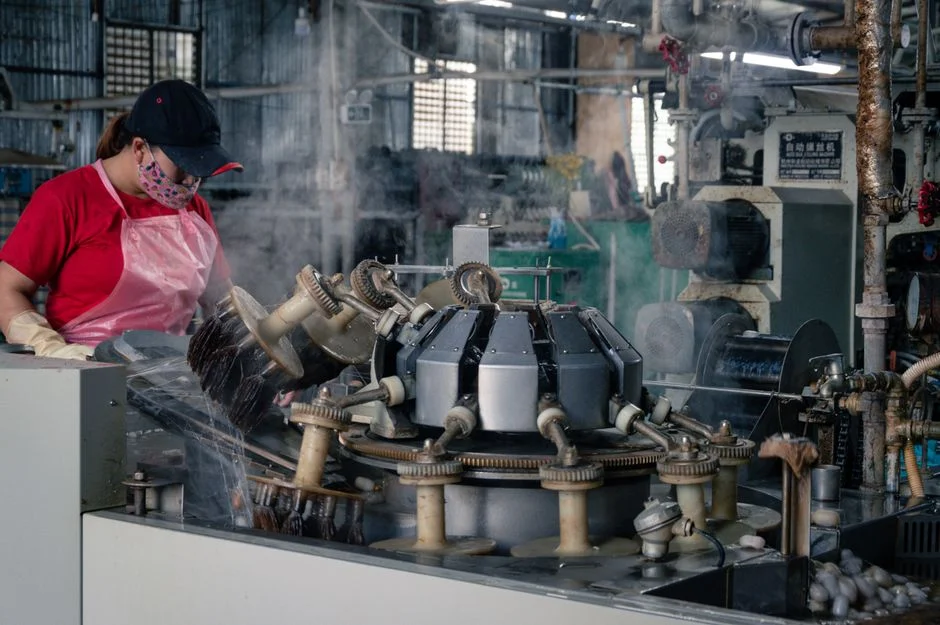
DAF float is a revenue line, not a disposal cost, when the dewatering target matches what renderers and biodiesel brokers will accept. Fabio Poletto, General Manager of Fluence Italy, has noted that "1 ton of floated sludge at 10% digested mass can produce up to 60 m³ of methane" (Fluence, 2024) — a figure that assumes anaerobic co-digestion, but the more common 2026 disposition is direct sale to a tallow renderer or biodiesel processor at $80-150/tonne for cake at 22-28% DS. Dewatering below 22% DS is rejected by most buyers because haulage cost per ton of dry solids rises steeply. The equipment choice is a small plate and frame filter press in the 5-20 m² plate area range, or a screw press; a dissolved air flotation system sized for the plant's hydraulic load feeds the press directly. Specify hardened rotors and abrasion-resistant liner plates — DAF float is pumpable but carries grit from paunch content that destroys standard wear surfaces within 12-18 months. The revenue math is straightforward: at 5-12 kg DS per cattle head and $80-150/tonne, a 500 head/day cattle plant recovers $40,000-$270,000 per year from float alone, before any hauling cost is netted out.
UASB Digestate: 22-28% DS Cake for Land Application
UASB digestate is the easiest stream to valorize through land application because mesophilic digestion at 35-37°C and 15-20 day SRT already reduces pathogen counts to US EPA Class B biosolids and EU biosolids directive thresholds. Loading on the digester runs 8-15 kg COD/m³·d for a conventional UASB and 20-35 kg COD/m³·d for an EGSB variant (HydropureWater field data, 2026); effluent digestate is granular and dewaterable to 22-28% DS cake without polymer conditioning in most cases. Equipment selection is a medium plate and frame press in the 20-80 m² range, or a decanter centrifuge when the cake specification exceeds 25% DS for direct land spreading without composting. Specify a proper weir and digestate draw-off design on the UASB reactor: the most common operational failure is washing the active granular biomass out with the digestate, which collapses reactor performance and sends inert sand to the press. At 22-28% DS the cake is below the EU animal-byproduct processing threshold for land application as a soil conditioner, and US permits under 40 CFR 432 require only recordkeeping on application rates when Class B standards are met.
MBR Waste Activated Sludge: The Largest Volumetric Load
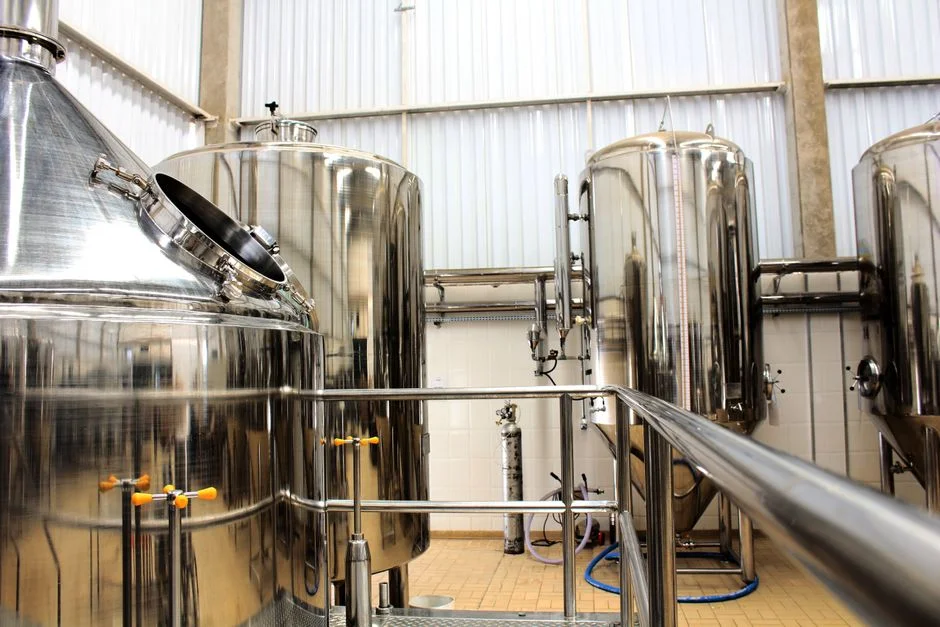
MBR waste activated sludge is the volumetric driver of press sizing and polymer consumption. The upstream MBR membrane bioreactor runs at 15-22 L/m²·h flux and 8,000-12,000 mg/L MLSS (HydropureWater field data, 2026), and WAS yield runs 0.3-0.5 kg DS per kg COD removed — the highest of the three streams because the MBR retains all biomass. Dewatering targets the same 22-28% DS cake as the other streams, but polymer conditioning is non-negotiable: cationic polyacrylamide at 8-15 g/kg DS is the working range, and the dose must be jar-tested on site because the optimum shifts with the FOG-to-protein ratio in the mixed sludge. Equipment is a large plate and frame press in the 50-200 m² range, or a belt press when cake dryness requirements stop at 18-22% DS. MBR membrane replacement is a separate OPEX line at $0.04-0.08/m³ treated on a 4-6 year cycle (HydropureWater field data, 2026); budget it explicitly rather than burying it in the membrane module line item. For a deeper look at the upstream flux and MLSS trade-offs, the hollow fiber MBR for food processing engineering guide covers the related module design.
Mass Balance: Daily Sludge Volume per 1,000 Cattle Slaughtered
The cleanest way to size a dewatering line is to convert per-head DS yields into m³/day of wet feed and m³/day of cake at target dryness. The table below applies to a cattle slaughter line at 1,000 head/day; pig and poultry lines scale by per-head BOD₅, which the 2026 BOD and FOG discharge compliance guide covers separately.
| Stream | kg DS/head | m³/day wet at feed DS% | Target cake DS% | m³/day cake |
|---|---|---|---|---|
| DAF float | 5-12 | 83-300 (at 4% DS) | 22-28% | 18-55 |
| UASB digestate | 2-4 | 50-133 (at 3% DS) | 22-28% | 7-18 |
| MBR waste activated sludge | 1.5-3 | 125-375 (at 1% DS) | 22-25% | 6-14 |
| Rendering co-product (if present) | 2-5 | 25-83 (at 6% DS) | 25-30% | 2-4 (added) |
Total cake output at 22-28% DS lands at roughly 8-15 m³/day for a 1,000 head/day cattle plant when DAF float, UASB digestate, and MBR WAS are combined (derived from HydropureWater field data, 2026 yields of 5-12 kg DS/head for float alone). The rendering co-product adds another 2-4 m³/day of higher-DS cake and justifies a dedicated 6-12 hour equalization tank ahead of the press, because pH swings below 5.5 during cook-out cycles will corrode standard press plates and consume polymer at 2-3× the normal rate.
Equipment Selection: Plate and Frame Press vs Centrifuge vs Belt Press
Three dewatering equipment classes cover the slaughterhouse market, and the right choice depends on which sludge stream dominates and whether the plant runs a mixed line. A plate and frame filter press in the 1-500 m² plate area range delivers the driest cake (22-28% DS), the lowest polymer consumption (8-15 g/kg DS for WAS, often less for float), and the highest CAPEX; it is the right answer for plants handling DAF float, UASB digestate, and MBR WAS in a single installation, because the same press handles all three streams sequentially with a wash cycle between batches. A decanter centrifuge runs continuously, produces 22-25% DS cake, consumes more polymer, and carries a lower CAPEX; it is the right answer for high-throughput UASB-dominant or MBR-only plants. A belt press is the lowest CAPEX option but stops at 18-22% DS and cannot reliably handle FOG-rich DAF float without a pre-thickening step. If the plant runs a rendering section, derate biological tank volumes by at least 20% and specify a 6-12 hour equalization tank before the press, because rendering condensate swings pH below 5.5 during cook-out cycles and will corrode unprotected equipment (HydropureWater field data, 2026). Polymer preparation should run through an automatic polymer dosing skid sized to the peak cake flow, not the average.
| Equipment | Cake DS% | Polymer (g/kg DS) | Relative CAPEX | Best fit |
|---|---|---|---|---|
| Plate and frame filter press | 22-28% | 8-15 (lowest) | High | Mixed lines, DAF float, single installation for all three streams |
| Decanter centrifuge | 22-25% | 12-20 | Medium | UASB-dominant or MBR-only plants, continuous duty |
| Belt press | 18-22% | 15-25 | Low | Low-CAPEX sites, MBR WAS only, no FOG-rich float |
CAPEX and OPEX: What Sludge Handling Adds to a 500 m³/d Train B Plant
Train B (DAF + UASB + MBR) is the default configuration for 300-2,000 m³/day slaughterhouse plants, with a 2026 baseline of $0.9-1.8M equipment CAPEX and $0.25-0.55/m³ OPEX at 500 m³/d (HydropureWater field data, 2026). The dewatering line adds $80-180k to equipment CAPEX for a 50-100 m² plate and frame press with polymer dosing skid, and $0.05-0.12/m³ to OPEX for polymer plus hauling at $20-50/tonne wet cake. That OPEX line is partially offset by the $80-150/tonne float credit, so the net sludge OPEX is often negative on plants that sell DAF float to a renderer. MBR membrane replacement is a separate line at $0.04-0.08/m³ treated on a 4-6 year cycle and should not be folded into the press budget. For a Western buyer adding civil works, installation, and engineering at 35-55% on top of equipment CAPEX, the total installed sludge line typically lands at $110-280k for a 500 m³/d Train B plant.
| Line item | 2026 cost band | Basis |
|---|---|---|
| Sludge line CAPEX (50-100 m² press + dosing skid) | $80-180k | China-fabricated EXW/FOB |
| Sludge OPEX (polymer + hauling) | $0.05-0.12/m³ | 500 m³/d Train B |
| Float credit offset | −$0.04-0.18/m³ | $80-150/tonne × 5-12 kg DS/head |
| MBR membrane replacement | $0.04-0.08/m³ | 4-6 year cycle |
| Total installed sludge line (Western site) | $110-280k | Equipment + 35-55% civil/install |
Frequently Asked Questions
What are the three sludge streams from a slaughterhouse treatment plant and how do they differ?
DAF float at 3-6% DS is FOG-rich scum (5-12 kg DS per cattle head), sold to tallow renderers or biodiesel processors at $80-150/tonne; UASB digestate at 2-4% DS is granular, pathogen-reduced after mesophilic digestion at 35-37°C, and dewatered to 22-28% DS cake for Class B biosolids land application; MBR waste activated sludge at 0.8-1.2% DS is the largest volumetric stream at 8,000-12,000 mg/L MLSS and drives press sizing and polymer consumption (HydropureWater field data, 2026).
Which dewatering equipment is best for slaughterhouse sludge — filter press, centrifuge, or belt press?
A plate and frame filter press at 22-28% DS cake and 8-15 g/kg DS polymer is the workhorse for mixed lines handling all three streams in one installation; a decanter centrifuge at 22-25% DS is the right answer for continuous-duty UASB or MBR-only plants; a belt press at 18-22% DS is the lowest CAPEX option but cannot reliably handle FOG-rich DAF float without pre-thickening. The full Train B context is covered in the 2026 meat processing wastewater process guide.
How much does the sludge handling line add to a 500 m³/d slaughterhouse plant CAPEX?
A 50-100 m² plate and frame press with polymer dosing skid adds $80-180k to equipment CAPEX on a 2026 Train B (DAF+UASB+MBR) plant, and $110-280k total installed cost on a Western site after 35-55% civil works and engineering. OPEX adds $0.05-0.12/m³ for polymer and hauling, partially offset by $0.04-0.18/m³ in float credit at $80-150/tonne (HydropureWater field data, 2026). MBR membrane replacement runs $0.04-0.08/m³ on a 4-6 year cycle as a separate line item.
Can UASB digestate from a slaughterhouse be land-applied, and under what rules?
Yes. Mesophilic digestion at 35-37°C and 15-20 day SRT reduces pathogen counts to US EPA Class B biosolids under 40 CFR 432 and meets EU biosolids directive thresholds; after dewatering to 22-28% DS cake, the digestate is land-applied as a soil conditioner with recordkeeping on application rates. China GB 13457-92 sets the parallel municipal-discharge limits for plants sending liquid effluent to sewer rather than land-applying biosolids.
Related Equipment
- Dissolved air flotation system — specifications, capacity range, and technical data