Why Fruit Juice Wastewater Produces Difficult Sludge
Fruit juice processing wastewater (FJPWW) is not generic food-industry effluent: its carbohydrate load, low buffering capacity and high C:N ratio push any downstream anaerobic reactor straight into acidogenesis, and that single chemistry decision ripples through every dewatering choice on the back end. The full-scale Bronzolo WWTP in Northern Italy treats 500–3,500 m³/d of FJPWW — roughly 50% of the plant's total daily load — through a two-stage anaerobic digestion train followed by municipal activated-sludge polishing (source: Bronzolo co-digestion study, 2026). Batch acidogenic fermentation on the same substrate peaked at a Degree of Acidification of 33% within 24 hours, with a maximum VFA yield of 0.89 g netTVFA-COD/g VS and an acetate-dominated profile of 51–57% acetic acid (source: Bronzolo co-digestion study, 2026). Operators at Bronzolo compensate by dosing NaOH and recycling dewatering liquors from the anaerobic digesters, which is standard practice when buffering is the limiting reagent rather than organic load.
Influent streams carry high COD and BOD from fruit washing and homogenization, suspended solids from peel and pulp carryover, plus sugars and pectins that feed the acidogenic phase directly (per Condorchem juice-plant analytics). The problem this creates for sludge handling is mechanical, not just biological: a carbohydrate-rich feed favors acidogenic bacteria, so when a digester goes off-spec the biosolids leaving the reactor carry unbound water, fines and exocellular polymers — all of which destroy filter-press cake release and centrifuge capture. Co-digesting the FJPWW with primary sludge at a 97:3 ratio improved the COD:N balance but did not raise the methane yield above 504.3 NmL CH₄/g VS, the same value measured for FJPWW alone (source: Bronzolo co-digestion study, 2026). The takeaway: nitrogen correction is a buffer, not a performance upgrade, and digester stability is a prerequisite for any dewatering technology downstream. For a parallel example of how DAF behaves in another fiber-heavy stream, see how DAF recovers fibers from mill white water in a comparable headworks duty.
Typical Influent Characteristics From a Juice Plant
A typical juice-factory discharge exceeds municipal collector limits on COD, BOD and suspended solids by a wide margin, so biological treatment is not optional (per Condorchem juice-plant analytics). The table below summarizes the parameter ranges you should benchmark your own effluent analysis against before sizing a treatment train.
| Parameter | Typical FJPWW Range | Collector Limit (max daily) |
|---|---|---|
| pH | 3.5–7.0 (often acidic after fruit wash) | 5.5–9.0 |
| COD | 3,000–15,000 mg/L | ≤ 500 mg/L |
| BOD₅ | 1,500–7,000 mg/L | ≤ 300 mg/L |
| TSS | 500–3,500 mg/L | ≤ 200 mg/L |
| FOG | 100–600 mg/L | ≤ 50 mg/L |
| Total nitrogen | 20–80 mg/L | ≤ 50 mg/L |
| Total phosphorus | 10–50 mg/L | ≤ 10 mg/L |
Two operational points matter as much as the numbers. First, flow variability is structural: at Bronzolo, the FJPWW stream alone swings 7× between minimum and maximum daily flow, so any equalization tank must be sized to at least one full daily flow on the average (source: Bronzolo co-digestion study, 2026). Second, the VFA fingerprint you generate under acidogenic conditions is predictable. Synthetic soft drink wastewater ferments to roughly 25–69% acetic, 5–10% propionic and 7–45% butyric acid, and beverage wastewater closely tracks that profile (source: Bronzolo co-digestion study, 2026). When the colloidal and suspended fraction is high — which it usually is in homogenizer and press discharges — physico-chemical pre-treatment with coagulation, flocculation and a dissolved air flotation system for colloidal and suspended solids removal is the recommended first polish before the biological stage.
The Standard Process Train: Screening, DAF, Anaerobic, MBR
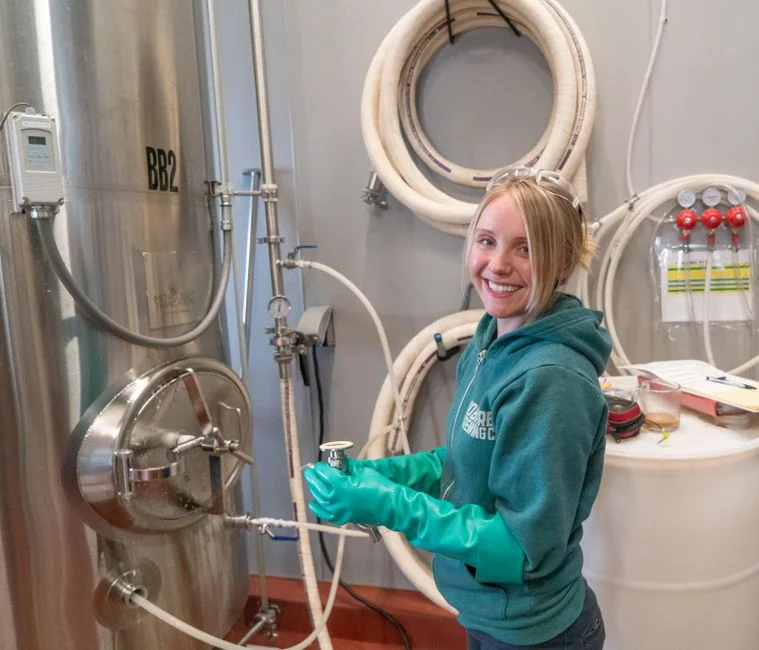
A working FJPWW train is a five-stage cascade, and each stage has a specific equipment job.
- Mechanical screening. A rotary mechanical bar screen for headworks protection removes gross solids from fruit washing and protects downstream pumps from ragging.
- Equalization and homogenization. A surge tank absorbs the 500–3,500 m³/d swings documented at Bronzolo and smooths BOD peaks before the biological stage (per Condorchem juice-plant analytics).
- Coagulation, flocculation and DAF. An automatic chemical dosing system for coagulant and flocculant addition feeds a two-chamber reactor; the clarified overflow goes to a dissolved air flotation system for colloidal and suspended solids removal that strips FOG, colloidal matter and unsettleable solids.
- Anaerobic reactor (UASB/EGSB). This stage delivers 80–85% COD reduction at very low excess-sludge yield, with biogas collected as a usable byproduct (per Condorchem juice-plant analytics). At Bronzolo, two-stage AD is paired with NaOH and dewatering-liquor recycle for pH control (source: Bronzolo co-digestion study, 2026).
- MBR polishing. An MBR membrane bioreactor system combines activated sludge with submerged PVDF ultrafiltration at ~0.035 µm pore size, 0.5–1 bar transmembrane pressure, and 90–95% BOD removal (per Condorchem juice-plant analytics).
The dual benefit is structural. Anaerobic digestion minimizes waste-activated-sludge generation, while MBR's biomass retention delivers a 60% smaller footprint than an equivalent conventional activated-sludge train (HydropureWater MBR design data, 2026). Permeate at 0.035 µm is clean enough to feed back into fruit-washing or CIP loops, which is what makes the overall water balance close. For broader scoping guidance on containerized package plants, the prefabricated wastewater plant design criteria for 2026 provides additional sizing context.
Sludge Handling Options: Thickening, Digestion and Dewatering
The biosolids line is where most FJPWW facilities either save or hemorrhage money, because the disposal tipping fee is applied per tonne of cake hauled off-site. The table below compares the four standard routes.
| Stage | Technology | Output DM | Notes |
|---|---|---|---|
| Thickening | Gravity thickener / lamella clarifier for sludge thickening and water clarification | 4–6% | Baseline before any dewatering; low CapEx, large footprint (per Condorchem) |
| Digestion | Mesophilic anaerobic digester (35°C, S:I 0.25) | 3–5% | 504 NmL CH₄/g VS at 97:3 FJPWW:PS (source: Bronzolo 2026); reduces pathogens and odor |
| Mechanical dewatering | Static thickener + polyelectrolyte + plate and frame filter press for biosolids dewatering, belt press, or decanter centrifuge | 30–40% | Hard ceiling for conventional mechanical dewatering (per Condorchem) |
| Thermal concentration | Vacuum evaporation | > 50% | Reusable condensate; significant waste minimization (per Condorchem) |
The digestion stage ties the front end to the back end. At 504 NmL CH₄/g VS, a 1,000 m³/d FJPWW plant running at typical 5–8 kg VS/m³ loading can produce 100–200 m³ CH₄/d, which is meaningful scale for a boiler feed or small CHP unit (source: Bronzolo co-digestion study, 2026). That biogas value partially offsets the energy penalty of mechanical dewatering. The trade-off at the back end is stark: a vacuum evaporator pulls more kWh per kilogram of water removed, but it slashes disposal tonnage by 30–50% versus a filter press at 35% DM and produces a high-quality condensate that can be reused or discharged, which often makes the higher CapEx pencil out when tipping fees exceed ~$120/tonne. For broader context on how evaporation compares economically in circular-water projects, the circular water economy growth rate for 2026 market analysis is a useful cross-reference.
Choosing the Right Dewatering Technology: Plate Press vs Centrifuge vs Evaporation
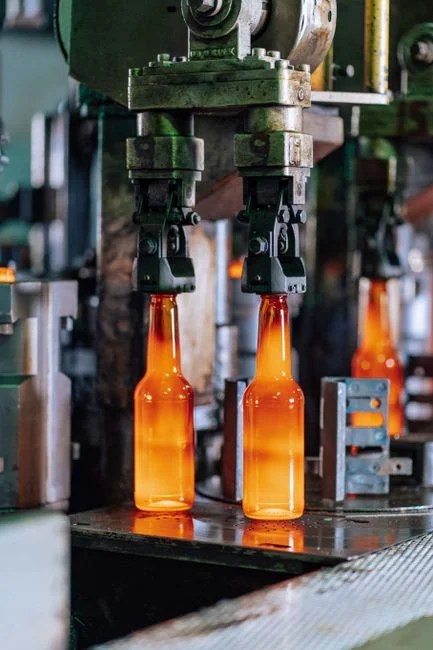
Choosing a dewatering technology is a procurement decision as much as a process decision, and the comparison table below is the one to take into the room with the CFO. Filter press is the workhorse for most 200–1,500 m³/d juice plants; centrifuges suit 24/7 operations with stable feed; vacuum evaporation only wins when water reuse or zero-liquid-discharge economics close the gap.
| Criterion | Plate-and-frame filter press | Decanter centrifuge | Vacuum evaporator |
|---|---|---|---|
| Typical output DM | 30–40% | 25–35% | > 50% |
| CapEx band (relative) | Low–medium | Medium | High |
| Energy use | Low (batch hydraulic) | Medium (continuous drive + polymer) | High (vacuum + heat) |
| Polymer demand | Low–medium | High | None |
| Footprint | Large (cake bay) | Compact | Medium (depends on staging) |
| Best-fit plant size | 200–1,500 m³/d, batch operation | > 1,000 m³/d, 24/7 feed | Any size with high tipping fee or ZLD target |
| Filtration area / capacity range | 1–500 m² | — | — |
The decision rule that holds up in practice: specify a plate and frame filter press for biosolids dewatering when disposal cost stays below ~$80/tonne and the DM target is 30–35%; specify vacuum evaporation when condensate reuse matters, disposal cost exceeds ~$120/tonne, or the plant has a zero-liquid-discharge target. Centrifuges sit in the middle and win on footprint, but the higher polymer demand and lower DM ceiling usually disqualify them on cost per dry tonne.
Sizing Example: A 1,500 m³/d Fruit Juice Plant
Take the midpoint of the Bronzolo flow band, 1,500 m³/d, and the 80–85% anaerobic COD removal figure (per Condorchem; source: Bronzolo co-digestion study, 2026). At typical FJPWW TSS and 90–95% capture across DAF and the biological stage, expect 200–400 kg of dry solids reaching the dewatering line per day. A filter press running at 35% DM produces ~0.6–1.1 tonnes of cake per day; an evaporator at 50% DM cuts that to ~0.4–0.8 tonnes of cake and yields 25–40 m³/d of reusable condensate. The methane side benefit is real: at 504 NmL CH₄/g VS, the digester can generate 100–200 m³ CH₄/d, enough to feed a small boiler or CHP skid and offset 30–60% of dewatering energy (source: Bronzolo co-digestion study, 2026). The sensitivity that breaks most designs is flow swing — equalization must be sized to ≥ 1× average daily flow, not the average itself, because the same plant will see 500 m³/d on Monday and 3,500 m³/d during the apple pressing campaign (source: Bronzolo co-digestion study, 2026).
The procurement ROI hinges on disposal cost per tonne hauled. At 0.8 t/d cake and a $100/tonne tipping fee, that is $80/d or roughly $29,200/yr per plant in avoided disposal mass versus an unthickened sludge baseline; at $150/tonne it doubles. Couple that with the avoided fresh-water purchase on 25–40 m³/d of reused condensate, and a 1,500 m³/d FJPWW plant can typically justify evaporator CapEx inside 3–5 years when tipping fees run above the $120/tonne threshold.
Frequently Asked Questions
What is the typical COD and BOD range for fruit juice processing wastewater?
Condorchem's reference analytics put FJPWW at roughly 3,000–15,000 mg/L COD and 1,500–7,000 mg/L BOD₅, with TSS of 500–3,500 mg/L — all of which exceed typical municipal collector limits (per Condorchem juice-plant analytics).
Can fruit juice wastewater be treated without anaerobic digestion?
Yes. An MBR alone can deliver 90–95% BOD removal on FJPWW, but the absence of the anaerobic stage increases waste-activated-sludge generation by roughly 3–5×, which raises dewatering and disposal cost (per Condorchem juice-plant analytics).
What methane yield can a juice plant expect from its digester?
Biochemical methane potential tests on Bronzolo FJPWW returned 504.3 NmL CH₄/g VS for FJPWW alone and 504.5 NmL CH₄/g VS at a 97:3 FJPWW:primary-sludge ratio — essentially flat — at 35°C and an S:I of 0.25 g COD/g VS (source: Bronzolo co-digestion study, 2026).
Which dewatering option produces the driest cake?
Vacuum evaporation exceeds 50% DM in the concentrate stream, while mechanical dewatering lines (filter press, belt press, decanter centrifuge) typically cap out at 30–40% DM (per Condorchem juice-plant analytics).
Is MBR permeate from a juice plant reusable inside the facility?
Yes. With ultrafiltration membranes at ~0.035 µm pore size, the permeate is suitable for non-contact reuse such as fruit washing and CIP loop make-up, subject to local regulatory acceptance (per Condorchem juice-plant analytics; Condorchem cites Spanish RD 509/1996 reuse limits as a worked example).