DAF vs Clarifier in Chemical Plants: What's Actually Different in 2026
For chemical-industry wastewater in Eldridge in 2026, dissolved air flotation (DAF) is the stronger default over a lamella or conventional clarifier when the influent carries emulsified oils, free FOG, or TSS above ~500 mg/L — DAF achieves 85–98% TSS removal with 20–70 µm microbubbles versus the 50–70% typical of gravity clarifiers. Choose a lamella clarifier only when influent is low-FOG, low-surfactant, and space is severely constrained; in every other case, pilot-test DAF against 40 CFR Part 414 subcategory limits before purchase.
DAF is a physicochemical separation process: a pressurized recycle stream saturates with air at 4–8 atm, then depressurizes inside the flotation tank, nucleating a cloud of 20–70 µm microbubbles that attach to flocculated particles and float them to the surface for skimming (waterandwastewater.com). Modern micro-bubble generators now produce 20–40 µm bubbles with no coarse air carry-over, the size range that gives DAF its edge on light, emulsified, sub-100 µm particles (per DAF Corp / waterandwastewater.com). A lamella or conventional clarifier relies on gravity settling, with settling area multiplied by inclined plates (lamella) or expanded footprint (conventional), and performs well only when target particles are dense, free-falling, and not stabilized by surfactants.
Chemical-sector wastewater is a different influent than food-and-beverage or municipal primary sludge. Organic chemicals, polymer, and biofuel plants in the Scott County corridor routinely generate surfactant-stabilized emulsions, latex carryover, pH swings from 1 to 13 between batch discharges, TDS of 5,000–30,000 mg/L, and intermittent slug loads of solvents or resins (HydropureWater field data, 2026). Generic DAF-vs-clarifier content recycles food-plant case studies and never addresses why a municipal-grade clarifier fails on this stream. The 2026 default position for an Eldridge-area OCPSF plant: DAF as the front-line unit operation, with a lamella clarifier relegated to downstream polishing, sludge thickening, or low-load flow equalization.
How Each Technology Handles Chemical Influent: Mechanism and Limits
Inside a DAF unit, a side-stream recycle of clarified effluent is pressurized to 4–8 atm in a packed-column saturator (packed-column designs reach 85–95% air dissolution efficiency, vs. 70–80% for unpacked vessels — per waterandwastewater.com). The pressurized recycle is then injected into the contact zone of the flotation tank, where depressurization nucleates 20–70 µm bubbles onto pre-conditioned floc. Float is skimmed; subnatant exits below the baffle. DAF Corp's FC Maximizer, designed for 500 GPM at 2,000 PPM TSS loading, demonstrates 92–98% TSS removal with a thickened sludge consistency of 2–4% DS (per DAF Corp product data). Hydraulic loading is typically 0.5–2.0 gpm/ft², and air-to-solids (A/S) ratio is the primary tuning knob, governed within 0.005–0.060 ml air per mg of solids (per waterandwastewater.com).
A lamella clarifier uses 60° inclined plates spaced at 50–80 mm to multiply the effective settling area inside a compact footprint; surface loading on a lamella reaches 20–40 m/h versus 1–3 m³/m²·h on a conventional clarifier (per HydropureWater lamella clarifier product spec). The mechanism is purely gravitational: particles must overcome drag and settle against the upflow velocity. A conventional clarifier, with surface loading 1–3 m³/m²·h, simply cannot compete on chemical influent carrying emulsified solids below 50 µm.
DAF has clear failure modes on chemical wastewater that a pilot must map: free oil above ~200 ppm saturates bubble surfaces and prevents floc attachment; high temperature above 35–40°C reduces air solubility and weakens float; excessive surfactant suppresses bubble–particle attachment by competing for the air–water interface. Clarifier failure modes are equally specific: light emulsified solids and colloids do not settle at all; hydraulic surges from batch discharges resuspend the sludge blanket; pH shocks deflocculate the blanket and carry TSS into the overflow. Understanding which failure mode your influent will trigger is the core of the technology decision.
Parameter Comparison: DAF vs Lamella Clarifier for Chemical Wastewater
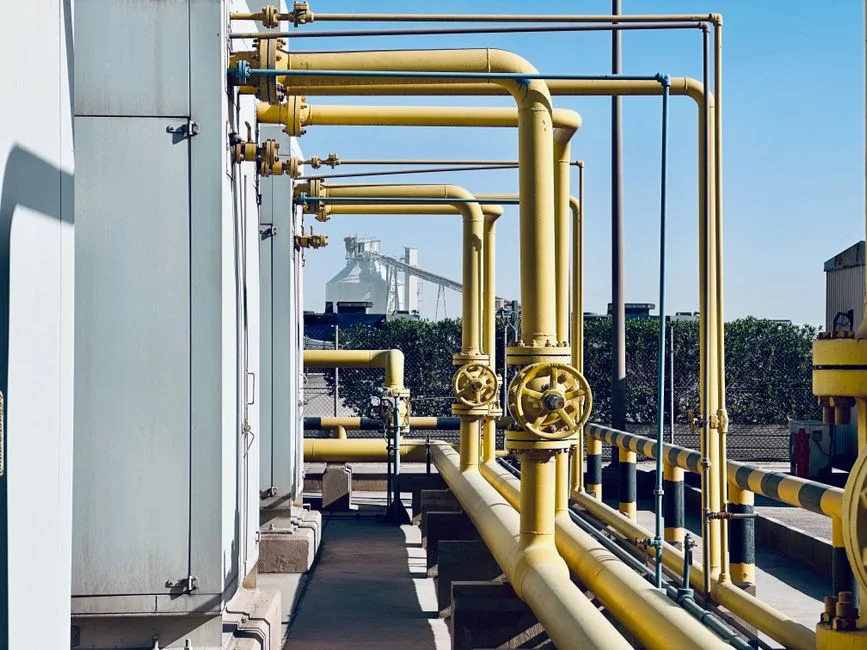
The table below is a screenshot-ready summary for a procurement file. Absolute capex and opex figures vary by site, tank material, and degree of automation — do not treat the relative tiers as quotes.
| Parameter | DAF (Dissolved Air Flotation) | Lamella / Conventional Clarifier |
|---|---|---|
| TSS removal efficiency | 85–98% with optimized coag-floc; 92–98% on FC Maximizer at 2,000 ppm loading (per DAF Corp) | 50–70% on chemical influent; drops below 50% on emulsions |
| FOG / emulsion removal | High; effective down to emulsified droplets | Poor; free oil sheets, emulsified oil passes through |
| Footprint (per 10 m³/h) | 2–4 m² for high-rate DAF | 5–12 m² for lamella; 25–50 m² for conventional |
| Hydraulic loading | 0.5–2.0 gpm/ft² (~1.2–4.9 m³/m²·h) | 20–40 m/h lamella; 1–3 m³/m²·h conventional (per HydropureWater lamella clarifier spec) |
| Polymer demand | 5–20 lb/ton dry solids, cationic (per waterandwastewater.com) | 0–5 lb/ton dry solids (often none) |
| pH tolerance | 4–11 stable; pH adjustment via pre-coagulation | 6.5–8.5; deflocculation outside this band |
| Sludge %DS | 2–4% (per DAF Corp) | 1–2% |
| Subnatant / effluent NTU | 5–15 NTU industrial; 2–5 NTU membrane pretreatment (per waterandwastewater.com) | 20–50 NTU typical on chemical influent |
| Capex tier | Moderate–High (skid systems 48–500 GPM widely available) | Low–Moderate (especially retrofit into existing basins) |
| Opex tier | Moderate (energy for pressurization + polymer) | Low (mostly sludge hauling) |
| Best for | FOG > 50 mg/L, emulsions, latex, TSS > 500 mg/L, surfactant-laden streams | Low-FOG, low-surfactant, TSS < 300 mg/L, dense settleable solids, space-constrained retrofit |
The polymer row is the one procurement engineers most often underestimate. Optimized coag-floc lifts DAF TSS removal from 50–60% (no chemistry) to 85–95% — the chemistry choice matters more than the equipment brand (per waterandwastewater.com). Specify a polymer and coagulant dosing skid as part of any DAF procurement, not as an add-on.
40 CFR Part 414 and Iowa NPDES: Why This Decision Is Compliance-Driven
40 CFR Part 414 governs the Organic Chemicals, Plastics, and Synthetic Fibers (OCPSF) category, with subcategory effluent limits covering TSS, COD, oil and grease, and priority pollutants. Subparts 414.60 through 414.90 cover most resin, polymer, and organic-intermediate operations common in Scott County (per EPA 40 CFR Part 414 structure). NPDES permits issued by Iowa DNR tier off these federal limits, and direct-dischargers in the Iowa/Mississippi watershed face additional watershed-quality considerations; plants that send waste to a POTW such as the Davenport wastewater facility operate under a pretreatment program that typically enforces the same Part 414 numerical limits at the indirect-discharge point.
The reason the technology choice is compliance-driven rather than purely economic: a clarifier alone, on chemical influent carrying emulsified solids, rarely delivers subnatant that meets Part 414 daily-max TSS or oil & grease limits (typical OCPSF daily-max TSS limits fall in the 100–300 mg/L range; oil & grease is commonly capped at <50 mg/L — limits vary by subpart, confirm against your permit). DAF preceded by equalization and followed by biological or media filtration is the train that consistently hits these numbers; a lamella as the sole primary step on chemical influent is the configuration that most often fails the acceptance test.
For Eldridge plants considering whether to direct-discharge or pretreat to the Davenport POTW, the technology decision is also a permitting decision. Direct discharge triggers a full Iowa NPDES permit with Part 414 federal limits plus any watershed-specific requirements; pretreatment to a POTW triggers a local industrial pretreatment permit with its own technically-based local limits (TBLLs) that may be more or less stringent than Part 414. Either way, DAF is the unit operation that gives you margin against the limit.
Decision Framework: When to Pick DAF, Clarifier, or Both
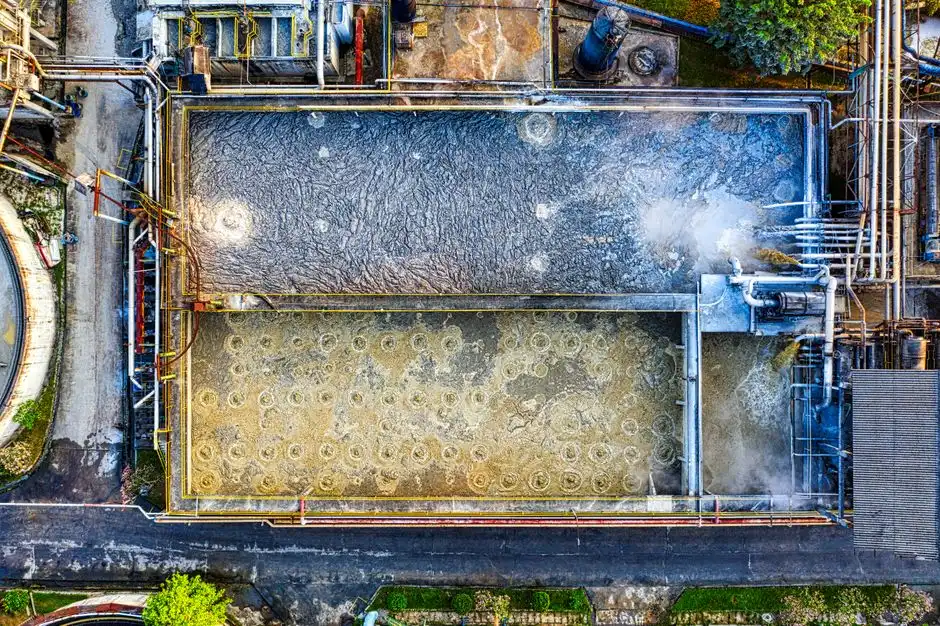
Use this three-branch rule to short-list equipment in a single meeting:
| Influent Profile | Recommended Primary | Polishing Step |
|---|---|---|
| FOG > 50 mg/L OR emulsions present OR surfactants OR TSS > 500 mg/L | DAF (e.g., HydropureWater DAF system) | Biological (MMBBR/MBR) or media filter if Part 414 BOD/COD limits apply |
| FOG < 50 mg/L AND TSS < 300 mg/L AND no surfactants AND dense settleable solids | Lamella clarifier (e.g., HydropureWater lamella clarifier) | Sand filter or cartridge for residual TSS |
| High TSS + emulsion + water-reuse goal | DAF primary | Lamella or sand filter as polish to 5–15 NTU subnatant for reuse |
Upstream of any of these, a rotary bar screen protects the DAF recycle pump and lamella plate pack from rags, plastics, and agglomerated resin — a rotary bar screen with 2–6 mm aperture is standard at this stage in chemical plants. The polymer/coagulant dependency is the second decision point: in side-by-side jar tests, an optimized coagulant (alum, PAC, or ferric) plus a cationic flocculant at 5–20 lb/ton dry solids delivers the 85–95% TSS removal range that justifies DAF capex (per waterandwastewater.com). On the retrofit question: an existing clarifier retrofitted with a DAF recycle / micro-bubble generator is a documented 2026 path (per DAF Corp) and can lift a 50% TSS-removal clarifier into the 80%+ range at moderate cost versus a full DAF unit — worth modeling before greenfield.
Pilot Testing Protocol: 4–8 Weeks That De-Risk the Purchase
A 4–8 week continuous pilot on a 48–100 GPM skid is the cheapest insurance on a six-figure equipment decision. Request a mobile unit — DAF Corp's RC UniMax pilot at 80–100 GPM and the FC-60 pilot at 48 GPM are typical reference skids (per DAF Corp). Run the unit on your real wastewater, not a synthetic; composite-sample influent and effluent across at least one full production cycle that includes a batch-discharge event. Jar tests in parallel lock in the polymer and coagulant dose; tune A/S ratio within 0.005–0.060 ml/mg and record the response surface.
Define acceptance criteria in writing before the pilot starts. For POTW discharge: TSS reduced to <100 mg/L (or to your specific local limit). For membrane pretreatment or reuse: subnatant turbidity at 2–5 NTU; for general industrial pretreatment, 5–15 NTU (per waterandwastewater.com). Specify a performance bond or liquidated-damages clause tied to these numbers during the acceptance test — this is a 2026 procurement best practice that costs the vendor little but protects you from a generic quote (per waterandwastewater.com procurement guidance). For polymer-handling integration, the HydropureWater polymer and coagulant dosing skid should be specified alongside the DAF skid so dose control is part of the same acceptance envelope.
For context on how the same decision plays out in adjacent chemical corridors, the El Dorado chemicals guide covers a parallel set of Part 414 questions, while the pharma-sector DAF engineering guide goes deeper on surfactant-laden API mother-liquor treatment. If your plant also runs paint operations, the paint booth curtain water pretreatment guide documents a related DAF-before-MBR train.
Frequently Asked Questions
Is DAF better than a clarifier for chemical plant wastewater?
Yes for the majority of OCPSF streams in the Eldridge area. If your influent carries FOG above 50 mg/L, surfactant-stabilized emulsions, latex, or TSS above 500 mg/L, DAF at 85–98% TSS removal is the correct primary. A lamella clarifier is the right call only on low-FOG, low-surfactant streams with TSS below ~300 mg/L and dense settleable solids — and even then it is often the polishing step downstream of a DAF rather than the primary.
What microbubble size do I need for emulsified chemical wastewater?
Target 20–40 µm. Modern micro-bubble generators from suppliers such as DAF Corp deliver this range consistently, and the bubble-to-particle size ratio of ~0.5–1.0 is the window where collision and attachment efficiency peak (per waterandwastewater.com). For sub-50 µm emulsified droplets, a 20–40 µm bubble outperforms the older 50–70 µm generation by a wide margin on TSS removal and on subnatant clarity.
Can a lamella clarifier meet 40 CFR Part 414 limits alone?
Rarely, on chemical influent. A lamella on a stable, low-FOG, settleable-solids stream can reach the 100–300 mg/L TSS daily-max range that some Part 414 subparts allow, but it cannot reliably hit oil & grease limits or polish to the 5–15 NTU range that downstream biological or membrane steps require. The standard compliance-grade train is DAF primary, with biological or media filtration as polish — the lamella, if used at all, sits between them as a sludge thickener or polishing step.
How much polymer does DAF need for chemical wastewater?
Plan for 5–20 lb of cationic polymer per ton of dry solids, then optimize on-site with jar tests (per waterandwastewater.com). On OCPSF streams with high TDS or surfactant load, the dose tends toward the upper end of that range; the response is nonlinear, so jar tests at 0.5×, 1×, 1.5×, and 2× the expected dose are worth the half-day they take.
What flow range should I consider for an Eldridge-area chemical plant?
DAF Corp systems span 48 to 11,000 GPM (per DAF Corp); most chemical plants in Scott County fall in the 50–500 GPM range, which is well-served by skid-mounted units. Pilot skids at 48 GPM (FC-60) and 80–100 GPM (RC UniMax pilot) are the right scale to validate chemistry and hydraulics before committing to a full-scale unit.