
Why the DAF-vs-Clarifier Decision Matters in El Dorado in 2026
An El Dorado specialty-chemicals or batch-formulation plant that receives a 2026 noncompliance notice over TSS, FOG, or metals usually triggered it on a sidestream that was sent to the wrong unit operation upstream of the receiving POTW. The federal floor for that stream is set by 40 CFR Part 414 — the Organic Chemicals, Plastics, and Synthetic Fibers (OCPSF) effluent guidelines — which cap TSS at 250–375 mg/L daily-max and COD at 400–1,600 mg/L depending on the subpart (per EPA 40 CFR 414, 2026). The most common El Dorado SIC codes — 2869 (industrial organic chemicals), 2899 (chemical preparations, not elsewhere classified), 2821 (plastics materials and resins), and 2911 (petroleum refining, where chemical intermediates share the parcel) — typically map to the Non-complexed OCPSF, Complexed OCPSF, or Plastics Molding and Forming subcategories. Every one of those subcategories is enforced on the way to the receiving POTW, and the plant sits under two compliance layers, not one. The Arkansas Department of Energy and Environment (ADEQ) runs the NPDES Industrial Permit program on top of the federal floor, and the local El Dorado-area POTW runs its own Industrial User Permit (IUP) and Sewer Use Ordinance with FOG, TSS, pH, and metals caps that routinely read tighter than 40 CFR Part 414. Choosing between dissolved air flotation and a lamella clarifier is the lowest-cost way to land inside both layers at once, and choosing wrong is what puts a noncompliance letter on the plant manager's desk.
How a DAF Actually Removes Contaminants from Chemical Plant Effluent
Dissolved air flotation removes suspended material by attaching 10–80 μm microbubbles to particles so the bubble-particle agglomerate's effective density drops below 1.0 g/cm³ and floats to the surface in 3–5 minutes of hydraulic residence time. The microbubbles are produced in a saturator loop: a sidestream of clarified effluent (typically 20–50% of forward flow) is pressurized with air at 4–6 bar in a carbon-steel or stainless saturation tank, then depressurized through a needle valve at the DAF inlet, where the dissolved air comes out of solution as a fine cloud (per Komline-Sanderson DAF reference, 2026). On a chemical plant stream that cloud bonds to flocculated colloids, emulsified oils, and latex residues, and a top skimmer walks the float layer into a sludge hopper. Standard packaged DAF auxiliaries are a 5–15 kW air compressor, a recycle pump, a saturation tank, a skimmer drive, a sludge hopper, and an automatic coagulant and flocculant dosing skid. The dosing skid is not optional: without it, bubble-particle collision efficiency drops and TSS removal on chemical plant effluent falls below 50%. A packaged DAF system integrates the saturator, recycle pump, and skimmer on a single 5–30 m³/h skid sized for the typical El Dorado batch-formulation sidestream.
How a Lamella Clarifier Settles Solids in a Chemical Plant Sidestream
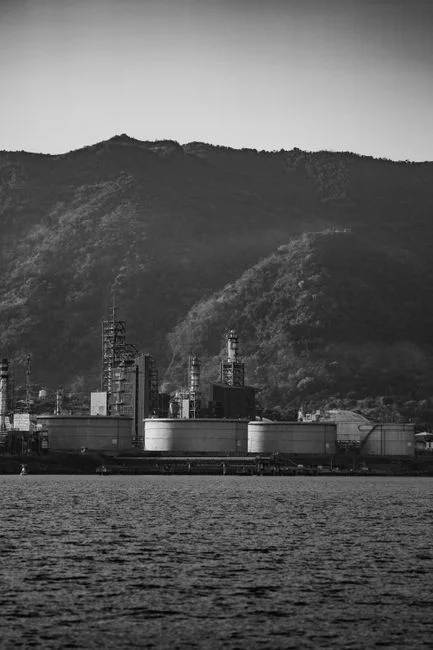
A lamella clarifier removes suspended solids by gravity sedimentation across an inclined-plate pack running at 20–40 m/h surface loading rate, with plates set at 55–60° so settled sludge slides back to a cone-bottom hopper while clarified water rises through the plate pack (per HydropureWater lamella clarifier spec, 2026). Residence time inside the plate pack is 15–25 minutes — roughly four to five times longer than a DAF contact zone — and the unit trades that time for energy, since there is no compressor, no saturator, and no recycle pump. Standard auxiliaries are a sludge recirculation pump, a cone-bottom sludge hopper, and an optional plate-pack flushing system for calcium carbonate or silica scaling. Upstream flocculation is mandatory for fine chemical colloids because raw feed at 50–100 μm particle size will pass straight through the plate spacing; a polymer dose of 1–5 mg/L plus a coagulant dose of 20–80 mg/L is typical for inorganic TSS streams from metal-finishing rinse, catalyst prep, or crystallization mother liquor. A HydropureWater lamella clarifier with sludge recirculation returns precipitated solids as seed floc and can cut coagulant demand by up to 30% on heavy inorganic streams.
DAF vs Lamella Clarifier: The 2026 Side-by-Side for El Dorado Chemical Plants
The table below is the decision pivot for a 2026 capital project at a 5–30 m³/h chemical plant in El Dorado County. Removal efficiencies are drawn from a 2026 industry comparison; OPEX bands reflect typical coagulant, flocculant, energy, and maintenance spend for industrial units in the 5–30 m³/h range (HydropureWater field data, 2026). The 2026 CAPEX delta between a DAF and a lamella clarifier of the same hydraulic capacity is roughly $15,000–$40,000, with a typical DAF skid landing at $35,000–$120,000 and an equivalent lamella clarifier at $20,000–$80,000. OPEX favors the clarifier by about 50% — $0.04–$0.08/m³ versus $0.08–$0.15/m³ for DAF — because the clarifier has no air compressor duty and a smaller pump inventory. Footprint is 30–50% larger for DAF once the saturation tank, recycle pump skid, and air compressor pad are counted, which matters on the older El Dorado parcels where bay frontage is constrained. The reuse angle is where the CAPEX delta pays back: DAF effluent typically meets the inlet spec for an MBR polish step for in-plant water reuse, so a DAF → MBR train can replace 40–60% of fresh process water on a coating or adhesive line, while clarifier effluent almost always needs a secondary polishing stage before RO or reuse. The HydropureWater automatic coagulant and flocculant dosing skid on either technology is the single biggest controllable OPEX line.
| Parameter | Dissolved Air Flotation (DAF) | Lamella Clarifier |
|---|---|---|
| Removal principle | Microbubble flotation; density reduction below 1.0 g/cm³ | Gravity sedimentation across inclined plates |
| Footprint (5–30 m³/h) | 8–12 m² incl. saturator + recycle skid + compressor pad | 5–8 m² (tank + sludge hopper only) |
| Hydraulic residence time | 3–5 min contact zone | 15–25 min in plate pack |
| FOG removal | 90–95% (per Ecologix 2026) | ~70% (per Ecologix 2026) |
| TSS removal on heavy inorganics | 70–85% | 85–95% |
| COD removal range | 50–70% | 40–60% |
| Coagulant dose | 30–100 mg/L | 20–80 mg/L |
| Flocculant dose | 2–8 mg/L | 1–5 mg/L |
| Sludge yield | 2–4% of forward flow (float) | 1–3% of forward flow (underflow) |
| CAPEX band (5–30 m³/h) | $35,000–$120,000 | $20,000–$80,000 |
| OPEX band (chemicals + energy + maintenance) | $0.08–$0.15/m³ | $0.04–$0.08/m³ |
| Maintenance complexity | Moderate — compressor, saturator, skimmer | Low — sludge pump, plate flushing |
| Reuse-train compatibility | High — meets MBR inlet spec for in-plant reuse | Moderate — usually needs polishing before RO/reuse |
The single most-cited gap in the table is the FOG row. If the sidestream is going to push the local POTW FOG cap, the lamella clarifier cannot hold the line by itself and a DAF retrofit becomes inevitable. Conversely, on a heavy inorganic TSS stream the lamella clarifier hits 85–95% TSS at half the OPEX and roughly 60% of the CAPEX, with no air compressor to maintain.
Matching the Unit to the Stream: The Three-Branch Decision Tree
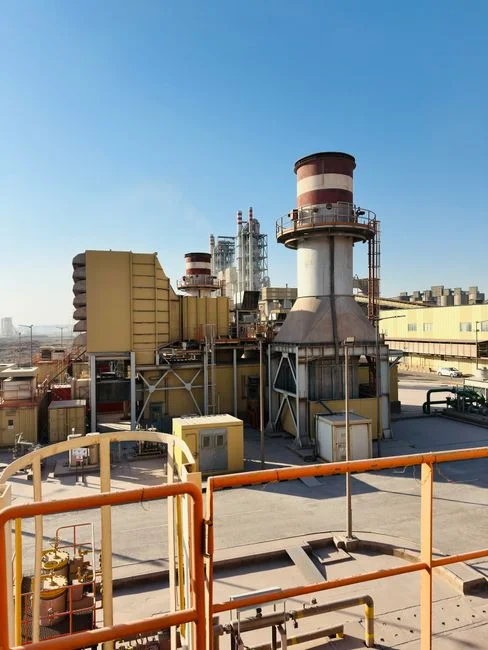
The right unit is determined by the dominant contaminant class, not by plant preference. Three branches cover nearly every batch-formulation and specialty-chemicals sidestream in the El Dorado industrial corridor, and each is anchored to the ADEQ or 40 CFR Part 414 limit it must hit.
Branch 1 — Oil-bearing stream. When the sidestream carries emulsified oils, resins, latex residues, or FOG above the local POTW cap, a DAF is effectively mandatory because lamella clarifiers only reach ~70% FOG versus 90–95% for DAF (per Ecologix 2026 DAF-vs-clarifier update). Specify a DAF with a paired coagulant and flocculant dosing skid; expect 90–95% FOG removal at 3–5 min residence.
Branch 2 — Heavy inorganic TSS. Metal-finishing rinse, catalyst prep, crystallization mother liquor, and pH-precipitated streams settle readily under gravity. A lamella clarifier hits 85–95% TSS at roughly 60% of the DAF CAPEX and half the OPEX, with no air compressor to maintain. Add a sludge-recirculation lamella design to cut coagulant demand by up to 30% (HydropureWater lamella clarifier spec, 2026).
Branch 3 — Mixed stream. For sidestreams carrying both oil and heavy TSS, run a clarifier-first, DAF-second train: the lamella removes bulk settleable solids, the DAF polishes FOG and residual colloids, and the combined effluent typically meets the inlet spec for an MBR or RO reuse step. A complete MBR integrated wastewater treatment skid downstream of the DAF can replace 40–60% of fresh process water on a coating or adhesive line, materially improving project ROI.
2026 Permitting and Local Limits for El Dorado Chemical Dischargers
El Dorado chemical plants sit under a layered federal and local permitting stack. The state hook is the ADEQ NPDES Industrial Permit; the site hook is the local POTW Industrial User Permit (IUP), which most El Dorado-area POTWs renew on a 3–5 year cycle. Both pull their numerical floors from 40 CFR Part 414, but the POTW's Sewer Use Ordinance typically tightens FOG, TSS, pH, and metals caps below the federal ceiling — confirming against the current POTW ordinance is the single most common skipped step that lands a plant on a noncompliance list. The subcategory determination matters because Non-complexed OCPSF, Complexed OCPSF, and Plastics Molding and Forming each carry different daily-max TSS and COD bands (per EPA 40 CFR 414, 2026). A useful reference for this layered playbook is the Pasadena, TX chemical plant pretreatment compliance playbook, which walks the same federal-plus-local structure for a comparable chemical corridor. Two related guides on the same decision in other chemical corridors — the sister chemicals-wastewater DAF vs clarifier guide for Bishop and the Morristown chemicals wastewater DAF vs clarifier 2026 guide — show how local POTW caps shift the answer branch by branch.
Sizing the Right Unit the First Time: A Short Checklist
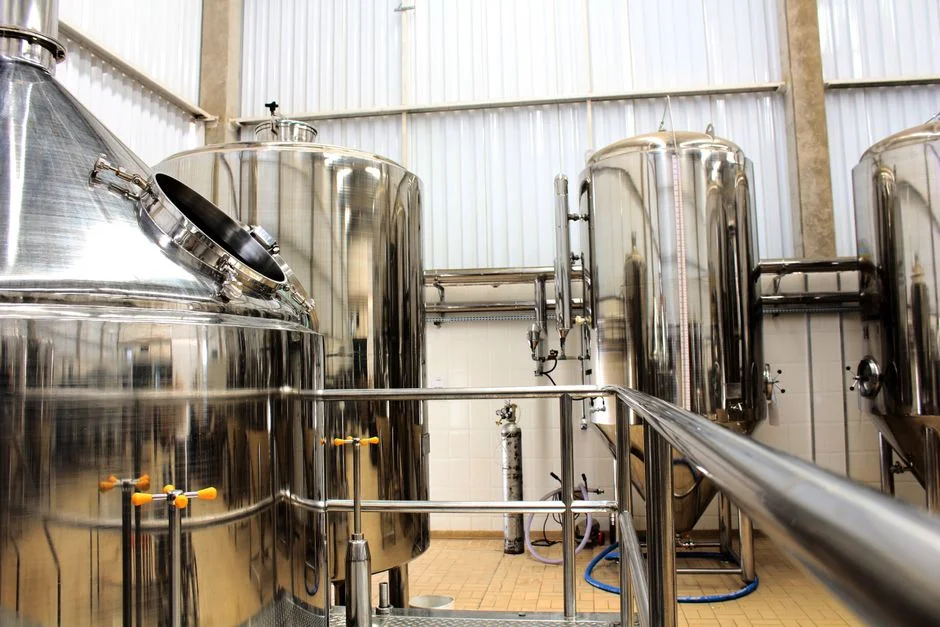
- Characterize the dominant contaminant class — oil/FOG, inorganic TSS, or mixed — on a representative week of batch data.
- Confirm the applicable 40 CFR Part 414 subcategory (Non-complexed OCPSF, Complexed OCPSF, Plastics Molding and Forming, etc.).
- Pull the current local POTW FOG, TSS, pH, and metals caps from the Sewer Use Ordinance before sizing either unit.
- Decide on a single-unit or two-unit train; retrofitting a clarifier when the stream is oil-bearing costs more than sizing the right unit the first time (HydropureWater field data, 2026).
- Budget 10–15% of system cost annually for OPEX (chemicals, energy, maintenance).
- Specify 316L stainless construction for corrosive chemical service and Class I Div 1/2 hazardous-area electrical where solvent inventory requires it. Confirm valve and instrument specs against current water treatment parts and media datasheets.
Frequently Asked Questions
Which is better for an oil-bearing chemical sidestream in El Dorado — DAF or a lamella clarifier?
DAF. A DAF typically achieves 90–95% FOG removal versus ~70% for a lamella clarifier (per Ecologix 2026), which is the difference between meeting and missing a typical El Dorado-area POTW Sewer Use Ordinance FOG cap on an emulsified-oil or latex-resin sidestream.
What is the 2026 CAPEX and OPEX delta between a DAF and a lamella clarifier at 5–30 m³/h?
A DAF skid lands at $35,000–$120,000 versus $20,000–$80,000 for an equivalent lamella clarifier, and OPEX runs $0.08–$0.15/m³ for DAF versus $0.04–$0.08/m³ for a clarifier (HydropureWater field data, 2026). The CAPEX delta is typically recovered on a DAF → MBR reuse train that offsets 40–60% of fresh process water on coating or adhesive lines.
Do 40 CFR Part 414 limits cover El Dorado chemical plants discharging to a POTW?
Yes. 40 CFR Part 414 sets the OCPSF effluent guidelines — TSS at 250–375 mg/L daily-max and COD at 400–1,600 mg/L depending on subpart — and applies to SIC 2869, 2899, 2821, and 2911 chemical plants discharging to a POTW. The local POTW's Sewer Use Ordinance and the ADEQ NPDES Industrial Permit typically layer tighter caps on top of that federal floor.
Can a DAF and a lamella clarifier be used together on a chemical plant sidestream?
Yes. A clarifier-first, DAF-second train removes bulk settleable solids in the lamella, then polishes FOG and residual colloids in the DAF, which usually meets the inlet spec for an MBR or RO reuse step without an additional polishing stage. The combined approach also reduces coagulant demand in the DAF stage because the lamella has already pulled the bulk TSS load.
What 40 CFR Part 414 subcategory applies to a specialty-chemicals or batch-formulation plant in El Dorado?
Most El Dorado specialty-chemicals and batch-formulation operations map to Non-complexed OCPSF, Complexed OCPSF, or Plastics Molding and Forming, depending on the primary production process. Confirm against the SIC/NAICS code assigned to the synthesis or formulation line and the current EPA OCPSF subcategory list before sizing the unit (per EPA 40 CFR 414, 2026).