The 2026 decision rule for Lone Jack food and beverage plants
For Lone Jack, Missouri food and beverage factories in 2026, the correct primary clarifier is a dissolved air flotation (DAF) system, not a gravity clarifier. DAF delivers 92–97% TSS removal and up to 95% FOG removal on a footprint 20–25% the size of a clarifier, with float at 3–5% solids versus 1–2% underflow (HydropureWater field data, 2025). The rule is simple: default to a DAF system on any food and beverage stream above 5 m³/h with FOG above 200 mg/L, and re-evaluate only when grit, low flow, or an existing serviceable basin forces a different answer.
For the same dairy, brewery, distillery, or snack-food stream, a conventional gravity clarifier lands at 40–70% TSS removal and under 50% FOG removal, and has to be dosed with 3–5× the polymer a DAF would need to even approach that range (HydropureWater 2025). The 2026 commercial benchmark from Ecologix puts the gap at 95% oil and grease removal on a DAF versus 70% on a clarifier for a high-oil food stream (per ecologixsystems.com, 2026). The carve-outs where a clarifier still wins are narrow: heavy inorganic grit, very low-flow side streams under 5 m³/h, or a site that already owns a serviceable concrete basin it wants to reuse.
What makes Lone Jack wastewater different from coastal guides
The Pacific-region guide a procurement manager may have already read does not map cleanly to a Midwestern plant. The typical Lone Jack craft food envelope runs 5–25 m³/h, 200–2,000 mg/L TSS, and 100–800 mg/L FOG, with slug loads from CIP, cook, and rendering cycles, not the 50 m³/h Pacific benchmark most articles anchor on. This is a 3–50 m³/h small-plant flow band that almost no top-ranking guide addresses, and it changes the equipment line on the requisition (HydropureWater field data, 2025, adapted to small Midwestern craft food).
Three regional variables invalidate the coastal assumption. First, hard Midwestern water drawn from limestone aquifers carries 200–400 mg/L CaCO₃ alkalinity, and root-vegetable washing or floor washdown picks up limestone-soil grit that pushes inorganic loadings higher than coastal guides assume. That is the one stream condition where a clarifier's grit-settling habit can still matter, and it is the reason this article keeps a clarifier carve-out for grit-heavy duty.
Second, the cold-winter inversion. Lone Jack winter effluent at 5–12 °C carries MORE dissolved air at the same saturation pressure than the 25–35 °C Pacific case, so a DAF actually performs better seasonally, not worse, and the temperature derate runs the other way. Third, the regulatory anchor is local: EPA 40 CFR Part 133 sets the federal ceiling for categorical pretreatment standards, and Missouri DNR and the KC Water industrial pretreatment program set the local FOG and TSS surcharges that drive the small-plant payback math.
DAF and clarifier physics, in one screen
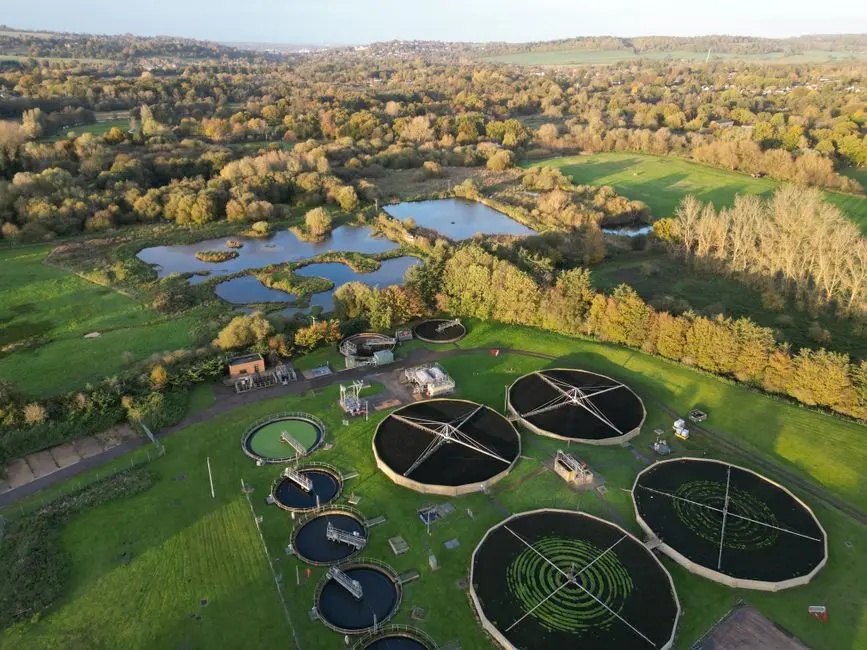
A DAF and a clarifier look similar from outside the fence line — a tank, a skimmer or rake, an outlet — but the physics that moves solids to the discharge is opposite. A DAF presses micro-bubbles onto flocculated particles and floats them upward. A clarifier waits for gravity to pull them down (HydropureWater 2025).
In a DAF, 10–30% of clarified recycle is pressurized in a saturation vessel at 4–6 bar to 85–95% air saturation efficiency, then released through needle-valve orifices. The dissolved air comes out of solution as 20–100 μm micro-bubbles, and the 30–50 μm band is the engineering target because it gives the right surface-area-to-buoyancy ratio without violent rising velocity. Bubbles nucleate on pre-formed flocs, and the air-filled aggregate rises to the surface in minutes, where a paddle skimmer removes it at 3–5% solids. The four dials an operator turns are recycle ratio, saturation pressure, polymer charge and dose, and pH, held in the 6.5–8.5 window where most cationic flocculants perform.
A conventional gravity clarifier relies on Stokes' law: a particle settles when gravitational force overcomes drag. For FOG, fruit pulp, blood proteins, and fine cellulose — all with specific gravity at or below 1.0 — that settling requires hours, which is why clarifier retention sits at 2–4 hours and surface loading rates stay below 2 m/h. Rake-driven sludge moves to a central hopper, and the underflow exits at 1–2% solids. To force a clarifier to remove FOG, operators overdose coagulants, accepting both the OPEX penalty and the larger sludge volume (HydropureWater 2025).
Head-to-head: DAF vs clarifier on the metrics that matter
Procurement readers want the trade-off in 30 seconds, so the matrix below is the anchor. Numbers reflect typical operating bands for food and beverage streams; verify against jar testing and vendor proposals before locking a P&O (HydropureWater field data, 2025).
| Metric | Dissolved Air Flotation (DAF) | Conventional Gravity Clarifier |
|---|---|---|
| TSS removal | 92–97% | 40–70% on heavy inorganics; under 50% on FOG |
| FOG / O&G removal | Up to 95% | Under 50% on the same stream |
| Surface loading rate | 5–15 m/h | Under 2 m/h |
| Footprint vs DAF | 1.0× reference | 4–5× the DAF footprint |
| Energy | 0.2–0.5 kWh/m³ (recycle pump + air compressor) | No aeration energy; minimal pumping |
| Polymer demand | 0.5–5 mg/L baseline | 3–5× the DAF dose when forced to settle FOG |
| Sludge dryness | 3–5% float solids | 1–2% underflow solids |
| CAPEX band | $35,000–$70,000 for a 10 m³/h SS304 DAF unit; $120,000–$180,000 for a 50 m³/h unit | $50,000–$500,000 new build; lower if an existing basin is reused |
| Best-fit scenario | FOG above 200 mg/L, footprint-constrained site, 5–50 m³/h | Heavy inorganic grit, sub-5 m³/h side stream, reusable basin |
The single most decisive number for a space-constrained Lone Jack plant is the surface loading rate: 5–15 m/h for DAF versus under 2 m/h for a clarifier. On a 10 m³/h craft dairy or brewery wash stream, that gap is the difference between a 6 m² skid that fits next to a sewer tie-in and a 30–40 m² concrete basin that almost certainly does not. The sludge row matters as much as the footprint row: hauling cost dominates small-plant OPEX, and DAF float at 3–5% solids cuts hauled volume 50–70% versus clarifier underflow (HydropureWater 2025). The polymer row is the hidden OPEX trap — a clarifier forced to settle FOG needs 3–5× the DAF dose, and that is a real line item on the annual budget, not a rounding error.
Sizing a DAF for a 5–25 m³/h Lone Jack craft food plant
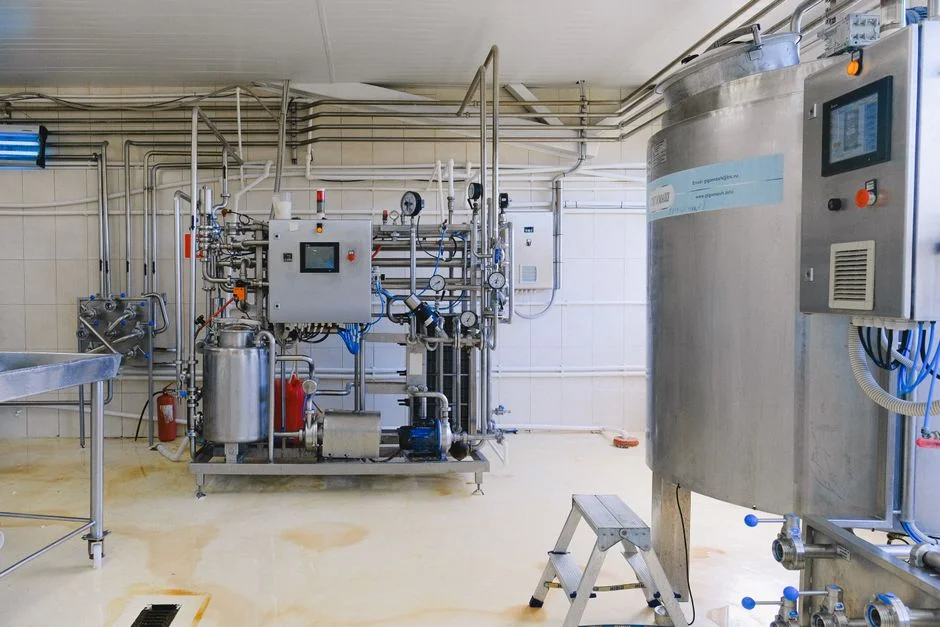
The 2026 update across the DAF system line is a wider flow band and broader automation, but the underlying sizing rules have not changed. The 4–300 m³/h range across 13 standard models covers a small craft beverage line through a large dairy or rendering plant, and the 5, 10, 15, and 20 m³/h units are the right fit for the typical Lone Jack craft food stream (HydropureWater catalog).
| Spec | Selection | Why it matters for a Lone Jack food plant |
|---|---|---|
| Flow band | 4–300 m³/h across 13 standard DAF models | Covers a small craft beverage line through a large dairy or rendering plant |
| Sizing flow | Peak hourly flow, not nameplate | Undersizing causes float carryover; oversizing wastes CAPEX |
| Material | SS304 standard; SS316 for high-chloride CIP, brine, rendering cook condensate | CIP caustics and rendering cook condensate demand SS316 in many cases |
| Temperature derate | Size for real peak; cold Lone Jack winter effluent (5–12 °C) actually HELPS DAF saturation | Opposite of the Pacific case; no winter derate needed |
| Upstream screening | Rotary mechanical bar screen to keep recycle nozzles clear | Clogged recycle nozzles are the #1 unplanned shutdown cause |
| Chemistry control | Automatic chemical dosing skid with flow-proportional and streaming-current trim | Locks pH at 6.5–8.5 and polymer dose to jar-test target |
Three sizing mistakes show up in field service logs within the first quarter of operation: using nameplate flow rather than peak hourly flow, ignoring temperature, and underspecifying the upstream screen (HydropureWater 2025). On a Lone Jack site, the temperature mistake runs the OPPOSITE direction of the Pacific case — cold winter effluent at 5–12 °C carries more dissolved air at the same saturation pressure, so a properly sized DAF actually performs better seasonally, and the procurement team should not pay for a winter derate it does not need. The upstream rotary mechanical bar screen is non-negotiable: hair, bone, fruit solids, and packaging fragments reach the DAF within hours without screening, and clogged recycle nozzles are the single biggest unplanned shutdown cause on craft food duty.
Payback math for a 10 m³/h Lone Jack craft dairy or brewery
Engineers do not buy equipment; they buy payback periods. The example below uses a representative 10 m³/h craft dairy or brewery washwater stream at 1,000–1,500 mg/L TSS and 400–600 mg/L FOG — typical of a mid-sized Lone Jack craft operation discharging under Missouri DNR and KC Water pretreatment review (HydropureWater field data, 2025, scaled down from the 50 m³/h Pacific benchmark).
| Line item | Value | Note |
|---|---|---|
| CAPEX — 10 m³/h unit, PLC, dosing skid | $35,000–$70,000 | Mid-range SS304 DAF system in 2026 dollars (scaled from $120K–$180K for 50 m³/h) |
| Energy | $1,900–$4,800 / yr | 0.2–0.5 kWh/m³ × 10 m³/h × 8,000 h/yr × ~$0.12/kWh (Midwest industrial tariff) |
| Polymer OPEX | $3,000–$8,000 / yr | 0.5–5 mg/L × 10 m³/h × 8,000 h = 40–400 kg/yr × $4–$8/kg, locked by jar test |
| Sludge disposal | 50–70% lower volume than clarifier underflow | Float at 3–5% solids is the single biggest payback driver |
| Payback | 1.5–3 years | Sludge savings − energy − polymer, divided into CAPEX; compresses further once avoided FOG/TSS surcharges are counted |
The sludge line is the single biggest payback driver and the one procurement teams consistently underestimate. DAF float at 3–5% solids cuts hauled volume 50–70% versus clarifier underflow, and on a 10 m³/h stream that is the difference between a monthly roll-off and a quarterly one (HydropureWater 2025). Downstream, a plate-and-frame filter press pushes DAF float to 25–35% cake solids and cuts hauled volume by another 80–85% beyond the DAF itself. The polymer OPEX line deserves a jar test before it is locked: the gap between best- and worst-case polymer OPEX on a 10 m³/h stream runs roughly $4,000–$5,000/yr, which is wider than the entire annual maintenance budget on most small craft plants.
When a clarifier, lamella, or hybrid still wins in Lone Jack
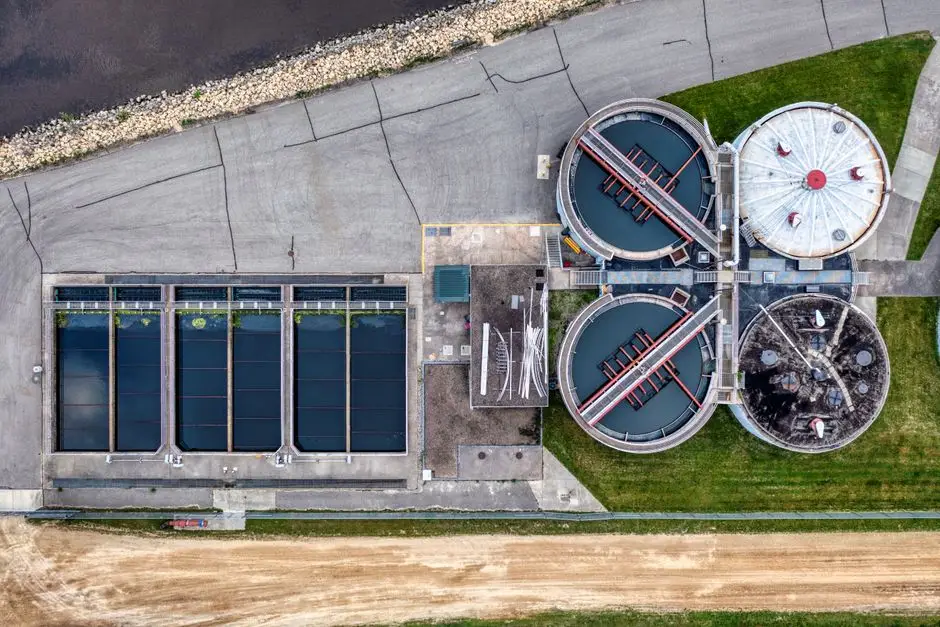
Credibility comes from naming the cases where DAF is overkill. A clarifier remains the better answer for: heavy inorganic grit streams (root vegetable washing with soil loadings, limestone-soil washdown from a quarry-adjacent site), very low-flow side streams under 5 m³/h, and sites reusing an existing serviceable concrete basin (HydropureWater 2025). A high-efficiency sedimentation tank (lamella clarifier) is the middle option: surface loading of 20–40 m/h, footprint between a DAF and a full clarifier, and the right polish stage in a hybrid train.
For an existing Lone Jack plant with a usable basin and a FOG compliance problem, retrofit DAF-as-polish ahead of the existing clarifier often reaches compliance at roughly half the CAPEX of a full DAF replacement. That hybrid configuration is the fastest, cheapest answer to a FOG excursion when the basin is structurally sound and the civil work is already in place. The same logic applies in reverse: a new DAF followed by a lamella polish is the right train when TSS discharge limits are tighter than FOG limits and the POTW is pushing back on the FOG ceiling alone.
Frequently Asked Questions
What FOG and TSS removal can a Lone Jack food plant expect from a DAF versus a clarifier?
A properly sized DAF delivers 92–97% TSS removal and up to 95% FOG removal on flocculated dairy, brewery, distillery, or snack-food washwater, versus 40–70% TSS and under 50% FOG on a gravity clarifier for the same stream (HydropureWater field data, 2025). The gap exists because FOG and protein have specific gravity at or below 1.0 and will not settle under practical retention.
How much does a 10 m³/h DAF system cost in 2026 for a Lone Jack craft plant?
A 10 m³/h mid-range SS304 DAF system with PLC and dosing skid typically lands between $35,000 and $70,000 in 2026 dollars, with a 1.5–3 year payback from sludge-disposal savings and avoided FOG/TSS surcharges (HydropureWater 2025). SS316 upgrades for chloride-heavy CIP or rendering cook condensate add a measurable but recoverable line item.
Does cold Missouri winter effluent hurt DAF performance?
No — Lone Jack winter effluent at 5–12 °C actually carries MORE dissolved air at the same saturation pressure than the 25–35 °C Pacific case, so a DAF performs better seasonally, not worse, and no winter temperature derate is needed (HydropureWater 2025). This is the opposite of the Pacific guidance and is the one variable that most top-ranking guides get wrong for a Midwestern plant.
What permits and surcharges apply to a Lone Jack food and beverage discharge?
EPA 40 CFR Part 133 sets the federal ceiling for categorical pretreatment standards, and Missouri DNR and the KC Water industrial pretreatment program set the local FOG and TSS surcharges that drive the small-plant payback math (HydropureWater 2025). Site-specific surcharge values should be pulled from the current Missouri DNR and KC Water schedules before the P&O is locked.
Can a Lone Jack plant keep an existing clarifier basin and still meet FOG limits?
Yes. A hybrid DAF-as-polish ahead of an existing serviceable clarifier often reaches compliance at roughly half the CAPEX of a full DAF replacement, and is the right answer for an existing Lone Jack plant with a usable basin and a FOG compliance problem (HydropureWater 2025). The DAF takes the FOG load and the existing basin handles residual suspended solids and flow equalization.