Why Webster Mining and Metals Plants Are Asking the DAF-vs-Clarifier Question in 2026
For Webster, MA mining and metals factories evaluating primary clarifier selection in 2026, the choice typically narrows to a dissolved air flotation clarifier or a lamella plate clarifier, and the influent — not the vendor brochure — decides the winner. Webster's industrial base includes metal finishing, fabricated metals, and small-scale mineral processors discharging to the Webster Sewer Use Ordinance and ultimately to MA DEP surface/groundwater rules (per 40 CFR 437 ore mining and dressing subcategory oversight, 2025-11). A typical 2026 influent profile in this region runs TSS 500–5,000 mg/L, total metals 5–200 mg/L, oil and grease 50–1,500 mg/L, and pH swings from 2 to 11, which makes one-technology-fits-all a non-starter. DAF is the historical default where floatables dominate; lamella where settleables dominate; the 2026 trend is hybrid trains that route each stream to the unit best suited for its specific gravity. Most 40 CFR 437 subcategory sites reach compliance with DAF as the primary clarifier plus chemical precipitation for dissolved metals, which sets the baseline for the rest of this article. For a parallel treatment of the same problem in a different regulatory microclimate, see the parallel mining/metals DAF vs clarifier guide.
How DAF and Clarifiers Actually Separate Solids
A dissolved air flotation clarifier (DAF) separates solids by lifting them rather than dropping them. Saturated recycle water is depressurized inside the vessel, releasing 30–50 μm micro-bubbles (per Clearwater/SigmaDAF, 2026) that attach to flocculated particles and float them to the surface, where a paddle skimmer removes the float; heavier settled sludge is removed by auger (S1, S5). A lamella or conventional clarifier separates by gravity: suspended solids settle on inclined plates or in rectangular basins, with a typical surface loading of 20–40 m/h on an inclined-plate design versus roughly 1–2 m/h on a conventional rectangular basin. Both technologies require chemical conditioning upstream: coagulants such as alum, poly aluminum chloride, or ferric chloride are paired with polymer flocculants and contacted in flash-mix tubes for 15–45 seconds (S5). Coagulant selection is not generic — monomeric aluminum outperforms polymeric aluminum for soluble COD removal, while polymeric aluminum wins on soluble silica (per Wastewater Digest, 2026-04). The engineering takeaway: DAF = micro-bubble lift; clarifier = gravity drop; and both need the right coagulant/polymer cocktail to perform. For DAF systems used in this article, the DAF system covers 4–300 m³/h, and chemical conditioning is best handled by a PLC-controlled chemical dosing skid.
Influent-Driven Selection: Which Wastewater Goes to Which Unit
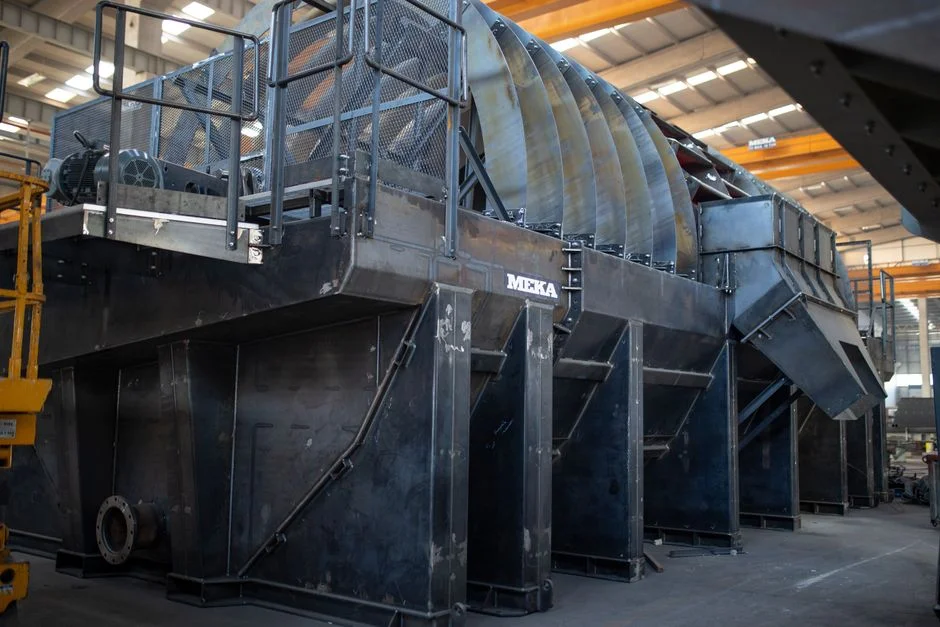
The routing decision should be made at the tank farm, not at the procurement office. Route to DAF as the primary clarifier when the stream contains emulsified oils, FOG, latex, plastic fines, or low-specific-gravity metal-hydroxide floc — the FPAC and COMPACT DAF models handle 30–150 m³/h ranges efficiently and lift these particles precisely because of their low settling velocity. Route to a lamella clarifier when the stream is dominated by dense mineral slurry, foundry sand, or pickling-bath precipitate with high specific gravity and rapid settle, where gravity wins and the 20–40 m/h surface loading rate of the HydropureWater lamella clarifier becomes the more economical path. For mixed streams, run DAF and lamella in series: DAF strips oils and floatables first, lamella polishes residual TSS and protects downstream multimedia filtration. For explosive atmospheres or oil concentrations that must drop below 25 ppmv, use DGF (dissolved gas flotation with nitrogen) rather than air-saturated DAF, per the modified version documented in the oil and gas literature (S4). A DAF system spans 13 standard models from 4 to 300 m³/h, which covers most small and mid-sized Webster facilities without custom fabrication.
| Influent Archetype (Webster Mining/Metals) | Primary TSS / Oil Loading | Recommended Primary Unit | Rationale |
|---|---|---|---|
| Emulsified metalworking oils + cutting fluids | FOG 200–1,500 mg/L; TSS 200–1,000 mg/L | DAF (FPAC or COMPACT) | Micro-bubbles 30–50 μm lift emulsified oil; DGF if oil < 25 ppmv required (S4) |
| Metal-hydroxide floc from precipitation | TSS 500–2,000 mg/L; low FOG | DAF primary + lamella polish | Floc is light and fluffy; DAF captures, lamella catches breakthrough |
| Dense mineral slurry (ore processing) | TSS 2,000–5,000 mg/L; high specific gravity | Lamella clarifier | Gravity settling beats bubble lift on dense particles; lower energy cost |
| Foundry sand + pickle liquor precipitate | TSS 1,000–4,000 mg/L; pH 2–4 | Lamella + 316SS construction | Rapid settle, corrosive chemistry needs 316SS or PP (S1) |
| Mixed oily + slurry lines (typical job shop) | Variable, swings pH 2–11 | Parallel DAF + lamella, then combined precipitation | Each unit handles its specialty; chemistry unifies downstream |
DAF vs Clarifier Comparison Matrix for Mining and Metals
The matrix below is the single document a procurement manager can hand to a plant manager and a CFO without further translation. Removal performance is split by pollutant class; operating rows cover hydraulic loading, footprint, cold-weather performance, and sensitivity to flow surges; construction rows capture materials needed for corrosive metal-finishing baths (S1). Automation differs: a COMPACT DAF integrates PLC control of chemical dosing, skimmer speed, and sludge discharge in one skid (S1, S5), while a lamella clarifier relies on a separate chemical dosing skid and a simpler sludge hopper. For downstream polishing, both trains commonly feed a multi-media filter to capture residual particulate metals before discharge or reuse.
| Parameter | DAF (HydropureWater / FPAC / COMPACT) | Lamella / Conventional Clarifier | Webster 2026 Winner |
|---|---|---|---|
| TSS removal (primary) | 60–90% | 50–80% | DAF on light TSS; Lamella on dense TSS |
| FOG / oil removal | 70–95% | 20–40% (poor) | DAF |
| Total metals (as floc) | 50–80% | 40–70% | Tie, both need precipitation for dissolved |
| Surface loading rate | Up to ~25 m/h hydraulic | 20–40 m/h (lamella) / 1–2 m/h (conventional) | Lamella at high TSS |
| Footprint at 50 m³/h | ~6–10 m² (skid) | ~15–25 m² (lamella) / ~80 m² (conventional) | DAF skid for tight sites |
| Cold-weather (MA winter, 0–5 °C) | Saturated recycle preheats; viscosity rise manageable | Slower settling, may need lamella spacing review | DAF in cold; lamella needs jar testing |
| Flow surge sensitivity | Moderate; equalization tank recommended | Higher; solids washout risk | DAF with equalization |
| Sludge solids content | 3–6% (float) + bottom auger sludge | 1–3% (bottom) | DAF float dewateres easier |
| Standard materials | 304SS; 316SS, PP optional (S1) | FRP / 304SS; PP plates | 316SS for corrosive metal baths (S1) |
| Automation | PLC-integrated (COMPACT DAF) | External dosing skid + hopper timer | DAF for unmanned operation |
| Energy intensity | Higher (air compressor + recycle pump, S4) | Lower (no aeration) | Lamella on OPEX |
40 CFR 437 and MA DEP Compliance Mapping
40 CFR 437 (Ore Mining and Dressing) sets daily-maximum and monthly-average effluent limits for TSS, settleable solids, total recoverable metals, and pH across its subcategories. Massachusetts typically adopts the federal floor and may tighten it locally; the Webster Sewer Use Ordinance and any MA surface water discharge permit must be cross-checked before a final design is locked. DAF primary typically reaches 60–90% TSS and 70–95% FOG removal; lamella primary typically reaches 50–80% TSS but far less FOG. For dissolved metals (Zn, Pb, Cu, Ni, Cd), neither DAF nor a clarifier is sufficient alone — both must be paired with pH adjustment and chemical precipitation, commonly followed by sand or multimedia filtration. A defensible 2026 design is therefore DAF or lamella as the primary clarifier, hydroxide or sulfide precipitation for dissolved metals, and a multi-media filter polish to catch breakthrough particulate. Routine compliance sampling should follow the 12-step DAF maintenance protocol to keep removal performance from drifting between sampling events.
| 40 CFR 437 Analyte (typical subcategory) | DAF Primary | Lamella Primary | Precipitation + Filter | Notes |
|---|---|---|---|---|
| TSS (e.g., 30 mg/L daily max, 20 mg/L monthly avg) | Yes (60–90%) | Yes (50–80%) | Polish only | DAF float is 3–6% solids, easier to dewater (S1) |
| Settleable solids (e.g., 0.2 mL/L) | Yes | Yes | Polish | Both hit with chemical conditioning (S5) |
| Oil & grease (FOG) | Yes (70–95%) | Marginal (20–40%) | No | DAF is the credible path; lamella fails on emulsified oil |
| Total recoverable Zn / Pb / Cu / Ni / Cd | Partial (particulate) | Partial (particulate) | Required for dissolved fraction | pH 9–10 for hydroxide precipitation, then multimedia filter |
| pH (6.0–9.0 standard) | Yes | Yes | Required upstream | Inline pH control via dosing skid (S5) |
| Acute whole-effluent toxicity (WET) | Indirect | Indirect | Required | Precipitation + filter is the credible toxicity control |
2026 CAPEX and OPEX Snapshot for a 30–100 m³/h Plant
Budget numbers below are 2026 equipment-only ranges for a small-to-mid Webster plant (skid + chemical dosing, USD, not including installation, building, or permitting). DAF 4–25 m³/h units run roughly $35,000–$90,000; DAF 30–100 m³/h units run $80,000–$350,000 depending on materials (316SS upgrades add 20–40%). Lamella clarifiers in the same 30–100 m³/h band run $60,000–$220,000. OPEX drivers differ: DAF energy cost is higher because of air compression and recirculation pump operation (per Wastewater Digest, 2026-04), while lamella OPEX is dominated by polymer consumption and sludge hauling. Both trains typically need sludge dewatering — a plate and frame filter press sized 1–500 m² is the standard follow-on. Footprint: a lamella clarifier is 4–6× smaller than a conventional rectangular clarifier but still larger than a skid-mounted DAF at equal hydraulic load, which matters on tight Webster lots.
| Item (30–100 m³/h, 2026 USD, equipment-only) | DAF Train | Lamella Train | Notes |
|---|---|---|---|
| Primary clarifier skid/vessel | $80,000–$350,000 | $60,000–$220,000 | 316SS upgrade +20–40% for corrosive baths (S1) |
| Chemical dosing skid | $15,000–$40,000 | $15,000–$40,000 | PLC-controlled dosing skid for both |
| Air compressor / saturator (DAF only) | $8,000–$25,000 | — | DAF-specific (S4) |
| Sludge dewatering (plate and frame filter press) | $25,000–$120,000 | $25,000–$120,000 | Standard follow-on for either train |
| Estimated installed turnkey (rule of thumb) | 1.8–2.5× equipment cost | 1.5–2.0× equipment cost | Includes piping, I&C, startup |
| Dominant OPEX line | Energy (compressors, pumps) | Polymer + sludge hauling | Tradeoff: kWh vs lb polymer |
| Footprint at 50 m³/h | ~6–10 m² | ~15–25 m² | DAF wins tight sites; lamella wins OPEX |
Recommended Configuration for Most Webster Mining and Metals Plants in 2026
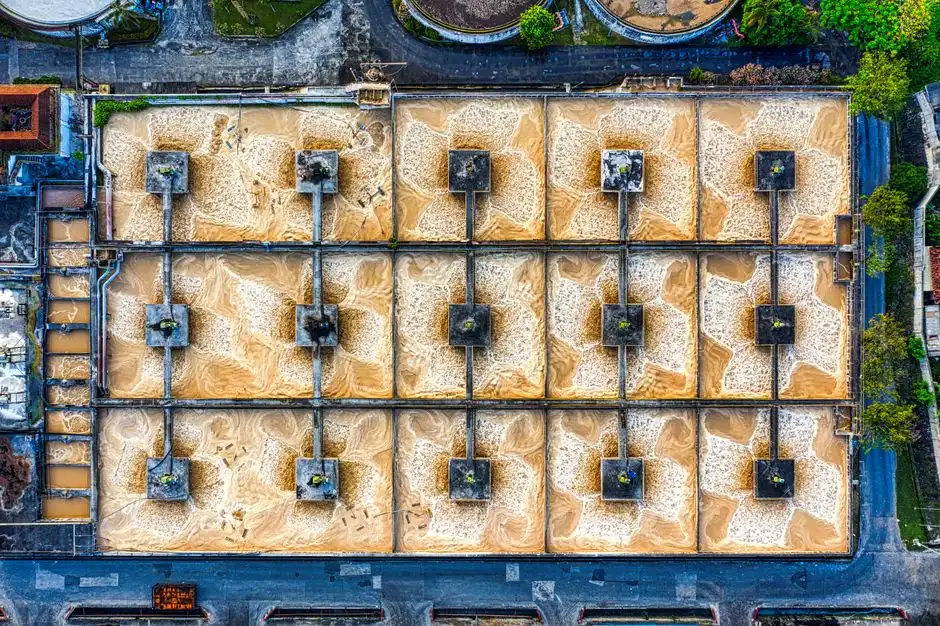
The defensible default for a Webster mining or metals plant in 2026 is a DAF system as the primary clarifier, paired with chemical precipitation for dissolved metals, a multi-media filter polish, and a plate and frame filter press for sludge dewatering. The lamella clarifier becomes the better primary only when the influent is overwhelmingly dense, fast-settling slurry with negligible oil or FOG — uncommon in fabricated-metals job shops. For very small sites under 30 m³/h, the COMPACT DAF concept (single skid with chemical conditioning and PLC, up to 66 GPM per S1) is the most cost-effective path because it minimizes installation labor and footprint. For mixed manufacturing — metalworking emulsion lines plus slurry lines — run a parallel DAF for the oily streams and a HydropureWater lamella clarifier for the slurry streams, then combine the effluents for shared precipitation and filtration. The exception is sites that handle only ore beneficiation with no oils; there, a lamella primary plus precipitation is the lower-OPEX, smaller-footprint choice.
Frequently Asked Questions
What influent conditions point to DAF over a lamella clarifier in a Webster mining or metals plant?
Route to DAF when the stream carries emulsified oils, FOG, latex, plastic fines, or low-specific-gravity metal-hydroxide floc — particles that 30–50 μm micro-bubbles (per Clearwater/SigmaDAF, 2026) can lift efficiently. Lamella wins when the stream is dense mineral slurry with rapid gravity settling and negligible oil content, where the 20–40 m/h surface loading rate outperforms bubble lift economics.
Can a DAF or lamella clarifier alone meet 40 CFR 437 metals limits?
No, not for dissolved metals such as Zn, Pb, Cu, Ni, and Cd. Both DAF (60–90% TSS, 70–95% FOG) and lamella (50–80% TSS) remove only the particulate fraction; the dissolved fraction requires pH adjustment and hydroxide or sulfide precipitation, typically followed by multimedia filtration, to meet 40 CFR 437 daily-maximum and monthly-average limits.
What is the realistic 2026 CAPEX range for a 30–100 m³/h DAF or lamella system in Webster, MA?
Equipment-only, a 30–100 m³/h DAF runs $80,000–$350,000 and a comparable lamella clarifier runs $60,000–$220,000 in 2026 USD; 316SS upgrades for corrosive metal baths add 20–40%. Installed turnkey is typically 1.5–2.5× equipment cost once piping, I&C, and startup are included, and a plate and frame filter press for sludge dewatering adds $25,000–$120,000.
How does a Massachusetts winter affect the choice between DAF and lamella?
DAF handles 0–5 °C operation better because the saturated recycle stream is pressurized and slightly warmed, and micro-bubble contact is less viscosity-sensitive than Stokes-law settling. Lamella performance degrades in cold water as viscosity rises and settling velocity drops, so a lamella design in MA should be jar-tested at winter temperature before final plate spacing is set. For more on fabricated-metals winter operation, see the fabricated metals DAF vs clarifier guide.