What 40 CFR 403 and POTW Local Limits Actually Require of an Auto Supplier
EV and auto plants near Ford Ranger and Bronco assembly sites must meet 40 CFR Part 403 categorical standards plus site-specific POTW local limits before sewer discharge. Plants typically hit those limits with a four-stage train: rotary bar screening, dissolved air flotation for oils and metals-bearing sludges, lamella clarification for suspended solids and metals precipitation, and chemical dosing for pH, cyanide, hexavalent chromium, and phosphorus control.
The General Pretreatment Regulations at 40 CFR 403.1 et seq. establish the responsibilities of government agencies, industries, and the public to control industrial pollutants that pass through, interfere with, or contaminate publicly owned treatment works (POTWs) and their sewage sludge (per EPA, 2026). Categorical pretreatment standards sit on top of that framework and apply to specific industrial categories — metal finishing, transportation equipment cleaning, and battery manufacturing all carry their own effluent limitations under 40 CFR Subchapter N.
Every supplier that discharges to a POTW is an Industrial User (IU) and must hold an industrial user permit, sometimes called a discharge permit, that sets site-specific numeric or narrative effluent limits at the end-of-pipe connection to the POTW collection system. POTWs with total design flow greater than 5 MGD are required to implement a pretreatment program; smaller POTWs (≤5 MGD) can also be required if they receive industrial waste and pretreatment is warranted (per California Water Boards, 2026). General prohibited discharge standards at 40 CFR 403.5 cover pollutants such as copper, lead, and nickel that pass through, interfere, or contaminate sludge. The minimum audit cadence is five years for compliance audits and annual compliance inspections for covered POTWs, and most automotive suppliers in the Wayne and Chicago footprints fall under the five-year audit cycle (per California Water Boards, 2026).
Wastestreams and Pollutants Inside an EV or Auto Plant Supplying Ranger or Bronco
Auto and EV tier suppliers feeding the Wayne Assembly and Chicago Assembly footprint generate a predictable set of wastestreams, each with a characteristic pollutant signature that maps directly to a treatment stage. The table below pairs shop-floor process to expected load so an EHS manager can match their own site's flow balance to the right unit process.
| Shop-Floor Process | Typical Flow Range | Pollutant Signature | Primary Treatment Stage |
|---|---|---|---|
| Stamping & machining | 5–80 m³/h | Tramp oils, emulsified FOG, high TSS, drawing compound | DAF + lamella |
| E-coat and phosphating rinse | 2–25 m³/h | Ni, Zn, hexavalent chromium, cyanide, total phosphorus | Chemical dosing + lamella |
| Paint detack and booth water | 3–40 m³/h | High TSS, paint solids, organic solvents, low-biodegradability COD | Coagulation + DAF or lamella |
| Battery cell / EV assembly | 1–15 m³/h | Lithium-bearing electrolyte washwater, glycol coolant flush, trace fluoride and cobalt | pH adjust + precipitation + MBR polish |
| Blank cleaning and floor wash | 1–10 m³/h intermittent | Variable pH (3–11), heavy metals, particulate carryover | Equalization + DAF + lamella |
The numbers above are typical for tier suppliers in the 50–500 m³/day range, which covers the bulk of stamping, e-coat, and gigafactory-adjacent operations feeding the Ranger and Bronco programs. Phosphating rinse water is the single most parameter-rich stream — it carries nickel and zinc from the conversion coating bath, residual hexavalent chromium from passivation stages, free and total cyanide from alkaline cleaners, and 20–80 mg/L total phosphorus as PO₄. Paint detack water, by contrast, is high in TSS (typically 500–3,000 mg/L) but low in dissolved metals; it responds to coagulation rather than hydroxide precipitation. Battery coolant flush streams add lithium and glycol that most older auto-plant pretreatment systems were never designed for, which is why new EV-supplier permits increasingly include lithium monitoring at 1–5 mg/L action levels.
The Pretreatment Train That Gets Discharge Below the Local Limit
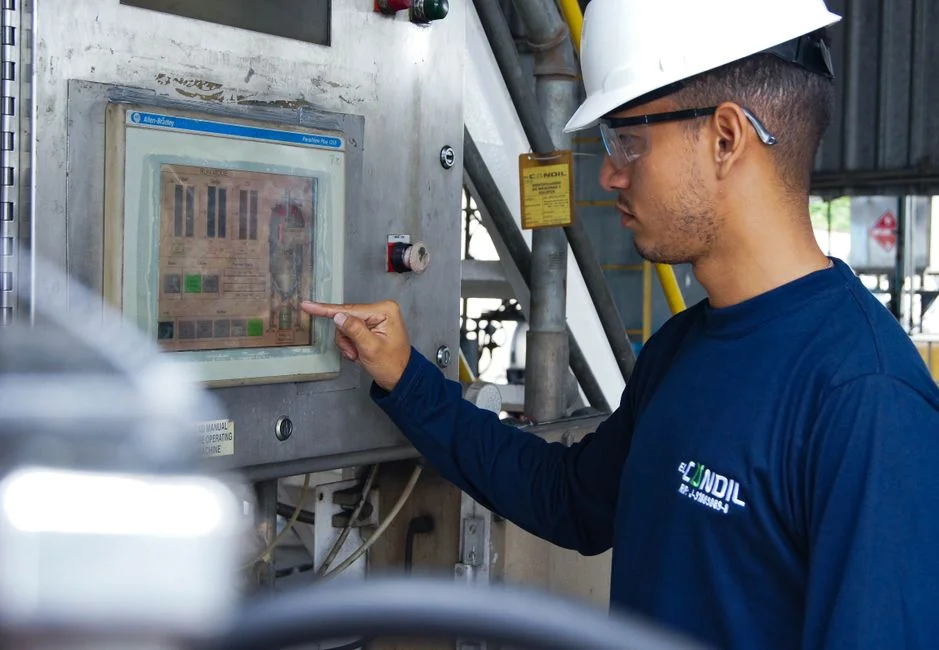
Process sequence matters as much as equipment selection. Pollutants have to be removed in an order that prevents one stage from undoing the work of another, and the typical four-stage train below reflects what consistently meets site-specific local limits in the Wayne and Chicago assembly supplier base.
- Stage 1 — Headworks screening. A rotary bar screen at 2–6 mm opening removes rags, plastics, and shop debris that would otherwise foul downstream DAF pumps and lamella plate packs. Suppliers running stamping wash water with high particulate carryover typically step this stage before equalization.
- Stage 2 — Dissolved air flotation. The DAF system is the workhorse for free and emulsified oils, FOG, and floated metal-bearing sludge. Operating range on a properly sized automotive-supplier DAF is 4–300 m³/h, with hydraulic retention time of 20–35 minutes and air-to-solids ratios between 0.015 and 0.040 kg air/kg solids. Coagulant and flocculant are injected upstream of the flotation cell to break emulsions and aggregate suspended solids into floatable floc.
- Stage 3 — Coagulation, flocculation, and lamella clarification. pH-adjusted effluent enters a flash mix reactor (1–3 minutes) followed by a flocculation basin (15–25 minutes) and a lamella clarifier with surface loading 20–40 m³/h. The inclined plate packs cut footprint versus conventional settling by roughly 70% and consistently drop TSS below 30 mg/L while precipitating dissolved Ni, Zn, and Cr³⁺ as metal hydroxide sludge.
- Stage 4 — PLC-controlled chemical dosing. A dedicated dosing skid handles pH adjustment (NaOH or H₂SO₄), hexavalent chromium reduction (NaHSO₃ or FeSO₄ at pH 2.0–2.5 with 30–60 minute retention), cyanide oxidation (alkaline chlorination to pH 10.5–11 with ORP setpoint +600 mV), and phosphorus precipitation (lime or alum in a stirred reaction tank ahead of the lamella).
Optional Stage 5 is an MBR or RO polish where POTW local limits or sewer surcharges make water reuse economic — typically when surcharges exceed $0.008/gallon or when the supplier has on-site demand for rinse-quality water. For a supplier whose discharge volume is dominated by e-coat and phosphating rinse, a well-tuned DAF plus lamella train recovers roughly 60–75% as reuse-quality permeate, with the balance sent to sewer below local limits (HydropureWater field data, 2026). The same train pairs with a DAF system for oil, FOG, and floated metal-hydroxide sludge at the upstream end of the skid.
Meeting Specific Local Limits: Parameter-by-Parameter
Permit defense comes down to specific numbers on specific parameters. The table below maps each regulated pollutant to the technology that strips it, the typical endpoint that meets most Wayne-area and Chicago-area POTW local limits, and the operating window the chemistry has to stay inside. The local limits themselves are site-specific and must be pulled from the supplier's individual industrial user permit, but the discharge concentrations in column three are what a properly operated four-stage train will reliably hit.
| Parameter | Treatment Mechanism | Typical Effluent Endpoint | Key Operating Control |
|---|---|---|---|
| Oil & grease | DAF with coagulant | <15 mg/L | Emulsion breaker dose, pH 6.5–7.5 |
| Total suspended solids | Lamella polish after DAF | <30 mg/L | Surface loading 20–40 m³/h on lamella |
| Nickel, zinc, copper | Hydroxide precipitation at pH 9–10 | <1.0 mg/L each (site-specific) | pH controller on lamella feed |
| Hexavalent chromium | Reduction to Cr³⁺ with NaHSO₃ or FeSO₄ at pH <3 | <0.1 mg/L | ORP setpoint +250 to +350 mV, 30–60 min RT |
| Total cyanide | Alkaline chlorination to cyanate | <0.2 mg/L | ORP >+600 mV at pH 10.5–11 |
| Total phosphorus | Lime or alum precipitation | <1.0 mg/L (site-specific) | Molar ratio 1.5–2.0× stoichiometric |
Three engineering details matter more than the others. First, hexavalent chromium reduction has to run at pH below 3 — if the pH drifts above 3.5, reduction kinetics collapse and Cr⁶⁺ passes through. Second, cyanide oxidation requires alkaline pH; running chlorination in an acidic stream generates chlorine gas and fails the ORP endpoint. Third, phosphorus precipitation is order-sensitive: alum works at pH 5.5–6.5, lime needs pH 9.5+, and the two cannot share a single reaction tank. Suppliers who try to combine pH, chromium, and phosphorus control in one reactor invariably fail at least one parameter during upset. A lamella clarifier for metals precipitation and TSS polishing downstream of the dosing skids handles the solids separation once the chemistry is right.
Selecting Equipment for a New or Retrofit Auto-Plant Pretreatment System
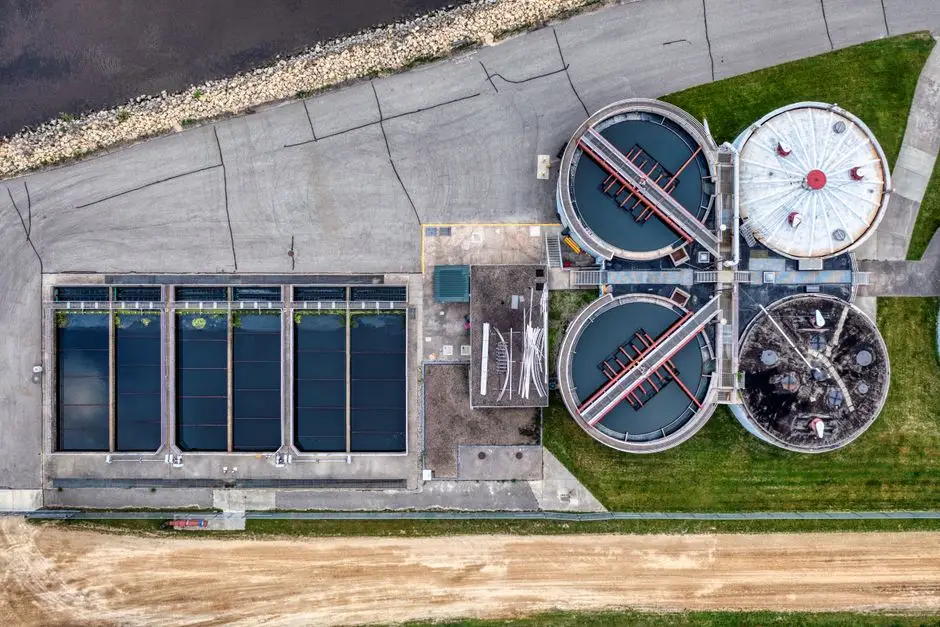
Equipment selection is a flow and footprint problem, not a technology preference problem. Match each stage to the actual peak hourly flow, not the daily average, and the train will hold local limits under upset conditions without operator intervention.
Screening sets the upstream boundary — a rotary bar screen for headworks solids removal at 2–6 mm opening is the standard choice for automotive suppliers because it self-cleans, handles tramp metal from stamping wash, and protects downstream DAF and lamella equipment from fouling. For a 100 m³/day stamping plant, a GX-600 series screen with 600 mm channel width typically handles peak flows of 25 m³/h without bypass.
Primary oil and metals removal is the DAF's job. The DAF operating envelope is 4–300 m³/h, and the right unit is the one sized to peak flow, not average flow, with a 20% margin. Sizing to average flow is the single most common cause of permit excursions during morning shift startup when the e-coat line dumps a slug of rinse water. Solids and metals polishing comes from a lamella clarifier running at 20–40 m³/h surface loading; staying inside that band cuts coagulant consumption by 20–30% versus underloaded operation and avoids settled-solids washout versus overloaded operation.
Chemical feed is the stage operators most often get wrong, and it is the stage that most often causes a permit excursion. An PLC-controlled chemical dosing for pH, chromium, and cyanide control with ORP and pH feedback loops holds setpoints inside ±0.2 pH units and ±25 mV ORP, which is tighter than any manual operation and is the difference between a passing and failing DMR in many cases. Sludge handling closes the loop — a filter press for floated and settled sludge dewatering at 30–40% dry cake solids minimizes off-site disposal tonnage and keeps the DAF float layer and lamella underflow from re-suspending in the sludge holding tank.
For an EV/auto supplier near the Ford footprint, the engineering spec that's often missing from generic guidance is the chemistry window itself: pH 2.0–2.5 for chromium reduction, pH 9.5–10.5 for metals precipitation, and pH 10.5–11 for cyanide oxidation, each in a separate reactor. Suppliers who try to combine these into a single stage will fail at least one parameter during upset, and an EHS manager reviewing a proposed skid should reject any single-reactor "all-in-one" design before it reaches the procurement stage. A Illinois industrial wastewater engineering and compliance guide is a useful cross-check against the supplier's individual permit, as is the broader EV/auto plant pretreatment compliance guide for another Ford-region. For the DAF-versus-clarifier question that comes up at the procurement stage, the DAF vs. clarifier decision guide for transportation equipment wastewater lays out the flow and FOG loading breakpoints.
Frequently Asked Questions
What triggers a categorical pretreatment standard versus a site-specific local limit?
Categorical standards are set by EPA under 40 CFR Subchapter N for specific industrial categories (metal finishing, transportation equipment cleaning, battery manufacturing) and apply nationwide. Local limits are site-specific numeric or narrative effluent limits imposed at the end-of-pipe discharge into the POTW collection system to protect that specific POTW from pass-through, interference, and sludge contamination. A supplier must meet whichever is more stringent on a parameter-by-parameter basis (per EPA, 2026).
How is a DAF sized for an automotive supplier with both stamping and e-coat flows?
Size the DAF to peak hourly flow, not daily average, and add a 20% margin. A supplier with combined stamping and e-coat peak flow of 60 m³/h needs a DAF in the 70–75 m³/h range; the DAF operating envelope of 4–300 m³/h covers most tier-1 and tier-2 footprints. Stamping emulsions typically drive air-to-solids ratios of 0.025–0.035 kg air/kg solids (HydropureWater field data, 2026).
What is the typical local limit for oil and grease at Wayne-area and Chicago-area POTWs?
Most Wayne-area and Chicago-area POTWs set oil and grease limits in the 10–25 mg/L range at the end-of-pipe, though the exact number comes from the supplier's individual industrial user permit. A properly operated DAF with emulsion-breaking coagulant reliably drives effluent below 15 mg/L, which clears most local limits with margin for upset (per EPA 40 CFR 403.5 prohibited discharge framework, 2026).
Why do most chromium reduction systems run at pH below 3?
Hexavalent chromium reduction with sodium metabisulfite or ferrous sulfate is kinetically pH-dependent. Above pH 3.5, reduction rate drops sharply and Cr⁶⁺ passes through the reactor unreacted. Operating window is pH 2.0–2.5 with 30–60 minutes hydraulic retention time and ORP setpoint between +250 and +350 mV to confirm complete reduction before pH is raised for metals precipitation.