
Mining vs Fabricated Metals Wastewater: Why Mckenzie Facilities Need Different Technology
Mining and mineral processing facilities in the Mckenzie, Tennessee region face distinct wastewater challenges that deviate significantly from the fabricated metals sector, primarily due to the chemical complexity of acid mine drainage (AMD) and the presence of naturally occurring radioactive materials (NORM). While fabricated metals plants often handle near-neutral, predictable streams, mining operations must manage pH swings ranging from 2.5 to 4.5. Effective treatment for these streams requires a two-stage neutralization approach: initial lime (CaO) addition to reach pH 7.0 for iron and manganese oxidation, followed by caustic (NaOH) dosing to pH 9.5–10.5 to precipitate heavy metal hydroxides such as copper, zinc, and lead. Unlike the standardized processes governed by EPA 40 CFR 433 for fabricated metals, mining effluent is regulated under EPA 40 CFR 440, which sets specific Best Available Technology (BAT) limits—for example, copper daily maximums of 0.3 mg/L and lead at 0.6 mg/L. These strict limits necessitate high-precision instrumentation, as even minor deviations in chemical dosing can lead to immediate compliance failures during discharge monitoring reports (DMRs).
Metal speciation in mining wastewater is highly variable compared to industrial manufacturing. Dissolved metals require precise pH control for effective hydroxide precipitation, while iron and manganese often necessitate oxidative pretreatment to form settleable or floatable species. Mining sites experience extreme hydraulic variability; stormwater infiltration can create 10:1 flow rate spikes, whereas fabricated metal facilities typically operate at steady-state flows. DAF systems offer superior performance in this context because the recycle ratio can be adjusted in real-time to maintain bubble-to-particle collision efficiency during hydraulic surges. Facilities handling phosphate or uranium ores must account for NORM in their sludge. TCLP (Toxicity Characteristic Leaching Procedure) testing for radium and other isotopes is a mandatory regulatory step that dictates whether sludge must be handled as hazardous waste, impacting the total cost of ownership (TCO) for any chosen separation technology. Proactive monitoring of the influent mineralogy is critical to managing the long-term chemical and disposal costs associated with these complex aqueous streams.
DAF vs Lamella Clarifier: Parameter Comparison for Metal-Bearing Wastewater
Selecting the optimal solids-liquid separation technology depends on matching particle morphology and hydraulic loading to the specific characteristics of your ore processing stream. DAF systems, such as the DAF systems (4-300 m³/h), excel at capturing colloidal metal hydroxides in the 1–50 μm range by utilizing microbubble attachment to lift particles to the surface. In contrast, lamella clarifiers with 20-40 m/h surface loading are gravity-based and perform best with denser, coarse flocs (>50 μm). For a deeper understanding of the physical separation mechanics, see our DAF engineering mechanics and efficiency deep-dive. If you are comparing this to standard manufacturing processes, refer to our fabricated metals DAF vs clarifier comparison. Engineers must also evaluate the potential for scaling or fouling from calcium carbonate precipitation, which can occur more rapidly in the high-pH environments typical of mining wastewater treatment.
| Parameter | DAF | Lamella Clarifier |
|---|---|---|
| Particle Removal Size | 1–50 μm (Colloidal) | >50 μm (Coarse/Settleable) |
| Hydraulic Loading | 5–15 m/h | 20–40 m/h |
| Coagulant Dosage | 20–50 mg/L | 15–35 mg/L (30% less) |
| Oil/Emulsion Removal | 90% efficiency | Ineffective |
| Metals Removal (Cu/Zn/Pb) | 90–98% | 80–92% |
| Footprint Requirement | Compact (Modular) | Low (High-volume units) |
Process Integration: Chemical Dosing, pH Control & Sludge Management for Mining Streams
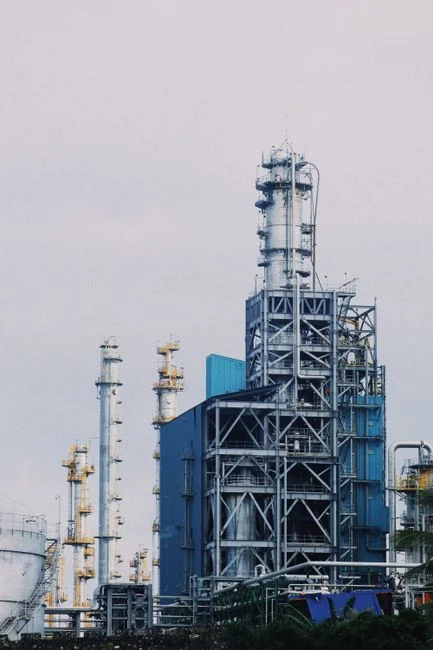
The efficiency of your primary separation equipment depends on the upstream chemical conditioning train. For mining applications, a PLC-controlled chemical dosing for pH adjustment and coagulation is essential to stabilize the influent. Ferric chloride (20–50 mg/L) is the preferred coagulant for metal hydroxide sweep flocculation at pH >9, while anionic polymers (1–5 mg/L) are required to bridge colloids for effective DAF bubble attachment. When treating hexavalent chromium treatment for metal finishing wastewater, similar chemical integration logic applies, though mining streams often require higher dosing volumes due to higher initial metal concentrations. Regular calibration of ORP (Oxidation-Reduction Potential) probes is vital to ensure that the chemical reduction of hexavalent chromium or the oxidation of ferrous iron proceeds to completion before the wastewater enters the separation stage.
Sludge management represents a significant portion of long-term OPEX. DAF produces a lighter, more hydrophobic sludge (2–5% solids) that floats and is skimmed from the surface, whereas lamella clarifiers produce a denser, settled sludge (3–8% solids). Regardless of the primary system, you will require filter presses (1-500 m²) for metal-laden sludge dewatering to reach final disposal dryness. Budgeting for TCLP testing (EPA Method 1311) is critical; stabilization costs for hazardous mining sludge (using cement kiln dust or fly ash) can range from $150–300/ton, compared to $50–80/ton for non-hazardous landfill disposal. If your Mckenzie-area facility intends to reuse process water, DAF effluent typically requires less downstream polishing, often feeding directly into RO/UF systems, while clarifier effluent usually necessitates tertiary multimedia filtration to meet reuse standards. Investing in high-quality filter cloth and automated plate shakers can further optimize cycle times for sludge processing, reducing labor requirements.
Decision Framework: Matching Your Mckenzie Mine Site to the Right Technology
Site selection relies on evaluating flow stability, target contaminant size, and the availability of space. If your flow is below 100 m³/h with high variability (>3:1), or if you are managing drilling-related oil emulsions alongside metal hydroxides, DAF is the standard selection. If you have a steady, high-volume flow (>100 m³/h) of coarse tailings decant water, a lamella clarifier provides a lower CAPEX and OPEX solution. At many copper and molybdenum concentrators, a hybrid approach is used: a lamella clarifier removes bulk coarse solids, followed by a DAF unit for final polishing of colloidal metals to meet the strict 0.3 mg/L Cu limit mandated by 40 CFR 440.13. By layering these technologies, operators can achieve superior effluent quality while maintaining a robust system capable of handling the inevitable variations in raw ore grades and seasonal groundwater ingress.
| Site Driver | Primary Choice | Key Economic Impact |
|---|---|---|
| Variable Stormwater Flow | DAF | Prevents permit exceedance during spikes |
| High-Volume Steady Flow | Lamella Clarifier | Lower energy/chemical consumption |
| Colloidal Metal Presence | DAF | Higher removal rates for Cu/Zn |
| Strict Effluent Limits | Hybrid System | Ensures compliance at higher CAPEX |
Frequently Asked Questions
How does EPA 40 CFR 440 affect my technology choice in Tennessee?
EPA 40 CFR 440 establishes technology-based effluent limitations for specific ore subcategories (e.g., copper, lead, zinc). Because these limits are often more stringent than general industrial standards, they dictate the required removal efficiency of your primary separation system. Failing to meet these limits can result in non-compliance with your Tennessee NPDES permit. Facilities must ensure their chosen equipment meets the "Best Available Technology" criteria defined within the federal regulatory framework.
What is the typical sludge disposal cost difference between DAF and clarifiers?
Clarifiers generally produce a higher-density sludge (3–8% solids) compared to DAF (2–5%). While DAF sludge has a higher volume, it is easier to dewater using filter presses. Total disposal costs are driven by TCLP results; if the sludge is classified as hazardous, disposal costs can exceed $300/ton regardless of the technology used. Accurate sludge profiling is essential for accurate budget forecasting.
Can DAF systems handle the pH swings common in acid mine drainage?
DAF systems are sensitive to extreme pH, but they are typically installed downstream of an equalization and neutralization tank. The recycle pressurization loop in a DAF system provides some buffering capacity, but consistent pH control within the 9.5–10.5 range is required for effective metal hydroxide precipitation before the water reaches the flotation zone. Maintaining an automated dosing control loop protects the DAF internals from premature chemical degradation.