Regulatory Framework: What Mount Joy Requires
Fabricated metals plants near Mount Joy meet pretreatment limits by adhering to a multi-tiered regulatory structure that balances EPA categorical standards with site-specific local limits mandated by the Mount Joy Borough Authority (MJBA). Under the Pennsylvania Department of Environmental Protection (PA DEP) approved state pretreatment program, the MJBA acts as the Control Authority for all industrial users (IUs) within its service area (source: PDH Academy 2023-09, p. 16).
Most fabricated metals facilities are classified as Categorical Industrial Users (CIUs). Operations involving electroplating, anodizing, or conversion coating fall under 40 CFR 433 (Metal Finishing), while facilities focused on melting, casting, or forming typically fall under 40 CFR 421 (Nonferrous Metals). These federal standards set the floor for effluent quality, but the MJBA enforces stricter requirements based on its Maximum Allowable Headworks Loading (MAHL). During pre-application, engineers must request the current local limits table and the MAHL basis to ensure the design accounts for specific POTW capacity constraints (source: PDH Academy 2023-09, p. 18).
| Regulatory Tier | Authority | Compliance Driver |
|---|---|---|
| Federal | EPA | 40 CFR 433/421 (Categorical Standards) |
| State | PA DEP | Approved State Pretreatment Program |
| Local | MJBA | Sewer Use Ordinance & Local Limits |
Pollutant Profile: What Fabricated Metals Wastewater Actually Contains
Characterizing the waste stream is the primary design driver for 5,000–50,000 gpd fabricated metals facilities, as metal loading dictates the required chemical precipitation capacity. Alkaline cleaning rinse waters typically contain surfactants and suspended metals with a pH of 10–12 and TSS levels ranging from 200–1,000 mg/L. Conversely, acid pickling and etching rinses introduce low pH (1–3) streams laden with dissolved metals like Fe, Cr, Ni, Cu, and Zn at concentrations of 50–500 mg/L.
For shops with significant machining, wastewater often contains emulsified oils (500–5,000 mg/L) and high COD (1,000–10,000 mg/L), which require oil-water separation prior to metals precipitation. If electroplating or anodizing is performed on-site, the waste stream may contain complexed metals and cyanide (CN) requiring specific destruction steps. Design parameters must account for peak hourly flows that are typically 2–3 times the average daily flow, ensuring that hydraulic retention times in neutralization and precipitation tanks remain sufficient to prevent short-circuiting during surge events.
Treatment Train Selection: Matching Technology to Metal Speciation
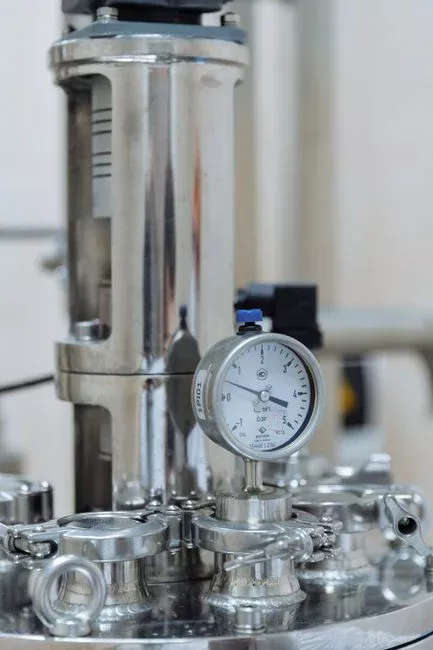
Selecting the correct precipitation chemistry—hydroxide vs. sulfide—is the primary factor in meeting the stringency of the MJBA discharge permit. Hydroxide precipitation using lime or caustic is effective for standard Cu, Zn, Pb, and Ni removal, achieving 95%+ efficiency at pH 9.5–10.5 with low chemical costs of $0.05–0.15/1000 gal. If MJBA local limits for total metals are below 0.5 mg/L, sulfide precipitation using NaHS or FeS is necessary to achieve sub-0.1 mg/L concentrations, requiring ORP control between -200 and -300 mV (source: HydropureWater field data, 2026).
| Technology | Target Pollutants | Primary Benefit |
|---|---|---|
| Hydroxide Precipitation | Cu, Zn, Pb, Ni | Low cost, stable operation |
| Sulfide Precipitation | Cd, Cr, Ni, Cu | Meets ultra-low local limits |
| DAF | TSS, Metal Hydroxide Floc | 92–97% TSS removal efficiency |
| Plate & Frame Press | Hazardous metal sludge | 25–35% cake solids for disposal |
For solid-liquid separation, the DAF for metal hydroxide separation consistently outperforms gravity clarifiers for light floc, achieving 3–5% solids compared to 1–2% for gravity-based systems. For hazardous sludge management, a filter press for hazardous metal sludge dewatering is required to reach the 25–35% solids content necessary to pass TCLP disposal criteria. If complexing agents like EDTA are present, co-precipitation with 20–50 mg/L of FeCl3 is recommended to minimize metal carryover. All chemical additions should be managed by an PLC-controlled precipitation chemical dosing unit to maintain strict pH and ORP setpoints.
Sizing Example: 15,000 gpd Fabricated Metals Facility
A 15,000 gpd facility requires a design flow of 45,000 gpd at peak (3×) to prevent permit violations during production surges. The equalization tank should be sized at 20,000 gallons to provide a 24-hour retention time for pH and flow balancing. For pH adjustment, two 500-gallon tanks in series provide 15-minute retention, allowing for precise acid/caustic dosing. If Cr(VI) is present, a 1,500-gallon reduction tank at pH 2.5 is essential before the primary precipitation stage.
| Component | Sizing Metric | Retention/Capacity |
|---|---|---|
| Equalization Tank | 1.3 × Avg Daily Flow | 20,000 Gallons |
| Precipitation Tank | Rapid Mix + Floc | 9,000 Gallons (Peak) |
| DAF Unit | Peak Flow Capacity | DAF-20 (20 m³/h) |
| Filter Press | Cycle Throughput | 50 m² Area |
The precipitation train should utilize a 3,000-gallon rapid-mix tank followed by a 6,000-gallon flocculation tank to ensure proper floc formation before entering the DAF unit. The DAF-20 model is appropriate for this flow rate, providing sufficient capacity for the 94 gpm peak flow. The filter press should be sized to a 50 m² filtration area, which, at a 4-hour cycle time, manages the facility's sludge production while ensuring the cake meets local disposal standards.
Permit Submission & MJBA Coordination Checklist
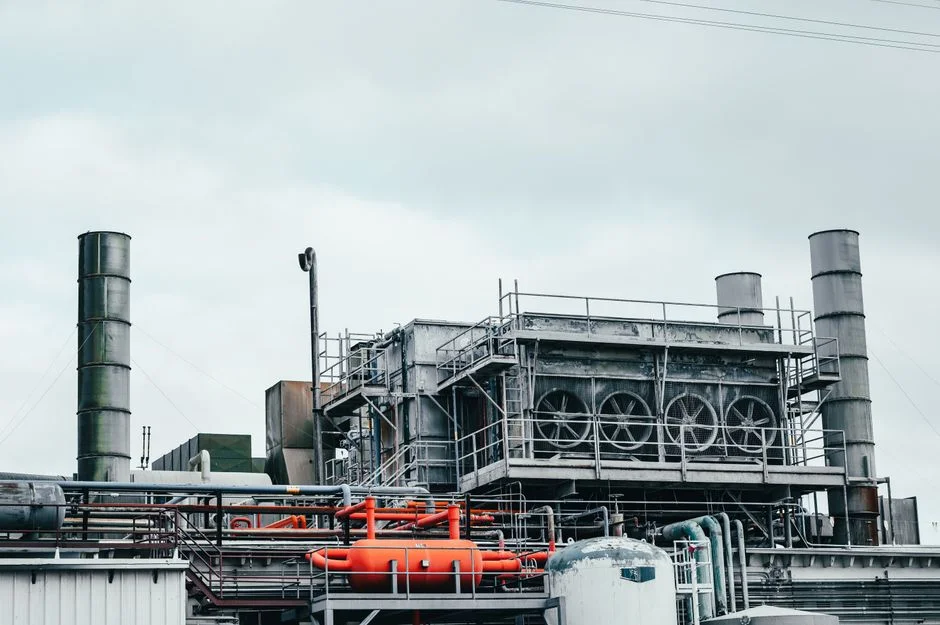
Securing a pretreatment permit requires proactive coordination with the MJBA to define the specific sampling points and reporting protocols. The initial submission must include a 5-day composite sampling report analyzing all 40 CFR 433/421 metals using EPA Method 200.7/200.8, along with CN, FOG, and BOD levels. Engineering reports must clearly document the mass balance, hydraulic profile, and the GX series bar screen for pretreatment headworks if debris is present in the raw influent.
Compliance with PSNS (Pretreatment Standards for New Sources) requires the system to be fully operational and compliant within 90 days of the commencement of discharge (source: PDH Academy 2023-09, p. 35). Automation is required; the PLC must log pH, ORP, and flow data for quarterly reporting and trigger an automatic alarm to the MJBA in the event of an exceedance. Given the technical nature of these systems, facilities should budget 10–15% of total CapEx for financial assurance and ensure that a PA DEP licensed operator is assigned to manage the system to avoid operational non-compliance.
Frequently Asked Questions
What categorical standard applies to my fabricated metals plant — 433 or 421?
40 CFR 433 (Metal Finishing) typically applies if your facility performs electroplating, anodizing, or chemical conversion coating. 40 CFR 421 (Nonferrous Metals) applies to facilities involved in melting, casting, or forming nonferrous metals. You must confirm this determination with the MJBA during the permit pre-application phase.
How do I get Mount Joy Borough Authority's current local limits table?
You must contact the MJBA engineering or pretreatment department directly to request the current local limits and the MAHL (Maximum Allowable Headworks Loading) allocation method. These values are not always published on public websites and are subject to change based on the POTW's current PA DEP discharge permit status.
What sludge disposal options exist for metal-bearing filter press cake in Pennsylvania?
Filter press cake from metal finishing is typically classified as hazardous waste (e.g., F006 sludge) due to metal content. You must perform a TCLP (Toxicity Characteristic Leaching Procedure) test to determine if the waste is hazardous. Disposal must occur at a permitted hazardous waste landfill, and the facility must maintain a manifest for all sludge shipments to comply with PA DEP regulations.