Why Phoenix Resorts Need a Purpose-Built Wastewater System
Central Arizona's allocation cuts from the Colorado River system, combined with declining flow in the Salt and Verde watersheds, have pushed Phoenix municipal rates above USD 5 per cubic meter in 2026, and the city of Phoenix now expects commercial properties discharging more than 25 m³/day to evaluate reuse rather than potable irrigation. For a 744-suite property with over 120,000 sq ft of meeting space, like the Arizona Grand, and a comparable all-suite resort such as the Hilton Phoenix Tapatio Cliffs (65,000 sq ft of event venues), the operating reality is a 2.5–3.5× peaking factor during banquet turnover and morning shower blocks (per HydropureWater hospitality field data, 2026). The waste stream is not a single sanitary flow: it merges guest-room sewage, F&B FOG from kitchens and room service at 40–80 mg/L, high-pH laundry discharge (pH 9–11 from optical brighteners), and pool/spa backwash carrying 50–200 mg/L free chlorine and elevated TDS. A packaged municipal plant sized on BOD alone will fail on the FOG slug, and a chemical-physical plant will choke on the hydraulic surge. The design outcome for a 2026 Phoenix resort is fixed: the system must produce ADEQ Type 2 reclaimed water suitable for golf course and unrestricted landscape irrigation, not merely sanitary compliance effluent.
ADEQ and EPA Rules Governing Phoenix Hotel Effluent in 2026
The ADEQ Aquifer Protection Permit (APP) is the controlling permit for any on-site subsurface disposal or recharge system, and it sets the engineering floor for effluent quality before any reuse approval is granted. Type 2 reclaimed water — the classification covering golf course and unrestricted landscape irrigation — requires BOD ≤10 mg/L, TSS ≤5 mg/L, turbidity ≤2 NTU, and fecal coliform ≤200 CFU/100 mL (per ADEQ Reclaimed Water Quality Standards, R18-11-3, as updated through 2025). Any biosolids generated for surface disposal or composting must meet EPA 40 CFR Part 503 pathogen reduction and vector attraction requirements, including the 38 °C/22-day Class B equivalent or a Class A PFRP demonstration. The 2017 Arizona onsite wastewater rules, refreshed through the 2022–2025 update cycle, tightened setbacks for subsurface disposal and clarified the documentation required for decentralized resort systems, which means a 2026 design must show hydraulic and nutrient mass balance, not just a treatment train. The table below lists the parameters that govern process selection.
| Parameter | ADEQ Type 2 Limit | EPA 40 CFR 503 Reference | Design Driver |
|---|---|---|---|
| BOD₅ | ≤10 mg/L | — | MBR membrane integrity |
| TSS | ≤5 mg/L | — | Membrane pore size <0.1 μm |
| Turbidity | ≤2 NTU | — | ClO₂ or UV polishing |
| Fecal coliform | ≤200 CFU/100 mL | — | Disinfection CT credit |
| Total nitrogen | Site-specific, typically ≤10 mg/L | — | Reuse irrigation protection |
| Volatile solids (biosolids) | — | Class A or B PFRP | Sludge handling pathway |
Influent Characteristics: Sizing for a 500-Room Phoenix Resort
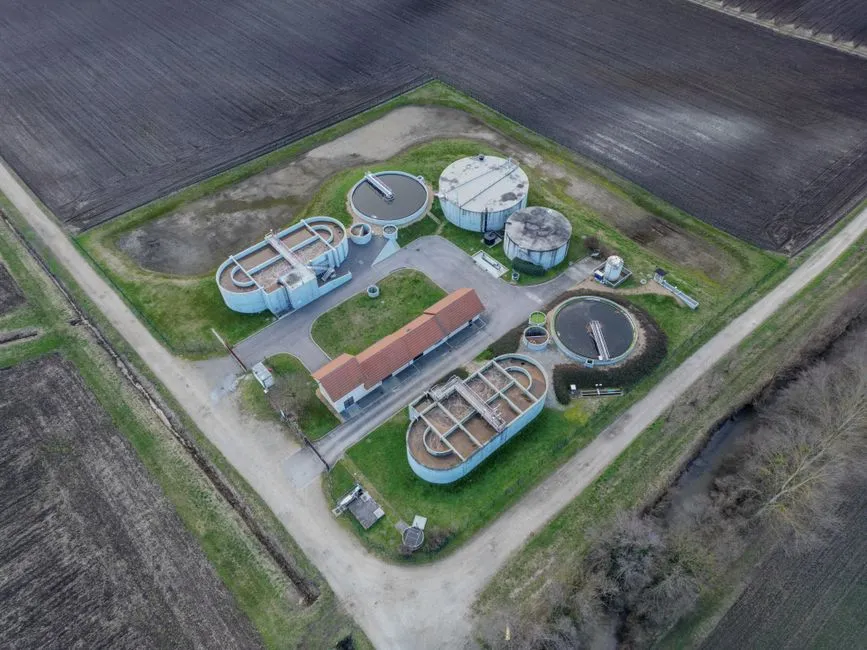
For a 500-room full-service Phoenix resort with F&B, on-site laundry, and a pool complex, the standard hospitality loading benchmark of 250–400 L per occupied room per day yields 125–200 m³/day average daily flow (HydropureWater hospitality field data, 2026); adding banquet and convention surges lifts the design envelope to 150–250 m³/day. Typical raw influent characteristics should be assumed at BOD 250–400 mg/L, COD 500–800 mg/L, TSS 200–350 mg/L, FOG 40–80 mg/L, total nitrogen 30–50 mg/L, and total phosphorus 5–10 mg/L — these are design envelopes for desert full-service resorts, not municipal defaults. Hourly hydraulic peaking reaches 2.5–3.5× average flow during the 06:00–09:00 shower window and post-event turnover, and organic peaking runs 1.5–2× during banquet days, so equalization volume must be sized at 20–30% of daily flow. Pool backwash is a separate side-stream: dechlorination via sodium thiosulfate (typically 5–8 mg/L per mg/L residual Cl₂) or granular activated carbon is required before merging with biological treatment, otherwise residual oxidant will kill the MBR biomass. The table below summarizes the design basis an engineer would adapt to a specific property.
| Parameter | Typical Range | Design Value (500-room) | Unit |
|---|---|---|---|
| Average daily flow | 125–200 | 175 | m³/day |
| Peak hourly flow | 2.5–3.5× ADF | 525 | m³/day equiv. |
| BOD₅ | 250–400 | 325 | mg/L |
| COD | 500–800 | 650 | mg/L |
| TSS | 200–350 | 275 | mg/L |
| FOG | 40–80 | 60 | mg/L |
| Total nitrogen | 30–50 | 40 | mg/L |
| Total phosphorus | 5–10 | 7 | mg/L |
| Equalization volume | 20–30% of ADF | 45 | m³ |
Technology Comparison: MBR vs MBBR vs Packaged A/O for Desert Resorts
MBR delivers the smallest footprint, the most stable effluent, and the only process that meets ADEQ Type 2 reuse limits without tertiary filtration, which is why it is the default for Phoenix resorts in 2026. The submerged membrane module used in an integrated MBR membrane bioreactor system operates at 0.1 μm nominal pore size, replacing the secondary clarifier and producing TSS typically <2 mg/L directly from the bioreactor. Compared with MBBR, MBR takes roughly 60% less footprint and survives Phoenix ambient swings of 10–40 °C without the biomass washout risk that hits biofilm carriers. MBBR is the lower-CAPEX option at roughly 15–25% below MBR (HydropureWater market envelope, 2026) and avoids membrane replacement exposure, but it produces effluent at TSS 15–30 mg/L and BOD 15–25 mg/L — a tertiary stage (sand filter + UV or cloth media filter) is mandatory to reach Type 2 reuse, and that cost erases most of the CAPEX advantage. Packaged A/O is the fastest deploy and lowest first cost, but its footprint is largest, its sludge yield is highest, and its effluent rarely reaches reuse without significant polishing. For a deeper head-to-head on industrial buyers, the MBR vs MBBR comparison for industrial buyers runs the same numbers from an OPEX perspective. The table below is the side-by-side an EPC consultant can hand to ownership.
| Criterion | MBR | MBBR | Packaged A/O |
|---|---|---|---|
| Footprint (relative) | 0.4× | 0.7× | 1.0× |
| Effluent BOD (mg/L) | ≤5 | 15–25 | 20–30 |
| Effluent TSS (mg/L) | ≤2 | 15–30 | 20–30 |
| CAPEX band (USD/m³/day) | 2,000–3,500 | 1,700–2,800 | 1,500–2,400 |
| OPEX band (USD/m³) | 0.40–0.70 | 0.30–0.55 | 0.35–0.60 |
| Reuse-ready? | Yes, with UV/ClO₂ | Requires tertiary | Requires polishing |
| Operator skill | Moderate | Low–moderate | Low |
Recommended Process Train for a Phoenix Resort in 2026
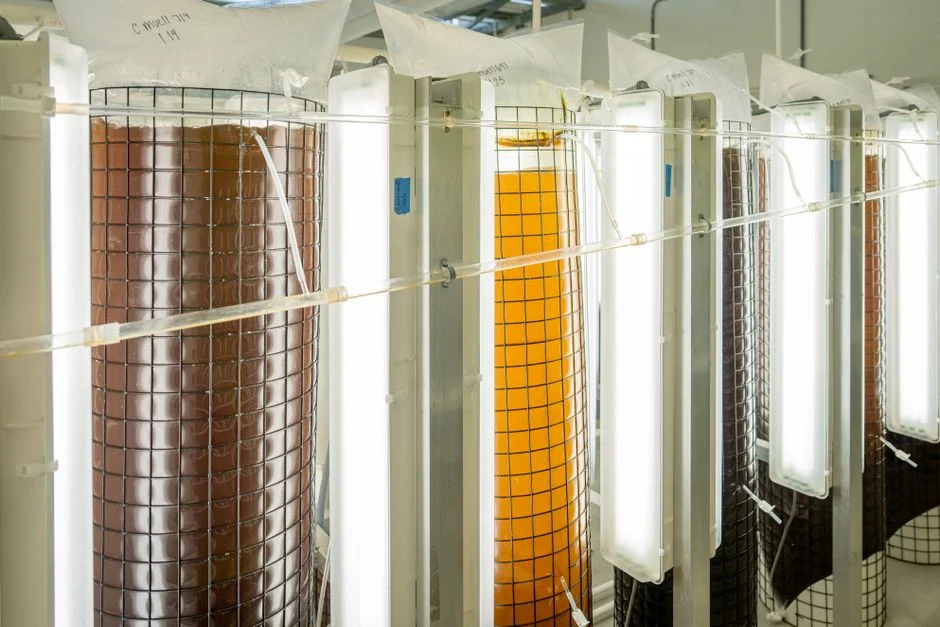
The defensible 2026 flowsheet for a 200–800-room Phoenix resort runs in this sequence: GX rotary mechanical bar screen at 2–6 mm aperture for headworks protection, followed by a grit chamber, equalization basin, a dissolved air flotation unit for FOG and suspended solids reduction (typical 60–90% FOG removal, 50–80% TSS), then the MBR with anoxic + aerobic zones and submerged PVDF flat-sheet membranes at 0.1 μm, an on-site chlorine dioxide generator for CT-credited disinfection, and a reclaimed water storage tank feeding the irrigation distribution network. Waste activated sludge is concentrated in the MBR itself and then dewatered on a plate-and-frame filter press to 20–25% dry solids cake, suitable for offsite landfill or composting under EPA 40 CFR Part 503. A secondary benefit specific to Phoenix: MBR mixed liquor operates at 28–32 °C year-round from influent heat, and the warm effluent stream can pre-heat boiler makeup water through a simple plate heat exchanger, recovering roughly 8–12% of the MBR's power draw as thermal offset (HydropureWater field data, 2026). This flowsheet is the one the EPC consultant should freeze before vendor selection.
Capital and Operating Cost Bands for a 2026 Phoenix Resort
For a 150–500 m³/day MBR-based resort plant, CAPEX in the 2026 U.S. market falls in the USD 1,500–3,500 per m³/day band, all-in including civil, headworks, MBR skids, disinfection, sludge handling, and SCADA (HydropureWater 2026 market envelope). OPEX runs USD 0.35–0.70 per m³ treated, dominated by membrane aeration power (typically 0.25–0.45 kWh/m³ for submerged MBR) and chemicals — ClO₂ precursor, coagulant, and polymer. At Phoenix 2026 potable water rates, replacing irrigation of an 18-hole resort golf course at 1,500–3,000 m³/day in summer recovers the MBR CAPEX premium over MBBR in roughly 4–6 years through avoided water purchase, and the payback compresses further if the resort also reuses for cooling-tower makeup. The four cost drivers a buyer should pin down in any vendor quote are membrane replacement interval (7–10 years for quality PVDF), ClO₂ chemical unit cost, sludge haul-off frequency (driven by dewatered cake solids), and SCADA/automation scope, since these four typically account for more than 70% of lifecycle cost over a 20-year horizon.
2026 Decision Checklist for Phoenix Resort Buyers
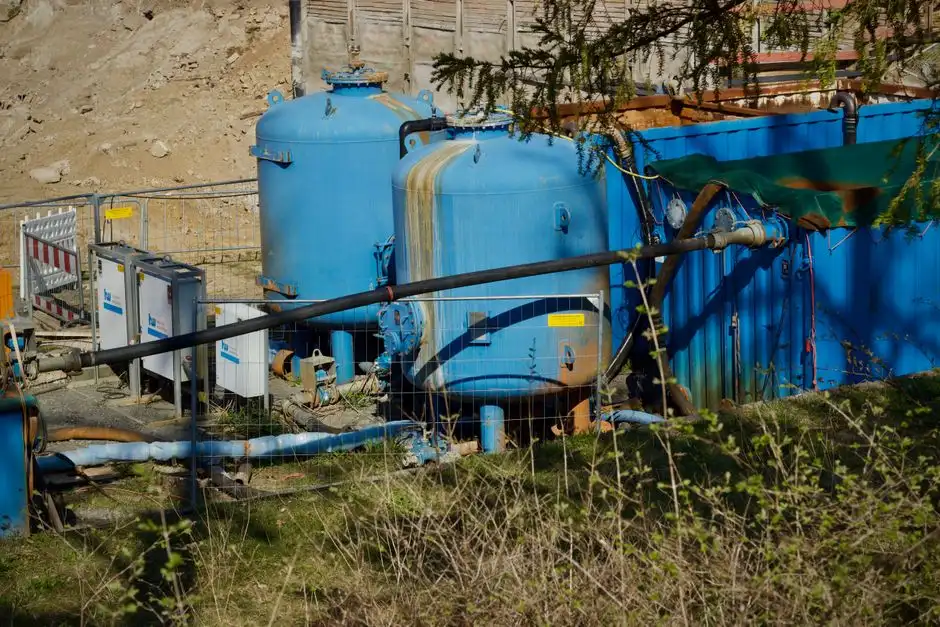
Before issuing an RFP, run the site through this filter: confirm whether the property discharges to municipal sewer or requires subsurface disposal under an ADEQ APP, because that single answer determines whether reuse is optional margin or permit-essential. Validate that any proposed system carries NSF/ANSI 245 or equivalent third-party validation for reuse-rated effluent — undocumented vendor claims do not satisfy ADEQ reviewers. Require factory acceptance testing, on-site commissioning with a 14-day biological seeding plan, and a 12-month membrane performance warranty that includes flux and transmembrane pressure guarantees. Confirm the vendor will deliver a tailored O&M manual and remote SCADA access for the resort's engineering team, since on-call membrane service is the difference between a 7-year membrane life and a 12-year membrane life. The table below turns this into a pass/fail gate.
| Checklist Item | Pass Criterion | Reject If |
|---|---|---|
| ADEQ APP status | APP in hand or pathway confirmed | No APP documentation |
| Third-party validation | NSF/ANSI 245 or equal | No reuse-rated test data |
| Commissioning plan | 14-day biological seeding protocol | Seeding not specified |
| Membrane warranty | 12-month flux & TMP guarantee | Parts-only warranty |
| SCADA / O&M | Remote access + tailored manual | Generic manual only |
Frequently Asked Questions
What size wastewater system does a 500-room Phoenix resort need in 2026?
A 500-room full-service Phoenix resort with F&B, laundry, and pool typically needs 150–250 m³/day of design capacity, sized at 250–400 L per occupied room per day plus 2.5–3.5× hydraulic peaking for banquet and morning shower surges (HydropureWater hospitality field data, 2026).
Is MBR or MBBR better for an Arizona hotel in 2026?
MBR is the better fit for Arizona hotels in 2026 because it produces TSS ≤2 mg/L and BOD ≤5 mg/L directly, satisfying ADEQ Type 2 reuse without tertiary filtration, whereas MBBR requires additional sand or cloth media filtration to reach the same limits, eroding its lower first cost.
What ADEQ permit applies to a Phoenix resort reusing wastewater for golf course irrigation?
A Phoenix resort reusing wastewater for golf course irrigation needs an ADEQ Aquifer Protection Permit (APP) and must meet Type 2 reclaimed water quality: BOD ≤10 mg/L, TSS ≤5 mg/L, turbidity ≤2 NTU, and fecal coliform ≤200 CFU/100 mL, per ADEQ R18-11-3.
What is the typical CAPEX for a 200–500 m³/day resort MBR plant in 2026?
CAPEX for a 200–500 m³/day resort MBR plant in the 2026 U.S. market falls between USD 1,500 and 3,500 per m³/day installed, all-in including civil works, headworks, membrane skids, ClO₂ disinfection, and sludge dewatering (HydropureWater 2026 market envelope).
How does Tyson Foods' 2026 Arizona plant acquisition affect regional wastewater compliance?
The Tyson Foods Arizona plant acquisition documented in 2026 reinforces the regional trend toward tighter ADEQ effluent and reuse limits, and the engineering playbook in that Arizona ADEQ industrial wastewater compliance guide applies the same APP and reuse logic that Phoenix resort engineers should expect reviewers to apply to high-flow hospitality submissions.
Can the same MBR-based flowsheet work for a beach resort in Central America?
Yes, the MBR-based flowsheet scales to tropical beach resorts as well; the 2026 hotel and resort wastewater treatment engineering guide for Costa Rica uses an equivalent train, though the equalization and FOG envelopes shift to account for higher rainfall dilution and different F&B profiles.