MBR delivers <1 mg/L TSS and 4-log bacteria removal suitable for direct reuse, but consumes 0.6–0.9 kWh/m³ and costs ≈30% more CAPEX than MBBR. Choose MBR when space is tight or reuse is required; pick MBBR when COD load varies and the budget is capped. The choice between MBR and MBBR hinges on whether a facility prioritizes effluent polishing or hydraulic resilience, as both technologies utilize biological oxidation.
Compliance target: which bio-reactor meets your local limits first pass?
Effluent quality drives technology selection in industrial wastewater. Plant engineers must determine if a system can meet discharge permits without expensive tertiary polishing. Membrane Bioreactor (MBR) technology combines secondary treatment and tertiary filtration into a single step, while Moving Bed Biofilm Reactor (MBBR) systems are high-rate biological processes that require downstream solids separation.
Under the China GB 18918-2002 Class 1A standard, facilities must achieve TSS ≤10 mg/L and COD ≤50 mg/L. MBR systems consistently outperform these benchmarks, yielding TSS levels between 0.5 and 1 mg/L and COD between 15 and 30 mg/L (HydropureWater field data, 2025). In contrast, MBBR systems typically produce effluent with TSS in the 10–20 mg/L range, necessitating a secondary clarifier or Dissolved Air Flotation (DAF) unit to meet Class 1A limits reliably.
When evaluating against the EU 91/271 Urban Wastewater Directive, which requires BOD5 ≤25 mg/L, both MBR and MBBR are capable of compliance. However, MBR remains stable year-round because the physical membrane barrier is unaffected by sludge bulking or seasonal temperature fluctuations that might impact the settling velocity in an MBBR’s clarifier. For high-end applications governed by ISO 20761-2021 (water reuse standards), a turbidity of ≤1 NTU is mandatory. Only MBR can guarantee this level of clarity without post-filtration, making it the default choice for industrial cooling tower makeup or process water recycling.
| Parameter | Standard: GB 18918-2002 (Class 1A) | MBR Typical Effluent | MBBR Typical Effluent |
|---|---|---|---|
| TSS (mg/L) | ≤ 10 | 0.5 – 1.0 | 10 – 20 (post-clarification) |
| COD (mg/L) | ≤ 50 | 15 – 30 | 30 – 50 |
| Turbidity (NTU) | N/A | < 0.2 | 2.0 – 5.0 |
| BOD5 (mg/L) | ≤ 10 | < 2.0 | < 10.0 |
Core mechanisms in 90 seconds
The fundamental difference lies in how biomass is managed and how treated water is separated from the sludge. MBR utilizes an activated-sludge process coupled with submerged PVDF (Polyvinylidene Fluoride) membranes, typically with a 0.1 µm pore size. This membrane acts as an absolute barrier, ensuring that all suspended solids and most pathogens are retained in the bioreactor. This allows the system to operate at significantly higher Mixed Liquor Suspended Solids (MLSS) concentrations than traditional systems.
MBBR is a biofilm process. It utilizes specialized HDPE (High-Density Polyethylene) carriers that move freely within the aeration tank, kept in motion by the aeration system or mechanical mixers. The biomass grows as a fixed film on these carriers, providing a high surface area for microbial activity. Unlike MBR, MBBR does not use a membrane for separation; it requires a final clarifier or DAF to remove the sloughed-off biofilm. A key operational distinction is the sludge age: MBBR carriers can host a biofilm with an effective age of 20–50 days, while MBR typically operates with a sludge age of 12–25 days. This higher sludge age in MBBR can lead to a slightly higher excess sludge volume compared to the highly mineralized sludge produced in long-SRT MBR systems.
Side-by-side parameter shoot-out
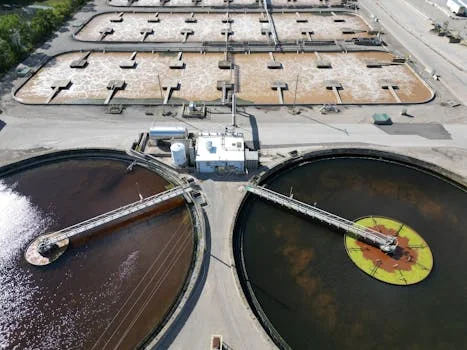
When determining mbr vs mbbr which is better for a specific industrial site, engineers must look at the volumetric loading rates and energy footprints. MBR systems allow for an extremely high biomass concentration (MLSS of 8,000–12,000 mg/L), which translates to a smaller tank volume. However, MBBR is no slouch in terms of organic loading; with a typical carrier fill ratio of 50–67%, it can handle 4–6 kg COD/m³·d, which is highly competitive for high-strength industrial streams.
Energy consumption remains the most significant OPEX differentiator. MBR energy use is driven by "air scouring"—the process of blowing air over the membrane surface to prevent fouling. Based on 2024 supplier bids, MBR systems consume between 0.6 and 0.9 kWh/m³. In contrast, MBBR systems, which only require aeration for biological oxygen demand and carrier suspension, consume 0.25–0.35 kWh/m³. This 0.5 kWh/m³ gap is a critical factor for facilities operating 24/7. To mitigate these costs, engineers often look at ways to fine-tune aeration to cut the kWh gap we calculated.
Footprint requirements also diverge. While the MBR bioreactor itself is up to 60% smaller than a conventional activated sludge plant, the MBBR requires a secondary clarification step. When including the clarifier or DAF, the total MBBR footprint is often 25% larger than an integrated MBR package. MBR systems yield lower sludge (0.15–0.25 kg MLSS/kg COD) compared to MBBR (0.2–0.3 kg), which reduces the cost of polymer for dewatering and sludge disposal fees.
| Technical Parameter | MBR (Membrane Bioreactor) | MBBR (Moving Bed Biofilm) |
|---|---|---|
| Organic Loading (kg COD/m³·d) | 3.0 – 8.0 | 4.0 – 6.0 |
| Energy Use (kWh/m³) | 0.6 – 0.9 | 0.25 – 0.35 |
| MLSS Concentration (mg/L) | 8,000 – 12,000 | 1,500 – 3,000 (suspended) |
| Sludge Yield (kg/kg COD) | 0.15 – 0.25 | 0.20 – 0.30 |
| Total System Footprint | Smallest (no clarifier) | Moderate (needs clarifier) |
CAPEX vs OPEX: a 10-year cash flow
Procurement managers often focus on the initial quote, but the 10-year lifecycle cost tells a more nuanced story. Based on 2024 China market bids, the CAPEX for an MBBR system ranges from 950 to 1,200 USD per m³/h of capacity. MBR systems command a premium, typically costing between 1,300 and 1,600 USD per m³/h due to the cost of the membrane modules and the sophisticated control systems required for fouling management.
The OPEX delta is primarily driven by power and membrane replacement. At an average industrial power rate of 0.09 USD/kWh, the extra energy required for MBR air scouring adds approximately 0.045 USD/m³ to the treatment cost. PVDF membranes have a finite lifespan. With a replacement interval of 6–8 years and a cost of 12 USD/m², this adds roughly 0.02 USD/m³ to the long-term budget. However, MBR saves money on the backend. Reduced sludge volume and the elimination of tertiary chemicals for TSS removal can reduce sludge handling costs by 15–20%. When modeling Net Present Cost, MBR typically shows a +28% higher CAPEX but a −10% lower OPEX in terms of sludge and chemical management. For plants running over 4,000 hours per year, the payback period for the MBR's effluent quality advantage is roughly 6–7 years.
| Financial Metric (10-Year Horizon) | MBR System | MBBR System |
|---|---|---|
| Initial CAPEX (USD per m³/h) | $1,300 – $1,600 | $950 – $1,200 |
| Energy Cost (USD/m³) | ~$0.072 | ~$0.027 |
| Media/Membrane Replacement | $0.02/m³ (every 6-8 years) | Negligible (HDPE lasts 20+ years) |
| Sludge Disposal Costs | Lower (High mineralization) | Higher (Higher yield) |
Decision matrix: space, variability, reuse, budget
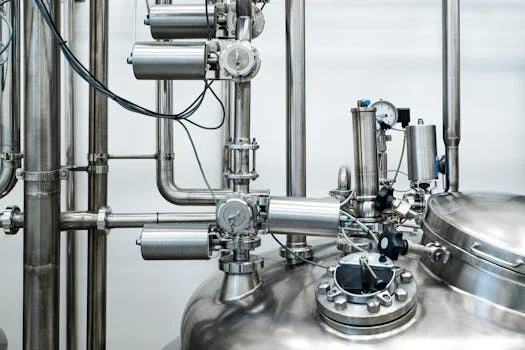
Selecting the right technology requires balancing site constraints against long-term goals. If a facility has a total footprint of less than 500 m², MBR is almost always the winner because it eliminates the need for large sedimentation tanks. However, if the influent COD fluctuates wildly—common in batch-process chemical manufacturing—MBBR is superior. The biofilm on the carriers is significantly more resilient to "shock loads" or toxic spikes than the suspended biomass in an MBR.
For facilities targeting water reuse, our integrated MBR package that delivers <0.2 NTU effluent is the standard recommendation. It provides a reliable barrier against bacteria and micro-plastics that MBBR cannot match without additional ultrafiltration. If CAPEX is the absolute constraint and discharge limits are moderate, a buried A/O + MBBR option for tight budget sites offers a middle ground, providing stable treatment with lower mechanical complexity. To maintain MBR performance, it is vital to understand how to stop membrane fouling once you run an MBR, as poor maintenance can quickly erase any ROI gains.
| Decision Factor | Choose MBR If... | Choose MBBR If... |
|---|---|---|
| Land Availability | Extremely limited (<500 m²) | Flexible footprint available |
| Influent Stability | Steady, predictable flows | High COD shock loads (>3x diurnal) |
| Reuse Target |