MBR Wastewater Treatment System Troubleshooting Overview
Membrane Bioreactor (MBR) wastewater treatment systems combine activated sludge biology with submerged polymeric membranes, most commonly PVDF, to produce reuse-quality effluent in a footprint up to 60% smaller than conventional plants. MBR troubleshooting centers on protecting membrane performance because flux loss and rising transmembrane pressure (TMP) are the symptoms operators see first and the failures that drive the bulk of unplanned downtime and chemical-cleaning cost.
Common Issues with MBR Wastewater Treatment Systems
MBR wastewater treatment systems run reliably when biology and membranes stay in balance, but four issues account for most service calls: membrane fouling, organic surface pollution, inorganic scaling, and biomass bulking or foaming. Each one pushes TMP up and flux down; each one shows up on a different gauge or in a different jar test, so the diagnostic order matters. In our MBR troubleshooting work, fouling alone can cut system performance by up to 30% (HydropureWater internal performance data).
Organic surface pollution is the fastest-acting failure mode in food, dairy, slaughterhouse, and oil-bearing streams. When oil exceeds 100 mg/L or protein exceeds 200 mg/L, membrane flux can drop 20-30% within 24-48 hours of operation (LuckyWWTP research data). Lower mixed-liquor temperatures and pH near the protein isoelectric point make the deposition worse, so winter operation of a plant that ran clean all summer is a common trigger. Inorganic scaling shows up later, usually after months of operation, when calcium, magnesium, iron, or silica precipitate onto the membrane surface.
| Common Issue | Primary Cause | Impact on System Performance | Typical Indicators |
|---|---|---|---|
| Membrane Fouling | Accumulation of suspended solids, colloidal matter, biological byproducts, and biomass within membrane pores. | Reduced membrane flux, increased transmembrane pressure (TMP), decreased effluent quality, higher operational costs (e.g., increased aeration, chemical cleaning). Can reduce performance by up to 30%. | Decreased permeate flow rate, rising TMP, increased energy consumption for pumping, visual inspection of membrane surface. |
| Surface Pollution (Organic) | Adsorption and deposition of organic compounds (oils, proteins, polysaccharides) on the membrane surface. | Significant reduction in membrane flux (20-30% in high-oil/protein wastewater), increased susceptibility to irreversible fouling, potential for biofouling. | Rapid flux decline, visual discoloration or slime layer on membrane surface, increased chemical cleaning frequency. |
| Surface Pollution (Inorganic) | Precipitation of inorganic salts (calcium, magnesium, iron, silicon) due to supersaturation or scaling. | Reduced membrane flux, potential for irreversible membrane damage, increased operational costs for cleaning and potential membrane replacement. | Scale formation on membrane surface, reduced flow rates, potential for increased turbidity in permeate. |
| Biomass Bulking/Foaming | Uncontrolled growth of filamentous bacteria or poor flocculation within the activated sludge. | Reduced solid-liquid separation efficiency, increased suspended solids in effluent, potential for membrane clogging, increased aeration demand. | Turbid effluent, foam on aeration tank surface, poor settling characteristics of mixed liquor. |
Troubleshooting Guide for MBR Wastewater Treatment Systems
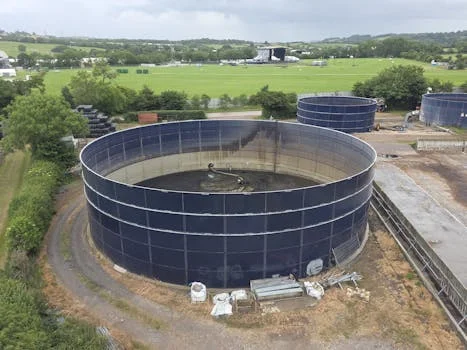
Effective MBR troubleshooting follows a fixed sequence: confirm the symptom on the SCADA trend, inspect the membranes, then check the biology. A steady TMP rise at constant flux, or a flux drop at constant TMP, is almost always the starting point. Before any chemical cleaning, walk the membrane tank and look at the surface: a thin grey film points to organic fouling, a chalky white layer points to scaling, and a brown slime with foam at the mixed-liquor surface points to biomass problems. Skipping the visual step is how plants end up dosing the wrong cleaning chemical and shortening membrane life.
The table below maps the four symptoms operators report most often to the cause, the diagnostic step, and the fix that actually works in the field.
| Symptom | Potential Cause | Troubleshooting Steps | Remediation |
|---|---|---|---|
| Decreased Membrane Flux / Increased TMP | Membrane fouling (organic, inorganic, biological) | 1. Verify aeration rates and backwash procedures. 2. Inspect membrane modules for visible fouling. 3. Check mixed liquor suspended solids (MLSS) concentration and sludge age. 4. Review influent wastewater characteristics (e.g., oil, protein, TSS). |
Perform appropriate membrane cleaning (e.g., chemical enhanced backwash - CEB, soaking). Optimize aeration and backwash cycles. Adjust sludge age to manage biomass. Pre-treat influent if necessary. |
| Turbid Effluent | Membrane integrity issue (e.g., torn membrane), insufficient pre-treatment, biomass loss. | 1. Conduct integrity testing on membrane modules (e.g., pressure hold test). 2. Inspect membrane modules for physical damage. 3. Analyze MLSS concentration and settleability. |
Repair or replace damaged membrane modules. Optimize pre-treatment steps. Adjust operational parameters to maintain healthy biomass. |
| Excessive Foaming in Aeration Tank | Filamentous bacteria overgrowth, high organic loading, nutrient imbalance. | 1. Perform microscopic examination of mixed liquor for filamentous bacteria. 2. Monitor dissolved oxygen (DO) levels. 3. Assess nutrient levels (N, P). |
Adjust sludge age to favor non-filamentous bacteria. Consider anti-foaming agents. Balance nutrient inputs. Ensure adequate aeration. |
| High Energy Consumption | Increased resistance to flow (fouling), inefficient aeration, pump issues. | 1. Monitor TMP and flux trends. 2. Evaluate aeration efficiency and blower performance. 3. Inspect pumps and piping for blockages or wear. |
Implement regular membrane cleaning. Optimize aeration system. Service or replace worn pump components. |
Preventative Measures and Maintenance Strategies
Prevention is cheaper than recovery on every MBR we service. A scheduled cleaning routine built on real TMP and flux data, not the calendar, is the single biggest lever: pair routine backwash with chemical enhanced backwash (CEB) or soak cycles at intervals tuned to the influent. Most plants we size for industrial loads run CEB every 7-14 days, with a full recovery clean once or twice a year.
Continuous monitoring of transmembrane pressure, permeate flux, MLSS, sludge age, dissolved oxygen, and effluent quality catches drift before it becomes a clean-in-place event.Pre-treatment matters just as much. Good screening protects the membranes from rag and grit, and for streams with high oil or protein, dissolved air flotation (DAF) or chemical precipitation ahead of the MBR tank keeps surface pollution under control. For a deeper look at protecting the front end of the train, see our troubleshooting guide for step screens in wastewater treatment.
Who this is for, and who should look elsewhere
This guide fits plant engineers and EPC teams running or specifying packaged MBR units at 10-5,000 m3/d (2,600-1.3 million US gpd) on municipal or industrial streams. If you are evaluating MBR against conventional activated sludge for a greenfield project, our MBR Membrane Bioreactor Wastewater Treatment System product page lists the typical scope, footprints, and influent envelopes. If your bottleneck is biological capacity rather than membrane condition, revisit aeration tank sizing before investing in cleaning chemistry.
Send your influent characterization (COD/BOD, oil, protein, TSS, temperature range) and current TMP/flux trend to our process team for a sizing review and a written cleaning-recipe recommendation, or request a quote with your flow and effluent targets.
Frequently Asked Questions
What are the most common issues with MBR wastewater treatment systems?
The most common issues encountered in MBR wastewater treatment systems are membrane fouling and surface pollution. Membrane fouling refers to the accumulation of solids, biomass, and other contaminants within the membrane pores, leading to reduced water flow and increased operating pressure. Surface pollution is the deposition of substances like oils, proteins, and inorganic precipitates directly onto the membrane surface, which also impedes water passage.
How can I troubleshoot and solve common issues with my MBR system?
Troubleshooting typically involves a systematic inspection of the membrane modules for signs of fouling or damage, monitoring key operational parameters like transmembrane pressure (TMP) and flux, and analyzing the mixed liquor characteristics. Solutions often involve implementing appropriate membrane cleaning procedures (e.g., backwashing, chemical cleaning), optimizing aeration and backwash cycles, managing sludge age, and potentially pre-treating the influent wastewater. For specific issues, refer to the detailed troubleshooting guide provided in this article.
How does membrane fouling affect MBR system performance?
Membrane fouling directly reduces the membrane flux, meaning less treated water is produced per unit of time. It also increases the transmembrane pressure required to maintain a desired flow rate, leading to higher energy consumption. In severe cases, fouling can decrease effluent quality and necessitate costly and time-consuming cleaning procedures or even premature membrane replacement. Studies show that membrane fouling can reduce system performance by up to 30%.
What are the signs of membrane surface pollution?
Signs of membrane surface pollution include a rapid decrease in permeate flux, a visible discoloration or buildup of material on the membrane surface, and an increased frequency or intensity of chemical cleaning required to restore flow. In wastewater with high oil and protein content, surface pollution can lead to a flux reduction of 20-30% within a short operational period.
Related Equipment
- integrated MBR system for wastewater treatment — view specifications, capacity range, and technical data
Need a customized solution? Request a free quote with your specific flow rate and pollutant parameters.