Why the Lexington, NE Precedent Reshapes Arizona Plant Deals in 2026
A Tyson Foods plant acquisition in Arizona in 2026 triggers a two-track permit system: an ADEQ Aquifer Protection Permit (APP) for on-site disposal and an AZPDES industrial stormwater and process discharge permit. The buyer must re-evaluate legacy ETP performance against current ADEQ effluent limits, re-issue the APP within 90 days of ownership change, and price Schedule 7 environmental tail coverage against the $70 million Tyson Farms Black Warrior River verdict (April 2025).
On April 29, 2026, the Lexington, Nebraska city council voted to purchase the wastewater treatment plant that served the shuttered Tyson Fresh Meats facility, a property parcel east of the former plant and a separate southern parcel housing the ETP itself, with rail access to Union Pacific (per centralnebraskatoday.com, 2026-04-29). That decision closes a chapter that opened on November 21, 2025, when Tyson announced the Lexington closure and the loss of roughly 3,200 jobs. For Arizona deal teams, the takeaway is structural: a municipal entity is now a documented competing bid path for idle Tyson wastewater infrastructure, and the asset is being valued as a standalone utility, not as a stranded cost center.
The second lesson is the litigation floor. The $70 million Black Warrior River verdict against Tyson Farms, reported in 2025-04 after a jury linked a Tyson plant discharge to a flesh-eating bacterial infection, is the number environmental insurers now reference when pricing tail coverage on any Tyson Share Purchase Agreement. A buyer who prices Schedule 7 against the target plant's last 36 months of discharge monitoring alone is under-reserving. A buyer who prices it against $70M, with carve-outs for unknown pre-closing contamination and for ADEQ addenda stricter than the federal floor, is defensible. The structure of the 90-day permit re-issuance and the unit-operation retrofit logic that follows mirrors the parallel Mexico Tyson guide and the Hungary acquisition compliance guide, but the Arizona permit frame is its own animal.
The Arizona Two-Track Permit Structure: APP and AZPDES
Every meat or poultry plant in Arizona discharges into one of two receiving environments: a surface water body under an AZPDES permit, or the vadose zone / a wash under an ADEQ Aquifer Protection Permit. Both tracks are re-issued, not assumed, on change of control, and a buyer who treats Day 1 as a permit-closing event is exposed on Day 2.
The APP is governed by A.R.S. § 49-255 and A.A.C. Title 18, Chapter 9, and it regulates on-site disposal including irrigation of treated effluent, dry wells, and evaporation/percolation basins. Re-issuance is required within 90 days of an ownership change under ADEQ APP transfer rules; the agency re-evaluates the existing treatment train against current aquifer water quality standards, not the standards in force when the original permit was issued. Numeric effluent ceilings in the APP are commonly BOD5 ≤30 mg/L monthly average, TSS ≤30 mg/L, FOG ≤10 mg/L, and total nitrogen ≤10 mg/L in nitrate-sensitive Active Management Areas.
The AZPDES permit is the Arizona-administered analog of the federal NPDES program under the Clean Water Act, covering industrial stormwater (Multi-Sector General Permit for Sector Y: food and kindred products) plus any process wastewater discharged to surface water. A facility that achieves true zero liquid discharge and disposes only to land avoids the AZPDES surface-water track but still needs the APP. Most Arizona meat processors sit in the latter category because surface-water discharge in the Salt, Gila, or Colorado River corridors is politically and hydrologically difficult.
Active Management Areas (AMAs) and the 2022 Colorado River shortage declaration push new meat-processing permits firmly toward high-reuse or ZLD designs. Tribal adjacency adds a third federal-tribal consultation track when a plant sits near Navajo Nation, Salt River Pima-Maricopa, Fort McDowell Yavapai, or Tohono O'odham lands; Section 401 certification and government-to-government consultation can extend the permit timeline 60–180 days and require an additional NEPA review. The four-layer Arizona frame is denser than the Mexican LGEEPA/NOM/CEC stack, and missing the tribal track creates a clean ADEQ enforcement pathway even when the APP and AZPDES files are clean.
Arizona Effluent Limits and the Five-Stream Meat-Processing Profile
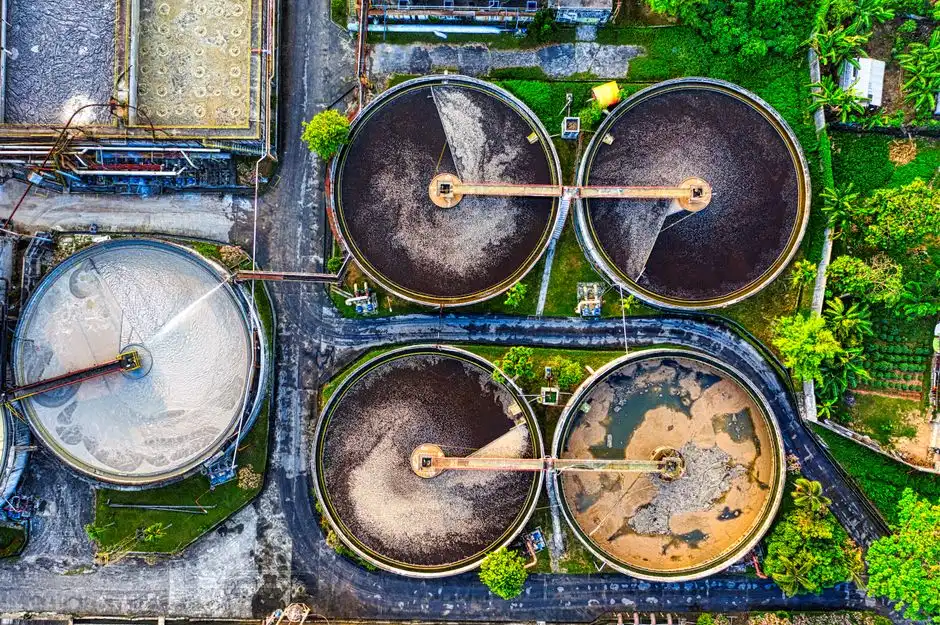
Matching the influent envelope to ADEQ's numeric envelope is the single most leveraged engineering task in a 2026 Arizona acquisition. The legacy ETP was designed for 1990s effluent ceilings; the 2026 APP re-issuance is against current limits, and the gap is the buyer's retrofit budget.
| Parameter | Raw influent range | ADEQ APP typical limit (monthly avg) | Unit operation delivering compliance |
|---|---|---|---|
| BOD5 | 800–2,500 mg/L | ≤30 mg/L (≤20 mg/L in some AMAs) | DAF + MBR or CAS |
| TSS | 600–1,800 mg/L | ≤30 mg/L | DAF or lamella + MBR / clarifier |
| FOG (oil & grease) | 200–800 mg/L | ≤10 mg/L | DAF primary; lamella where FOG <200 mg/L |
| TKN | 100–300 mg/L | ≤10 mg/L in nitrate-sensitive AMAs | Anoxic/aerobic MBR; CAS if 20–30 mg/L acceptable |
| pH | 6–9 | 6.5–9.0 | Equalization with PLC-controlled dosing |
| Temperature | 20–38 °C | Report only; impacts nitrification rate | Equalization basin sizing |
| Fecal coliform | 10^6–10^7 MPN/100 mL | ≤200 MPN/100 mL (reuse) / ≤1,000 (discharge) | On-site chlorine dioxide generation |
Raw ranges are drawn from HydropureWater field data on meat-processing clients (2026); ADEQ limits reflect the typical APP envelope and vary by Active Management Area designation and receiving aquifer classification. A 7-day composite sampling campaign at the ETP inlet, post-DAF outlet, and final discharge point is the only way to confirm which column the target plant actually sits in, and it is a Day 0–14 deliverable that anchors the entire retrofit matrix.
Meat-processing wastewater is not a single stream. Five distinct loads hit the ETP at different times of day: kill-floor blood and paunch contents; rendering-area FOG and suspended solids; the blood-recovery line delivering a concentrated slug on a roughly 2-hour cycle tied to the evisceration line; clean-in-place (CIP) chemicals pushing pH and temperature swings; and lairage high-N washdown. A composite sampler that grabs one aliquot under-designs the equalization basin by a factor of two. The peak-to-average flow ratio runs 2:1 to 4:1, and the equalization tank must be sized to the peak, not the daily average, or the aeration basin washes out on first shift.
Blood water is the highest-cost stream to ignore. Approximately 150 kg of blood per slaughtered animal can be recovered, and if it reaches the ETP untreated it spikes BOD5 above 10,000 mg/L in a 2-hour window. The single highest-ROI retrofit in any Arizona meat-processing ETP is therefore not the biological stage; it is a dedicated blood-collection trough feeding a recovery tank, with the recovered blood going to rendering. The DAF then handles the residual FOG and TSS that survive recovery.
Unit-Operation Retrofit Matrix for a 2026 Arizona Acquisition
The unit-operation decision drives the CAPEX line items, and the decision lives in the response to FOG, TKN, and footprint, not in the permit name. The matrix below maps the parameter envelope to the matched HydropureWater equipment choice so the buyer's engineering advisor can issue RFQs by section, not by plant.
| Scenario | Matched unit operation | Operating envelope | Key CAPEX / OPEX note |
|---|---|---|---|
| FOG >300 mg/L, rendering on site | HydropureWater DAF system | 4–300 m³/h, 13 models | Higher polymer OPEX, smaller footprint, sharper effluent on rendering days |
| FOG <200 mg/L, brownfield footprint tight | HydropureWater high-efficiency sedimentation tank (lamella) | 20–40 m/h surface loading | Lower OPEX, larger footprint per m³/h, no polymer |
| TKN ≤15 mg/L target, 2026 ADEQ watch list, tight footprint | HydropureWater MBR system | 10–2,000 m³/day, MLSS 8,000–12,000 mg/L | 0.8–1.4 kWh/m³ aeration; membrane replacement every 5–8 years |
| TKN 20–30 mg/L target, land available | Conventional activated sludge (CAS) | MLSS 3,000–5,000 mg/L | 0.4–0.8 kWh/m³ aeration, larger basin, lower membrane exposure |
| Schedule tighter than budget, ≤80 m³/h | HydropureWater WSZ underground integrated package | 1–80 m³/h factory-built module | Fast-track install, capped flow, lower civil cost |
| Sludge acceptance at AZ landfills (25–30% dry solids) | HydropureWater plate and frame filter press | 1–500 m² filter area | Replaces older belt presses; lower hauling cost |
| Coliform compliance, pH 4–9 stability | Chlorine dioxide generator | 50 g/h to 20,000 g/h | Avoids bulk hypochlorite storage; stable residual across wide pH |
| Pre-treatment screening protection | HydropureWater rotary mechanical bar screen | GX series, protects DAF and MBR | Removes paunch-content debris before downstream units |
| Equalization pH and chemical stability | HydropureWater automatic chemical dosing system | PLC-controlled, multi-stream | Stabilizes pH and nutrient feed before biological stage |
The reference train for a 2026 Arizona retrofit is screening → DAF (or lamella on a low-FOG, space-constrained site) → equalization with pH control → anoxic/aerobic biological (MBR for tight footprints and tight TKN, CAS where land allows) → on-site chlorine dioxide → plate and frame filter press for sludge. The DAF process flow walkthrough covers the front-end sizing in detail, and the rendering plant cost benchmark calibrates the line-item weights to U.S. Southwest tariffs.
The 90-Day ETP Due-Diligence Playbook for an Arizona Close
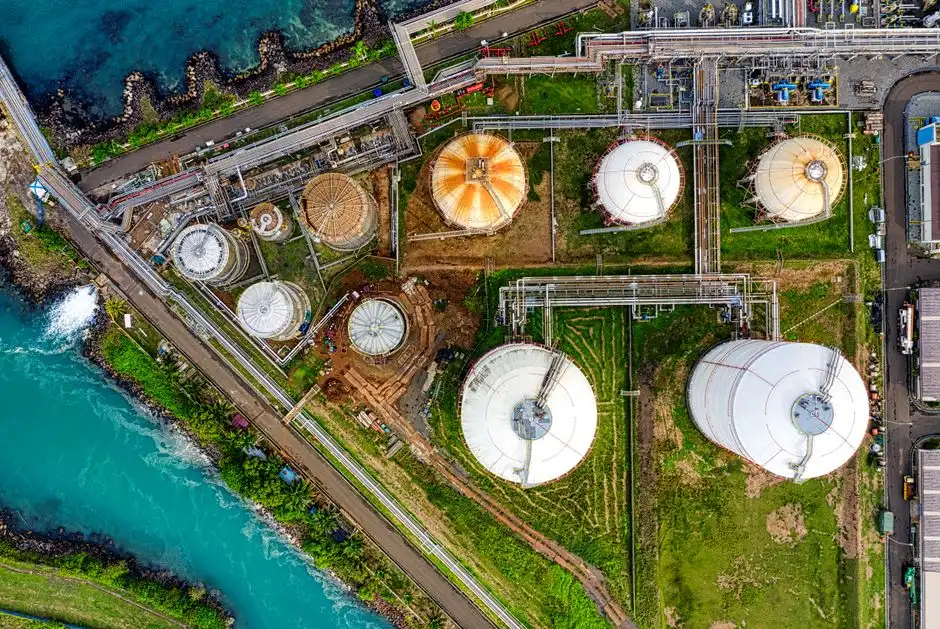
Four steps, each producing a deliverable that either strengthens or sets a dollar value on the Schedule 7 environmental rep. The window starts at letter-of-intent signing and closes before the SPA is signed.
Days 0–14 — document review and baseline sampling. Pull the ADEQ APP file, the AZPDES permit, the last 36 months of Discharge Monitoring Reports (DMRs), any ADEQ Notice of Violation (NOV), and any tribal consultation history on file. Commission a 7-day composite sampling campaign with refrigerated auto-samplers at the ETP inlet, the post-DAF outlet, and the final discharge point. Deliverable: a parameter-by-parameter compliance map against current ADEQ APP and AZPDES limits, with the receiving-body classification flagged.
Days 15–30 — site walk and unit-operation condition audit. Inspect screen aperture and integrity, DAF micro-bubble distribution and skimmer performance, MLSS/MLVSS in the aeration basin (target 3,000–5,000 mg/L for CAS, 8,000–12,000 mg/L for MBR), DO probe calibration, sludge age, and disinfection residual. Capture photographs and SCADA trend exports for the prior 90 days. Deliverable: a unit-operation condition grade (A/B/C) feeding the retrofit matrix.
Days 31–60 — mass balance and retrofit ranking. Compute kg/day BOD, nitrogen, and phosphorus loads against APP and AZPDES monthly-average and instantaneous limits. Identify the unit operation furthest from compliance, which in most legacy Arizona plants is the biological stage's TKN removal, not the primary clarification. Rank retrofit needs by kg removed per dollar of CAPEX. Deliverable: a mass-balance spreadsheet plus a retrofit priority list.
Days 61–90 — vendor RFQ, CAPEX/OPEX envelope, Schedule 7 reps. Issue RFQs for DAF, MBR, chlorine dioxide, and filter press packages; price civil works, instrumentation, and sludge dewatering. Deliverable: a CAPEX band, OPEX per m³, and a recommended Schedule 7 environmental rep with an indemnification cap calibrated against the $70M Black Warrior River verdict.
CAPEX, OPEX, and Schedule 7 Pricing for 2026
USD-anchored cost bands are the only way to defend the environmental tail premium to a board that has not seen an ADEQ inspection report. The numbers below are calibrated to U.S. Southwest industrial tariffs, which run 1.15–1.30× the national average on aeration electrical load because of Arizona's higher commercial electricity rates and APS/TEP demand charges.
CAPEX drivers, in descending order of typical share on a 2026 Arizona brownfield retrofit: civil works and basin upgrades (largest line by a wide margin; concrete and tankage dominate); membrane modules and 5–8 year replacement for MBR; disinfection systems; instrumentation and SCADA upgrades; and sludge handling, where a plate and frame filter press replaces older belt presses to hit the 25–30% dry-solids target accepted by Arizona landfills. The rendering plant cost benchmark places the 2026 CAPEX envelope at $0.4M–$8M for a typical retrofit and OPEX at $0.35+ per m³; for a high-reuse or ZLD Arizona plant, expect the upper third of that range, with the civil-works line item 20–40% higher than the national average.
OPEX is dominated by aeration electrical load (0.4–0.8 kWh/m³ for CAS, 0.8–1.4 kWh/m³ for MBR), membrane replacement at 5–8 year intervals, polymer and chemical cost, and sludge hauling. A 5,000 m³/day plant running MBR in Arizona carries roughly $0.9M–$1.6M per year in aeration electrical load at 2026 industrial tariffs, against $0.7M–$1.3M on a national baseline.
Schedule 7 indemnification cap should sit above $70M, with carve-outs for unknown pre-closing contamination, for ADEQ addenda stricter than the federal floor, and for tribal consultation costs if the plant sits near reservation land. The cap is calibrated against the verdict, not the local plant's last three years of DMR data; insurers price tail coverage against the verdict, and the SPA rep should match.
Frequently Asked Questions
What two permits govern a Tyson meat or poultry plant in Arizona?
An ADEQ Aquifer Protection Permit (APP) under A.R.S. § 49-255 governs on-site disposal and irrigation of treated effluent, and an AZPDES industrial stormwater and process discharge permit governs any surface-water release. A zero-discharge facility avoids AZPDES but still requires the APP, and both must be re-issued within 90 days of an ownership change.
What numeric effluent limits apply to a 2026 Arizona meat-processing APP?
Typical APP monthly-average ceilings are BOD5 ≤30 mg/L, TSS ≤30 mg/L, FOG ≤10 mg/L, and total nitrogen ≤10 mg/L in nitrate-sensitive Active Management Areas. Stricter limits apply where the receiving aquifer is designated for drinking-water use or where a tribal land adjacency triggers an enhanced consultation track.
How does the Lexington, NE precedent affect a 2026 Arizona plant acquisition?
The April 29, 2026 Lexington city council vote to purchase the Tyson wastewater treatment plant (per centralnebraskatoday.com) demonstrated that municipal buyers are a documented competing bid path for idle Tyson infrastructure, raising the bar on due-diligence rigor and pushing Schedule 7 indemnification caps above the $70M Black Warrior River verdict anchor.
What is the single highest-ROI retrofit on a legacy Arizona meat-processing ETP?
A dedicated blood-collection trough feeding a recovery tank, with the recovered blood going to rendering, prevents BOD5 spikes above 10,000 mg/L in a 2-hour window. The DAF then handles residual FOG and TSS at 4–300 m³/h, and an MBR closes the TKN gap to ≤15 mg/L where an ADEQ watch list requires it.