Tunisia Hotel Wastewater in 2026: What Regulators and Guests Now Expect
A 2026 Tunisian hotel or resort needs a packaged biological treatment system — typically an MBR (10–2,000 m³/day) or a buried WSZ unit (1–80 m³/h) — followed by chlorine dioxide disinfection, designed to meet ONAS NT 106.02 discharge limits (BOD₅ ≤ 30 mg/L, COD ≤ 90 mg/L, TSS ≤ 30 mg/L). Sizing is driven by peak occupancy at 200 L/person-day, a 2.5–3.0 peak factor, and FOG removal via DAF pre-treatment.
ONAS NT 106.02 is the binding Tunisian standard for hospitality effluent discharged to municipal sewer, and the three core parameters a design must hit are BOD₅ ≤ 30 mg/L, COD ≤ 90 mg/L, and TSS ≤ 30 mg/L — with fecal coliforms capped at 200 CFU/100 mL. Non-compliance is no longer a paper risk: ONAS inspectors now issue connection revocations for properties that exceed these ceilings during summer peak season, and reconnection requires a full audit of the biological stage.
The scale is non-trivial. A single four-star coastal village such as One Resort Aqua Park Monastir, with 486 bungalows on 18 ha directly facing the Mediterranean, can generate 200–500 m³/day of mixed effluent at full August occupancy (per the resort's published 2026 capacity data, source: oneaqua.tn). Across the Tunis–Hammamet–Sousse–Monastir corridor, mid-range 100–200 room properties dominate the procurement landscape, and almost none of them are being specified correctly. Most tenders still assume a 150 L/person-day hydraulic load and ignore the tourism peak factor entirely — the standard 200 L figure is closer to reality once laundry, kitchen, and pool backwash are added.
What has changed in 2026 is that visible environmental compliance is now a commercial asset. Booking.com and Tripadvisor eco-label filters (referenced in current 2026 traveller-facing listings on tripadvisor.com and tripadvisor.co.uk) flag properties that publish wastewater and reuse data, and corporate travel buyers in the EU increasingly require proof of NT 106.02 conformance as part of RFP responses. For a developer or owner's representative specifying a new build or a retrofit in Tunis, Hammamet, Sousse, or Monastir, the wastewater system is no longer a footnote in the MEP package — it is a procurement line item that influences the room rate, the ONAS permit timeline, and the brand's positioning on sustainability.
The Four Wastewater Streams a Tunis Resort Actually Produces
"Hotel sewage" is not a single stream. A Mediterranean coastal resort produces four hydraulically and chemically distinct wastewaters, and each one needs its own unit operation before the biological stage.
Black water from toilets contributes roughly 50 L/person-day and carries the highest ammonia load (40–80 mg/L NH₃-N) and pathogen count (fecal coliforms typically 10⁶–10⁸ CFU/100 mL). Grey water from showers, basins, and floor drains dominates by volume at 80–120 L/person-day, with elevated surfactant load and BOD₅ in the 150–300 mg/L range. Kitchen effluent, particularly from buffet-style resort restaurants, is the FOG problem: oil and grease concentrations routinely run 200–1,500 mg/L and will choke a biological reactor if discharged untreated. Laundry and swimming pool backwash are the wildcard streams — variable in flow, capable of spiking TDS to 1,500 mg/L and free chlorine to 2–5 mg/L, both of which inhibit nitrification.
For FOG specifically, the standard unit operation in 2026 is dissolved air flotation — micro-bubble technology that strips oil and grease to below 20 mg/L before the water reaches the biology. A typical DAF system in the 4–300 m³/h range handles the kitchen stream from a 50–500 room property with margin to spare, and the float can be skimmed automatically for off-site disposal.
| Stream | Flow per guest-day (L) | Key pollutant | Typical concentration | Pre-treatment required |
|---|---|---|---|---|
| Black water (toilets) | ~50 | NH₃-N, pathogens | 40–80 mg/L NH₃-N; 10⁶–10⁸ CFU/100 mL | Fine screening; biological stage |
| Grey water (showers, basins) | 80–120 | Surfactants, BOD₅ | 150–300 mg/L BOD₅ | Equalization; biological stage |
| Kitchen / FOG | 15–30 | Oil & grease | 200–1,500 mg/L | DAF flotation (mandatory) |
| Laundry + pool backwash | 20–40 | TDS spikes, residual chlorine | Up to 1,500 mg/L TDS; 2–5 mg/L Cl₂ | Equalization; dechlorination if Cl₂ > 1 mg/L |
The practical consequence for the specifier: a single combined sewer feeding one biological reactor is acceptable only if DAF, screening, and equalization are upstream. Skipping any of these three steps is the most common cause of ONAS non-conformance in retrofits across the Sousse–Monastir coast.
ONAS NT 106.02 Discharge Limits and How to Design Against Them

The gap between raw hotel influent and the ONAS NT 106.02 ceiling is roughly an order of magnitude on every parameter, which is why the biological stage cannot be a simple septic tank. Designing against the standard means knowing the numbers on both sides of the reactor.
A well-tuned MBR (submerged PVDF membranes, 0.1–1 μm pore size) routinely delivers BOD₅ < 5 mg/L, COD < 30 mg/L, and TSS < 5 mg/L — comfortably below the regulatory ceiling. A buried WSZ A/O package plant with a settling clarifier typically delivers BOD₅ 15–25 mg/L and TSS 15–25 mg/L, which sits inside the limit but offers little margin if the equalization upstream is undersized. The table below summarises the influent-to-effluent envelope a 2026 design must close.
| Parameter | Raw hotel influent | ONAS NT 106.02 limit (municipal sewer discharge) | Typical MBR effluent | Typical WSZ effluent |
|---|---|---|---|---|
| BOD₅ | 200–400 mg/L | ≤ 30 mg/L | < 5 mg/L | 15–25 mg/L |
| COD | 400–800 mg/L | ≤ 90 mg/L | < 30 mg/L | 50–80 mg/L |
| TSS | 200–400 mg/L | ≤ 30 mg/L | < 5 mg/L | 15–25 mg/L |
| NH₃-N | 30–60 mg/L | ≤ 10 mg/L (typical) | < 2 mg/L | 5–10 mg/L |
| FOG | 50–200 mg/L (pre-DAF) | ≤ 20 mg/L | < 10 mg/L | < 15 mg/L |
| Fecal coliforms | 10⁶–10⁸ CFU/100 mL | ≤ 200 CFU/100 mL | ≤ 200 with ClO₂ | ≤ 200 with ClO₂ |
For coastal Tunisian resorts under increasing water-stress pressure, irrigation reuse is now a defined 2026 design target under NT 106.03, which sets landscape irrigation limits at fecal coliforms ≤ 200 CFU/100 mL, BOD₅ ≤ 30 mg/L, and TSS ≤ 30 mg/L — the same envelope as NT 106.02. An integrated MBR system with chlorine dioxide polishing hits these numbers on a single pass, which is why MBR has become the default for any 200+ room property where the owner wants to reuse grey-water-equivalent effluent on the golf course or landscape irrigation.
For a Mediterranean context, also worth noting: influent salinity in coastal Tunisia runs 800–2,000 mg/L TDS in the dry season because of seawater ingress into the municipal grid, and this suppresses nitrification rates by 15–25% in non-acclimatised biomass. An MBR with extended sludge age (SRT 25–30 days) handles this comfortably; a poorly sized WSZ does not.
Sizing a Tunis Hotel System: Occupancy, Peak Factor, and Hydraulic Load
Hotel wastewater sizing is a hydraulic calculation first and a biological calculation second. Get the hydraulics wrong and the reactor will either be oversized (high CAPEX, fouled membranes) or undersized (peak-season permit failure).
The 2026 design standard for Tunisian coastal resorts is 200 L per guest-night, with a working range of 150–250 L depending on laundry and pool throughput. Staff are typically counted at 80 L/person-day on a single shift. The Mediterranean peak factor — the ratio of peak-season (July–August) to annual-average flow — sits at 2.5–3.0× for coastal properties where occupancy exceeds 95% in summer and drops to 30–40% in winter. Inland Tunis medina hotels see a flatter 1.8–2.2× factor because business travel smooths the curve.
Worked example for a 100-room resort at 90% August occupancy with 2.0 guests per room:
- Guests: 100 × 0.90 × 2.0 = 180 guests
- Staff: ~40 (assume 0.4 staff per room)
- Average daily flow: (180 × 200) + (40 × 80) = 36,000 + 3,200 = 39,200 L/day ≈ 39 m³/day
- Peak day flow (2.8× factor): 39 × 2.8 ≈ 110 m³/day
- Peak hour flow (assume 1/12 of daily peak): 110 / 12 ≈ 9.2 m³/h
A single WSZ buried A/O package plant in the WSZ-5 or WSZ-10 size (1–80 m³/h capacity) covers the 100-room property with significant margin, including kitchen and laundry contributions. For a 300+ room coastal resort in Yasmine Hammamet or Port El Kantaoui, peak flow can reach 500–800 m³/day, which places the property firmly in the MBR band (10–2,000 m³/day) rather than the WSZ band.
| Property profile | Rooms | Avg flow (m³/day) | Peak flow (m³/day) | Recommended system |
|---|---|---|---|---|
| Boutique medina hotel, Tunis | 20–40 | 8–15 | 20–35 | WSZ-1 to WSZ-3 (1–10 m³/h) |
| 3-star coastal hotel, Hammamet | 50–100 | 25–50 | 70–140 | WSZ-5 to WSZ-10 (5–30 m³/h) |
| 4-star resort, Sousse/Monastir | 150–250 | 80–130 | 220–360 | MBR 100–400 m³/day |
| Mega-resort, Yasmine Hammamet/Djerba | 400–1,000+ | 200–500 | 500–1,500 | MBR 500–2,000 m³/day |
Two sizing pitfalls recur in Tunisian tenders. First, the peak factor is frequently omitted, which undersizes the equalization tank and the hydraulic capacity of the biological reactor. Second, the kitchen and laundry streams are not added separately, which underestimates BOD₅ loading by 20–30% and leads to under-aerated biology with poor nitrification.
The 2026 Process Train: From Kitchen Drain to Compliant Discharge
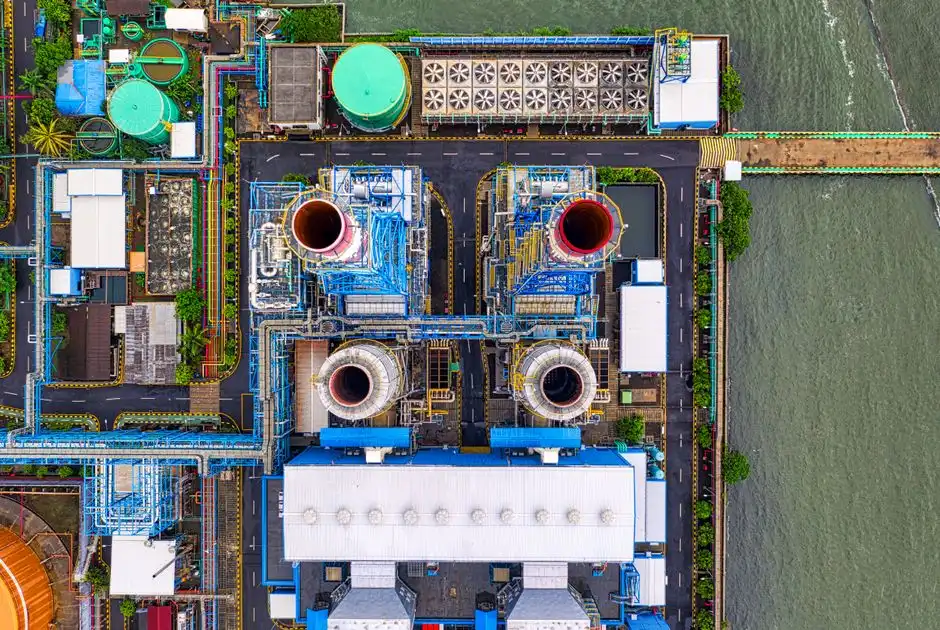
For a 2026 Tunisian resort, the process train is six unit operations in sequence. Each one is a separate procurement line; getting the interfaces right is the engineer's job.
- Headworks — mechanical screening. A rotary mechanical bar screen with stainless rake teeth protects downstream pumps from rags, plastics, and the high-solid load typical of resort sewer. The GX series handles continuous duty at the flow rates encountered here.
- FOG removal — dissolved air flotation. A DAF system in the 4–300 m³/h range strips kitchen and laundry oil/grease to below 20 mg/L before the biology. This is the single most important pre-treatment step in any Mediterranean coastal hotel.
- Equalization. A buffer tank sized at 25–40% of the design daily flow dampens the tourism peak and provides residence time for chlorine dissipation from laundry and pool backwash streams.
- Biological stage — WSZ or MBR. For small and medium hotels (up to ~200 rooms), a buried WSZ A/O package plant in the 1–80 m³/h range delivers compliance with no daily operator attendance. For larger properties or any site with a reuse mandate, an integrated MBR system in the 10–2,000 m³/day band delivers reuse-grade effluent at roughly 60% of the footprint of a concrete SBR.
- Disinfection — chlorine dioxide. A ClO₂ generator in the 50 g/h to 20,000 g/h range provides pathogen kill to below 200 CFU/100 mL fecal coliforms, with EPA, EU 98/83/EC, and WHO compliance for both discharge and reuse applications. Dosing is typically 5–10 mg/L on MBR permeate.
- Sludge dewatering. A plate and frame filter press in the 1–500 m² filtration area range dewaters wasted activated sludge to approximately 60% dry solids for off-site disposal, cutting sludge hauling volumes by a factor of five versus a decanter-only system.
Pre-filtration screening for the headworks is typically specified with a GX series rotary mechanical bar screen at 5–10 mm bar spacing, sized for the peak hydraulic flow rather than the daily average. The screen's overflow should be piped to a sealed container, not back to the bioreactor.
Sludge handling closes the loop. A plate and frame filter press in the 5–30 m² range handles wasted sludge from a 50–200 m³/day plant with weekly batch operation, producing a cake that can be landfilled or, where local regulations allow, composted for landscape use on the resort grounds.
Three System Options Compared: Buried WSZ vs MBR vs Conventional Concrete
For a 2026 Tunisian hospitality project, there are three credible procurement paths. The choice is driven by property size, available footprint, and whether reuse is a design target.
| Option | Capacity range | Effluent quality (BOD₅ / COD / TSS) | Footprint | CAPEX (USD) | OPEX ($/m³) | Operator skill | Reuse-ready? |
|---|---|---|---|---|---|---|---|
| A — Buried WSZ package | 1–80 m³/h | 15–25 / 50–80 / 15–25 mg/L | Smallest (fully buried, landscaped over) | $20K–$130K | $0.18–$0.30 | Low (no daily operator) | Limited; landscape only |
| B — Integrated MBR | 10–2,000 m³/day | < 5 / < 30 / < 5 mg/L | ~60% smaller than concrete SBR | $80K–$350K | $0.15–$0.28 | Moderate (membrane cleaning) | Yes — full NT 106.03 compliance |
| C — Conventional concrete SBR / oxidation ditch | 200–5,000+ m³/day | 15–30 / 50–90 / 15–30 mg/L | Largest (open tanks) | $250K–$1M+ (civil-dominated) | $0.20–$0.35 | High (permanent O&M team) | Possible with tertiary polish |
Option A (buried WSZ) is the lowest-CAPEX path and is the right answer for 50–200 room properties on sufficient land — common in suburban Hammamet and inland Tunis. Option B (MBR) is the right answer for 200+ room coastal resorts and for any urban Tunis medina-adjacent site where the footprint is constrained and reuse is a 2026 commercial priority. Option C (conventional concrete) only makes sense at 1,000+ room scale — a Yasmine Hammamet mega-resort or a Djerba integrated development — where a permanent O&M team is already in the operator's budget. For an MBR system with separate membrane modules, the DF series MBR module is the submerged cassette typically specified.
What the table does not show is the OPEX trajectory. WSZ OPEX is dominated by electricity for the blowers (typically 0.8–1.2 kWh/m³). MBR OPEX is dominated by membrane cleaning chemicals and periodic replacement of the PVDF cassettes (7–10 year life). For a 100-room property running at 90% occupancy, the crossover point where MBR OPEX exceeds WSZ OPEX is roughly 15 years — beyond the typical investment horizon.
2026 Cost Bands for a Tunis or Hammamet Hotel Package
The numbers below are equipment-only CAPEX (FOB China or landed Tunis, depending on incoterm) and direct OPEX (energy, chemicals, consumables). Civil works, ONAS connection fees, and import duties are excluded and typically add 30–60% to the equipment CAPEX in Tunisia (HydropureWater field data, 2026).
| Property size | Daily flow | Recommended package | Equipment CAPEX (USD) | OPEX ($/m³) |
|---|---|---|---|---|
| Small (~50 rooms) | ~50 m³/day | WSZ + bar screen + ClO₂ | $20K–$35K | $0.20–$0.30 |
| Medium (~150 rooms) | ~200 m³/day | MBR + DAF + ClO₂ + sludge press | $80K–$130K | $0.18–$0.28 |
| Large (300–400 rooms) | ~500 m³/day | Full MBR train with reuse polishing | $150K–$250K | $0.15–$0.25 |
| Mega-resort (1,000+ rooms) | 1,000+ m³/day | MBR + concrete buffer + DAF + ClO₂ + press | $350K–$700K | $0.15–$0.22 |
Two cross-cutting cost line items belong in any 2026 Tunisian tender. First, a chemical dosing system for pH correction and nutrient balancing — typically $3K–$8K and often overlooked. Second, ONAS connection fees, which vary by governorate and flow band and should be confirmed with the local ONAS delegation before the tender is locked.
For comparison, similar hospitality tenders in Southern Europe (Lisbon, Barcelona) and in Southeast Asia (Cebu) land within the same CAPEX band when normalised per m³/day — see the Lisbon hotel wastewater treatment 2026 guide and the Cebu hotel and resort wastewater treatment 2026 guide for the cross-market benchmarking. The Eastern European benchmark is the Warsaw hotel and resort wastewater treatment 2026 guide.
Frequently Asked Questions
What is the binding Tunisian discharge standard for hotel wastewater in 2026?
ONAS NT 106.02 sets the discharge ceiling at BOD₅ ≤ 30 mg/L, COD ≤ 90 mg/L, TSS ≤ 30 mg/L, NH₃-N ≤ 10 mg/L, FOG ≤ 20 mg/L, and fecal coliforms ≤ 200 CFU/100 mL for hospitality effluent entering the municipal sewer. NT 106.03 governs reuse for landscape irrigation at the same BOD₅ and coliform envelope.
How do I size a wastewater system for a 100-room Tunisian resort?
Use 200 L per guest-night and 80 L per staff-day, apply a 2.5–3.0× peak factor for coastal Mediterranean occupancy patterns, and add kitchen and laundry contributions. A 100-room property at 90% occupancy peaks at roughly 100–110 m³/day (≈ 9 m³/h), which a WSZ-5 or WSZ-10 in the 1–80 m³/h range covers with margin. The WSZ buried A/O package plant is the standard specification for this scale.
MBR or conventional package plant for a 200+ room hotel in Hammamet?
MBR is the right call at 200+ rooms, on constrained urban sites, and anywhere reuse for landscape irrigation is a 2026 design target. It delivers BOD₅ < 5 mg/L and TSS < 5 mg/L on a single pass, at roughly 60% of the footprint of a concrete SBR. The integrated MBR system in the 10–2,000 m³/day band covers the full property-size range from a 150-room city hotel to a 1,000-room coastal resort.
What is the typical CAPEX for a 150-room Tunisian hotel wastewater package in 2026?
Equipment CAPEX runs $80K–$130K for an MBR + DAF + chlorine dioxide + sludge press train sized to roughly 200 m³/day. Add 30–60% for civil works, ONAS connection fees, and import duties to reach the landed installed cost.
Is FOG pre-treatment really mandatory for Tunisian hotels?
Yes. Kitchen effluent at 200–1,500 mg/L oil and grease will overload any biological reactor and is the leading cause of ONAS non-conformance in retrofits. A dissolved air flotation unit in the 4–300 m³/h range, installed upstream of the equalization tank, is the standard 2026 specification and is required to hit the FOG ≤ 20 mg/L ceiling.