Why Busan Hotels Can't Just Discharge to the City Sewer in 2026
A 2026 Busan hotel or resort typically needs a packaged biological treatment plant — either a buried WSZ (A/O contact oxidation) unit for flows under 80 m³/h, or an MBR membrane bioreactor (10–2,000 m³/day, <1 μm effluent) for 100+ room properties near Haeundae. The system must meet Korea's Water Environment Conservation Act discharge limits — generally BOD ≤30 mg/L, SS ≤30 mg/L, total coliform ≤3,000 CFU/mL — with chlorination or ClO₂ disinfection for water-reuse in landscaping and toilet flushing.
Busan's geography forces this conversation earlier than it would in Seoul or Daegu. Treated effluent from coastal Haeundae-gu and Gijang-gun eventually reaches the bathing waters of Haeundae Beach and the Nakdong River estuary, two of South Korea's most monitored recreational water bodies. The Korea Water Environment Conservation Act (수질환경보전법) and its associated ME (Ministry of Environment) Notices set the floor, but local governments in Busan Metropolitan City routinely impose stricter practical limits — typically BOD ≤10–20 mg/L — for any new commercial discharge within a sensitive watershed. A "just connect to the city sewer" approach is no longer the default for any mid-to-large resort, because Busan's municipal sewer ordinance treats high-volume hotel users as discharge-permit holders, not just ratepayers.
The reputational stakes match the regulatory ones. Tripadvisor's 2026 active "Best Busan Resorts" category lists properties like Grand Josun Busan (292 Haeundae Haebyun-ro, Jung-dong) and Lotte Hotel Busan, both 5-star coastal assets whose guests scrutinise sustainability reporting (per tripadvisor.com, 2026; per lottehotel.com/busan-hotel). ICEMS 2025 (28th International Conference on Electrical Machines and Systems, November 16–19, 2025, Paradise Hotel Busan) put the city on the international engineering map (per IEE Japan, 2025) — meaning Busan-based EPC contractors now expect modern packaged systems, not 1990s concrete-tank sequencing. The February 14, 2025 Busan resort construction-site fire that killed six workers (per NYT, 2025-02) is the harder hook: it underscored that on-site utility design — power, water, gas, drainage — is a life-safety system, not a back-of-house afterthought. Under-specifying the wastewater plant is the same category of risk as under-specifying fire suppression.
What Effluent Limits Apply to a Busan Hotel in 2026?
For public-water-body release under ME Notice, South Korea's standard Tier 1/2 zone limits are BOD ≤30 mg/L, COD ≤40 mg/L, SS ≤30 mg/L, total coliform ≤3,000 CFU/mL. These are approximate and vary by watershed classification; for any specific site, confirm the clause number with a Korean environmental engineering consultant. Where hotels discharge indirectly through a Busan municipal sewer (간접방류), the same effluent limits apply at the property boundary because Busan Metropolitan City enforces them on the hotel's outfall, not just the WWTP headworks.
Near Haeundae and Gwangalli, the practical bar is tighter. Busan's local enforcement routinely imposes BOD ≤10–20 mg/L and total nitrogen ≤20 mg/L for water-quality-sensitive zones, on the logic that even treated effluent dilutes poorly in confined coastal embayments. Total nitrogen and total phosphorus limits are also tightening across Korea during the 2025–2026 review cycle, so biological nutrient removal — A/O (anoxic/oxic) or A2/O (anaerobic/anoxic/oxic) — is becoming standard for hotels near sensitive watersheds rather than a premium option. The risk of specifying only BOD removal in 2026 is that a permit renewal in 2027 will force a costly retrofit.
On the water-reuse side, when toilet-flushing and landscaping reuse is permitted, Korea generally requires BOD ≤10 mg/L, SS ≤10 mg/L, total coliform ≤10 CFU/100 mL, equivalent to non-potable reuse standards drawn from WHO Guidelines and the EU Drinking Water Directive 98/83/EC. MBR effluent typically meets these numbers without polishing; conventional activated sludge almost never does without coagulation and membrane filtration downstream.
Sizing the Wastewater Load: How Big a System Does a Busan Hotel Need?
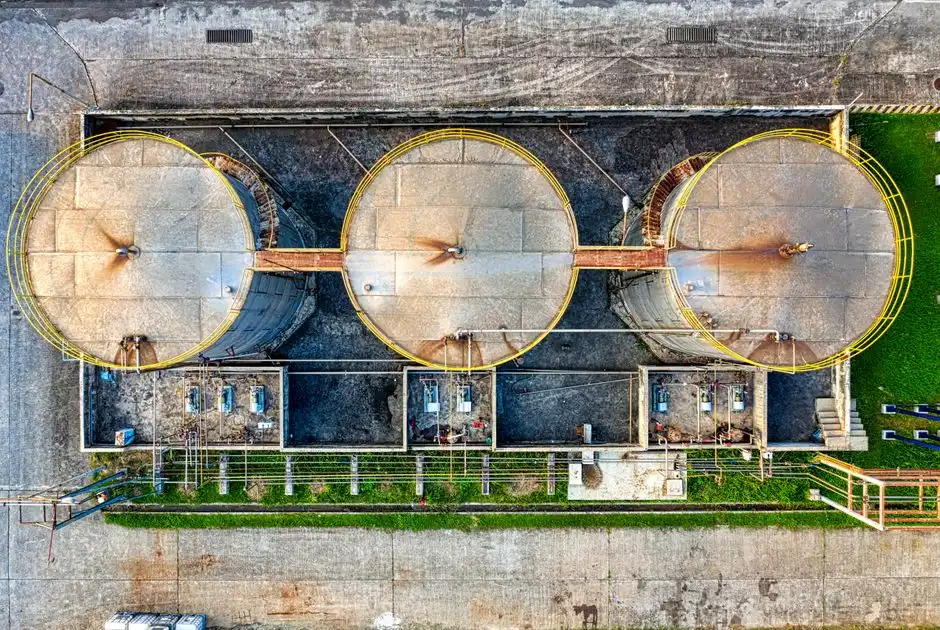
Apply the standard resort design factor: 0.4–0.6 m³ per guest-night plus 0.2 m³ per staff shift, peaking at 1.5× average daily flow. A worked example for a 200-room coastal resort: 200 rooms × 0.5 m³ × 70% occupancy = 70 m³/day from guests, plus 100 staff × 0.2 m³ = 20 m³/day, giving ~85 m³/day average and ~130 m³/day peak. That flow puts a 200-room property squarely in the mid-MBR range (10–500 m³/day) and above the comfortable WSZ ceiling for a single train.
At the small end, a 30-room pension in Haeundae-gu or Gijang-gun generates roughly 10–15 m³/day average, well within the WSZ underground package plant capacity range of 1–80 m³/h. At the large end, a 500-room convention hotel at 70% occupancy with full banquet operations runs ~250 m³/day average, requiring a multi-train MBR with polishing and dedicated disinfection rather than a single skid.
Seasonality matters in Busan more than in Seoul. July–August Haeundae tourism, the Busan Sea Festival window, and the Jagalchi market high season can push hotel flow to 2× annual average. Size the biological stage on peak day, not annual average — otherwise the system runs at solids washout during August and at poor efficiency during the February low. Also budget for laundry: resort occupancy drives linen cycles, and laundry wastewater can be 20–30% of total flow with high BOD and surfactant load that a domestic-only design factor will miss.
WSZ vs MBR vs SBR: Which System Fits a Busan Hotel?
Three packaged technologies cover essentially the entire 1–2,000 m³/day range of Busan hotel applications. Each has a defensible niche.
The WSZ underground package plant combines A/O contact oxidation, sedimentation, and disinfection in a fully buried FRP/steel tank. It is the lowest CAPEX option, needs no dedicated operator, and leaves the surface available for landscaping — a real advantage on premium Haeundae land. The hard ceiling is the catalog capacity of 1–80 m³/h; beyond that, footprint and tank diameter become impractical. WSZ is the correct choice for pensions, small inns, and 30–60 m³/day boutique properties.
The MBR membrane bioreactor system pairs activated sludge with submerged PVDF membranes (typically 0.1–0.4 μm pore size, effluent turbidity <1 NTU) and delivers near-reuse-quality water. Footprint is ~60% smaller than a conventional activated-sludge plant of the same capacity, which on Haeundae land can offset a meaningful share of CAPEX. It is the default choice for 80–500 m³/day 3-to-5-star coastal properties, and the only choice when the project targets toilet-flushing or irrigation reuse. For modular expansion or membrane replacement, the DF series flat-sheet membrane modules allow swap-out without draining the bioreactor.
The SBR (sequencing batch reactor) runs fill–react–settle–decant cycles in a single tank. It is forgiving of highly variable hydraulic and organic loads, which makes it attractive for properties with a small convention center or seasonal banquet operation. The trade-off is higher controls complexity and more operator attention than an MBR; SBR is the right call when flow variability is extreme and footprint is not the binding constraint.
| Parameter | WSZ (A/O contact oxidation) | MBR (membrane bioreactor) | SBR (sequencing batch) |
|---|---|---|---|
| Catalog capacity | 1–80 m³/h | 10–2,000 m³/day | 20–500 m³/day typical |
| Typical effluent BOD | ≤20 mg/L | ≤5 mg/L | ≤15 mg/L |
| Typical effluent SS | ≤20 mg/L | ≤1 mg/L | ≤20 mg/L |
| Footprint (relative) | Small (buried) | ~60% smaller than conventional | Moderate |
| Automation / operator | Low / none | High / minimal | Moderate / required |
| Best-fit property | Pensions, inns ≤60 m³/day | 3–5-star coastal 80–500 m³/day | Variable-load mid-size |
| Water-reuse ready | Limited | Yes (toilet/irrigation) | Requires polishing |
Decision rule: under 60 m³/day, specify WSZ; 80–500 m³/day with any reuse or coastal-discharge target, specify MBR; only choose SBR when flow is highly variable and footprint is not constrained.
Disinfection and Water Reuse: ClO₂ vs Chlorination for Busan Resorts
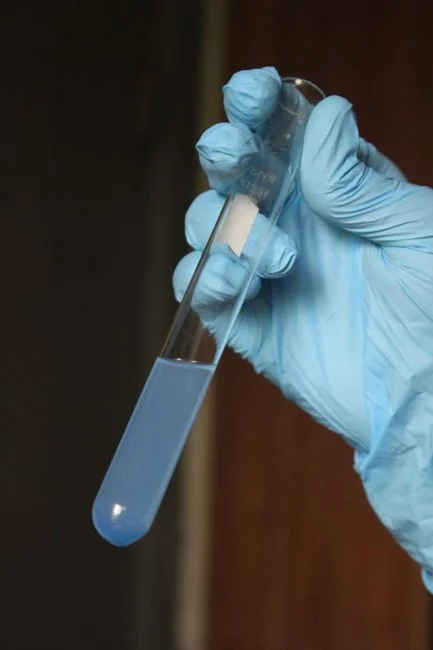
Chlorination alone is being phased down in Korean hotel applications because disinfection by-products (DBPs) — trihalomethanes and haloacetic acids — and tighter 2025/2026 reuse rules push operators toward chlorine dioxide (ClO₂) or UV. A chlorine dioxide generator produces 50 g/h to 20,000 g/h of ClO₂ on-site from chlorite and HCl precursors, with selectivity >95% and conversion efficiency compatible with EPA, EU Drinking Water Directive 98/83/EC, and WHO Guidelines. On-site generation eliminates the hazard of transporting liquid chlorine or commercial ClO₂ through a resort's public areas.
The reuse economics are concrete. Toilet flushing and irrigation for a 200-room resort can reclaim 30–50% of treated effluent — typically the second-largest single use of fresh water after laundry. In Busan's summer-stressed municipal supply, where Haeundae peak demand can stress reservoir capacity, that reclaimed volume translates into a measurable reduction in both water purchase and wastewater discharge fees. ClO₂ is preferred over sodium hypochlorite for this duty because it operates effectively over pH 6–9, leaves no chlorinated taste or smell (a guest-experience advantage for any hotel with in-room water features, spa pools, or steam rooms), and does not react with ammonia to form chloramines.
UV is the chemical-free alternative but provides no residual, so hotels that need a residual in the reuse loop — for example, recycled water sitting in a rooftop tank overnight — typically run UV in series with a low-dose ClO₂ polish. For comparison of energy and chemical OPEX per m³ treated across these options, see the AOP system energy efficiency 2026 guide.
Pretreatment, Sludge, and the Full Plant Layout for a Busan Hotel
A biological reactor alone is not a plant. The supporting equipment chain protects the membranes, controls FOG (fats, oils, grease), handles sludge, and is what separates a workable installation from a six-month headache.
Start with a GX rotary mechanical bar screen upstream of the lift station. Resort wastewater carries a disproportionate load of fibrous material — guest linens, spa hair, kitchen rags, beach sand — that will blind pumps and tear membrane fibers if not removed at 2–3 mm bar spacing. The screen should be specified with a 5–10 mm primary bar and a finer secondary bar in series for MBR-fed properties.
For properties with significant kitchens, banqueting, or multiple F&B outlets, install a dissolved air flotation system (4–300 m³/h range, micro-bubble skimming) ahead of the biological stage. DAF removes 60–90% of FOG and a meaningful fraction of suspended solids before they reach the bioreactor, which directly reduces membrane fouling rate and extends the 7–10-year membrane replacement interval. A PLC-controlled automatic chemical dosing skid ahead of DAF provides coagulant (typically PAC 50–200 mg/L) and pH adjustment; the same skid can dose alum or ferric chloride for phosphorus polishing if the local TN/TP limits require it.
Sludge handling is the line item that Busan developers routinely underestimate. A plate and frame filter press (1–500 m² filter area range) dewaters waste-activated sludge to 25–35% dry solids, reducing haulage volume by a factor of 5–8 versus liquid sludge. Busan's municipal sludge handling is regulated and charged by wet weight, so the dewatered cake pays for the press in 2–3 years on most 100+ m³/day installations.
On layout: in Haeundae-gu and other premium districts, specify the WSZ or MBR as covered or fully buried with landscaping above, or as modular skid-mounting on a concrete pad with acoustic enclosure to keep blower noise below 55 dB(A) at the property boundary. Modular skid-mounting is the faster install on resort-construction schedules — typical install time is 4–6 weeks for an MBR skid versus 10–14 weeks for a poured-concrete conventional plant. For a comparable packaged treatment case in a different European coastal market, the Lisbon hotel wastewater treatment 2026 guide walks through the same selection logic.
2026 CAPEX and OPEX Benchmarks for a Busan Hotel Wastewater Plant
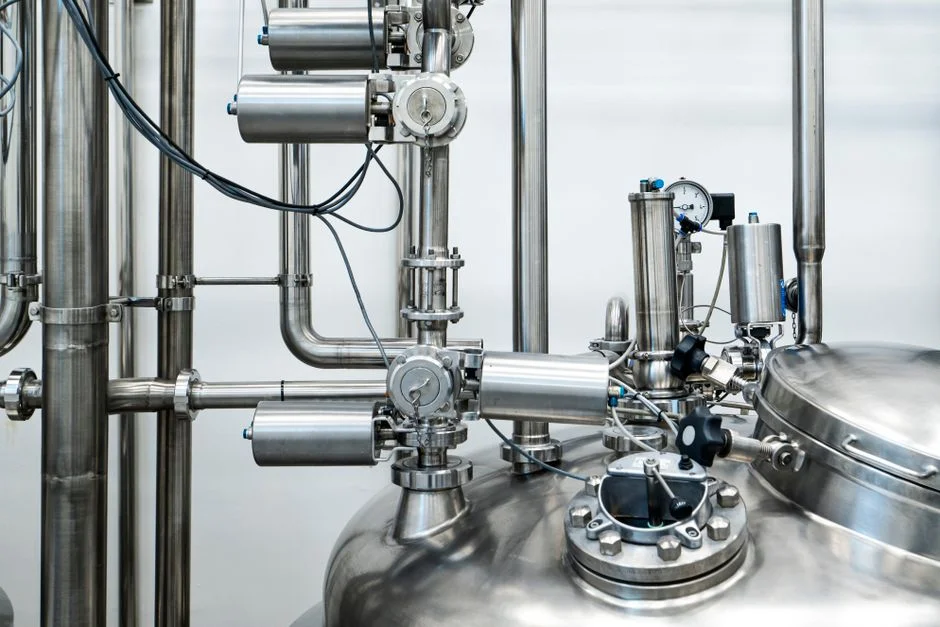
Treat these as engineering-judgement ranges, not quotes. They are intended for budget shortlisting and EPC contractor comparison, not for direct purchase-order pricing.
| System | Capacity | CAPEX (installed) | OPEX | Key reserve items |
|---|---|---|---|---|
| WSZ package plant | ≤80 m³/h | $30K–$120K | $0.20–$0.40/m³ | Blower rebuild 5–7 yr, media 8–10 yr |
| MBR system | 100–500 m³/day | $150K–$600K | $0.40–$0.80/m³ | Membrane replacement 7–10 yr (15–25% of CAPEX) |
| SBR (mid-size) | 50–300 m³/day | $120K–$400K | $0.35–$0.60/m³ | Decanter valves, controls upgrade |
| ClO₂ disinfection skid | 50 g/h to 20,000 g/h | $5K–$40K | $0.02–$0.05/m³ chemical | Precursor drum change-out |
The MBR range widens at the top because footprint reduction, multi-train redundancy, and full building enclosure are line items that vary sharply with site. The membrane replacement reserve line (every 7–10 years at 15–25% of original membrane CAPEX) should be a dedicated sinking-fund item in the hotel's facilities budget rather than buried in general maintenance. For comparison, the Warsaw hotel wastewater treatment 2026 guide shows a similar MBR reserve structure for a colder-climate equivalent, and the Cebu hotel wastewater treatment 2026 guide shows the same logic applied in a tropical DENR framework.
The hidden CAPEX offset in Haeundae and Gijang is land. A compact MBR footprint (~60% smaller than a conventional plant) at a Busan coastal land value of $1,500–$3,000/m² can shift a six-figure sum back into the developer's pocket. For projects considering on-site sludge digestion as an alternative to hauling, the anaerobic digester 2026 engineering guide covers when digestion beats dewatering for a hotel-scale sludge flow.
Frequently Asked Questions
What wastewater treatment system does a 200-room Busan resort need in 2026?
A 200-room coastal Busan resort at ~70% occupancy generates ~85 m³/day average and ~130 m³/day peak. The standard 2026 specification is a single- or two-train MBR membrane bioreactor system (10–2,000 m³/day catalog range) with <1 μm effluent, followed by a ClO₂ disinfection skid for reuse in toilet flushing and irrigation. The system is designed to meet BOD ≤10–20 mg/L and SS ≤10 mg/L per Korea's ME Notice water-quality-sensitive zone limits, and total coliform ≤10 CFU/100 mL for the reuse loop.
Is a buried WSZ package plant acceptable for a small Busan pension or guesthouse?
Yes. A 30-room pension at ~10–15 m³/day falls squarely in the WSZ underground package plant capacity range of 1–80 m³/h. WSZ combines A/O contact oxidation, sedimentation, and disinfection in a fully buried unit, needs no full-time operator, and is typically the lowest CAPEX option in the 2026 market at $30K–$120K installed. The buried profile also preserves landscaping on small Haeundae or Gijang parcels where above-ground equipment rooms are not feasible.
Can a Busan hotel reuse treated wastewater for toilet flushing and irrigation?
Yes, and it is becoming standard practice for 3-to-5-star coastal properties. Korea's reuse standards for non-potable applications require BOD ≤10 mg/L, SS ≤10 mg/L, and total coliform ≤10 CFU/100 mL. MBR effluent with ClO₂ polishing meets these numbers consistently. A typical 200-room resort can reclaim 30–50% of treated effluent, reducing both municipal water purchase and wastewater discharge fees in Busan's summer-stressed supply.