
How an Anaerobic Digester Works
An anaerobic digester works as a sealed, oxygen-free reactor where mixed microbes convert organic matter into biogas and digestate. According to US EPA AgSTAR, raw biogas typically holds 50–75% methane, with carbon dioxide, hydrogen sulfide, water vapor, and trace gases making up the balance. Digestate is the nutrient-rich liquid and solid residue left after digestion.
The same biology occurs in wetlands, rice fields, and landfills. Engineered digesters raise the rate by locking hydraulic retention time, temperature, pH, and mixing. According to US EPA basic AD guidance, the built vessel is the digester, while the full anaerobic digestion (AD) system also covers feed handling, gas cleanup, and digestate processing.
A vessel-only specification usually understates uptime and OPEX. The gas train — H2S removal, desulfurization, and moisture knock-out — decides how much of the methane you can sell or burn. That point is reinforced in the sulfide removal technology comparison for biogas cleanup. Co-digestion of manure, food waste, fats/oils/greases (FOG), or crop residues can lift methane from weak feeds, but it also shifts C:N and micronutrient demand (per US EPA AgSTAR).
The Four Microbial Stages of Anaerobic Digestion
Anaerobic digestion runs as a four-stage relay: each stage’s product feeds the next, and the slowest stage sets plant rate. The Durban University of Technology (DUT) 2025 upscaling study shows the risk clearly. When influent COD rose from 4,320 to 18,770 mg/L, pH crashed and long-chain fatty acids built up because methanogens could not match acidogen speed.
- Hydrolysis. Extracellular enzymes (proteases, amylases, lipases) from fermentative bacteria split proteins, carbohydrates, and lipids into soluble monomers (amino acids, sugars, fatty acids). For high-solids feeds such as primary sludge or manure, hydrolysis is usually rate-limiting because particle surface area and enzyme diffusion control kinetics.
- Acidogenesis. Acidogenic bacteria convert those monomers into volatile fatty acids (VFAs) — acetate, propionate, butyrate — plus alcohols, CO2, and H2. This stage is fast and tolerates a wide pH range, so it can outrun methanogenesis during loading spikes.
- Acetogenesis. Syntrophic acetogens oxidize longer-chain VFAs and alcohols into acetate, hydrogen, and CO2. The step is thermodynamically unfavorable unless hydrogen partial pressure stays low. Methanogens keep H2 low by continuous consumption; break that partnership and the chain stalls.
- Methanogenesis. Acetoclastic archaea (mainly Methanosaeta) split acetate into CH4 and CO2; hydrogenotrophic archaea combine H2 with CO2 to form CH4. Methanogens are the most pH- and temperature-sensitive group. Their failure mode — low pH, VFA accumulation, foam — is the most common digester upset we see on industrial trains.
Operators watch VFAs, acetate, and H2 on-line for early warnings. A rising VFA/alkalinity ratio is still the primary field signal that methanogens are losing the race to upstream acidogens.
Reactor Designs Compared: CSTR, UASB, EGSB, and Egg-Shaped Digesters
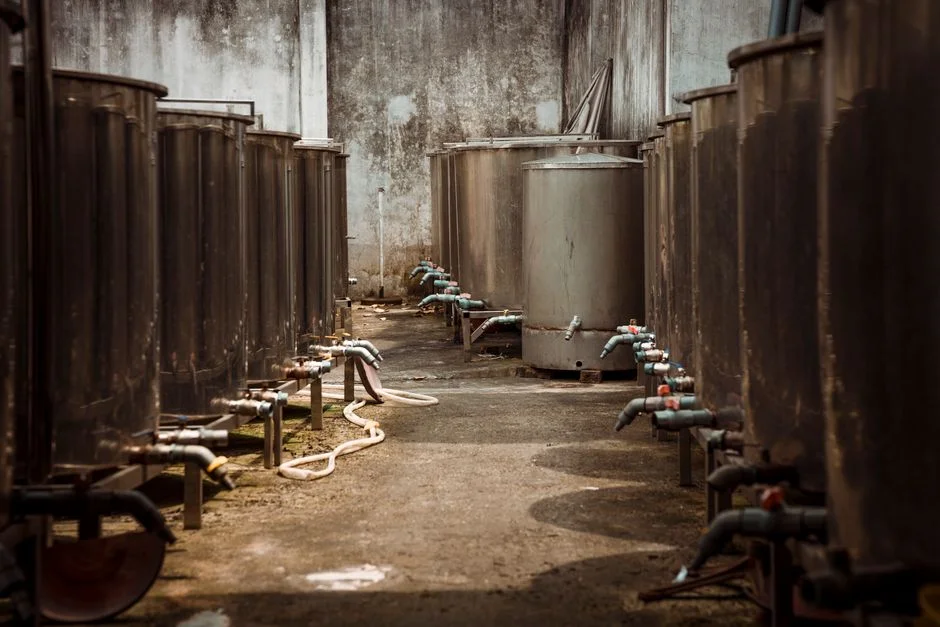
Reactor geometry lets operators decouple hydraulic retention time (HRT) from solids retention time (SRT). High-rate designs (UASB, EGSB) hold biomass as granules or biofilms, so HRT can fall to hours while SRT stretches to weeks. CSTR and egg-shaped digesters treat the whole mixed liquor as one retention pool and therefore need HRTs measured in weeks. Influent COD strength and solids fraction should drive selection — not brochure labels.
| Reactor type | Typical HRT | Temperature range | Typical OLR | Best-fit influent | Key design feature |
|---|---|---|---|---|---|
| CSTR (Continuous Stirred Tank Reactor) | 20–40 days | Mesophilic 30–38 °C or thermophilic 50–55 °C | 1–4 kg COD/m³·d | High-solids biosolids, manure, co-digestion of FOG with food waste | Fully mechanical or gas mixing; simple geometry, robust to solids |
| UASB (Upflow Anaerobic Sludge Blanket) | 6–24 hours | Mesophilic 30–35 °C typical; ambient in warm climates | 5–15 kg COD/m³·d | High-strength soluble industrial wastewater (COD > 5,000 mg/L) | No mechanical mixing; biomass forms dense granules in a sludge blanket; internal gas-solids separator |
| EGSB (Expanded Granular Sludge Bed) | 2–8 hours | Mesophilic 25–35 °C, including low-strength cold streams | 10–30 kg COD/m³·d | Low-to-medium strength or temperature-sensitive soluble wastewater | Tall reactor (15–25 m) with effluent recirculation drives upflow velocity to 4–10 m/h and expands the bed |
| Egg-shaped digester | 20–30 days | Mesophilic 30–38 °C | 1–3 kg COD/m³·d | Municipal biosolids, large WWTP footprints where mixing and grit removal are critical | Egg shape eliminates dead corners, improves mixing efficiency, concentrates grit at the steep bottom apex for removal |
On coffee wastewater (COD roughly 6,000–8,000 mg/L, soluble fraction), a UASB at 30–35 °C and pH 6.0–8.0 removed 85.00 ± 0.34% COD. The same run removed 84.40 ± 5.66% BOD and 97.78 ± 0.57% of the C/N ratio. It outperformed a conventional digester and a CSTR on the same feed (per MDPI, 2018). Egg-shaped digesters are well documented in CFD work for municipal biosolids (per HKUST thesis numerical flow simulations) but are rarely specified for industrial soluble streams.
Temperature bands in the table still match most industrial datasheets. According to US EPA digester-type guidance, mesophilic systems typically target 86–100 °F (about 30–38 °C) and thermophilic systems 122–140 °F (50–60 °C). Earlier plant specs often used a narrower thermophilic band of 50–55 °C for stability; the 50–60 °C EPA window is the broader current reference.
Operating Parameters That Control Performance
Operating setpoints decide whether the selected reactor hits its design OLR. The DUT 2025 study optimized these variables with response surface methodology on a 50 L system and checked the results on two industrial streams. Mesophilic digestion runs most efficiently between 35 °C and 40 °C, while thermophilic digestion targets 50 °C to 60 °C to speed reaction kinetics and pathogen destruction. High-rate UASB and EGSB reactors built for strong industrial loads typically cut COD by 80% to 95% while producing energy-rich biogas.
- HRT. For a CSTR-style mesophilic digester, biogas production rises exponentially between 9 and 18 days, plateaus at 18–22 days, and drops sharply past 22 days. The DUT optimum was 21 days at pH 7.01 and 0.42 g/L magnetite (R² = 0.99, desirability 0.99). A UASB or EGSB runs an order of magnitude shorter because granules retain biomass independently of hydraulic flow.
- pH. Methanogens operate in a narrow 6.8–7.2 band. A drop below 6.2 signals VFA accumulation and an impending acid crash — still the most common failure during loading ramps at plants we size.
- Temperature. Mesophilic operation at 30–38 °C is the standard industrial range. Thermophilic 50–55 °C roughly doubles reaction rates but shrinks stability margins and raises ammonia toxicity risk on protein-rich feeds.
- Magnetite (Fe3O4) dosing. Conductive iron-oxide particles speed direct interspecies electron transfer between syntrophic acetogens and methanogens. In the DUT study, 0.4–0.6 g/L cut the lag phase from 9 days to 3 days and held daily biogas at 20–23 mL/d. At 0.8 g/L the catalyst overloaded and biogas fell to 2 mL/d by day 9.
- Sensor-based control. Adding pH, ORP, and gas-flow sensors on the 50 L reactor raised methane from the usual 50–75% band to 90% (per DUT 2025). Off-spec conditions were corrected before the community collapsed.
What Anaerobic Digestion Actually Delivers: Real Case Data
DUT 2025 biochemical methane potential (BMP) tests give head-to-head yields across four wastewater streams. The MDPI 2018 coffee study adds a pilot-scale UASB data point for a high-rate soluble feed.
| Wastewater | Influent COD (mg/L) | Digester configuration | COD removal | Biogas yield |
|---|---|---|---|---|
| Sugar refinery | 18,770 | Mesophilic CSTR-style, 21-day HRT | 62.8% | 148 mL/g TDS |
| Industrial sewage | 4,320 | Mesophilic CSTR-style, 21-day HRT | > 85% | 76 mL/g TDS |
| Oil refinery | Not reported | Mesophilic CSTR-style, 21-day HRT | Not reported | 64 mL/g TDS |
| Municipal wastewater | Not reported | Mesophilic CSTR-style, 21-day HRT | Not reported | 45 mL/g TDS |
| Coffee processing (wet method) | ~6,000–8,000 (typical) | UASB, 30–35 °C, pH 6.0–8.0 | 85.00 ± 0.34% | ~83.57 mL/day (avg) |
Gas yield tracks influent organic strength. The sugar refinery stream (18,770 mg/L COD) produced 148 mL/g TDS, more than three times the municipal stream. COD removal does not follow the same curve: the high-strength sugar stream reached only 62.8% removal after pH crashes and fatty acid accumulation, while lower-strength industrial sewage cleared more than 85%. The bottleneck is rarely the digestion chemistry itself. It is the methanogen’s ability to keep pace with upstream acidogens at high organic loading (per DUT 2025).
Aerobic vs Anaerobic Digester: Which Fits Your Plant?
An aerobic vs anaerobic digester choice starts with oxygen and energy, not brand preference. Anaerobic trains skip aeration air, so blower power drops while methane-rich biogas becomes a recoverable fuel. Aerobic systems oxidize organics with continuous oxygen transfer, produce more waste biomass, and rarely recover fuel gas from the same COD load.
Most plants we size for COD above about 5,000 mg/L start with anaerobic pretreatment (UASB, EGSB, or staged AD) and keep aerobic polishing for effluent limits. Low-strength municipal or dilute industrial streams often stay fully aerobic because methane yield would not pay for digester and gas-train capital. If your goal is energy recovery from high-strength soluble organics, anaerobic is the first shortlist; if your goal is low residual COD with simple controls and no gas handling, aerobic usually wins.
Choosing the Right Digester for Your Wastewater
Selection hinges on influent strength and solids content. Low-to-medium strength soluble industrial wastewater (COD under 5,000 mg/L) usually fits a UASB or EGSB at 6–24 hours HRT. Food, beverage, and chemical streams in that range retain granular biomass well. High-strength soluble streams (COD above 5,000 mg/L) push the same UASB toward effluent recirculation or a staged CSTR + UASB train so acidogenesis and methanogenesis can be paced apart. High-solids biosolids, manure, and FOG/food-waste co-digestion belong in a CSTR or egg-shaped digester at 20–40 days HRT, with mechanical or gas mixing to keep grit and scum moving.
Use this short checklist before freezing a P&ID:
- Measure soluble vs particulate COD and total solids at the digester feed point.
- Confirm target HRT/SRT for the reactor class (hours for UASB/EGSB; weeks for CSTR/egg-shaped).
- Set pH control and alkalinity so the 6.8–7.2 methanogen band holds during load ramps.
- Size H2S and moisture treatment for the expected biogas sulfur and dew point.
- Plan digestate path: liquid recycle, land application, or dewatering to cake.
- Budget mixing energy (CSTR) or recirculation pumping (EGSB) as a major OPEX line.
- Verify seed sludge or granulation strategy for high-rate start-up.
System design must include the equipment around the vessel. A rotary mechanical bar screen for digester feed protection keeps debris from fouling the sludge blanket or impeller. A plate and frame filter press for digestate dewatering turns the residual 2–5% solids stream into a stackable cake. The citrus wastewater biogas project in Brazil launching late 2026 is a useful commercial reference for high-strength soluble fruit-processing influent.
Who This Is For and Next Step
This guide is for plant engineers, EPC process leads, and procurement teams comparing AD reactor classes on industrial or municipal wastewater. Look elsewhere if you only need aerobic activated-sludge polishing with no biogas recovery, or if your COD is too dilute to justify digester and gas-train capital. When you have influent COD, solids, temperature, and effluent limits ready, request a sizing review through our anaerobic digester project inquiry form so the HRT, OLR, and gas-train scope match your stream.
Frequently Asked Questions
How long does anaerobic digestion take?
For a mesophilic CSTR-style digester on industrial wastewater, biogas output rises exponentially between 9 and 18 days, plateaus at 18–22 days, and drops sharply past 22 days. The DUT 2025 optimum was 21 days at pH 7.01. High-rate UASB and EGSB units run HRTs of about 2–24 hours because granules keep SRT long while liquid passes quickly.
What is the difference between CSTR and UASB anaerobic digesters?
A CSTR mixes the full tank and suits high-solids biosolids, manure, or FOG co-digestion at typical HRTs of 20–40 days and OLR of 1–4 kg COD/m³·d. A UASB passes soluble wastewater up through a granular sludge blanket at 6–24 hours HRT and 5–15 kg COD/m³·d, with no mechanical mixing. Choose CSTR when solids dominate; choose UASB when COD is high and mostly soluble.
What percentage of methane is in anaerobic digester biogas?
Raw digester biogas typically contains 50–75% methane by volume, according to US EPA AgSTAR. The balance is mainly carbon dioxide, with hydrogen sulfide, water vapor, and trace gases. Actual methane share moves with feedstock, temperature, and whether the methanogen community stays inside the 6.8–7.2 pH window.
What is the optimum pH and temperature for an anaerobic digester?
Methanogens perform best near pH 6.8–7.2; a drop below 6.2 warns of VFA overload. Mesophilic trains usually run 30–38 °C. Thermophilic designs often use 50–55 °C on industrial datasheets, while US EPA lists a broader 122–140 °F (50–60 °C) thermophilic window. Higher temperature speeds kinetics but tightens stability and ammonia margins.
Can an anaerobic digester treat high-strength industrial wastewater?
Yes. High-rate anaerobic reactors such as UASB and EGSB are built for soluble industrial COD often above 5,000 mg/L, with OLRs of 5–30 kg COD/m³·d in the comparison table above. Staged CSTR plus UASB trains help when acidogenesis outruns methanogenesis. Expect biogas recovery plus downstream polishing when discharge limits are tight.