كيف يعمل الهاضم اللاهوائي
يعمل الهاضم اللاهوائي كمفاعل مغلق خالٍ من الأكسجين، تقوم فيه ميكروبات مختلطة بتحويل المادة العضوية إلى غاز حيوي ومُهضَم. وفق وكالة حماية البيئة الأمريكية US EPA AgSTAR، يحتوي الغاز الحيوي الخام عادةً على 50–75% ميثان، ويشكّل ثاني أكسيد الكربون وكبريتيد الهيدروجين وبخار الماء وغازات نزرة الرصيد المتبقي. والمُهضَم هو السائل والصلب الغني بالعناصر الغذائية المتبقي بعد الهضم.
تجري العملية البيولوجية ذاتها في الأراضي الرطبة وحقول الأرز ومدافن النفايات، لكن المفاعلات الهندسية ترفع معدلها عبر تثبيت زمن الاحتجاز الهيدروليكي ودرجة الحرارة وpH والخلط. ووفق الإرشادات الأساسية لوكالة حماية البيئة الأمريكية بشأن الهضم اللاهوائي (AD)، فإن الوعاء المبني هو الهاضم، بينما يشمل نظام الهضم اللاهوائي الكامل أيضًا مناولة التغذية وتنقية الغاز ومعالجة المُهضَم.
تغفل مواصفات الوعاء وحدها عادةً مدى الجهوزية وتكاليف التشغيل (OPEX)، إذ يحدّد مسار الغاز (إزالة H2S وإزالة الكبريت وفصل الرطوبة) كمية الميثان القابلة للبيع أو الحرق. تتأكد هذه النقطة في مقارنة تقنيات إزالة الكبريتيد لتنقية الغاز الحيوي. ويمكن للهضم المشترك مع السماد الطبيعي ومخلفات الطعام والدهون والزيوت والشحوم (FOG) أو بقايا المحاصيل أن يرفع إنتاج الميثان من الأعلاف الضعيفة، لكنه يغيّر في الوقت ذاته نسبة C:N ومتطلبات العناصر الصغرى (وفق US EPA AgSTAR).
المراحل الميكروبية الأربع للهضم اللاهوائي
يجري الهضم اللاهوائي كسلسلة من أربع مراحل متتالية: ناتج كل مرحلة يغذّي المرحلة التالية، والمرحلة الأبطأ هي التي تحدّد معدل المحطة. وتوضّح دراسة جامعة ديربان للتكنولوجيا (DUT) لعام 2025 حول التوسع المخاطر بجلاء: فعند ارتفاع COD في المياه الداخلة من 4,320 إلى 18,770 ملغ/لتر، انهار pH وتراكمت الأحماض الدهنية طويلة السلسلة لأن الميثانوجينات لم تستطع مواكبة سرعة الحماضات.
- التحلل المائي. تقوم إنزيمات خارج خلوية (البروتيازات والأميلازات والليبازات) تفرزها بكتيريا التخمر بتقسيم البروتينات والكربوهيدرات والدهون إلى مونومرات قابلة للذوبان (أحماض أمينية وسكريات وأحماض دهنية). وفي الأعلاف عالية المواد الصلبة كالحمأة الأولية أو السماد الطبيعي، يكون التحلل المائي عادةً هو المرحلة المحدِّدة للمعدل، إذ تتحكم مساحة سطح الجسيمات وانتشار الإنزيمات في حركية التفاعل.
- الحماضَة. تحوّل بكتيريا الحماضَة تلك المونومرات إلى أحماض دهنية طيارة (VFAs) — أسيتات وبروبيونات وبيوتيرات — إضافةً إلى الكحولات وCO2 وH2. هذه المرحلة سريعة وتتسامح مع نطاق pH واسع، لذا قد تتجاوز سرعة الميثانَة أثناء ارتفاعات الحمل.
- الأستياج. تأكسد الأسيتوجينات التكافلية الأحماض الدهنية الطيارة طويلة السلسلة والكحولات إلى أسيتات وهيدروجين وCO2. وتعد هذه الخطوة غير مفضلة ديناميكيًّا حراريًّا ما لم يظل الضغط الجزئي للهيدروجين منخفضًا. وتحافظ الميثانوجينات على انخفاض H2 عبر استهلاكه المستمر؛ فإذا انقطعت هذه العلاقة توقّفت السلسلة.
- الميثانَة. تقسّم العتائق الأسيتاتية (وأبرزها Methanosaeta) الأسيتات إلى CH4 وCO2؛ بينما تتحد العتائق الهيدروجينية مع H2 وCO2 لتكوين CH4. وتُعد الميثانوجينات أكثر المجموعات حساسية لدرجة الحرارة وpH. وأكثر أعطال الهاضم شيوعًا في الخطوط الصناعية هو فشل هذه المجموعة: انخفاض pH وتراكم الأحماض الدهنية الطيارة وتكوّن الرغوة.
يتابع المشغّلون قيم الأحماض الدهنية الطيارة والأسيتات وH2 آنيًّا لأغراض الإنذار المبكر، ولا تزال نسبة VFA إلى القلوية المتصاعدة هي الإشارة الميدانية الرئيسية على أن الميثانوجينات تخسر السباق أمام الحماضات.
مقارنة تصاميم المفاعلات: CSTR وUASB وEGSB والهضمات البيضاوية
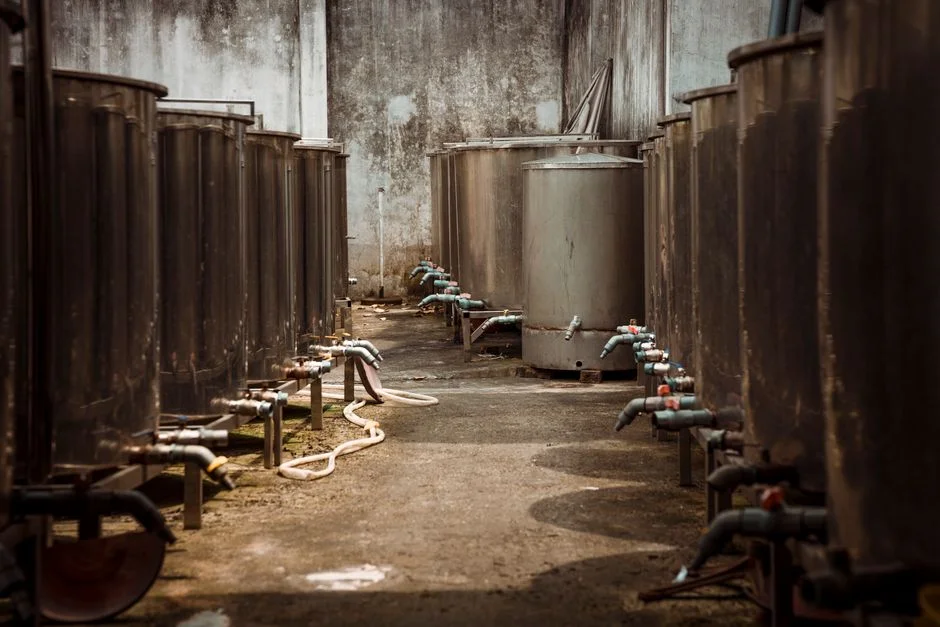
يسمح شكل المفاعل للمشغّلين بفصل زمن الاحتجاز الهيدروليكي (HRT) عن زمن احتجاز المواد الصلبة (SRT). ففي التصاميم عالية المعدل (UASB وEGSB) تُحتجز الكتلة الحيوية على شكل حبيبات أو أغشية حيوية، ما يسمح بتخفيض HRT إلى الساعات مع مدّ SRT إلى أسابيع. أما هاضما CSTR والبيضاوي فيتعاملان مع كامل السائل المختلط كحوض احتجاز واحد، ولذا يحتاجان إلى HRTs تُقاس بالأسابيع. وينبغي أن تكون شدة COD في المياه الداخلة ونسبة المواد الصلبة هي المحرك الأساسي للاختيار، لا العناوين الدعائية.
| نوع المفاعل | HRT النموذجي | نطاق درجة الحرارة | OLR النموذجي | الملاءمة المثلى للمياه الداخلة | السمة التصميمية الرئيسية |
|---|---|---|---|---|---|
| CSTR (المفاعل ذو الخزان المختلط المستمر) | 20–40 يومًا | متوسطة الحرارة 30–38 °C أو مرتفعة الحرارة 50–55 °C | 1–4 كغ COD/م³·يوم | حمأة بيولوجية عالية المواد الصلبة، وسماد طبيعي، وهضم مشترك لـFOG مع مخلفات الطعام | خلط ميكانيكي أو بالغاز كامل؛ شكل بسيط، ومتانة أمام المواد الصلبة |
| UASB (طبقة الحمأة الاندفاعية الصاعدة) | 6–24 ساعة | متوسطة الحرارة 30–35 °C نموذجيًّا؛ محيطة في المناخات الحارة | 5–15 كغ COD/م³·يوم | مياه الصرف الصناعي عالي الشدة القابلة للذوبان (COD > 5,000 ملغ/لتر) | بدون خلط ميكانيكي؛ تكوّن الكتلة الحيوية على شكل حبيبات كثيفة في طبقة الحمأة؛ فاصل داخلي للغاز والمواد الصلبة |
| EGSB (الطبقة الحبيبية المتمددة) | 2–8 ساعات | متوسطة الحرارة 25–35 °C، بما في ذلك التيارات منخفضة الشدة والباردة | 10–30 كغ COD/م³·يوم | مياه صرف قابلة للذوبان منخفضة إلى متوسطة الشدة أو حساسة لدرجة الحرارة | مفاعل طويل (15–25 م) مع إعادة تدوير للمياه الخارجة لرفع سرعة الجريان التصاعدي إلى 4–10 م/ساعة وتوسيع الطبقة |
| هاضم بيضي | 20–30 يومًا | متوسطة الحرارة 30–38 °C | 1–3 كغ COD/م³·يوم | حمأة بيولوجية بلدية، ومحطات معالجة مياه صرف ذات مساحات كبيرة حيث يكون الخلط وإزالة الرمل حاسمًا | الشكل البيضوي يقضي على الزوايا الميتة، ويحسّن كفاءة الخلط، ويركّز الرمل في القاع المدبّب لتسهيل إزالته |
في مياه صرف البن (COD نحو 6,000–8,000 ملغ/لتر، الجزء القابل للذوبان)، حقّق UASB عند 30–35 °C وpH 6.0–8.0 إزالة COD قدرها 85.00 ± 0.34%، مع إزالة BOD قدرها 84.40 ± 5.66% وإزالة 97.78 ± 0.57% من نسبة C/N. وتفوق هذا الأداء على أداء هاضم تقليدي وCSTR على التغذية ذاتها (وفق دراسة MDPI لعام 2018). أمّا الهضمات البيضاوية فموثّقة جيدًا في أعمال ديناميكا الموائع الحسابية للحمأة البيولوجية البلدية (وفق أطروحة HKUST لمحاكاة الجريان العددي)، لكنّها نادرًا ما تُحدَّد للتيارات الصناعية القابلة للذوبان.
لا تزال نطاقات درجة الحرارة في الجدول مطابقة لأغلب الكتيبات الصناعية. ووفق إرشادات وكالة حماية البيئة الأمريكية بشأن أنواع الهضمات، تستهدف الأنظمة متوسطة الحرارة عادةً 86–100 °F (نحو 30–38 °C)، بينما تستهدف الأنظمة مرتفعة الحرارة 122–140 °F (50–60 °C). وكانت مواصفات المصانع القديمة تستخدم نطاقًا ضيقًا من 50–55 °C لمرتفعة الحرارة ضمانًا للاستقرار؛ أمّا النطاق الأوسع 50–60 °C لوكالة حماية البيئة فهو المرجع الحالي الأشمل.
معاملات التشغيل التي تتحكم في الأداء
تحدد نقاط الضبط التشغيلية ما إذا كان المفاعل المختار يحقق حمله التصميمي OLR. وقد أمثلت دراسة DUT 2025 هذه المتغيرات بأسلوب منهجية سطح الاستجابة على نظام سعته 50 لترًا، ثم تحقّقت من النتائج على تيارين صناعيين. ويبلغ الهضم متوسط الحرارة أعلى كفاءة بين 35 °C و40 °C، بينما يستهدف الهضم مرتفع الحرارة 50 °C إلى 60 °C لتسريع حركية التفاعل وتدمير المُمْرِضات. وعادةً ما تحقّق المفاعلات عالية المعدل من UASB وEGSB المُصمَّمة للأحمال الصناعية القوية إزالة COD تتراوح بين 80% و95% مع إنتاج غاز حيوي غني بالطاقة.
- HRT. في الهاضم متوسط الحرارة من طراز CSTR، يرتفع إنتاج الغاز الحيوي أسيًّا بين 9 و18 يومًا، ويستقر بين 18–22 يومًا، ثم ينخفض انخفاضًا حادًّا بعد 22 يومًا. وكان الأمثل في دراسة DUT عند 21 يومًا وpH 7.01 و0.42 غ/لتر من الماغنتيت (R² = 0.99، استحسان 0.99). أمّا UASB أو EGSB فيعملان بمقدار أقصر من حيث الترتيب لأن الحبيبات تحتجز الكتلة الحيوية بمعزل عن الجريان الهيدروليكي.
- pH. تعمل الميثانوجينات ضمن نطاق ضيق بين 6.8 و7.2. والانخفاض دون 6.2 إنذارٌ على تراكم الأحماض الدهنية الطيارة وانهيار حمضي وشيك، وهو لا يزال العطل الأكثر شيوعًا في محطات نُحدّد سعتها أثناء مراحل رفع الحمل.
- درجة الحرارة. التشغيل متوسط الحرارة عند 30–38 °C هو النطاق الصناعي المعياري. أمّا مرتفعة الحرارة عند 50–55 °C فتضاعف معدلات التفاعل تقريبًا لكنها تضيق هوامش الاستقرار وترفع مخاطر سُمّية الأمونيا على الأعلاف الغنية بالبروتين.
- جرعة الماغنتيت (Fe3O4). تسرّع جسيمات أكسيد الحديد الموصلة نقل الإلكترون المباشر بين الأنواع التكافلية والميثانوجينات. وفي دراسة DUT، خفّضت جرعات 0.4–0.6 غ/لتر طور التاخي من 9 أيام إلى 3 أيام، وحافظت على إنتاج يومي من الغاز الحيوي قدره 20–23 مل/يوم. وعند 0.8 غ/لتر، تثقل الحفاز وانخفض إنتاج الغاز الحيوي إلى 2 مل/يوم بحلول اليوم التاسع.
- التحكم المعتمد على الحساسات. رفعت إضافة حساسات pH وORP وجريان الغاز على المفاعل سعته 50 لترًا محتوى الميثان من النطاق المعتاد 50–75% إلى 90% (وفق DUT 2025). وتُصحَّح الانحرافات قبل انهيار مجتمع الميكروبات.
ما الذي يحقّقه الهضم اللاهوائي فعلًا: بيانات حالات واقعية
تقدّم اختبارات إمكانات الميثان البيوكيميائية (BMP) من دراسة DUT 2025 عوائد متقارنة لأربعة تيارات من مياه الصرف. وتضيف دراسة البن من MDPI 2018 نقطة بيانات لـUASB نصف صناعي لتغذية قابلة للذوبان عالية المعدل.
| مياه الصرف | COD في المياه الداخلة (ملغ/لتر) | تهيئة الهاضم | إزالة COD | عائد الغاز الحيوي |
|---|---|---|---|---|
| مصفاة سكر | 18,770 | CSTR متوسط الحرارة، HRT 21 يومًا | 62.8% | 148 مل/غ TDS |
| صرف صحي صناعي | 4,320 | CSTR متوسط الحرارة، HRT 21 يومًا | > 85% | 76 مل/غ TDS |
| مصفاة زيوت | غير مُبلَّغ | CSTR متوسط الحرارة، HRT 21 يومًا | غير مُبلَّغ | 64 مل/غ TDS |
| مياه صرف بلدي | غير مُبلَّغ | CSTR متوسط الحرارة، HRT 21 يومًا | غير مُبلَّغ | 45 مل/غ TDS |
| تجهيز البن (الطريقة الرطبة) | ~6,000–8,000 (نموذجي) | UASB، 30–35 °C، pH 6.0–8.0 | 85.00 ± 0.34% | ~83.57 مل/يوم (متوسط) |
يتناسب عائد الغاز مع الشدة العضوية للمياه الداخلة. فقد أنتج تيار مصفاة السكر (COD 18,770 ملغ/لتر) نحو 148 مل/غ TDS، أي أكثر من ثلاثة أضعاف عائد التيار البلدي. أمّا إزالة COD فلا تسير على المنحنى ذاته: فتيار السكر عالي الشدة لم يتجاوز 62.8% من الإزالة بعد انهيار pH وتراكم الأحماض الدهنية، بينما حقّق الصرف الصحي الصناعي الأقل شدة إزالة تجاوزت 85%. والعنق الزجاجي ليس كيمياء الهضم ذاتها، بل قدرة الميثانوجينات على مواكبة الحماضات عند التحميل العضوي المرتفع (وفق DUT 2025).
هاضم هوائي مقابل لاهوائي: أيهما يناسب محطتكم؟
يبدأ الاختيار بين الهاضم الهوائي واللاهوائي بالأكسجين والطاقة، لا بتفضيل العلامة التجارية. فالخطوط اللاهوائية تستغني عن هواء التهوية، فينخفض استهلاك منفخ الهواء ويصبح الغاز الحيوي الغني بالميثان وقودًا قابلًا للاسترداد. أمّا الأنظمة الهوائية فتؤكسد المواد العضوية بنقل أكسجين مستمر، وتنتج كتلة حيوية مهدورة أكبر، ولا تسترد عادةً غازًا وقودًا من حمل COD ذاته.
تبدأ أغلب المحطات التي نُحدّد سعتها لـCOD أعلى من نحو 5,000 ملغ/لتر بمعالجة لاهوائية مسبقة (UASB أو EGSB أو AD متعدد المراحل) وتحتفظ بالتشطيب الهوائي لحدود المياه المعالجة النهائية. وغالبًا ما تبقى التيارات البلدية منخفضة الشدة أو الصناعية المخففة هوائية بالكامل لأن عائد الميثان لن يبرر التكاليف الرأسمالية للهاضم ومسار الغاز. وإذا كان هدفكم استرداد الطاقة من عضوية قابلة للذوبان عالية الشدة، فاللاهوائي هو خياركم الأول في القائمة المختصرة؛ وإذا كان هدفكم COD متبقٍّ منخفضًا بضوابط تشغيلية بسيطة وبدون مناولة للغاز، فالهوائي غالبًا هو الأنسب.
اختيار الهاضم المناسب لمياه الصرف لديكم
يتوقّف الاختيار على شدة المياه الداخلة ومحتواها من المواد الصلبة. فمياه الصرف الصناعية القابلة للذوبان منخفضة إلى متوسطة الشدة (COD أقل من 5,000 ملغ/لتر) تناسب عادةً UASB أو EGSB بزمن احتجاز HRT يتراوح بين 6 و24 ساعة. وتحتفظ تيارات الأغذية والمشروبات والكيماويات ضمن هذا النطاق بحبيبات حيوية متماسكة. أمّا التيارات القابلة للذوبان عالية الشدة (COD أعلى من 5,000 ملغ/لتر) فتدفع نحو إعادة تدوير المياه الخارجة في UASB ذاته أو نحو خط متعدد المراحل CSTR + UASB لإتاحة إيقاع مستقل للحماضَة والميثانَة. وتعود الحمأة البيولوجية عالية المواد الصلبة والسماد الطبيعي وهضم FOG ومخلفات الطعام المشترك إلى CSTR أو هاضم بيضي بزمن احتجاز HRT يتراوح بين 20 و40 يومًا، مع خلط ميكانيكي أو بالغاز لإبقاء الرمل والرغوة في حالة حركة.
استخدموا قائمة المراجعة المختصرة هذه قبل تثبيت مخططات P&ID:
- قياس نسبة COD القابل للذوبان إلى COD الجسيمي وإجمالي المواد الصلبة عند نقطة تغذية الهاضم.
- التأكد من HRT/SRT المستهدف لفئة المفاعل (ساعات لـUASB/EGSB؛ أسابيع لـCSTR/البيضي).
- ضبط التحكم في pH والقلوية للحفاظ على نطاق الميثانوجينات 6.8–7.2 أثناء مراحل رفع الحمل.
- تحديد سعة معالجة H2S والرطوبة وفق محتوى الكبريت ونقطة الندى المتوقعة للغاز الحيوي.
- تخطيط مسار المُهضَم: إعادة تدوير سائل، أو تطبيق أرضي، أو تجفيف إلى كيك.
- اعتماد طاقة الخلط (CSTR) أو ضخ إعادة التدوير (EGSB) بندًّا رئيسيًّا في تكاليف التشغيل (OPEX).
- التحقق من استراتيجية الحمأة المُلقِّحة أو تكوين الحبيبات لبدء التشغيل عالي المعدل.
يجب أن يشمل تصميم النظام المعدات المحيطة بالوعاء. فـالمصفاة القضبانية الدوارة الميكانيكية لحماية تغذية الهاضم تمنع الحطام من إفساد طبقة الحمأة أو المكره. ومكبس ترشيح بالألواح والإطار لتجفيف المُهضَم يحوّل تيار المواد الصلبة المتبقية البالغ 2–5% إلى كيك قابل للتكديس. ويعدّ مشروع الغاز الحيوي لمياه صرف الحمضيات في البرازيل المقرر إطلاقه في أواخر 2026 مرجعًا تجاريًا مفيدًا لتغذية معالجة الفاكهة عالية الشدة القابلة للذوبان.
الفئة المستهدفة والخطوة التالية
يستهدف هذا الدليل مهندسي المحطات وقادة العمليات في شركات EPC وفِرَق المشتريات الذين يقارنون بين فئات مفاعلات AD لمياه الصرف الصناعية أو البلدية. ابحثوا عن محتوى آخر إذا كنتم تحتاجون فقط إلى معالجة هوائية بالحمأة المنشطة لغرض التشطيب دون استرداد للغاز الحيوي، أو إذا كان COD لديكم مخففًا جدًا بحيث لا يبرر التكاليف الرأسمالية للهاضم ومسار الغاز. وحين تتوفر لديكم بيانات COD للمياه الداخلة والمواد الصلبة ودرجة الحرارة وحدود المياه المعالجة، اطلبوا مراجعة تحديد السعة عبر نموذج استفسار مشاريع الهاضم اللاهوائي ليتطابق نطاق HRT وOLR ومسار الغاز مع تياركم.
الأسئلة الشائعة
كم يستغرق الهضم اللاهوائي؟
في الهاضم متوسط الحرارة من طراز CSTR على مياه الصرف الصناعية، يرتفع إنتاج الغاز الحيوي أسيًّا بين 9 و18 يومًا، ويستقر بين 18–22 يومًا، ثم ينخفض انخفاضًا حادًّا بعد 22 يومًا. وكان الأمثل في دراسة DUT 2025 عند 21 يومًا وpH 7.01. أمّا وحدات UASB وEGSB عالية المعدل فتعمل بـHRT يتراوح بين نحو ساعتين و24 ساعة لأن الحبيبات تحافظ على SRT طويلًا بينما يمر السائل بسرعة.
ما الفرق بين هاضم CSTR وهاضم UASB اللاهوائيين؟
يقوم CSTR بخلط كامل للخزان ويلائم الحمأة البيولوجية عالية المواد الصلبة أو السماد الطبيعي أو هضم FOG المشترك بـHRT نموذجي يتراوح بين 20 و40 يومًا وحمل OLR يتراوح بين 1 و4 كغ COD/م³·يوم. أمّا UASB فيمرّر مياه الصرف القابلة للذوبان تصاعديًّا عبر طبقة حمأة حبيبية بـHRT يتراوح بين 6 و24 ساعة وحمل يتراوح بين 5 و15 كغ COD/م³·يوم، دون خلط ميكانيكي. اختاروا CSTR عندما تهيمن المواد الصلبة، واختاروا UASB عندما يكون COD مرتفعًا وقابلًا للذوبان في معظمه.
ما نسبة الميثان في غاز الهاضم اللاهوائي؟
يحتوي الغاز الحيوي الخام للهاضم عادةً على 50–75% ميثان بالحجم، وفق وكالة حماية البيئة الأمريكية US EPA AgSTAR. ويشكّل ثاني أكسيد الكربون الجزء الأكبر من الرصيد المتبقي، إلى جانب كبريتيد الهيدروجين وبخار الماء وغازات نزرة. وتتغير نسبة الميثان الفعلية بحسب التغذية ودرجة الحرارة وبحسب بقاء مجتمع الميثانوجينات ضمن نطاق pH 6.8–7.2.
ما هي pH ودرجة الحرارة المثلى للهاضم اللاهوائي؟
تعمل الميثانوجينات في أفضل حالاتها قرب pH 6.8–7.2؛ والانخفاض دون 6.2 إنذارٌ على تراكم الأحماض الدهنية الطيارة. وتعمل الخطوط متوسطة الحرارة عادةً عند 30–38 °C. وغالبًا ما تستخدم التصاميم مرتفعة الحرارة نطاق 50–55 °C وفق الكتيبات الصناعية، بينما تُدرج وكالة حماية البيئة الأمريكية نطاقًا أوسع من 122–140 °F (50–60 °C) لدرجة الحرارة المرتفعة. وترفع الحرارة الأعلى حركية التفاعل لكنها تضيق هوامش الاستقرار والأمونيا.
هل يمكن للهاضم اللاهوائي معالجة مياه الصرف الصناعية عالية الشدة؟
نعم. صُمّمت المفاعلات اللاهوائية عالية المعدل كـUASB وEGSB لتحمل COD صناعي قابل للذوبان يتجاوز في الغالب 5,000 ملغ/لتر، مع أحمال OLR تتراوح بين 5 و30 كغ COD/م³·يوم وفق جدول المقارنة أعلاه. وتساعد الخطوط المتعددة المراحل CSTR + UASB عندما تتجاوز الحماضَة سرعة الميثانَة. وتوقعوا استردادًا للغاز الحيوي إضافةً إلى تشطيب لاحق عندما تكون حدود التصريف صارمة.