Why Sulfide Control Is a 2026 Priority for Industrial Plants
Hydrogen sulfide becomes lethal above 700 ppm within 5 minutes of exposure, and the NIOSH Immediately Dangerous to Life or Health (IDLH) value sits at 100 ppm while OSHA's permissible ceiling is 20 ppm — three orders of magnitude below the lethal threshold, which is why a single unannounced release in a wet well or digester headspace can hospitalize a crew (per OSHA 29 CFR 1910.1000 and NIOSH 2024 Pocket Guide). The hidden cost sits one level lower, in the dissolved sulfide that quietly eats concrete headworks and carbon-steel piping: refineries and petrochemical plants report sulfide-induced pitting losses in the $100K–$2M/year per site range, per AMPP (formerly NACE) 2024 corrosion-cost survey data, and the failure mode is rarely visible until a coupon or a weld fails. Compliance pressure is the third driver: 2026 revisions to China GB 14554-93 tighten ambient H2S to 0.03 mg/m³ Class 1, EU BAT-AEL documents for refining wastewater now push dissolved sulfide below 0.5 mg/L (unionized below 0.05 mg/L), and the 2026 Kenya EMCA / NEMA standards reference similar thresholds for industrial discharge. A fourth cost hides inside the anaerobic digester: sulfide partitions into biogas at 1,000–5,000 ppm and corrodes CHP engine cylinder liners, adding a $0.08–$0.14/kWh maintenance premium that rarely appears on the wastewater budget at all.
How Sulfide Behaves in Wastewater: The Chemistry That Drives Technology Choice
Sulfide exists in three protonation states — dissolved H2S, bisulfide HS–, and sulfide ion S2– — and the split is set almost entirely by pH. At pH 7.0 roughly 50% of total dissolved sulfide is present as H2S gas and 50% as HS–; at pH 9.0 bisulfide dominates above 95%; the S2– fraction only becomes meaningful above pH 12. This is the single most important fact when choosing a removal technology: below pH 7 the species is volatile and stripping becomes viable, above pH 8 it is ionic and precipitation or biological oxidation becomes the workhorse. Henry's law constant for H2S sits near 0.1 M/atm at 25 °C, which is high enough to strip but low enough that gas-phase treatment alone rarely closes the mass balance — liquid-phase polishing is always required. Temperature matters more than most designers account for: H2S solubility drops roughly 30% between 25 °C and 35 °C, so a warm anaerobic effluent at 32–35 °C strips far more aggressively into the headspace than the same stream cooled to 20 °C. The ORP link is the last mental anchor: sulfide is thermodynamically stable below –100 mV (vs. Ag/AgCl), so any aerated basin above +50 mV is already a sulfide-control device — the question is whether the residence time is long enough to finish the oxidation to sulfate.
Six Sulfide Removal Technologies Compared: Specs, Dose, Footprint
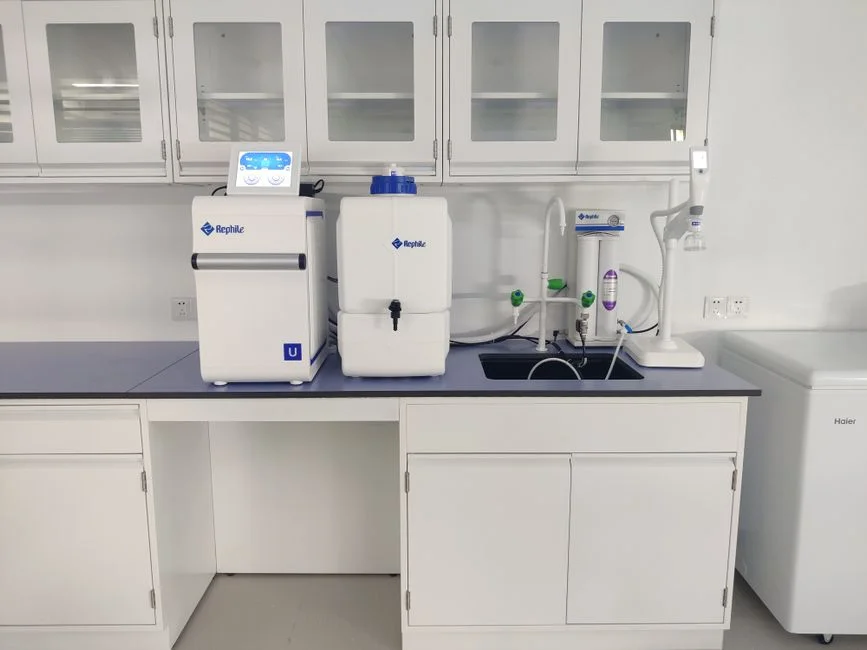
Biological oxidation with sulfur-oxidizing consortia (Thiobacillus, Sulfolobus, Beggiatoa) handles 1–50 mg/L streams with 95–99% removal at HRT 4–12 h, DO >2 mg/L, sludge yield 0.10–0.20 kg VSS/kg S, and footprint 0.3–0.6 m² per m³/d of design flow; it is the lowest-cost option whenever existing aeration exists. Chemical precipitation with FeCl3 or FeSO4 is the workhorse for 20–500 mg/L streams at a stoichiometric dose of 2.5–4.5 mg Fe per mg S (1.5–2× the theoretical 1.78 ratio) to drive residual below 0.5 mg/L, and it produces an FeS cake at 8–12% DS that must be dewatered — see a PLC-controlled FeCl3 or FeSO4 dosing skid for sidestream trim. Zeolite 13X (Na-X) adsorption, per the 2022 DTU review, delivers 80–120 mg S/g capacity and is regenerable with hot nitrogen — used as a polishing step or for low-flow gas streams, not as a primary workhorse. Chemical scrubbing with NaOH or MEA captures 99%+ of gas-phase H2S above 1,000 ppm at $0.04–$0.07/m³ gas, and is paired with biological or precipitation for liquid polishing. Ozonation per Mellifiq's published curve consumes 1.3–1.8 mg O3 per mg H2S and is most economical as a polishing or off-gas tool; CAPEX is dominated by the corona-discharge generator, typically $40K–$120K for 1–5 kg O3/h units. Microbial fuel cells (Rabaey et al., 2006) report 0.5–1.2 kg S/m³·d removal while co-generating 0.2–0.6 kWh/m³ — a 2026 pilot-stage technology with limited commercial references and should be specified only with vendor performance guarantees.
| Technology | Best influent range | Removal % | Key dose / parameter | Footprint / energy | 2026 status |
|---|---|---|---|---|---|
| Biological oxidation (Thiobacillus, Sulfolobus, Beggiatoa) | 1–50 mg/L dissolved | 95–99% | HRT 4–12 h, DO >2 mg/L | 0.3–0.6 m²/m³/d; 0.3–0.6 kWh/m³ | Commercial workhorse |
| FeCl3 / FeSO4 precipitation | 20–500 mg/L dissolved | 85–95% | 2.5–4.5 mg Fe/mg S | 0.1–0.3 m²/m³/d; chemical-bound | Commercial, rising FeCl3 cost +18% YoY (2025–2026 ICIS) |
| Zeolite 13X adsorption | Gas or polishing <50 mg/L | 90–99% | 80–120 mg S/g; N2 regen | 0.05–0.15 m²/m³ gas/d; thermal | Commercial, niche |
| NaOH / MEA scrubbing | Gas >1,000 ppm H2S | 99%+ | 0.03–0.05 mol NaOH/mol H2S | Packed tower; 0.2–0.5 kWh/m³ gas | Commercial |
| Ozonation (corona discharge) | Gas or low-dissolved <20 mg/L | 95–99% | 1.3–1.8 mg O3/mg H2S | 12–15 kWh/kg O3 | Commercial |
| Microbial fuel cell (MFC) | 5–200 mg/L dissolved | 70–90% | 0.5–1.2 kg S/m³·d, +0.2–0.6 kWh/m³ | 0.4–0.8 m²/m³/d; net energy-positive | Pilot / limited commercial |
2026 Decision Matrix: Match Influent Concentration to Technology
The matrix below is the procurement-grade answer to "which technology should I buy?" — influent band on the left, recommended primary and polish in the middle, and 2026 USD benchmarks on the right. For dissolved sulfide below 10 mg/L, biological oxidation alone is the lowest OPEX play (CAPEX $250–$450 per m³/d, OPEX $0.04–$0.07/m³) and polishing is rarely required. The 10–50 mg/L band is the contested zone: biological still wins on OPEX ($0.06–$0.12/m³) but FeCl3 precipitation shortens footprint and is more robust against load spikes. The 50–200 mg/L band is chemical territory at CAPEX $180–$320 per m³/d and OPEX $0.18–$0.35/m³, with biological polishing often added on the effluent to recover residual compliance margin. Above 200 mg/L and especially above 1,000 mg/L, sidestream stripping plus FeCl3 polish is the standard 2026 answer, with gas-phase scrubbing (CAPEX $1,200–$2,400 per 1,000 Nm³/h, OPEX $0.05–$0.09/Nm³) handling the off-gas. Decision drivers worth flagging: existing aeration capacity favors biological; limited sludge dewatering favors chemical at low-to-mid strength; tight footprint favors MFC pilots; and 2026 FeCl3 pricing reflects an 18% year-on-year increase per 2025–2026 ICIS market data, so biological OPEX advantage is widening.
| Influent band | Recommended primary | Recommended polish | Expected effluent | CAPEX (USD) | OPEX (USD/m³) | Key risk |
|---|---|---|---|---|---|---|
| <10 mg/L dissolved | Biological (Thiobacillus) | None | <0.1 mg/L | $250–$450 / m³/d | $0.04–$0.07 | Cold-water kinetics <12 °C |
| 10–50 mg/L dissolved | Biological or FeCl3 | Biological (if FeCl3 primary) | <0.5 mg/L | $220–$420 / m³/d | $0.06–$0.12 bio / $0.10–$0.20 chem | Sludge vs. footprint trade-off |
| 50–200 mg/L dissolved | FeCl3 precipitation | Biological | <0.5 mg/L | $180–$320 / m³/d | $0.18–$0.35 | FeCl3 cost +18% YoY |
| 200–1,000 mg/L dissolved | Sidestream stripping + FeCl3 | Biological or adsorption | <1 mg/L | $320–$580 / m³/d | $0.22–$0.45 | Off-gas H2S >1,000 ppm |
| >1,000 mg/L dissolved | Stripping + scrubbing | FeCl3 polish | <2 mg/L | $1,200–$2,400 / 1,000 Nm³/h | $0.05–$0.09 / Nm³ gas | Reagent logistics, NaOH cost |
| Gas-phase H2S >1,000 ppm | NaOH / MEA scrubbing | Zeolite 13X or biofilter | <5 ppm | $1,200–$2,400 / 1,000 Nm³/h | $0.05–$0.09 / Nm³ | Foaming, carryover |
Integrating Sulfide Control into A/O, MBR and UASB Trains
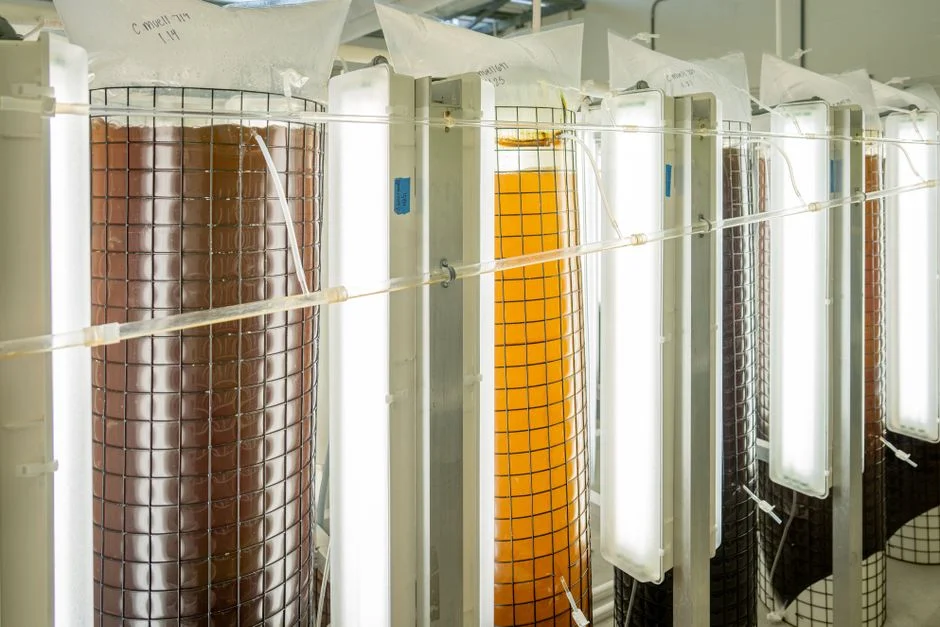
In an A/O train, sulfide control happens "for free" inside the aerobic zone whenever DO holds above 2 mg/L and HRT exceeds 6 h, but most plants add a sidestream FeCl3 dose on the return activated sludge line to cover peak loads and to keep the anoxic selector from going septic — a PLC-controlled FeCl3 or FeSO4 dosing skid sized at 5–15 L/h per 1,000 m³/d of RAS is typical. In an MBR train, the integration point is upstream of the membrane tank: a 5–10 minute air-blend pre-anoxic stripper removes 60–80% of dissolved sulfide before the mixed liquor reaches the membrane cassettes, which prevents FeS deposition that would otherwise flux-cut the DF series flat-sheet MBR module within 30–60 days; biological polishing downstream then drives residual below 0.1 mg/L to meet China GB 18918-2002 Class 1A and EU Directive 91/271/EEC discharge targets inside a single integrated MBR train. For UASB / anaerobic digesters the right architecture is a sidestream sulfide stripping column on the recirculation loop (air at 2–4 m³/m³ biogas, 8–15 min contact) plus FeCl3 polish on the dewatering centrate ahead of the filter press for FeS sludge dewatering; the stripper protects the CHP engine while the polish protects the cake disposal route. For plants discharging to inland water bodies in East Africa, the architecture is identical but the effluent targets are governed by the 2026 Kenya EMCA sulfide compliance guide.
Operating Cost, Compliance and ROI: What a 2026 Procurement Sheet Should Look Like
Worked example: a 5,000 m³/d food-processing plant with 25 mg/L dissolved sulfide in the equalization effluent. Recommended train is biological oxidation as primary (HRT 8 h, single 1,800 m³ aeration basin retrofitted into the existing lagoon) plus FeCl3 polish on a sidestream. CAPEX sits at roughly $190,000 (blower upgrade, two dosing skids, instrumentation), OPEX lands at $0.085/m³ split across power ($0.04), FeCl3 ($0.035), and labor ($0.01); at 0.5 FTE versus 0.2 FTE for chemical-only, biological adds $30K/year in monitoring labor that is partially offset by the avoided chemical spend. Payback is 2.3 years against avoided corrosion losses ($80K/year) and avoided odor-fine exposure (China GB 14554-93 first-violation penalties typically run $15K–$80K per incident per 2025 enforcement data). Compliance cross-references to put in the procurement memo: EU Directive 91/271/EEC for municipal discharge, China GB 18918-2002 Class 1A for the same, US EPA 40 CFR Part 503 for biosolids H2S headspace, and the 2026 Kenya EMCA / NEMA standards for East African projects. The 2026 energy sensitivity is the second number to lock down: blower and ozone-generator electricity at $0.08–$0.12/kWh dominates both biological and ozone OPEX, so a site with cheaper power or with waste-heat-driven regeneration will see a 15–25% OPEX advantage over the same technology at grid tariff — see the 2026 industrial wastewater OPEX breakdown for the line-item math.
Frequently Asked Questions
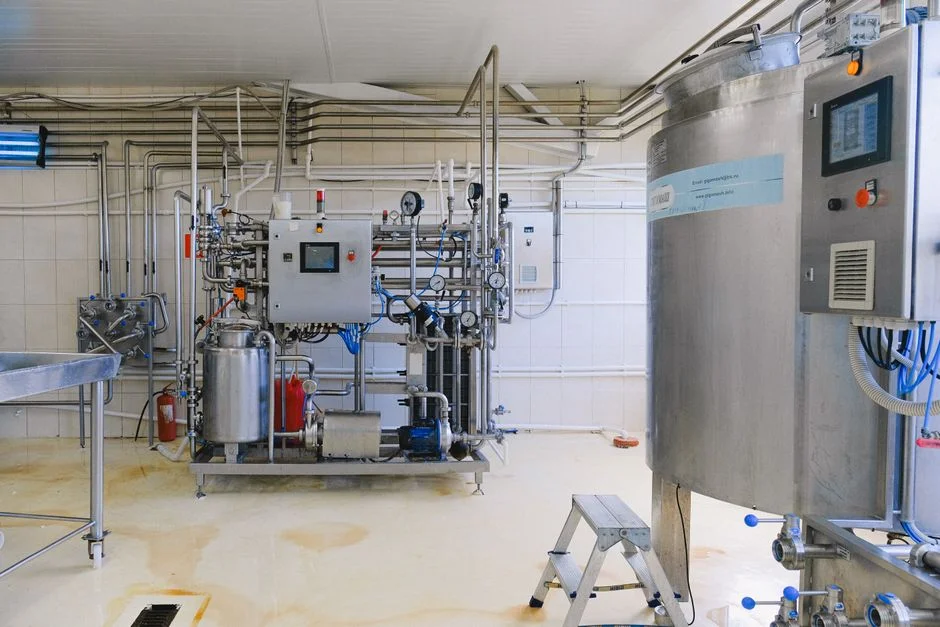
What is the cheapest technology for sulfide removal in 2026? Biological oxidation with sulfur-oxidizing consortia remains the lowest OPEX option at $0.04–$0.12/m³ for streams below 50 mg/L dissolved sulfide, per 2026 industry pricing benchmarks and HydropureWater field data.
Can ozone remove dissolved sulfide? Ozone removes gas-phase H2S at 1.3–1.8 mg O3/mg H2S with 95–99% efficiency, but is far less effective on dissolved HS– in water; pair it with biological or precipitation for full liquid-phase coverage.
How much FeCl3 is needed to remove 1 mg/L sulfide? 2.5–4.5 mg/L FeCl3 expressed as Fe per mg/L of sulfide, with a 5–15 minute flash-mix reaction time; design at 1.5–2× the theoretical 1.78 stoichiometric ratio to drive residual below 0.5 mg/L.
What sulfide level triggers odor complaints? Unionized H2S is detectable at 0.5–5 µg/L by the human nose; the 2026 China GB 14554-93 Class 1 ambient limit is 0.03 mg/m³ and dissolved sulfide above 0.5 mg/L in a clarifier weir is almost always a complaint trigger.
Is biological sulfide removal safe in enclosed tanks? Aeration strips H2S into the headspace; vent the tank to a scrubber or a safe stack above 7 m elevation, and install 4-head LEL H2S sensors per OSHA 29 CFR 1910.1000 with alarms at 10 ppm and evacuation at 20 ppm.