How FGD Scrubbers Work: Wet, Dry, and Hybrid Mechanisms
FGD scrubbers remove 90-98% of SO₂ from coal-fired flue gas, but alternatives like circulating fluidized bed (CFB) scrubbers and spray dry absorbers (SDA) offer trade-offs in efficiency, water use, and cost. Wet FGD systems dominate (85% of US installations) for their high removal rates, but dry FGD and seawater scrubbers are gaining traction for water-scarce regions. This guide compares 5 technologies across 12 parameters—including SO₂ removal efficiency (wet FGD: 98%, dry FGD: 80-90%), reagent consumption (wet FGD: 1.05-1.10 stoichiometric ratio), and CAPEX ($150-$300/kW for wet FGD)—to help you select the optimal system for your plant’s size, fuel type, and regulatory requirements.
Wet flue gas desulfurization (FGD) systems utilize limestone-forced oxidation (LSFO) to achieve sulfur dioxide removal efficiencies exceeding 98%. In this process, the flue gas enters a spray tower where it is contacted with a limestone slurry (CaCO₃). The chemical reaction occurs in two main stages: first, the absorption of SO₂ into the liquid phase to form calcium sulfite (CaSO₃), and second, the forced oxidation of the sulfite into calcium sulfate dihydrate (CaSO₄·2H₂O), commonly known as gypsum. The primary reaction is: CaCO₃ + SO₂ + ½O2 + 2H₂O → CaSO₄·2H₂O + CO₂. This byproduct is often of high enough quality to be sold to the wallboard industry, offsetting a portion of the operational costs.
Dry FGD systems, including dry sorbent injection (DSI) and spray dry absorbers (SDA), operate without a liquid wastewater stream. In an SDA system, a lime slurry is atomized into the flue gas; the heat of the gas evaporates the water while the lime reacts with SO₂. DSI involves the direct injection of dry alkaline reagents, such as sodium bicarbonate or trona, into the ductwork. While these systems significantly reduce water consumption, they generally offer lower SO₂ removal efficiencies (80-90%) compared to wet systems. For high-efficiency particulate control following these processes, HydropureWater’s pulse jet baghouse for particulate control post-FGD is often integrated into the system design.
Circulating fluidized bed (CFB) scrubbers represent an advanced dry technology where flue gas passes through a bed of hydrated lime and recirculated solids. The high solids-to-gas ratio and extended residence time allow CFB scrubbers to handle higher SO₂ concentrations than standard SDA systems, often reaching 95% removal. Seawater scrubbers, conversely, leverage the natural alkalinity of ocean water (pH 7.8-8.3) to neutralize SO₂ without the need for added chemical reagents. This makes them highly economical for coastal power plants, though they are limited by geographic location and stringent marine discharge permits. Hybrid systems may also be deployed, combining DSI for acid gas pre-treatment with a downstream wet scrubber to maximize multi-pollutant capture. Learn more about wet scrubber systems and their alternatives for industrial air pollution control to understand these variations in depth.
FGD Scrubber vs Alternatives: Performance Comparison Table
A side-by-side technical evaluation of SO₂ control technologies reveals that while wet FGD offers the highest removal rates, dry and hybrid systems provide significant advantages in water consumption and capital expenditure. The following table aggregates data from EPA technology fact sheets and vendor performance benchmarks (including Amec Foster Wheeler and HydropureWater field data) to provide a definitive comparison across 12 critical metrics.
| Technology | SO₂ Removal (%) | Reagent Ratio (Stoic) | Water Usage (L/kWh) | Byproduct Quality | CAPEX ($/kW) | OPEX ($/ton SO₂) | Plant Size (MW) | Compliance Level |
|---|---|---|---|---|---|---|---|---|
| Wet FGD (LSFO) | 95-98%+ | 1.05-1.10 | 0.5-1.0 | Marketable Gypsum | $150-$300 | $1.20-$2.50 | 50-1500 | EPA MATS, EU IED |
| Dry FGD (SDA) | 85-90% | 1.20-1.50 | 0.2-0.3 | Landfill Waste | $100-$180 | $1.80-$3.20 | 50-300 | CSAPR Phase 1 |
| CFB Scrubber | 90-95% | 1.10-1.30 | 0.15-0.25 | Dry Solid Waste | $120-$200 | $1.50-$2.80 | 50-600 | EPA MATS |
| Seawater Scrubber | 90-95% | 0.00 | High (Flow-thru) | None (Liquid) | $100-$250 | $0.50-$1.00 | 100-1000 | Coastal Only |
| Dry Sorbent (DSI) | 50-80% | 2.00-3.00 | Negligible | Mixed Ash/Salt | $50-$100 | $3.00-$5.00 | Any | Peaking Units |
Note: CAPEX and OPEX figures are 2025 estimates based on current reagent and labor trends. Wet FGD systems typically require advanced wastewater treatment; compare industrial RO and UF systems for FGD wastewater treatment to evaluate the associated water management costs.
Cost Breakdown: FGD Scrubbers vs Alternatives in 2025
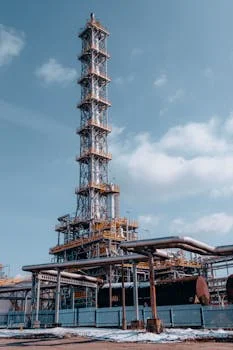
Projected capital expenditures for a 500 MW wet FGD retrofit in 2025 range from $150 to $300 per kilowatt, depending on site constraints and existing ductwork configurations. While wet systems have the highest initial investment, their lower reagent costs and potential byproduct revenue often result in a more favorable total cost of ownership (TCO) for large-scale, high-sulfur coal applications. For instance, limestone typically costs $20-$40 per ton, whereas the lime used in SDA or CFB systems can exceed $120 per ton. Sodium-based reagents for DSI are even more volatile, often priced between $200 and $400 per ton.
Operational expenses (OPEX) are heavily influenced by electricity consumption and maintenance requirements. A wet FGD system imposes an energy penalty of 1% to 2% of the plant's total output due to the power required for high-volume slurry pumps and oxidation air blowers. Conversely, dry systems have lower auxiliary power requirements but higher costs associated with solid waste disposal. In 2025, landfill costs for dry FGD waste are projected to rise to $30-$80 per ton, whereas marketable gypsum from HydropureWater’s integrated FGD scrubber system for SO₂ and particulate removal can generate $5-$15 per ton in revenue.
| Cost Component (2025 Proj.) | Wet FGD (LSFO) | Dry FGD (SDA) | CFB Scrubber | DSI System |
|---|---|---|---|---|
| Reagent Cost ($/ton) | $25 - $45 | $90 - $135 | $85 - $125 | $210 - $420 |
| Electricity (% Output) | 1.5% - 2.0% | 0.5% - 1.0% | 0.8% - 1.2% | <0.3% |
| Annual Maintenance (% CAPEX) | 3% - 5% | 2% - 4% | 3% - 4% | 1% - 2% |
| Waste Disposal/Revenue | +$10 (Revenue) | -$45 (Cost) | -$40 (Cost) | -$60 (Cost) |
To calculate the Return on Investment (ROI) for an FGD upgrade, engineers should use the following formula: Annual Benefit = [Annual SO₂ Removal (tons) × (Avoided Regulatory Penalty - OPEX per ton)] - [Annualized CAPEX]. For a 500 MW plant burning 3% sulfur coal, moving from a DSI system to a wet FGD could save over $5 million annually in reagent costs alone, justifying the higher upfront CAPEX within a 5-to-7-year window based on EIA 2024 electricity and labor outlooks.
Choosing the Right FGD System: Decision Framework for Plant Managers
Selecting an optimal SO₂ control system requires a multi-variable analysis of fuel sulfur content, local water availability, and the marketability of combustion byproducts. The decision process should be structured to address regulatory compliance first, followed by economic sustainability and site-specific constraints. If your permit requires 95% removal or higher, wet FGD or CFB are typically your only viable options according to EPA performance data.
- Step 1: Assess SO₂ Removal Requirements: Determine the local permit limits (e.g., CSAPR Phase 2). High-sulfur coal (>3%) almost always necessitates a wet FGD or CFB system to maintain compliance without excessive reagent waste.
- Step 2: Evaluate Water Availability: Wet FGD consumes 0.5-1.0 L/kWh. In water-scarce regions or plants with "Zero Liquid Discharge" (ZLD) mandates, dry FGD (SDA) or CFB scrubbers are preferred as they eliminate the need for a complex wastewater treatment plant.
- Step 3: Analyze Fuel Flexibility: If the plant plans to switch between various coal ranks (bituminous to sub-bituminous), a CFB scrubber offers superior flexibility due to its ability to handle wide fluctuations in inlet SO₂ concentrations.
- Step 4: Market for Byproducts: Investigate local wallboard manufacturing. If a market for gypsum exists within a 100-mile radius, the revenue can significantly offset the wet FGD energy penalty. Without a market, the cost of dewatering and landfilling gypsum may favor a dry system.
- Step 5: Review Space Constraints: Wet FGD systems have a large footprint due to the absorber tower and slurry preparation tanks. DSI and SDA systems are more compact and easier to retrofit into tight layouts between the boiler and the stack.
A simplified decision tree: Is water available? If No, select Dry FGD or SDA. If Yes, ask: Is the coal sulfur content >2%? If Yes, select Wet FGD for the best OPEX. If No, a CFB scrubber may provide the best balance of CAPEX and efficiency.
Emerging Alternatives: Seawater Scrubbers and Dry Sorbent Injection
Seawater scrubbers and dry sorbent injection (DSI) represent specialized alternatives that can reduce reagent costs to nearly zero or minimize initial capital investment for plants with lower removal requirements. Seawater scrubbers utilize the bicarbonate and carbonate ions naturally present in ocean water to neutralize sulfur dioxide. Because no commercial chemicals are purchased, the OPEX is limited primarily to the power required for large-scale seawater pumps. However, these systems require corrosion-resistant materials (e.g., high-grade stainless steel or FRP) which can increase CAPEX to $100-$250/kW.
Real-world performance data from coastal installations, such as a 600 MW unit in Chile, demonstrates consistent 90% SO₂ removal. The primary challenge remains the environmental impact of the discharge; the effluent must be aerated to restore dissolved oxygen levels and treated to adjust pH before being returned to the ocean. This requires specialized permitting that may not be available in all jurisdictions.
Dry Sorbent Injection (DSI) is the fastest-growing "low-CAPEX" alternative, with installation costs often below $100/kW. It is particularly effective for plants that only operate during peak demand or those using low-sulfur coal that need to bridge a small gap to meet EPA MATS compliance. While DSI is limited to roughly 80% removal in standalone configurations, hybrid DSI + wet FGD systems are emerging as a way to reduce wet FGD reagent use by 30-50%. By injecting trona upstream, the bulk of the acid gas is neutralized, allowing the downstream wet scrubber to operate with a lower liquid-to-gas ratio and reduced pump energy.
Compliance Checklist: Meeting EPA MATS and EU IED with FGD Systems
Compliance with the EPA Mercury and Air Toxics Standards (MATS) and the EU Industrial Emissions Directive (IED) necessitates SO₂ removal efficiencies of 90% to 95% for most coal-fired units. Environmental managers must ensure that their FGD selection accounts for both current limits and the potential for "ratcheting" regulations such as CSAPR Phase 2, which sets stringent seasonal SO₂ budgets in 28 US states.
Environmental Compliance Checklist:
- Removal Efficiency: Does the system guarantee >90% removal for new sources (EPA MATS) or >95% for plants >300 MW (EU IED)?
- Multi-Pollutant Capture: Does the wet FGD system achieve at least 50-90% mercury removal? (Wet scrubbers are highly effective at capturing oxidized mercury).
- Monitoring: Is a Continuous Emissions Monitoring System (CEMS) integrated per EPA 40 CFR Part 75 requirements?
- Wastewater Permitting: For wet FGD, has an NPDES permit been secured for the blowdown stream? (Dry systems avoid this requirement).
- Solid Waste: For dry FGD, is the waste classified as non-hazardous under RCRA, and is there a permitted landfill available?
- Maintenance Frequency: Are calibration schedules for CEMS and nozzle inspections for scrubbers aligned with state-mandated reporting cycles?
In high-sulfur regions like Illinois or Texas, where limits can be as low as 0.2 lb/MMBtu, dry FGD systems may struggle to maintain compliance without excessive reagent injection, which can lead to baghouse blinding. In these scenarios, a high-efficiency wet FGD remains the gold standard for long-term regulatory security.
Frequently Asked Questions
What is the main disadvantage of wet scrubbers?
The primary disadvantages are high water consumption (0.5-1.0 L/kWh) and the necessity for a dedicated wastewater treatment plant to handle the blowdown. Additionally, wet scrubbers have a high capital cost and require significant space for the absorber and slurry handling equipment.
What is the difference between wet FGD and dry FGD?
Wet FGD uses a liquid limestone slurry to absorb SO₂, achieving 95-98% removal with a marketable gypsum byproduct. Dry FGD uses a dry or atomized lime sorbent, achieving 80-90% removal with no liquid waste, but resulting in a dry solid waste that must be landfilled.
Is a CFB scrubber better than a spray dry absorber?
Yes, for higher SO₂ concentrations. CFB scrubbers can handle inlet concentrations up to 8,000 ppm and achieve 95% removal by recirculating solids, which reduces reagent use by 20-30% compared to a standard SDA, which is typically limited to 3,000 ppm and 90% removal.
Can seawater scrubbers replace wet FGD?
Only for coastal power plants. While they achieve 90% removal without reagent costs, they require massive seawater throughput and corrosion-resistant infrastructure. They may also struggle to meet the 95% removal threshold required by the EU IED without additional pH adjustment.
What is the cost per ton of SO₂ removed for wet FGD?
The OPEX typically ranges from $1.20 to $2.50 per ton of SO₂ removed. This includes the cost of limestone, auxiliary power, and labor. Dry FGD systems often have a higher OPEX ($1.50-$3.00/ton) due to the higher price of lime and the lack of byproduct revenue.
How does FGD impact particulate matter (PM) control?
Wet FGD scrubbers act as a final "polishing" stage for particulates, but dry FGD systems require a downstream fabric filter or baghouse to capture the reacted sorbent. Integrating a high-quality dust collection system is essential for meeting total PM emission limits.