Why Muscat Resorts Need a Dedicated Wastewater System in 2026
A 250-room 4–5 star Muscat resort generates 70–100 m³/day of sewage on average, peaking at 150–200 m³/day during the October–March tourism high season. The Shatti Al Qurum and Al Mouj cluster — anchored by properties such as W Muscat (275 keys, dual-pool, beachfront, per its 2026 property listing) and The Chedi Muscat — produces high-strength influent with kitchen FOG, laundry surfactants, and pool backwash that the municipal network in Muscat Governorate is not sized to receive at the volumes these resorts discharge.
Three drivers make on-site treatment the default in 2026. First, freshwater scarcity: Muscat's desalinated municipal water costs OMR 0.100–0.180 per m³ (industry-typical 2026 range, vendor confirmation advised), and a typical resort landscaping footprint consumes 30–60% of the property's total water budget (HydropureWater field data, 2026). Second, hot-climate hydraulics: ambient temperatures of 35–45 °C from May through September suppress nitrification kinetics and push a peak-to-average diurnal factor of 2.0–2.5×, which conventional 1.5× peaking designs cannot absorb. Third, the regulatory shift toward reuse: Oman's MAFWR framework and the IWA's multimodal reuse concept (Journal of Water Reuse and Desalination, doi:10.2166/wrd.2020.043) treat on-site treatment plus irrigation reuse as the design baseline for new hospitality assets rather than an optional add-on.
The practical design basis is 200–400 L per guest-night. A 300-room resort at 300 L/guest-night × 0.7 occupancy ≈ 63 m³/day average, rising to 150 m³/day at 2.0× peak with full occupancy and event loads. For properties below 80 rooms, a buried WSZ package plant in the 1–80 m³/h range is the cost-effective baseline; above 80 rooms, the conversation shifts to MBR.
Muscat Hotel Influent Characteristics and Discharge Limits
Typical 4–5 star Muscat resort influent runs BOD 250–400 mg/L, COD 500–800 mg/L, TSS 200–350 mg/L, TN 40–70 mg/L, and FOG 50–150 mg/L — driven by F&B outlets, in-house laundry, and pool backwash. These are mid-East hospitality ranges drawn from comparable Gulf and Mediterranean resort datasets; site-specific sampling during the basis-of-design phase is non-negotiable because laundry surfactant spikes and kitchen FOG events can push instantaneous COD above 1,000 mg/L.
Omani compliance splits into two pathways. For discharge to the municipal sewer, the governing instrument is MAFWR Ministerial Decision 145/1993, with the conventional effluent envelope sitting at BOD ≤20 mg/L, COD ≤150 mg/L, TSS ≤30 mg/L — confirm against the current MAFWR update before final spec. For on-site landscape irrigation reuse, the typical Gulf reuse benchmark is tighter: BOD ≤10 mg/L, TSS ≤10 mg/L, turbidity ≤1 NTU, E. coli ≤200 CFU/100 mL. That reuse envelope is what the membrane selection has to hit, and it is the reason conventional activated sludge without tertiary membranes usually drops out of the shortlist for 4–5 star Muscat projects.
Disinfection choice matters because reuse lines cannot carry the residual chlorine that a chlorinated swimming pool or cooling-tower loop would tolerate. Chlorine gas is also a security and logistics problem inside an occupied resort. ClO2 generated on-site avoids trihalomethane (THM) formation in warm Muscat conditions and keeps residual byproducts at irrigation-safe levels. An MBR membrane bioreactor system sized for the reuse envelope produces effluent that meets the ≤1 NTU turbidity gate without a separate UF polish in most hotel flows.
| Parameter | Typical 4–5★ Muscat Influent | MAFWR Sewer Discharge Limit | Reuse (Landscape Irrigation) |
|---|---|---|---|
| BOD (mg/L) | 250–400 | ≤20 | ≤10 |
| COD (mg/L) | 500–800 | ≤150 | ≤50 (typical) |
| TSS (mg/L) | 200–350 | ≤30 | ≤10 |
| TN (mg/L) | 40–70 | ≤30 (typical) | ≤15 (irrigation target) |
| FOG (mg/L) | 50–150 | ≤20 | ≤5 (reuse) |
| Turbidity (NTU) | — | — | ≤1 |
| E. coli (CFU/100 mL) | — | — | ≤200 |
Process Options: Buried WSZ, MBR, and IFAS Compared
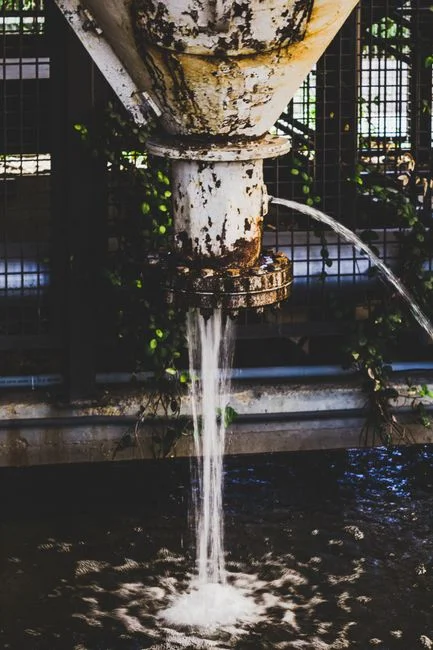
Three packaged-process options dominate the 2026 Muscat hospitality shortlist. Each maps to a different property size and reuse ambition, and the right pick is rarely the one with the lowest headline CAPEX — it is the one whose effluent quality matches the discharge or reuse pathway you actually have a permit for.
Buried WSZ package plant. Anoxic/oxic + sedimentation + disinfection in a single buried GRP tank, sized 1–80 m³/h, no full-time operator, landscapable over. Best for ≤80-room boutique hotels, staff villages, and beach-club support buildings where the municipal sewer accepts conventional-quality effluent and reuse is not in scope. MBR. Submerged PVDF flat-sheet modules at 0.1 μm cut footprint by ~60% versus conventional activated sludge with a separate clarifier, and deliver near-reuse effluent in a single step. The DF-series cassette produces 32–135 m³/day per module, which slots cleanly into the 100–400 room Muscat profile. This is the default for projects targeting irrigation reuse under MAFWR. IFAS. Moving-bed biofilm carriers in a hybrid aeration tank, with TN removal of 70–85% at temperatures that would stall a pure suspended-growth system. IFAS is the third option for ~150–300 room properties where nitrification is the bottleneck but the reuse envelope is not the design driver — see the engineering walkthrough in the IFAS for hotel wastewater guide.
| Criterion | Buried WSZ | MBR (DF series) | IFAS |
|---|---|---|---|
| Flow range | 1–80 m³/h | 5–500 m³/day per skid | 50–2,000 m³/day |
| Footprint | Smallest (buried) | ~60% of CAS | ~80% of CAS |
| Effluent BOD (mg/L) | ≤20 | ≤5 (typical ≤2) | ≤10 |
| Effluent TSS (mg/L) | ≤30 | ≤1 | ≤20 |
| Reuse-ready (≤10/≤10 BOD/TSS) | No (needs tertiary) | Yes, single step | Marginal — needs UF polish |
| Operator skill | Low (unattended) | Medium (membrane CIP) | Medium-high (carrier management) |
| Indicative CAPEX band (per m³/day) | USD 800–1,200 | USD 1,500–2,500 | USD 1,200–2,000 |
| Best-fit Muscat profile | ≤80 rooms, no reuse | 100–400 rooms, irrigation reuse | 150–300 rooms, TN-limited discharge |
Decision rule for a 2026 Muscat project: pick WSZ if the resort is below 80 rooms and reuse is not in scope; pick MBR if irrigation reuse is in scope or the footprint is constrained; pick IFAS only when TN discharge is the binding constraint and reuse is off the table. The default for 200–300 room Shatti Al Qurum / Al Mouj projects is MBR with a PVDF MBR flat-sheet module cassette. Cross-validate against the Casablanca hotel wastewater guide for Mediterranean-climate peer benchmarks and the Kuala Lumpur hotel wastewater guide for tropical-humid MBR duty cycles.
Recommended System for a 200–300 Room Muscat Resort
The defensible default for a 200–300 room Muscat resort in 2026 is a six-stage train: rotary bar screen → grit removal → equalisation → anoxic/aerobic MBR with PVDF flat-sheet modules → ClO2 disinfection → reuse buffer tank → irrigation distribution. This sequence is what the equipment spec should be written against, and it is the configuration the EPC contractor's P&ID should be drawn to.
Pre-treatment starts with a rotary mechanical bar screen (GX series, 2–3 mm aperture) to protect downstream pumps from FOG-laden debris and pool backwash solids. A high-efficiency lamella sedimentation tank ahead of the MBR tanks is worth specifying when the kitchen-to-room ratio is high (FOG >100 mg/L) — it cuts membrane fouling load and extends CIP intervals from monthly to quarterly. Equalisation at 6–8 hours of average flow smooths the 2.0–2.5× diurnal peaks that a 35–45 °C Muscat summer drives.
MBR sizing for the headline case: 250 rooms × 300 L/guest-night × 0.7 occupancy ≈ 52.5 m³/day average; with a 2.2× peak factor the design flow is ~115 m³/day, and the safe sizing is two DF-150 cassettes operating at 60–70% of nominal flux to retain margin for the October–March high season. Aeration SRT of 18–22 days and DO of 1.5–2.5 mg/L in the aerobic zone keeps nitrification stable above 35 °C. ClO2 dosing at 1.5–2.5 mg/L into the reuse buffer delivers ≤200 CFU/100 mL E. coli with no THM formation; a 50 g/h skid covers up to 200 m³/day of reuse flow. Sludge from the MBR waste line is dewatered on a 1–2 m² plate-and-frame filter press producing 22–28% DS cake for off-site disposal.
| Stage | Equipment | Sizing Basis (250 rooms) |
|---|---|---|
| 1. Screening | GX rotary bar screen | 2–3 mm aperture, peak 115 m³/day |
| 2. Pre-sedimentation | Lamella clarifier | Surface overflow rate ≤2.5 m/h |
| 3. Equalisation | GRP buffer tank | 6–8 h at average, 22 m³ |
| 4. MBR | DF-150 PVDF cassette ×2 | 115 m³/day peak, flux 12–15 LMH |
| 5. Disinfection | ClO2 generator (50 g/h) | 1.5–2.5 mg/L dose, reuse line |
| 6. Sludge | Plate-and-frame filter press, 1–2 m² | Cake 22–28% DS |
Water Reuse Economics: Irrigation, Cooling, and Toilet Flushing
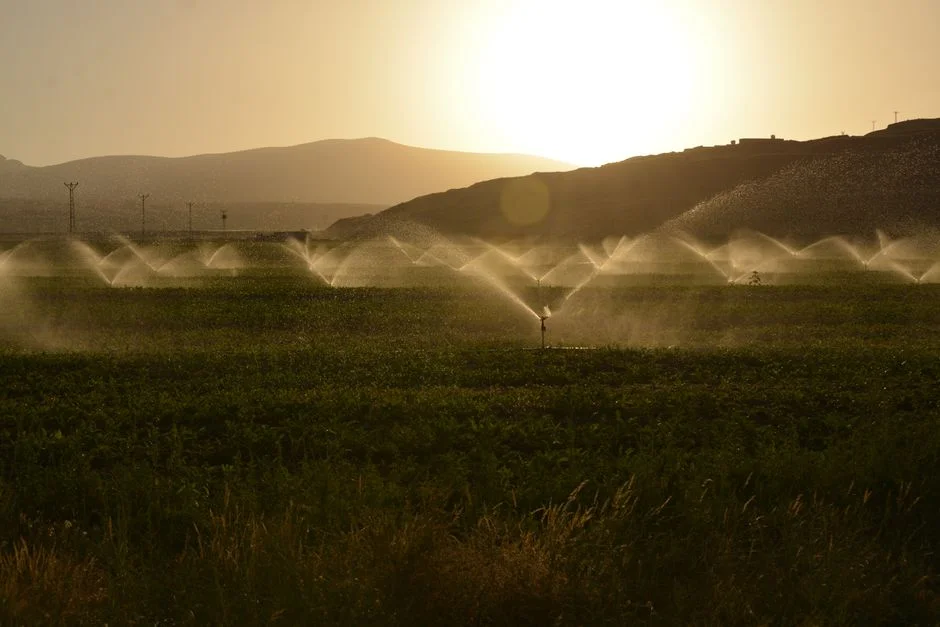
Reuse is where a Muscat resort's on-site STP pays back the most. Landscape irrigation typically consumes 30–60% of a resort's total water demand (HydropureWater field data, 2026), and a 250-room property at 63 m³/day average flow with 50% reuse substitution avoids the purchase of roughly 11,500 m³/year of desalinated municipal water. At OMR 0.100–0.180 per m³ (vendor confirmation advised), that is OMR 1,150–2,070 per year in direct water-cost offset — before the avoided capacity charge on the municipal connection, which often doubles the actual savings. Cooling-tower make-up and toilet-flushing reuse extend the same calculation, pushing the reuse substitution rate toward 60% on properties with district cooling or dual-flush plumbing retrofits.
The financial close is sharper when the irrigation-water tariff is treated as a separate line item. In a typical 2026 Muscat scenario, blended freshwater unit cost (desal + distribution + capacity charge) lands at OMR 0.220–0.360 per m³, and the marginal cost of producing reuse-quality effluent from an MBR is dominated by membrane aeration and chemical use. The OPEX delta is therefore substantially positive for any resort above 120 rooms, and the payback on the MBR CAPEX premium versus a buried WSZ drops below 4 years once reuse is monetised. A ClO2 disinfection generator sized to the reuse buffer flow is the smallest line item in the train but the one that determines whether the reuse contract is actually insurable.
CAPEX and OPEX Bands for a Muscat Resort STP
2026 CAPEX ranges for a Muscat hospitality STP land in three bands, all per m³/day of design flow and all flagged for vendor confirmation: buried WSZ equipment only USD 800–1,200; MBR skid (membranes, blowers, controls) USD 1,500–2,500; full turnkey including civils, MCC, and instrumentation USD 2,500–4,500. The turnkey figure is what a procurement team should budget against, with a 15–20% contingency for the rocky coastal terrain and dewatering requirements typical of Muscat sites.
OPEX for an MBR system runs USD 0.25–0.45 per m³ treated, dominated by aeration energy (45–55% of OPEX), membrane cleaning chemicals (10–15%), and sludge hauling. PVDF membrane cassettes are rated for 7–10 years before replacement, and the ClO2 chemical dose adds roughly USD 0.02 per m³ to the OPEX envelope. Lead time for packaged equipment is 10–14 weeks ex-works for a WSZ or MBR skid; full turnkey EPC runs 6–9 months including MAFWR permitting and factory acceptance testing.
Procurement checklist for a 2026 Muscat project: (1) confirm MAFWR reuse permit pathway before locking effluent spec; (2) demand PVDF membrane material certification (not PES) for the 35–45 °C summer duty; (3) require a factory FAT video for the MBR cassette and ClO2 generator; (4) specify SS316 or GRP for all wetted parts to handle ambient chloride exposure; (5) budget for a 30 kVA standby genset sized to the aeration blowers, since grid outages during peak tourism weeks are unacceptable. The buried WSZ package plant remains the right baseline for small sites, and the MBR membrane bioreactor system is the default for the 100–400 room profile this article targets.
| Cost Line | Buried WSZ | MBR (DF series) | Full Turnkey MBR |
|---|---|---|---|
| CAPEX (USD per m³/day) | 800–1,200 | 1,500–2,500 | 2,500–4,500 |
| OPEX (USD per m³) | 0.12–0.22 | 0.25–0.45 | 0.35–0.60 |
| Membrane replacement | N/A | Every 7–10 years | Every 7–10 years |
| Lead time | 6–10 weeks | 10–14 weeks | 6–9 months |
| Best-fit Muscat profile | ≤80 rooms | 100–400 rooms | 100–400 rooms, EPC scope |
Frequently Asked Questions
What are the discharge limits for hotels in Muscat?
For municipal sewer discharge, Oman's MAFWR Ministerial Decision 145/1993 sets the conventional envelope at BOD ≤20 mg/L, COD ≤150 mg/L, and TSS ≤30 mg/L — confirm against the current MAFWR update at the basis-of-design stage. An MBR membrane bioreactor system sized to the reuse envelope comfortably meets these limits with substantial margin.
How many litres per guest does a Muscat resort need to treat?
The 2026 design basis is 200–400 L per guest-night. A 250-room resort at 300 L × 0.7 occupancy generates ~52 m³/day average, rising to ~115 m³/day at a 2.2× peak factor during the October–March high season.
MBR or conventional activated sludge for a 250-room Muscat hotel?
Pick MBR if landscape irrigation reuse is in scope, because the ≤10 mg/L BOD and ≤1 NTU turbidity reuse envelope is reached in a single step on a packaged MBR. Conventional activated sludge with a separate clarifier needs a tertiary UF polish to hit reuse quality, which usually costs more than the MBR premium once the additional tankage and pumping are priced in.
Can treated wastewater be used for landscape irrigation in Muscat?
Yes, under the MAFWR reuse framework and the IWA's multimodal reuse model. The MAFWR reuse permit must be in hand before commissioning, and the typical Gulf reuse target is BOD ≤10 mg/L, TSS ≤10 mg/L, turbidity ≤1 NTU, E. coli ≤200 CFU/100 mL. Disinfection with a ClO2 generator avoids the THM formation that warm Muscat summers would otherwise drive.
Why ClO2 instead of chlorine for hotel disinfection in Muscat?
ClO2 does not form trihalomethanes in the warm 35–45 °C Muscat conditions, is generated on-site from precursor chemicals (eliminating chlorine-gas cylinder logistics inside an occupied resort), and produces a residual that is irrigation-safe at the typical 0.2–0.5 mg/L carry-over dose. For a hospitality setting where chemical handling has to be acceptable to a hotel's HSE team, ClO2 is the default in 2026.