
DAF vs Clarifier for Chemical Wastewater: The 2026 Short Answer
For Sonora chemical factories in 2026, choose DAF when the wastewater carries emulsified oils, solvents, or low-density chemical floc; choose a clarifier (gravity or lamella) when streams are dominated by heavy inorganic precipitates and high-density metal hydroxides. Many plants deploy DAF as primary and a lamella clarifier as polish to meet NOM-001-SEMARNAT-2023 discharge limits.
The benchmark numbers that anchor this decision: DAF systems routinely hit 92-98% total suspended solids (TSS) removal on chemical streams (per DAF Corp performance data for the FC Maximizer at 2,000 ppm loading), while DAF captures 95% of FOG versus roughly 70% for a clarifier on the same feed (Ecologix 2026 selection guide). A conventional circular clarifier handles 50-85% TSS, but it wins on dense settleables — mining-style sediment at 90% removal and minimal operating cost. For a typical chemical plant in Hermosillo or the Bahía Kino corridor running a 50 m³/h stream with a mix of process washwater, neutralization blowdown, and solvent-bearing rinse water, the practical 2026 answer is rarely either-or: a HydropureWater DAF system as primary, followed by a lamella clarifier for the inorganic fraction, then biological or membrane polish. NOM-001-SEMARNAT-2023 sets the binding discharge envelope for BOD, TSS, fats and oils, and metals — and the table that drives your equipment choice is the one that matches the worst-case contaminant in your composite influent.
Why Sonora Chemical Factories Face a Different Calculation in 2026
Sonora's chemical-manufacturing footprint is concentrated in three zones with different wastewater signatures: the agrochemical and basic-inorganic cluster around Hermosillo, the sulfuric-acid and fertilizer operations near Guaymas, and the emerging lithium-processing corridor toward Bahía Kino. Each generates a different mix of FOG, solvents, gypsum, ferric hydroxide, and high-TDS blowdown — which means a single DAF-or-clarifier rule cannot cover them all.
Three 2026-specific pressures shape the decision. First, NOM-001-SEMARNAT-2023 tightened the discharge tables for TSS, BOD, fats/oils, and heavy metals versus the 1996 standard; PROFEPA enforcement in 2025-2026 has issued closures to non-compliant chemical sites in northwest Mexico, and the inspection cadence is now annual for facilities above 5,000 m³/yr. Second, the Sonoran Desert water-stress index — combined with cross-border USMCA supply-chain audits on U.S.-owned operations in Hermosillo — has pushed most chemical groups to set internal reuse or zero-liquid-discharge targets that the primary separator must support. Third, the EPA Process Design Manual for Suspended Solids Removal (S1) remains the de-facto reference carried into Mexican projects by international engineering firms, and its Chapter 4 jar-test protocol is what most commissioning teams run on Sonora plant water. None of the top three ranking pages for this query frame the decision inside that regulatory-and-climate envelope, and that is the gap this article fills.
How DAF and Clarifiers Actually Work in a Chemical Plant
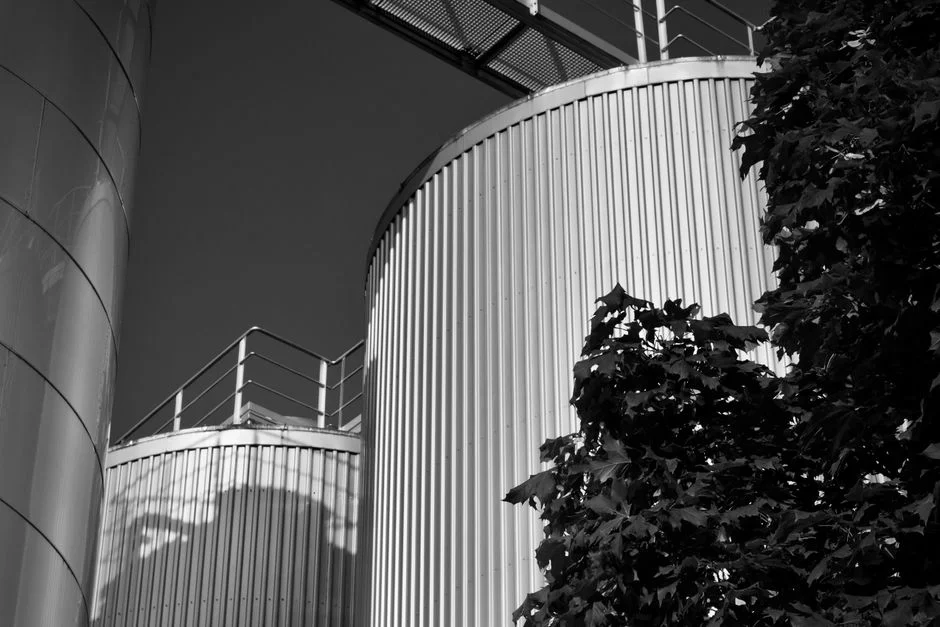
A DAF unit saturates a side stream (typically 20-30% of the recycle flow) with air at 5-7 bar in a pressure vessel, then releases that stream through needle valves or a micro-bubble generator at the bottom of the flotation tank. The pressure drop nucleates 20-40 micron bubbles that attach to chemically conditioned floc and carry it to the surface, where a rotating skimmer removes a 2-4% dry-solids float. The clarified underflow exits below the separation wall, typically at <50 ppm TSS on a well-conditioned feed (per DAF Corp's FC Maximizer specification at 500 GPM and 2,000 ppm loading).
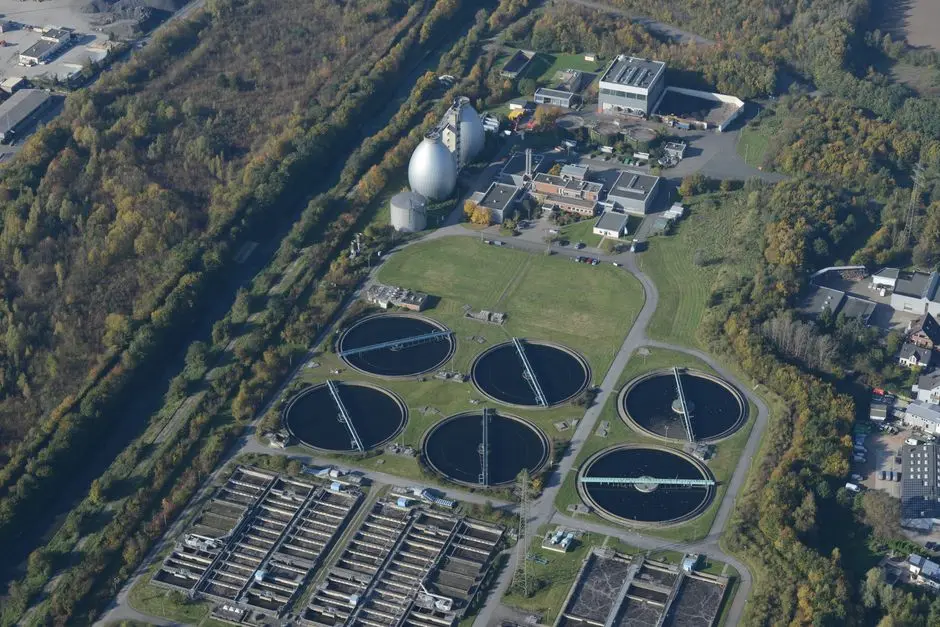
A clarifier relies on gravity. A conventional circular or rectangular basin operates at 1-2 m/h surface overflow rate (SOR); a lamella clarifier uses inclined plates at 55-60° to drop the equivalent SOR to 20-40 m/h by multiplying the effective settling area inside the same footprint. Heavy sludge rakes into a central hopper; clarified water overflows peripheral launders. Sludge exits at 1-2% dry solids from a conventional clarifier and 2-3% from a lamella unit. For a chemical plant the practical implication is straightforward: micro-bubble DAF wins on FOG, solvents, and light floc, while the HydropureWater lamella clarifier wins on dense metal hydroxide, calcium sulfate, and lime-softening sludge. In both cases, chemical pretreatment — coagulants (alum, PAC, ferric chloride) plus polyacrylamide flocculant — precedes the separator, and the jar test described in EPA Chapter 4 (S1) sets the dose.
Side-by-Side Parameter Comparison: DAF vs Clarifier for Chemicals
The table below is sized for a 50 m³/h chemical-plant stream and draws on DAF Corp, Ecologix, and EPA design parameters. Use it as the technical reference you can paste directly into an RFQ or a CAPEX-defense memo.
| Parameter | DAF | Conventional Clarifier | Lamella Clarifier |
|---|---|---|---|
| TSS removal | 92-98% (DAF Corp FC Maximizer data) | 50-70% (EPA S1 Table 3-1) | 70-85% (lamella retrofit range) |
| FOG removal | ~95% (Ecologix 2026) | ~70% (Ecologix 2026) | ~75% (lamella equivalent) |
| Footprint (m² per m³/h) | 0.3-0.5 | 1.5-2.5 | 0.3-0.6 |
| Surface overflow rate | n/a (flotation) | 1-2 m/h (EPA S1) | 20-40 m/h (lamella) |
| CAPEX band (50 m³/h, USD) | $180K-$320K | $90K-$160K | $110K-$200K |
| Primary OPEX driver | Air compressor + polymer | Polymer + sludge hauling | Polymer + sludge hauling |
| Sludge dryness | 2-4% (float) | 1-2% (underflow) | 2-3% (underflow) |
| Best-fit chemical contaminant | Emulsified oils, solvents, light floc | Heavy sediment, lime softening | Metal hydroxides, gypsum, mixed FOG |
| Influent limit (typical) | <3,000 ppm TSS for stable float | Any settleable fraction | Any settleable fraction |
For a deeper cross-process comparison the same DAF vs clarifier for petroleum wastewater framework applies on the FOG side; the chemistry shifts, the separator math does not.
Which Contaminants Push You Toward DAF or Toward a Clarifier
Map your worst-case composite influent to the dominant separation mechanism and the technology choice becomes mechanical.
- Lean DAF when the stream carries emulsified oils from reactor washdowns, light solvents (toluene, xylene, MEK residues), plasticizer residues from polymer operations, or chemically conditioned floc with a specific gravity below about 1.05. A DAF with PAC plus anionic polyacrylamide typically produces a clean float within 15-20 minutes.
- Lean clarifier when the dominant contaminant is calcium sulfate from sulfuric-acid neutralization, ferric or aluminum hydroxide from pH-adjustment blowdown, lime-softening sludge, or any precipitate with specific gravity above 1.2. Lamella plates reduce the footprint by 70-80% versus a conventional basin at the same SOR.
- Default to hybrid (DAF + lamella) for mixed organic-plus-inorganic streams, which is the reality at most Sonora agrochemical and lithium plants. Run DAF first to lift FOG and light floc, then lamella to drop the metal hydroxides before the biological or membrane step.
For a downstream reference on DAF followed by biofilm polishing, the SSRN paper on DAF + MBBR/MMBBR for synthetic oily wastewater (S3) shows >90% COD removal once the DAF has done its job. The automatic coagulant and polymer dosing skid that precedes either separator matters as much as the separator itself; under-dosing sends fines through both technologies.
2026 CAPEX and OPEX for a 50 m³/h Chemical Plant in Sonora
Realistic 2026 pricing in USD for equipment only, FOB Shanghai or nearest Mexican port, before installation and civil works:
| Configuration | Equipment CAPEX (USD) | Main OPEX drivers | Indicative annual OPEX |
|---|---|---|---|
| DAF skid only (50 m³/h) | $180K-$320K | Compressor 5-15 kW, polymer 2-8 mg/L | $35K-$70K |
| Lamella clarifier only (50 m³/h) | $90K-$160K | Polymer 1-4 mg/L, sludge hauling 1-2% cake | $25K-$55K |
| Hybrid DAF + lamella + dosing skid + control panel | $300K-$480K | Combined polymer, compressor, hauling | $55K-$110K |
| Hybrid + downstream plate-and-frame filter press for 25-35% cake | $400K-$620K | Filter cloth replacement, polymer, power | $70K-$140K |
Sludge handling is the hidden OPEX line. DAF float at 2-4% dry solids hauled to a licensed waste handler costs roughly half of clarifier underflow at 1-2% per cubic meter, because you ship less water. For a 50 m³/h plant running 8,000 hr/yr and removing 1,000 ppm TSS, the annual dry-solids load is about 150 tonnes — small enough that dewatering with a plate-and-frame filter press typically pays back inside 18 months on hauling savings alone.
Integration with the Rest of the Treatment Train
The DAF/clarifier decision is upstream of every unit that follows it. A DAF effluent of <50 ppm TSS is an ideal feed for an MBR, with transmembrane pressure staying under 0.3 bar and membrane life extending past 5 years; a clarifier effluent usually needs multimedia filtration or a coagulant polish to avoid rapid MBR fouling. For plants with a reuse target, the HydropureWater MBR integrated wastewater treatment skid sized 50-100 m³/h sits cleanly downstream of either primary separator. Chlorine dioxide or ozone polishing — delivered via the HydropureWater chlorine dioxide generator — then closes the loop to reuse quality for cooling-tower makeup or boiler feed.
For pilot or emergency duty, trailer-mounted mobile DAF units (WesTech and similar) can be commissioned within a single day at 48-450 GPM, which is useful for proving out the FOG removal rate before committing to a permanent DAF skid. In retrofit scenarios where a conventional clarifier is already installed and footprint is the constraint, the lamella clarifier retrofit guide is the right starting document before evaluating a DAF add-on.
2026 Procurement Checklist for Sonora Chemical Plants
- Pull a 24-hour composite of your plant's worst-case stream and run a six-beaker jar test per EPA Chapter 4 protocol (S1) at your operating pH and temperature to confirm whether the floc floats or settles.
- Request a 2-4 week on-site pilot: skid-mounted DAF pilots at 48-450 GPM and trailer-mounted lamella units are available from most major OEMs for chemical-plant trials.
- Verify the vendor can provide NOM-001-SEMARNAT-2023 documentation support and a bilingual (Spanish-English) commissioning team familiar with PROFEPA inspection handoffs.
- Confirm spare-parts lead time under 5 business days from a North-American or Mexican distributor, including polymer pump diaphragms, bubble-generator nozzles, and rake drive parts.
- Cross-check the final equipment list against a CAPEX-OPEX roll-up using the table above, and validate the sludge-disposal pathway with a licensed Sonora hauler before signing the PO.
Frequently Asked Questions
For a Sonora chemical plant in 2026, is DAF or a clarifier required to meet NOM-001-SEMARNAT-2023?
Neither technology is mandated by name. NOM-001-SEMARNAT-2023 sets the discharge limits — typically 60 mg/L TSS, 100 mg/L BOD, 25 mg/L FOG, and site-specific metals — and you meet them with whatever primary-secondary train handles your worst-case contaminant. DAF is the default for FOG; a lamella clarifier is the default for dense inorganics; a hybrid is the most common compliance path.
What is the typical 2026 CAPEX for a DAF system at 50 m³/h in a Mexican chemical plant?
A skid-mounted DAF rated 50 m³/h typically lands between $180K and $320K USD FOB in 2026 depending on stainless-vs-carbon-steel construction and the level of automation. A lamella clarifier at the same flow runs $90K-$160K; a hybrid DAF-plus-lamella package with dosing and controls sits at $300K-$480K before civil and installation.
Can a chemical plant run DAF and a clarifier together for oily and metal-bearing wastewater?
Yes, and most Sonora agrochemical and lithium sites do exactly that. DAF first lifts emulsified oils and light floc at 92-98% TSS and ~95% FOG; the lamella clarifier then drops the metal-hydroxide and gypsum fraction before biological or membrane polish. This hybrid is the standard 2026 reference train for combined organic-inorganic chemical wastewater.