What Makes Aquaculture Sludge Different from Municipal Sludge
Aquaculture sludge is a heterogeneous slurry of fish feces, uneaten feed pellets, biofloc, and sloughed biofilm, with total suspended solids typically 5–15 g/L in intensive raceways and shrimp ponds, and as low as 0–1% dry solids (DS) at the outlet of drum filters or settling cones in recirculating aquaculture systems (RAS). Marine and brackish operations add 10–35 g/L chloride, which compresses flocs and shifts coagulant demand upward, while medicated-feed facilities carry trace oxytetracycline and sulfamethoxazole (SMX) residues that inhibit nitrifying bacteria. SMX is a recurring concern in saline aquaculture matrices (per Bioresour. Technol., 2026-01, S2). Municipal sludge, by contrast, is lower in fiber and salinity, more consistent in feed solids, and largely free of aquaculture antibiotics, which is why flocculant selection and polymer dose diverge from the standard municipal spec; see guidance on polymer dosing troubleshooting for cross-industry benchmarks. Microalgal-bacterial granular sludge research demonstrates that aquaculture effluent can be treated non-aerated, signaling the industry's shift away from energy-intensive conventional activated sludge (per Bioprocess Biosyst. Eng., S3).
The 2026 Five-Stage Process Train: From RAS Drain to Reusable Cake
A modern aquaculture sludge train moves feed solids through five mechanical and thermal stages, each anchored to a dry-solids checkpoint that procurement and permitting reviewers can map to a quote line item. A rotary mechanical bar screen at the headworks removes feed fines, fins, and debris above 2–5 mm to protect downstream polymer dosing pumps and centrifuge scroll gaps. Stage 2 thickens the screened sludge from 0–1% DS to roughly 10% DS using a polymer-conditioned gravity belt or drum thickener, a ~10× volume reduction that Alumichem (S4) confirms as the standard first mechanical step. Stage 3 dewaters thickened sludge to ~30% DS on a decanter or plate press, cutting volume another ~3× and producing a transportable cake. Stage 4 is optional: a heat-pump belt dryer lifts cake to >90% DS, hygienizes it, and converts it to baggable fertilizer feedstock (per Alumichem, S4). Stage 5 polishes reject water from thickening and dewatering plus any RAS overflow for residual N, P, TOC, and heavy metals before discharge or reuse. These mechanical stages integrate seamlessly with biological polishing systems to optimize solids handling.
| Stage | Equipment | Influent DS | Outlet DS | Typical polymer dose | Energy use (kWh/m³) |
|---|---|---|---|---|---|
| 1. Screening | Rotary bar screen (GX) | 0–1% | 0–1% | None | 0.05–0.15 |
| 2. Thickening | Gravity belt / drum thickener | 0–1% | ~10% | 4–8 kg/ton DS | 0.3–1.0 |
| 3. Dewatering | Decanter or plate-and-frame | ~10% | 25–35% | 6–12 kg/ton DS | 1.5–6.0 |
| 4. Drying (optional) | Heat-pump belt dryer | 25–35% | >90% | None | 15–40 (thermal) |
| 5. Polishing | Lamella clarifier / RO | Liquid | <30 mg/L TSS | 1–3 mg/L coagulant | 0.2–2.5 |
Choosing the Right Dewatering Equipment: Belt Press vs. Decanter vs. Plate-and-Frame

Procurement decisions in 2026 reduce to three workhorse dewatering units, and each has a defensible place in the aquaculture sludge train. A gravity belt press delivers the lowest CAPEX, produces 20–28% DS cake at throughputs up to 25 m³/h, and is the default first thickener in small-to-mid freshwater farms with steady feed (per Alumichem, S4). A decanter centrifuge pushes cake dryness to 25–35% DS at 2,000–3,500×g, runs enclosed and hygienically, and tolerates the saline, variable feeds typical of marine RAS and shrimp ponds, but commands 3–5× the CAPEX of a belt. A PLC-automated plate-and-frame filter press reaches the highest cake dryness in the class (40–45% DS) in batch mode, accepts higher polymer dose, and is favored at mid-scale shrimp processors where cake is destined for bagged fertilizer. Feed characteristics determine the choice: high feed variability and salinity shift the optimum toward decanter or plate-frame, which tolerate the longer retention and heavier polymer loading that salt-tolerant sludge and SMX residues demand (per Bioresour. Technol., 2026-01, S2). Pair any of the three with an automatic chemical dosing system to hold polymer dose within ±5% of setpoint and avoid the over-dosing that pushes fines back into the reject stream.
| Parameter | Gravity belt press | Decanter centrifuge | Plate-and-frame press |
|---|---|---|---|
| Cake dryness | 20–28% DS | 25–35% DS | 40–45% DS |
| Throughput per unit | Up to 25 m³/h | 5–40 m³/h | Batch, 2–8 cycles/h |
| Polymer demand | Low (4–8 kg/ton DS) | Medium (6–10 kg/ton DS) | High (8–12 kg/ton DS) |
| Salinity tolerance | Poor to moderate | High | High |
| Relative CAPEX | 1× (baseline) | 3–5× | 2–4× |
| Best fit | Small/mid freshwater RAS | Marine RAS, shrimp | Mid-scale shrimp processors |
Biological Pre-Treatment: Algal-Bacterial and Salt-Tolerant Sludge Systems
Biological polishing ahead of the mechanical train is moving from pilot to commercial in 2026, and the performance data justify a serious look. In a shrimp-farming wastewater study, an algal-bacterial symbiotic system (ABSS) at a 1:3 algae-to-sludge inoculation ratio delivered MLSS +54.9%, MLVSS +57.8%, COD removal 60.5% ± 7.3%, NH4+-N 89.4% ± 2.9%, and TN 55.2% ± 15.2%, outperforming all monoculture controls (Water Environ. Res., 2026-06, S5). The mechanism is direct: algal photosynthesis supplies dissolved oxygen to nitrifiers, eliminating the aeration energy that conventional activated sludge demands and cutting OPEX. For saline, antibiotic-laden streams, a 40 mT static magnetic field applied to a halotolerant fungal-bacterial consortium improved sulfamethoxazole biodegradation by 62.8% and suppressed mobile genetic elements, reducing horizontal transfer of antibiotic resistance genes (per Bioresour. Technol., 2026-01, S2). Biological polishing reduces solids mass entering the mechanical train, which lowers polymer consumption and extends centrifuge or press runtime between cleaning cycles. For broader context on this technology class, see the 2026 granular activated sludge engineering guide.
2026 Cost Bands and Selection by Farm Size
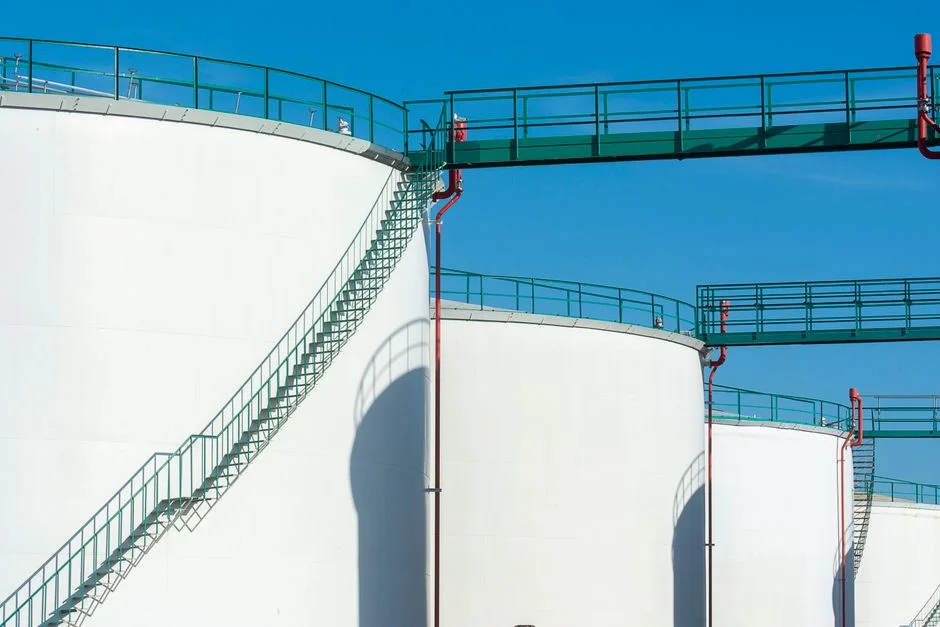
Translating engineering decisions into 2026 CAPEX: small RAS operations below 500 m³/day of influent typically run a skid-mounted gravity belt thickener plus a bag dewatering station for USD 25,000–80,000 in mechanical equipment, with polymer and power running USD 0.8–1.5 per kg DS treated. Mid-scale shrimp or salmon RAS at 500–5,000 m³/day require a decanter centrifuge plus polymer dosing skid, USD 120,000–400,000 CAPEX, and benefit from a lamella clarifier to polish reject water before discharge. Large land-based salmon facilities above 5,000 m³/day run a full five-stage train including a heat-pump dryer and reject-water RO, with CAPEX of USD 0.8–2.5 million depending on water-recovery target. OPEX is dominated by polymer dose (4–12 kg polymer per ton DS across the train), centrifuge or dryer energy (15–40 kWh/m³), and labor for cake handling. These figures provide a baseline for financial planning across diverse aquaculture operations.
| Farm size (m³/day) | Train configuration | Mechanical CAPEX (USD) | Key OPEX drivers |
|---|---|---|---|
| <500 (small RAS) | Belt thickener + bag dewatering | 25,000–80,000 | Polymer 4–6 kg/ton DS; 0.5–1 kWh/m³ |
| 500–5,000 (mid shrimp/salmon) | Decanter + dosing skid + lamella | 120,000–400,000 | Polymer 6–10 kg/ton DS; 5–15 kWh/m³ |
| 5,000+ (large salmon) | Full 5-stage with dryer + RO | 800,000–2,500,000 | Polymer 8–12 kg/ton DS; 15–40 kWh/m³ |
For the mid-scale buyer, the plate-and-frame filter press and lamella clarifier remain the two workhorse products that anchor a defensible 2026 quote. If the upstream matrix is unfamiliar (saline, oily, surfactant-bearing), review sludge conditioning chemistry in adjacent industries to bracket polymer behavior before locking the dose.
Frequently Asked Questions
What dry-solids percentage should I target before hauling fish-farm sludge off-site?
Target ≥25% DS for transport; a decanter centrifuge typically delivers 25–35% DS, while a PLC-automated plate-and-frame filter press reaches 40–45% DS for bagged fertilizer.
How much polymer does aquaculture sludge actually require?
Expect 4–12 kg of cationic polyacrylamide per ton of dry solids, with saline and antibiotic-loaded feeds at the high end; an automatic chemical dosing system holds setpoint within ±5%.
Can the same train handle both freshwater RAS and marine shrimp effluent?
Yes, but specify a decanter centrifuge or plate-and-frame for marine RAS and shrimp; gravity belt presses underperform above ~10 g/L chloride due to floc compression.
Is a heat-pump dryer worth the extra CAPEX for a mid-scale farm?
Heat-pump drying is justified when the cake must reach >90% DS for bagged fertilizer or biogas feedstock, or when discharge rules require hygienization; energy use runs 15–40 kWh/m³ of feed.