
Why Detergent Wastewater Sludge Behaves Differently
Detergent plant sludge is not municipal sludge with extra soap in it. A typical surfactant-manufacturing influent runs COD 1,500–8,000 mg/L, linear alkylbenzene sulfonate (LAS) 200–2,000 mg/L, pH 9–12, and oil & grease 100–800 mg/L, and that signature carries straight into the sludge phase. Field audits of soap and personal-care plants consistently show that LAS partitions preferentially onto biosolids rather than staying in the centrate (per Applied and Environmental Microbiology, 1980-06), so the conditioning tank is where surfactant effects concentrate. The practical consequence is that municipal heuristics — 8–12 kg/t dry solids (DS) anionic polymer, target 28% DS cake, neutral pH — systematically underperform.
Surface-active molecules bind water through their hydrophilic head groups and stabilize emulsified oil droplets and fine colloids, producing a gelatinous, foaming sludge that resists compaction. Soap salts (sodium stearate, sodium oleate) raise the sludge's bound-water fraction and buffer it against charge neutralization. The implication for the engineer: conditioning chemistry, not press tonnage, is the dominant lever on cake dryness and OPEX for any detergent wastewater sludge treatment train.
The Full Process Train for Detergent Sludge
A defensible 2026 train for a 5–20 m³/h sludge flow runs in seven stages: equalization, coarse screening (typically 5–10 mm perforated), DAF pre-thickening, sludge holding/buffer, chemical conditioning, mechanical dewatering, and cake handling. Equalization is sized for an 8–12 h hydraulic residence time (HRT) to dampen the pH and surfactant peaks from batch washers and CIP cycles; anything shorter lets a single batch crash the DAF. DAF pre-thickening targets 2–4% DS, and commercially packaged DAF units in the 4–300 m³/h hydraulic range cover the throughput band most detergent plants sit in.
Conditioning uses cationic polyacrylamide (CPAM) at 3–8 kg/t DS, with lime supplementation to pH 11–12.5 when heavy-metal stabilization or odor control is required. For plants pursuing a lower-carbon route, basic oxygen furnace (BOF) slag at 1.9 g/g TSS achieves pH 12.4 in batch hydrolysis and delivers a 68–91% net carbon-footprint reduction per ton of treated sludge versus NaOH or commercial CaO (per ACS Omega, 2025). The dewatering stage — usually a plate-and-frame filter press at 15–30 bar chamber pressure — then takes the conditioned sludge to 35–45% DS cake, which is the band most landfill and incineration gates now require for acceptance.
Chemical Conditioning: Polymer, pH, and Surfactant Management
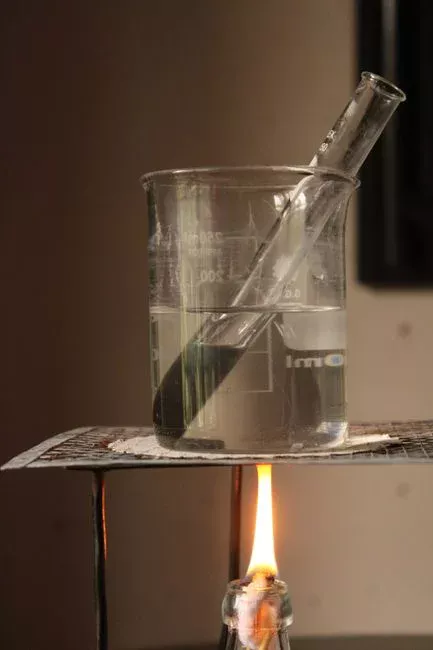
Conditioning determines the success of detergent wastewater sludge treatment. LAS-coated flocs carry a strong net negative charge, so cationic CPAM (charge density 10–40 mol%, molecular weight 6–12 MDa) outperforms anionic or non-ionic grades by 20–35% in jar-test solids capture. The practical dose window is 3–8 kg/t DS, and operators should run a 1-L jar test across that range before locking the setpoint — under-dosing leaves a sticky, high-bound-water cake; over-dosing restabilizes the colloid and drives polymer cost up without dryness gain.
Lime is the second reagent and serves three jobs: it raises pH to 11–12.5 for pathogen kill and emulsified-soap break, it adds calcium for bridging flocculation, and it pre-stabilizes the cake for landfill disposal. The downside is foaming at high pH, particularly above 11.5, which a silicone or fatty-alcohol antifoam at 50–200 ppm will suppress without harming downstream biology. Dose the lime and polymer through a PLC-controlled polymer dosing skid with flow-paced control; field experience shows manual dosing drifts more than 15% from setpoint within a shift, while PLC trim holds it inside ±5%.
Mechanical Dewatering: Plate-and-Frame vs. Belt Press vs. Screw Press
Machine selection for LAS-laden sludge is dominated by cake dryness and polymer response rather than headline CAPEX. The table below summarizes the four dewatering options a detergent plant will see in vendor bids.
| Machine | Cake DS (%) | Polymer demand (kg/t DS) | Throughput per unit | OPEX index | Footprint | Suitability for LAS sludge |
|---|---|---|---|---|---|---|
| Plate-and-frame filter press | 35–45 | 3–8 | 1–500 m² plate area | Medium (high polymer, low power) | Large | Best — handles gelatinous, high-LAS cake; lowest moisture for disposal |
| Belt filter press | 22–28 | 6–12 | 5–30 m³/h per line | Low–medium | Compact | Marginal — struggles above 1,000 mg/L LAS; cake too wet for many gate fees |
| Screw press | 20–30 | 3–6 | 1–25 m³/h per unit | Low | Small | Good for foaming sludge; dryness below landfill threshold in most jurisdictions |
| Decanter centrifuge | 25–32 | 4–8 | 2–40 m³/h per unit | High (power, wear) | Medium | Good for oily sludge; tolerates LAS but centrate quality suffers |
The plate-and-frame filter press remains the default for plants that pay a gate fee by the ton of water shipped or that plan to reuse the cake. A 15–30 bar chamber pressure squeezes bound water out of the LAS gel that belt and screw presses leave behind, and 35–45% DS cake passes most EU and US landfill leachability thresholds without further drying. The decision rule: if the disposal route is landfill, incineration, or cement-kiln co-processing, plate-and-frame wins on total cost per ton of dry solids shipped.
Upstream Integration: Why DAF and Lamella Clarifier Performance Drive Sludge Quality
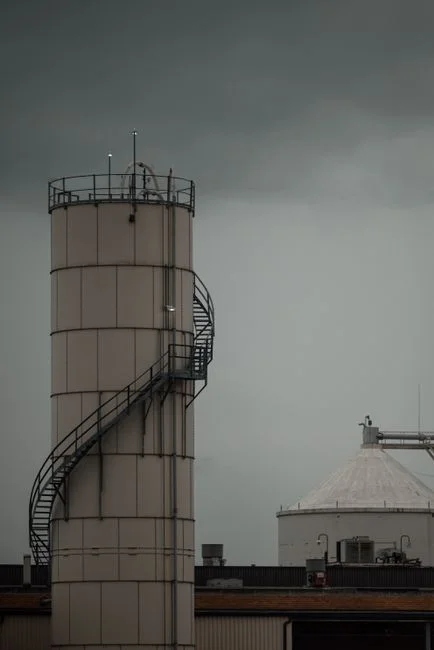
Dewatering economics start three unit operations upstream of the press. A DAF or clarifier running poorly will deliver a 0.5–1% DS sludge stream that overwhelms the press cycle, inflates polymer demand, and pushes cake moisture above the disposal threshold regardless of how well the conditioning is tuned. Improving upstream performance allows the press to run more efficiently. A well-run upstream train feeds the press at 2.5–3.5% DS, which cuts press cycle time by roughly 15% per 1% DS gain and reduces polymer demand by about 10%.
For plants that already have DAF but still see thin sludge, a lamella clarifier thickening stage ahead of the sludge holding tank is the cheapest upgrade on offer. Lamella designs run at 20–40 m/h surface-loading rate and typically deliver 30% chemical savings versus a single-stage DAF for the same thickened-sludge solids. Treat upstream thickening and dewatering as one coupled design problem, not two separate equipment purchases — the P&ID and the budget should reflect that. For routine reliability, follow the DAF maintenance checklist discipline daily; most cake-moisture excursions trace back to neglected DAF nozzle or compressor service.
Cake Handling, Disposal, and Beneficial Reuse in 2026
Three disposal routes dominate 2026 practice for detergent sludge: secure landfill, industrial incineration with energy recovery, and cement-kiln co-processing. Cake that meets Toxicity Characteristic Leaching Procedure (TCLP) thresholds and shows LAS below the local screening value (typically 100–500 mg/L in the leachate) is generally classified non-hazardous in both EU and US frameworks, which keeps landfill costs predictable. Incineration with energy recovery adds a credit but demands cake above 35% DS to sustain autothermal combustion, which is where the plate-and-frame press earns its keep.
Two 2026 trends impact CAPEX reviews. First, alkaline-stabilized cake is increasingly eligible for carbon-credit registration under several voluntary schemes, because the 68–91% CO₂ reduction versus commercial conditioners (per ACS Omega, 2025) translates directly into verified abatement. Second, valorization pilots — soap residue recovery, glycolipid biosynthesis from LAS-degrading consortia — are moving from bench to demo, but in 2026 they remain pre-commercial; treat them as optional add-ons, not base-case revenue. For end-of-pipe economics, ground the OPEX case in the industrial wastewater OPEX breakdown framework rather than vendor projections.
2026 Cost Snapshot and Equipment Selection Checklist
For a 5–20 m³/h detergent sludge dewatering line, 2026 indicative CAPEX sits in the USD 180,000–650,000 band for a plate-and-frame system (skid, dosing, cake handling) and USD 90,000–300,000 for a belt-press line of equivalent hydraulic capacity. OPEX — polymer, power, and labor combined — runs USD 8–22 per ton of dry cake produced, with polymer typically 55–70% of that envelope. Treat these as scoping numbers, not quotes, and refresh them against regional fabrication and gate-fee benchmarks before any board submission.
| # | Selection criterion | What to demand in the spec |
|---|---|---|
| 1 | Influent variability | pH, LAS, O&G characterization over ≥2 weeks including batch peaks |
| 2 | Target cake dryness | 35% DS minimum for landfill, 38%+ for incineration, 40%+ for cement kiln |
| 3 | Available floor area | Plate-and-frame needs 2–3× the footprint of a belt press at the same throughput |
| 4 | Cake disposal route | Gate fee per ton water shipped sets the floor on required dryness |
| 5 | Automation level | PLC dosing skid with flow-paced trim, not manual |
| 6 | Operator skill & acceptance test | pH, respiration activity, alkalinity per standard methods (per Springer, 2024) |
Run the six-point checklist before issuing the RFQ, and require vendors to demonstrate cake DS and polymer dose at the acceptance test on your sludge, not theirs. For multi-site or multinational programs, anchor the decision to a published sludge dewatering equipment selection framework so procurement, operations, and EHS sign off against the same criteria.
Frequently Asked Questions
What cake dryness can a plate-and-frame press realistically reach on detergent sludge?
A well-conditioned detergent sludge feeds a plate-and-frame press to 35–45% DS, against 22–28% for a belt press and 20–30% for a screw press. Targets below 35% DS usually mean the conditioning chemistry, not the press, is the bottleneck.
How much cationic polymer does detergent sludge actually need?
Plan on 3–8 kg/t DS of CPAM, refined by jar test on the plant's own sludge. Below 3 kg/t DS the cake stays sticky; above 8 kg/t DS the polymer restabilizes the colloid and dryness gains stop while cost climbs.
Is detergent sludge hazardous waste?
Usually no, provided the cake passes TCLP leaching limits and LAS in the leachate stays under the local screening value (commonly 100–