Why Granular Sludge Is Replacing Conventional Activated Sludge in 2026
Granular activated sludge (AGS) technology uses self-aggregating microbial granules — dense, spherical, self-immobilized aggregates typically 0.2–5 mm in diameter — that settle far faster than conventional flocs and host aerobic, anoxic, and anaerobic microbial layers simultaneously inside a single particle. That layered architecture is what allows one sequencing batch reactor (SBR) to collapse the multi-tank A²/O train (the conventional anaerobic/anoxic/aerobic configuration used for biological nutrient removal) into a single vessel performing simultaneous COD (chemical oxygen demand), nitrification, denitrification, and biological phosphorus removal. The 2026 microbial-immigration survey of full-scale plants (Rafay & Fowler, Water Research, 2026-08) places AGS and MBRs at the low end of the 1.8 × 10²–2.5 × 10⁴ cells/mL immigration range measured across systems — a marker of stable, self-replicating communities rather than reseeding-driven floc biology.
The 2026 peer-reviewed case for AGS is strongest in three wastewater streams: high-strength liquor treated by algal-bacterial granular sludge coupled to an MBR (membrane bioreactor) (Tang, Bioresource Technology, 2026-08); real domestic wastewater with enhanced biological phosphorus removal (EBPR) seeded by granular activated carbon (Nancharaiah, Current Science Vol. 127); and antibiotic- or PFAS-alternative (per- and polyfluoroalkyl substance替代品) stressed influents where granulation can actually accelerate under controlled toxicant loading (J. Hazard. Mater., 2026). The honest limits remain: a 4–8 week start-up window, sensitivity to sudden F-53B/OBS shocks, and the need for cyclone selectors or equivalent hydrodynamic selection to retain granules against washout. Plants considering retrofits should weigh these against the footprint reduction — typically 50–75% versus a comparable A²/O train — before committing.
How Granules Form: EPS, Hydrodynamics, and the RpoS/c-di-GMP Pathway
Granulation is not a black box — it is a reproducible four-stage progression (accretion → early maturation → maturation → steady state) driven by extracellular polymeric substances (EPS) overproduction, hydrodynamic selection for fast-settling particles, and feast/famine feeding patterns. The 2026 F-53B/OBS study (J. Hazard. Mater., 2026) pinned the molecular trigger: excess reactive oxygen species (ROS) activates the RpoS/c-di-GMP signaling pathway (RpoS is a stress-response sigma factor; c-di-GMP is cyclic di-guanosine monophosphate, a bacterial second messenger that regulates biofilm and EPS production), upregulating glycolysis and TCA-cycle (tricarboxylic acid cycle) genes, which in turn drives EPS-producing bacteria to synthesize more exopolysaccharide. The community evidence is concrete: Candidatus_Competibacter (a glycogen-accumulating organism known to drive EPS production) shifted from 10.69 ± 0.68% in reactor R1 to 15.52 ± 1.67% in R2 and back to 11.32 ± 0.91% in R3, confirming that EPS-producers dominate when toxicant stress is present.
That same ROS surge is a double-edged sword. The protective EPS barrier accelerates granule aggregation, but it also tilts the community toward EPS-producers at the expense of nitrifiers and PAOs (polyphosphate-accumulating organisms), creating a functional imbalance a designer must budget for. Operational triggers for healthy granulation include high hydraulic shear (upflow velocities above ~1.2 cm/s in selector zones), short feeding windows to enforce feast/famine ratios greater than 3:1, dissolved oxygen (DO) above 2 mg/L during the aerobic phase, and a sufficiently tall H/D (height-to-diameter) ratio to let slow-settling flocs wash out while granules are retained. The field diagnostic engineers actually log is the SVI₅/SVI₃₀ ratio (SVI = sludge volume index, the volume occupied by 1 g of sludge after settling; SVI₅ measured at 5 min, SVI₃₀ at 30 min) — a ratio approaching 1.0 indicates well-settled granular biomass. In the GAC-AGS EBPR work (Nancharaiah, Current Science Vol. 127), granulation was confirmed by SVI and granular volume fraction measurements in 10-L SBRs.
Three 2026 Reactor Configurations Side by Side
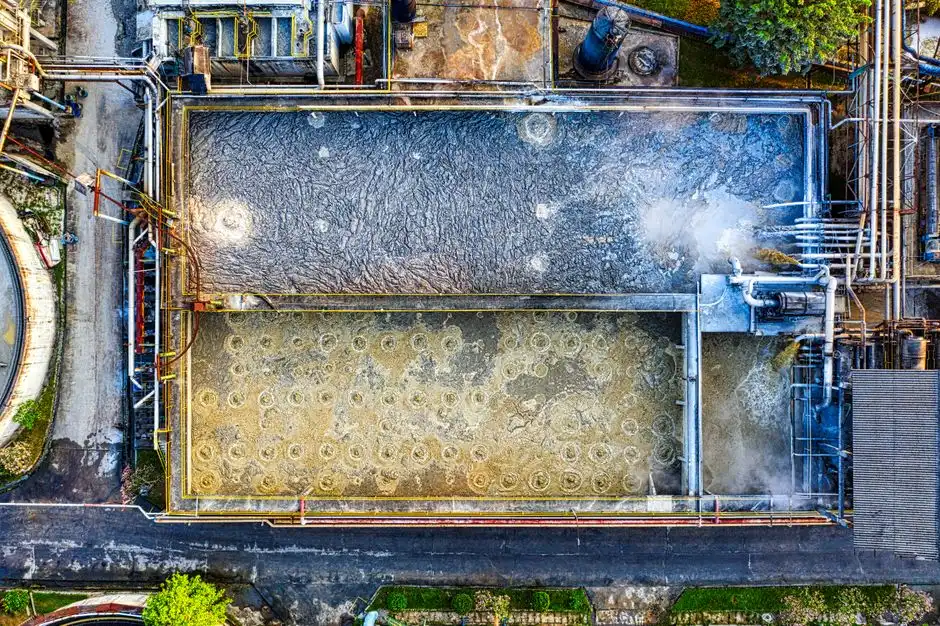
Choosing among the three 2026 configurations is less about ranking and more about matching influent characteristics to the configuration the peer-reviewed evidence supports. ABGS-MBR (algal-bacterial granular sludge + submerged membrane) pairs stable granular structure with favorable EPS and cake-layer characteristics for refractory-organics-laden liquor (Tang, Bioresour. Technol., 2026-08). AGS + GAC in SBR uses GAC as a nucleation site to accelerate granulation and enhance biological phosphate removal from real domestic wastewater, with γ-proteobacteria dominating the mature community (Nancharaiah, Current Science Vol. 127). UASB (upflow anaerobic sludge blanket) GAC/ELE (5 g/L GAC + 0.6 V applied voltage) produced a zone-dependent community in which tetracycline-degrading genera were enriched 3.4× in electrode-proximal biomass versus bulk sludge, while methanogens were retained in the bulk (J. Hazard. Mater., 2026). CAPEX (capital expenditure) comparisons were not reported in any of the three studies; cost scales with reactor volume, membrane area, and GAC replacement interval, and should be quoted vendor-by-vendor.
| Parameter | ABGS-MBR | AGS + GAC SBR (EBPR) | UASB GAC/ELE |
|---|---|---|---|
| Reactor type | SBR with submerged membrane | Sequencing batch reactor (10 L lab scale) | Upflow anaerobic sludge blanket |
| Target influent | High-COD liquor, refractory organics | Low-strength domestic wastewater with P-limit | TC-stressed (5 mg/L tetracycline) sulfate-bearing |
| Carrier / augmentation | Algal-bacterial共生 (symbiotic) granules | GAC as nucleation site | 5 g/L GAC + 0.6 V bias |
| Dominant community | Stable granules, greater genetic potential | γ-proteobacteria dominant | TC-degraders 3.4× enriched at electrode; methanogens in bulk |
| Best-fit stream | Distillery, pharma, food liquor | Municipal EBPR retrofits | Antibiotic/sulfate-laden industrial |
| Source | Tang, Bioresour. Technol., 2026-08 | Nancharaiah, Current Science Vol. 127 | J. Hazard. Mater., 2026 |
For a plant handling high-COD liquor with refractory organics, the integrated MBR system path maps directly onto the ABGS-MBR configuration; for a low-strength domestic plant chasing a phosphorus limit, the GAC-seeded SBR is the lower-risk retrofit; for sulfate- and antibiotic-laden streams, the UASB GAC/ELE logic — using GAC as both carrier and adsorbent — points toward a hybrid anaerobic design that the engineer can discuss with an MBR module supplier during early scoping.
Design Parameters Engineers Actually Specify
The gap between lab studies and datasheet values is where most AGS projects stall. The 2026 immigration study (Rafay & Fowler, Water Research, 2026-08) gives one counter-intuitive but useful number: treatment capacity (m³/day) correlates negatively with immigration rate, meaning AGS communities self-stabilize as plants scale up rather than drifting toward influent flora. Immigration also correlates positively with SRT (solids retention time), so AGS systems are typically run at moderate SRT (commonly 10–30 days) rather than the very long SRTs used for nitrifying membrane bioreactors. H/D ratio is described qualitatively across the 2026 sources as tall (typically 4:1 to 8:1) to give hydrodynamic selection teeth; the studies do not pin a single optimal number. DO setpoint during the aerobic phase should sit above 2 mg/L, cycle times for combined COD/N/P removal are commonly configured at 4–6 hours, and exchange ratios in the 50–75% range are standard SBR practice. Granule integrity targets — SVI₅/SVI₃₀ approaching or exceeding 0.9, mean diameter 0.5–3 mm, integrity coefficient above 95% — are commonly reported in the field; the cited 2026 sources confirm these ranges qualitatively rather than reporting a specific number.
| Parameter | Typical design range | Source / basis |
|---|---|---|
| H/D ratio | 4:1 – 8:1 (tall) | Standard AGS SBR practice; 2026 sources qualitative |
| SRT | 10–30 days (moderate) | Rafay & Fowler, Water Research, 2026-08 |
| DO (aerobic phase) | > 2 mg/L | Standard EBPR/AGS practice |
| Cycle time | 4–6 h typical for combined C/N/P | SBR field practice |
| Exchange ratio | 50–75% | SBR field practice |
| Mean granule diameter | 0.5–3 mm | Commonly reported integrity range |
| SVI₅/SVI₃₀ | ≥ 0.9 target | Granulation diagnostic |
| GAC carrier dose | 5 g/L (when used) | UASB GAC/ELE study, J. Hazard. Mater., 2026 |
| Membrane pore (ABGS-MBR) | 0.1–0.4 µm PVDF (polyvinylidene fluoride) submerged | Tang, Bioresour. Technol., 2026-08 |
For ABGS-MBR designs, the membrane pairing is typically 0.1–0.4 µm PVDF submerged modules with intermittent aeration for fouling control; a DF-series flat sheet membrane module sized against the design flux is a reasonable spec target. Sizing logic for similar high-strength streams is laid out in this MBR sizing step-by-step guide.
Stress Tolerance: What the 2026 Toxicant Studies Reveal
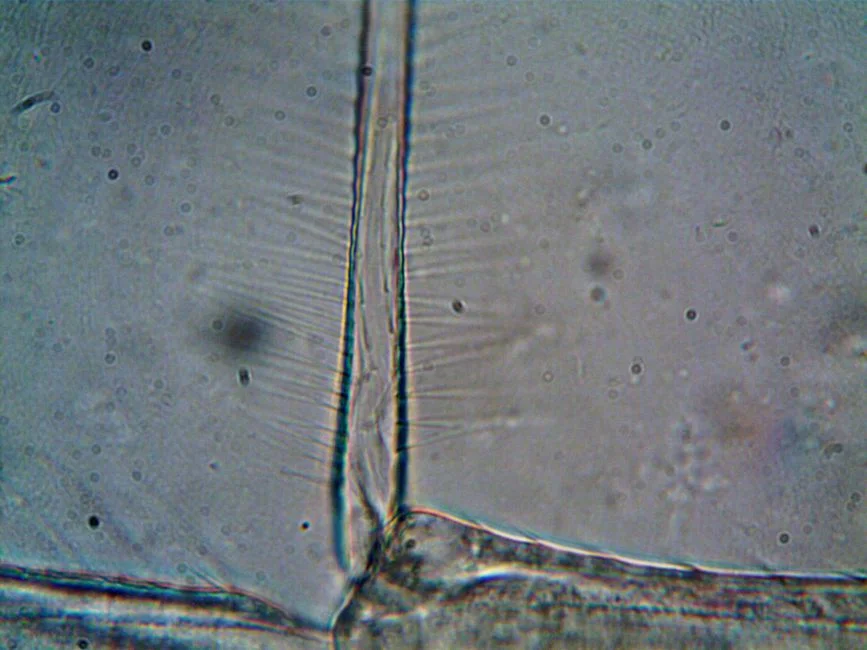
Every industrial influent carries some toxicant load — the question is whether the granules will hold together under it. The 2026 F-53B/OBS study (J. Hazard. Mater.) shows rapid granulation via ROS-activated RpoS/c-di-GMP upregulation, with Candidatus_Competibacter peaking at 15.52 ± 1.67% — but the same shift creates a functional imbalance risk because nitrifiers and PAOs lose relative share. Tetracycline at 5 mg/L (the UASB GAC/ELE study, J. Hazard. Mater., 2026) was mitigated by GAC adsorption alone, and combining GAC with 0.6 V electrical stimulation produced a zone-dependent community that protected methanogens in the bulk sludge — a finding with direct design implications for any plant considering anaerobic pretreatment ahead of AGS. The open caveat, stated honestly: none of the cited 2026 sources establish long-term performance beyond pilot scale, and full-scale toxicant-tolerance data is not yet available.
| Stressor | Observed effect on granules | Mitigation in 2026 studies | Design implication |
|---|---|---|---|
| F-53B / OBS (PFAS替代品) | Rapid granulation via ROS/RpoS/c-di-GMP; Candidatus_Competibacter peaks at 15.52% | None reported in study | Plan for functional imbalance; protect nitrification/PAO capacity |
| Tetracycline 5 mg/L | Inhibits methanogenesis in anaerobic systems | 5 g/L GAC alone mitigates; 0.6 V bias creates zone-dependent community | Use GAC carrier + low-voltage bias for TC-laden streams |
| Sudden toxicant shock | Granule washout risk; long recovery | Cyclone selector or equivalent hydrodynamic selection | Specify selector zone in P&ID (piping and instrumentation diagram) |
| High salinity / sulfate | Not directly reported in 2026 AGS sources | — | Pilot required; long-term data unavailable |
Pairing Granular Sludge With Downstream Equipment
The biology only matters if the downstream solids-handling train can keep up. AGS waste sludge typically arrives at dewatering at 2–4% total suspended solids (TSS) — meaningfully drier than conventional activated sludge — which pushes the equipment choice toward a plate and frame filter press rather than a belt press, since higher inlet solids translate directly to shorter cycle times and lower polymer consumption. For plants choosing the ABGS-MBR route, residual disinfection is most commonly handled with UV for chemical-free operation or a chlorine dioxide generator where ClO₂ residual is required for distribution-system compliance (per EPA drinking-water guidance and WHO disinfection-byproduct limits). If algae carryover is observed in ABGS effluent — a common issue in algal-bacterial systems under high light load — a lamella clarifier or DAF (dissolved air flotation) unit ahead of disinfection polishes the stream without shocking the granular bed. Avoid the temptation to over-aerate downstream: the granules have already done the heavy lifting, and excessive shear in the sludge line will break them before they reach the press.
For a broader OPEX (operational expenditure) view on the upstream Fenton or advanced-oxidation step that often precedes AGS in refractory streams, this Fenton oxidation OPEX breakdown is a useful reference.
Frequently Asked Questions
What is the practical difference between aerobic granular sludge and conventional activated sludge?
Aerobic granular sludge (AGS) settles as discrete 0.2–5 mm granules with high settling velocity (typically 10–30 m/h) and runs simultaneous COD, nitrogen, and phosphorus removal in one SBR; conventional activated sludge settles as loose flocs in a multi-tank A²/O train. The 2026 immigration survey (Rafay & Fowler, Water Research, 2026-08) measured immigration rates from 1.8 × 10² to 2.5 × 10⁴ cells/mL across full-scale plants, with AGS and MBRs at the low end — a marker of stable, self-replicating communities.
How long does AGS start-up take, and can seeding shorten it?
Field experience puts start-up at 4–8 weeks under favorable conditions, with longer windows for cold or toxicant-laden influents. Adding GAC as a nucleation site accelerated granulation in the EBPR study (Nancharaiah, Current Science Vol. 127), and seeding with mature granules from a donor plant is the most reliable shortcut when the schedule is tight.
What GAC dose is supported by 2026 evidence?
The UASB GAC/ELE study (J. Hazard. Mater., 2026) used 5 g/L GAC in combination with 0.6 V applied voltage to mitigate 5 mg/L tetracycline inhibition; the AGS + GAC EBPR work (Nancharaiah, Current Science Vol. 127) used GAC as a nucleation site at comparable loadings. Mesh size and hardness are not specified in the cited sources and should be confirmed with the media supplier.
Can AGS be retrofitted into an existing activated sludge basin?
SBR retrofits are the most viable path: existing basins can be converted to cyclic feed/decant operation with a cyclone selector and adequate H/D ratio. Plug-flow or completely-mixed basins without batch-feed capability are poor candidates because the feast/famine ratio (the alternation between substrate-rich and substrate-starved conditions that drives selective enrichment of granular biomass) that drives granulation cannot be enforced without cyclic control.
How tolerant is AGS to micropollutants like PFAS alternatives or antibiotics?
Granulation itself can accelerate under F-53B/OBS stress via ROS-activated RpoS/c-di-GMP, with Candidatus_Competibacter spiking to 15.52 ± 1.67% (J. Hazard. Mater., 2026) — but the same shift risks nitrification/PAO imbalance. For tetracycline-laden streams, GAC carriers at 5 g/L combined with low-voltage bias (0.6 V) protected methanogens in the bulk sludge (same source). Design rule: if micropollutants are present, plan a GAC carrier or a pre-oxidation step rather than running pure AGS.