Polymer dosing system troubleshooting starts with identifying symptoms like weak flocs (underdosing) or sticky sludge (overdosing), then checking for clogged lines, incorrect concentration (typically 0.1–0.5%), or pump calibration errors. 70% of failures stem from poor mixing or chemical buildup—cleaning schedules and flow verification reduce downtime by up to 40%.
Why Polymer Dosing Systems Fail: The Top 5 Root Causes
Mechanical failure in polymer preparation units is rarely spontaneous; rather, it is typically the result of cumulative chemical imbalances or neglected hydraulic parameters. According to HydropureWater field data (2025), the primary driver of system instability is insufficient aging time. Most dry polymers require a minimum of 30 to 60 minutes of "maturation" or aging to allow the long-chain molecules to fully uncoil. When aging time drops below 30 minutes, undissolved "fish-eyes" (gel globules) form, which immediately clog 100–200 μm strainers and reduce the active chemical efficacy by up to 50%.
Agitation dynamics represent the second most common failure point. If mixer speeds exceed 120 rpm, the high shear forces can physically rupture the polymer chains, resulting in a low-viscosity solution that fails to form strong flocs. Conversely, speeds below 60 rpm allow polymer powder to settle at the bottom of the tank, creating a thick, non-pumpable sludge. Maintaining a precise agitation range of 80–100 rpm is critical for maintaining solution integrity.
Hydraulic issues, specifically sludge backflow and pump wear, account for approximately 25% of unplanned maintenance events. In many B2B industrial setups, missing or fouled check valves allow pressurized sludge to migrate back into the polymer feed lines during pump idle cycles. This contamination triggers immediate localized coagulation within the piping, requiring a full system flush. Pump diaphragm wear is a progressive failure mode; a 10% deviation in stroke output can shift the concentration outside the optimal 0.2–0.5% w/w range, leading to massive downstream inefficiencies in solids-liquid separation.
Finally, water chemistry plays a decisive role in system reliability. High calcium hardness (Ca²⁺ > 250 mg/L) or a pH level above 8.0 in the make-up water can lead to scaling or premature crystallization in the discharge lines. This buildup increases backpressure on the dosing pump, eventually leading to diaphragm rupture or motor overheat alarms. Operators must monitor make-up water quality as strictly as the polymer itself to ensure long-term uptime.
Step-by-Step Troubleshooting by Symptom
Effective troubleshooting requires a systematic approach that correlates visual sludge characteristics with mechanical settings. When flocculation performance degrades, the first diagnostic step is a jar test to verify if the issue lies with the chemical concentration or the mechanical delivery system. If the jar test produces strong flocs but the system does not, the problem is likely a pump calibration error or a clog in the injection quill. For operators managing complex systems, understanding how to troubleshoot DAF units affected by poor polymer dosing is essential, as the air-floc interface is highly sensitive to chemical over-saturation.
Weak floc formation typically indicates polymer underdosing or insufficient aging. Operators should first verify the dry polymer feeder's calibration and then inspect the aging tank level. If the solution appears "watery," increase the dry feed rate in 5% increments while monitoring the filtrate. If the filtrate remains cloudy, check for sludge variability; an increase in influent solids concentration requires a proportional increase in polymer dose, often between 0.05–0.1 mg/L increments.
Sticky sludge or "belt blinding" on a filter press is a classic sign of overdosing. This occurs when excess unreacted polymer coats the filter media, preventing water from escaping. To resolve this, reduce the polymer concentration by 10–15% and immediately flush the feed lines with warm water (40–50°C) to dissolve the residual gel. Sticky sludge not only wastes expensive chemicals but also increases the Mean Time to Repair (MTTR) by requiring manual cleaning of the filter cloths.
| Observed Symptom | Diagnostic Step | Immediate Corrective Action |
|---|---|---|
| Weak, small flocs | Perform jar test at 0.1%, 0.3%, and 0.5% concentrations | Adjust dry feeder rate; verify mixer speed is <120 rpm |
| Cloudy filtrate/high turbidity | Measure influent solids loading (TSS) | Increase dose by 0.05 mg/L; check for short-circuiting in tank |
| Sticky sludge/belt blinding | Check polymer viscosity and feed rate | Reduce dose by 15%; flush system with 45°C water |
| Fluctuating pump flow | Conduct 60-second draw-down calibration test | Bleed air from pump head; replace worn diaphragm |
| "No Flow" or High Pressure alarm | Inspect discharge line strainers and valves | Clean 100-200 μm strainers; clear injection quill blockage |
For fluctuating pump output, air ingress is the most common culprit. Check all suction-side fittings for air leaks and ensure the foot valve is fully submerged. A simple draw-down test using a graduated cylinder can verify if the pump is meeting its rated capacity at 50%, 75%, and 100% stroke lengths. If the output is inconsistent across these points, the diaphragm or check valves within the pump head likely require replacement.
Polymer Dosing System Failure Modes and Fixes
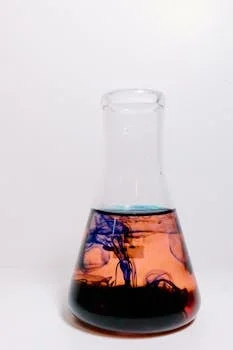
In industrial wastewater environments, failure modes are often repetitive and predictable. One of the most frequent issues is the discharge line clog caused by "polymer tailing"—residual gel that hardens when the pump stops. To fix this, the line should be disassembled and flushed with a 5–10% citric acid solution, which breaks down the polymer structure more effectively than water alone. Implementing HydropureWater's PLC-controlled automatic chemical dosing system can mitigate this by incorporating an automatic flushing cycle every 4 hours, which reduces manual cleaning requirements by 60%.
Inconsistent dosing after routine maintenance often stems from a failure to recalibrate the pump stroke. Maintenance teams frequently replace diaphragms but forget that the new component's tension may differ slightly from the old one. After any internal pump work, operators must verify that the physical stroke setting matches the SCADA or local control panel readout. This ensures that the system maintains the ±2% accuracy required for optimal sludge conditioning. This precision is particularly important when troubleshooting primary clarifiers impacted by polymer conditioning, as even minor dosing errors can lead to pin-floc carryover into secondary treatment.
| Failure Mode | Root Cause | Technical Fix |
|---|---|---|
| Polymer Gel Buildup | Evaporation or chemical drop-out in stagnant lines | Flush with 5-10% citric acid; automate flush cycles |
| Tank Foaming | Excessive agitation or incompatible defoamer | Lower mixer speed to 80 rpm; switch to silicone-free defoamer |
| High Chemical Consumption | Poor sludge-to-polymer mixing ratio | Optimize injection point; verify zeta potential targets |
| Motor Overheat Alarms | High backpressure from clogged injection quill | Clean quill; install pressure gauge to monitor line resistance |
Foaming in the make-up tank is another failure mode that can lead to air binding in the dosing pumps. This is often caused by excessive agitation or the use of high-energy transfer pumps that entrain air into the solution. Reducing the agitation speed to a range of 80–100 rpm usually resolves the issue. If foaming persists due to the specific polymer grade, installing a small defoamer drip line or switching to a low-foam emulsion polymer can stabilize the tank levels and prevent pump cavitation.
How to Prevent Recurring Dosing Issues
Transitioning from reactive to proactive maintenance is the only way to achieve a 40% reduction in downtime. This begins with a rigorous daily inspection protocol. Operators should visually inspect floc quality at the discharge point and compare it against a standard "floc chart." Any deviation in floc size or filtrate clarity should trigger an immediate check of the polymer tank levels and pump stroke settings. Recording these values daily allows for the identification of trends, such as a gradual increase in polymer consumption that might indicate a slow-developing leak or pump wear.
Weekly maintenance should focus on the hydraulic integrity of the system. This includes flushing the feed lines with high-velocity water and cleaning all strainers. Because polymer is naturally viscous, even small amounts of debris can significantly increase friction loss. Verifying pump calibration weekly (aiming for ±2% accuracy) ensures that the system is not "drifting" over time. This simple 15-minute check can save thousands of dollars in wasted chemicals over a single quarter.
On a monthly and semi-annual basis, mechanical components must be serviced regardless of apparent performance. Diaphragms and check valve seats should be replaced every 5,000 operating hours or every 6–12 months. Waiting for a diaphragm to rupture often results in chemical spills and significant cleanup time, whereas scheduled replacement takes less than two hours. Additionally, the polymer aging tank should be fully drained and cleaned every 3–6 months to remove any accumulated "dead" polymer or biofilm that can harbor bacteria and degrade the fresh polymer solution.
Finally, the integration of real-time monitoring sensors can automate much of the troubleshooting process. Installing turbidity sensors on the filtrate line or conductivity sensors in the polymer make-up tank allows the SCADA system to detect dosing deviations instantly. If the filtrate turbidity exceeds a pre-set threshold, the system can automatically adjust the pump speed or trigger an alarm before the filter press becomes blinded, effectively moving the plant toward a "zero-unplanned-downtime" model.
Frequently Asked Questions
Can a dosing pump be repaired?
Yes. Most industrial dosing pumps are modular. Diaphragms, seals, and check valves are standard wear items that can be replaced in under 2 hours. A properly rebuilt pump typically restores 95% or more of its original dosing accuracy.
Do dosing systems require calibration?
Absolutely. Calibration should occur every 30–60 days or after any maintenance event. Use a graduated draw-down cylinder to verify flow at 50%, 75%, and 100% stroke to ensure the pump curve remains linear and accurate.
Is flocculant the same as polymer?
In the context of wastewater treatment, yes. "Flocculant" describes the functional role of the chemical in binding particles together, while "polymer" (specifically polyacrylamide or PAM) refers to the chemical structure. Most industrial systems use synthetic organic polymers.
What is the purpose of polymer dosing?
The primary purpose is to bridge the gap between small, suspended particles (colloids) to form larger, heavier flocs. This process is essential for efficient solid-liquid separation in equipment like filter presses, centrifuges, and DAF units.
How often should polymer tanks be cleaned?
Tanks should be thoroughly cleaned every 3–6 months. This prevents the buildup of "gel balls" and biofilms, which can clog downstream pumps and reduce the overall effectiveness of the chemical conditioning process.