
Why Texas Instruments' 2025–2026 Fab Expansion Reshapes the ETP Specification
Texas Instruments committed more than $60 billion across seven U.S. semiconductor fabs on June 18, 2025 — the largest investment in foundational semiconductor manufacturing in U.S. history (TI press release, 2025-06-18). The program creates 60,000+ direct and supplier jobs, anchors three mega-sites in Texas and Utah, and fundamentally rewrites the wastewater and ultrapure water envelope an Effluent Treatment Plant (ETP) must handle. The Sherman, Texas mega-site alone absorbs up to $40 billion across four fabs: SM1 entered production in 2025, SM2 is ramping in 2026, and SM3 and SM4 are scheduled through 2030. Each 300mm wafer start consumes 2–4 m³ of UPW, and roughly 15–25% of that feed exits the polishing loop as reject that has to be treated before discharge or reclaim.
The Richardson RFAB upgrade layers a $700M expansion and a $33.6M Texas Semiconductor Innovation Fund (TSIF) grant on top of an existing 300mm footprint (Dallas Business Journal, 2026-07-09). The Lehi, Utah site extends TI's analog capacity to a second state. Internationally, TI's Aizu (Japan) capacity addition for gallium nitride (GaN) on silicon — the same wide-bandgap process line being adapted for U.S. power devices — introduces ammonia-heavy rinse waters and trace Ga loading that any new American fab should plan to handle. The unasked question behind every corporate headline is: what ETP does each of these new fabs actually need to meet TCEQ, EPA, and UPW feed spec in 2026?
Wastewater Streams a 300mm Analog/Embedded Fab Generates
A 300mm analog/embedded fab is not a single wastewater source — it is a set of segregated streams that converge at the ETP headworks. Spent process chemistries dominate the load: tetramethylammonium hydroxide (TMAH) developer at 2–5% from lithography tracks, buffered HF and NH₄F etchants, isopropyl alcohol (IPA) and N-methyl-2-pyrrolidone (NMP) strippers, copper, tantalum, and cobalt sulfate rinse waters, plus SC1 (NH₄OH/H₂O₂) and SC2 (HCl/H₂O₂) clean chemistries from wet benches. Chemical-mechanical planarization (CMP) slurry wastewater is the highest-solids stream on site: colloidal silica or ceria with residual oxidizer (H₂O₂ or Fe(NO₃)₃), trace Cu/Co/Ta, and surfactant packages that behave like FOG — typically 1,500–4,000 mg/L TSS with sub-1 µm particles. UPW reject from the polishing loop adds 15–25% of total UPW feed as low-TDS, high-purity water that still carries boron, silica, and TOC that the ETP must polish or send to reclaim. Scrubber effluent from acid-gas abatement carries HF, HCl, and NH₃ in slugs that hammer pH control. The GaN-on-Si process flow (relevant given TI's Aizu capacity expansion) generates high-ammonia, low-pH swings in MOCVD rinse waters with trace Ga that complicates biological nitrogen removal.
| Stream | Key Contaminants | Typical Concentration | Daily Flow (per fab) |
|---|---|---|---|
| CMP slurry wastewater | Silica/ceria, Cu, Co, Ta, H₂O₂, surfactants | 1,500–4,000 mg/L TSS | 800–2,500 m³ |
| HF/NH₄F etchant | F⁻, NH₄⁺, suspended residues | 500–5,000 mg/L F⁻ | 200–600 m³ |
| TMAH developer | TMAT, COD | 2–5% TMAH; COD 1,500–3,000 mg/L | 300–900 m³ |
| Cu/Co/Ta rinse | Heavy metals, sulfate | Cu 5–50 mg/L, Co 1–10 mg/L | 1,000–3,000 m³ |
| UPW reject | Boron, silica, TOC | TDS <10 mg/L, TOC 50–200 µg/L | 2,000–6,000 m³ |
| Scrubber effluent | HF, HCl, NH₃ slugs | pH 1–11 swings, F⁻ up to 2,000 mg/L | 200–500 m³ |
| GaN rinse water | NH₃-N 50–500 mg/L, trace Ga | pH 4–9 swings | 100–400 m³ |
TCEQ and EPA Discharge Limits Driving ETP Design in 2026
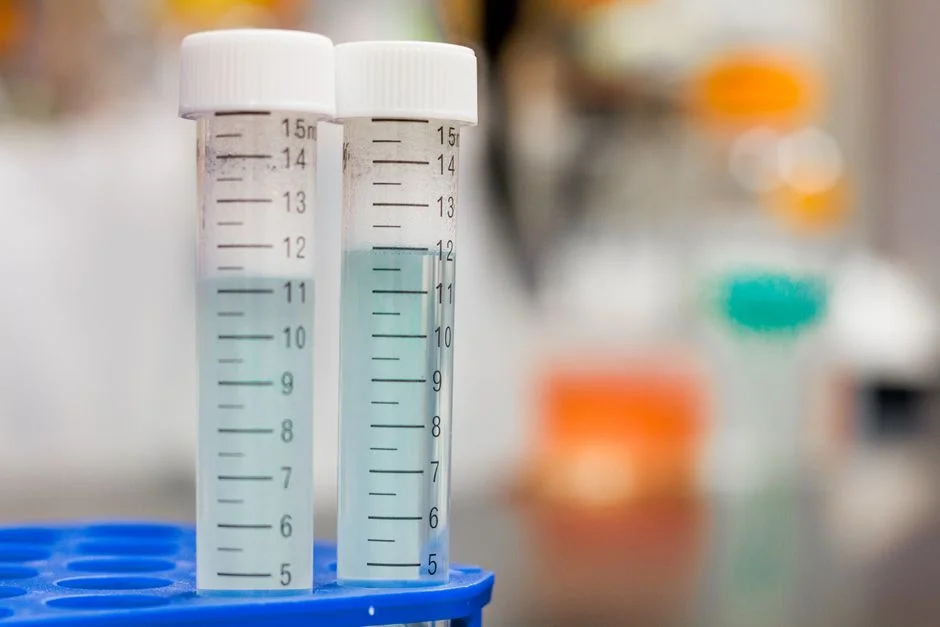
Every ETP stage is sized against a defined discharge number, and the 2026 envelope is the tightest the U.S. semiconductor sector has ever faced. TCEQ Chapter 307 sets Texas Surface Water Quality industrial limits at fluoride <4 mg/L, Cu <0.5 mg/L, Zn <1.0 mg/L, NH₃-N <10 mg/L, COD <150 mg/L, and TSS <45 mg/L at the outfall. TCEQ's PFOS/PFOA industrial screening limits at the outfall layer on top. On the federal side, EPA's final National Primary Drinking Water Regulations (NPDWR) set PFAS MCLs at 4 ng/L PFOA, 4 ng/L PFOS, and 10 ng/L HFPO-DA (GenX), with compliance monitoring phased through 2025–2026 — fabs must monitor and polish to these levels even though they are not drinking-water utilities, because indirect discharge and reuse rules make the numbers the de facto design target. 40 CFR Part 463 (Semiconductor Point Source Category) effluent guidelines cap the categorical load, while TSCA CDR reporting tracks PFAS-containing chemistries back to the procurement ledger.
| Parameter | Source | Limit (Daily Max / 30-day Avg) | Unit |
|---|---|---|---|
| Fluoride (F⁻) | TCEQ Ch. 307 | 4 / 3 | mg/L |
| Copper (Cu) | TCEQ Ch. 307 | 0.5 / 0.3 | mg/L |
| Zinc (Zn) | TCEQ Ch. 307 | 1.0 / 0.5 | mg/L |
| Ammonia-N | TCEQ Ch. 307 | 10 / 5 | mg/L |
| COD | TCEQ Ch. 307 | 150 / 100 | mg/L |
| TSS | TCEQ Ch. 307 | 45 / 30 | mg/L |
| PFOA | EPA NPDWR PFAS | 4.0 | ng/L |
| PFOS | EPA NPDWR PFAS | 4.0 | ng/L |
| HFPO-DA (GenX) | EPA NPDWR PFAS | 10.0 | ng/L |
Recommended Treatment Train for a TI-Style Fab ETP
The train below is the conservative default for a 300mm analog/embedded fab discharging to a Texas POTW or surface water under TCEQ Ch. 307 — adjust flows for fab ramp state. Stage 1 — Equalization and chemical dosing: two parallel EQ basins sized at 8–12 hours of peak flow with NaOH and CaCl₂ injection for fluoride precipitation, NaHS or TMT-15 for heavy-metal sulfide precipitation, and sulfuric acid for pH trim ahead of coagulation. A rotary bar screen at the headworks protects downstream pumps and MBR membranes from wipes and oversized solids. Stage 2 — Coagulation, flocculation, and DAF: a high-rate DAF system for fab CMP and FOG removal drops TSS by 90–95% and lifts emulsified surfactants off the surface. Stage 3 — Fenton or ozone oxidation: Fe²⁺/H₂O₂ at pH 3–4 breaks TMAH, IPA, and NMP down, taking COD from 1,500–3,000 mg/L to below 200 mg/L before biological treatment. Stage 4 — MBR membrane bioreactor: an MBR system for fab TMAH and ammonia polishing with sub-1 µm PVDF membranes nitrifies ammonia to <1 mg/L and polishes residual COD to <50 mg/L in roughly 60% of the footprint of a conventional activated-sludge train. Stage 5 — RO and ion-exchange polishing: an industrial RO for PFAS and heavy-metal polishing followed by selective IX resins drops Cu to <0.1 mg/L, residual fluoride to <2 mg/L, and PFOA/PFOS below the EPA NPDWR action levels; reject brine is recycled upstream. Stage 6 — Sludge handling: a filter press for fab chemical sludge dewatering delivers a <60% moisture cake suitable for hazardous-waste disposal or, where chloride and fluoride allow, cement kiln co-processing.
Equipment Selection Matrix for Each Fab Wastewater Stream
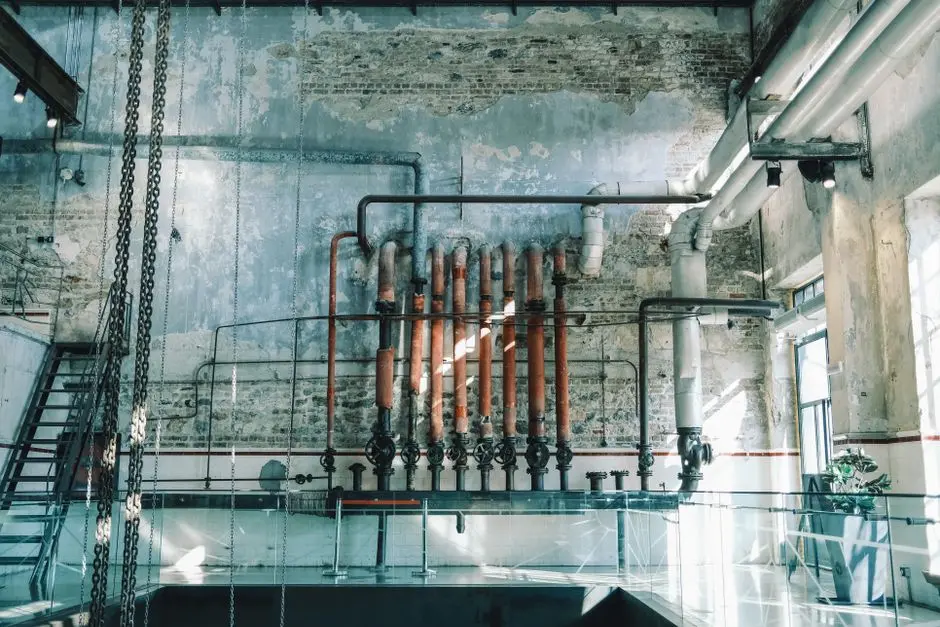
Procurement engineers can lift the matrix below into an RFP and the right HydropureWater unit is mapped to each fab stream. Headworks protection is consistent across all flows: a rotary bar screen for fab WWTP headworks with 3–6 mm aperture. The lamella clarifier for fluoride and metal hydroxide settling handles primary fluoride sludge at 2–4 m/h overflow rate — roughly 3× the rate of a conventional clarifier. Final disinfection before outfall uses a ClO₂ generator for fab outfall disinfection with a 0.5–1.0 mg/L residual at a 30-second contact time — chosen over chlorine because ClO₂ does not form regulated trihalomethanes with the residual organic load. Chemical conditioning runs on a chemical dosing skid for pH, coagulant, and polymer injection with PID control on pH and ORP. See the PFAS testing and compliance guide for industrial wastewater for the monitoring schedule that ties to this matrix.
| Fab Stream | Primary Equipment | Secondary Polishing | Expected Removal / Output |
|---|---|---|---|
| CMP slurry wastewater | DAF (ZQSF series) | Lamella clarifier → MBR | TSS 1,500–4,000 → <30 mg/L; Cu <0.1 mg/L |
| HF / NH₄F etchant | CaCl₂ precipitation + lamella | IX (selective fluoride resin) | F⁻ 500–5,000 → <3 mg/L |
| TMAH developer | Fenton oxidation | MBR | COD 1,500–3,000 → <50 mg/L; NH₃-N <2 mg/L |
| Cu/Co/Ta rinse | NaHS / TMT-15 precipitation + DAF | IX | Cu 5–50 → <0.1 mg/L; Co <0.05 mg/L |
| UPW reject | RO (BW30 / XLE) | Mixed-bed IX | TDS <10 → <0.5 mg/L; TOC <10 µg/L |
| Scrubber effluent | EQ + NaOH scrubber | Fluoride IX | F⁻ <3 mg/L; pH 6.5–8.5 |
| GaN rinse water | Ammonia stripping + MBR | Selective IX for trace Ga | NH₃-N 50–500 → <2 mg/L; Ga <0.05 mg/L |
CAPEX, OPEX, and PFAS Compliance Cost Overlay
Cost bands below are drawn from comparable 300mm fab ETP projects and HydropureWater field data, 2026. A Tier 1 greenfield fab at 20,000–40,000 m³/day of total fab wastewater (typical for a Sherman SM1/SM2-class plant) lands in the $18M–$45M CAPEX range with OPEX of $2M–$3.5M/yr — the wide spread is driven mainly by whether fluoride precipitation is run as CaF₂ (cheaper, more sludge) or as a membrane/IX polish (higher CAPEX, lower sludge). A Tier 2 fab at 5,000–20,000 m³/day, which covers the typical Richardson-scale upgrade and the Lehi expansion, runs $8M–$22M CAPEX with $0.8M–$2M/yr OPEX. The PFAS polishing overlay — GAC plus IX, or RO, sized to push PFOA/PFOS below 4 ng/L — adds 20–30% to CAPEX and roughly $0.15–$0.40/m³ to OPEX depending on resin regeneration frequency. Adding a dedicated GaN stream for MOCVD rinse waters typically adds $1.5M–$4M in ammonia stripping towers, dedicated MBR, and selective IX for trace gallium — see the GaN fab wastewater cost breakdown for line-item economics. For TMAH-specific equipment selection, the TMAH treatment engineering specs article walks through recovery vs. destruction trade-offs. UPW-side sizing, the upstream of the ETP, is covered in the UPW system cost guide for semiconductor fabs; advanced packaging effluent is broken out separately in the advanced packaging wastewater cost guide.
Frequently Asked Questions
What ETP does Texas Instruments need after expanding its fab?
A TI-style 300mm analog/embedded fab needs a six-stage ETP: equalization with chemical dosing, DAF for CMP slurry, Fenton oxidation, MBR, RO plus IX polishing, and filter-press sludge dewatering. Discharge must meet TCEQ Chapter 307 limits (F⁻ <4 mg/L, Cu <0.5 mg/L, COD <150 mg/L) and EPA NPDWR PFAS MCLs (4 ng/L PFOA/PFOS) effective 2025–2026.
How much wastewater does a 300mm fab generate per day?
A 300mm fab in the SM1/SM2 class produces 20,000–40,000 m³/day of total fab wastewater across CMP, etch, photolith, and UPW reject streams. UPW reject alone is 15–25% of total UPW feed, which runs 2–4 m³ per wafer start.
What are the TCEQ Chapter 307 limits for fab discharge in 2026?
TCEQ Chapter 307 industrial daily-maximum limits include fluoride <4 mg/L, copper <0.5 mg/L, zinc <1.0 mg/L, NH₃-N <10 mg/L, COD <150 mg/L, and TSS <45 mg/L. These apply at the outfall and drive ETP sizing for any Texas site.
Do semiconductor fabs have to monitor PFAS in 2026?
Yes. EPA's NPDWR PFAS MCLs — 4 ng/L PFOA, 4 ng/L PFOS, 10 ng/L HFPO-DA — apply to public water systems, and TCEQ's industrial screening limits at the outfall push fabs to monitor and polish to the same envelope. Compliance monitoring is phased through 2025–2026.
What is the CAPEX range for a fab wastewater treatment plant in 2026?
A Tier 1 fab WWTP at 20,000–40,000 m³/day runs $18M–$45M CAPEX with $2M–$3.5M/yr OPEX. A Tier 2 fab at 5,000–20,000 m³/day — typical of the Richardson upgrade — runs $8M–$22M CAPEX with $0.8M–$2M/yr OPEX (HydropureWater field data, 2026).


