Why Packaging Wastewater Treatment Costs More Than Standard Industrial Effluent
Packaging plant wastewater presents a unique and often more complex treatment challenge than standard industrial effluent, directly impacting the overall advanced packaging wastewater treatment price. Generic cost estimates for wastewater treatment systems frequently fail to account for the specific contaminants generated by packaging operations, leading to underestimation of capital and operational expenditures. These contaminants, including flexographic inks, adhesives, volatile organic compounds (VOCs), and heavy metals from laminate production, necessitate specialized treatment processes that increase both system complexity and cost.
For instance, flexographic inks can introduce high levels of Chemical Oxygen Demand (COD), ranging from 500 to 5,000 mg/L, while adhesives contribute significantly to Total Suspended Solids (TSS). Volatile organic compounds such as toluene and methyl ethyl ketone (MEK) require effective removal to meet stringent air and water quality standards, often demanding specialized pretreatment like air stripping or activated carbon adsorption. Heavy metals, such as chromium and cadmium, can originate from printing inks and laminate adhesives, requiring advanced removal techniques to comply with regulations like China’s GB 8978-1996 or the EU’s Industrial Emissions Directive (IED) 2010/75/EU. Achieving contaminant removal benchmarks of 95–99% for TSS and 90–98% for COD, with VOCs often requiring 99%+ removal, directly influences technology selection and system cost.
The regulatory landscape further drives up treatment costs. Stricter discharge limits imposed by bodies like the EU’s IED or national environmental protection agencies often mandate tertiary treatment stages, such as membrane filtration or advanced oxidation processes. These advanced stages can add 30–50% to the initial Capital Expenditure (CAPEX). Failure to meet these limits results in substantial fines; for example, in the U.S., violations can incur fines ranging from $10,000 to $50,000 per incident. A case study from a flexible packaging plant in Shenzhen illustrates this point: by investing $150,000 in a Dissolved Air Flotation (DAF) system to address adhesive-laden wastewater, the plant reduced its TSS from 1,200 mg/L to below the 50 mg/L limit stipulated by China’s GB 8978-1996 standard, resulting in a reported 70% decrease in environmental fines (HydropureWater internal data, 2025).
| Contaminant Class | Typical Concentration Range (mg/L) | Primary Treatment Challenge | Required Removal Efficiency | Example Pretreatment Technologies |
|---|---|---|---|---|
| Flexographic Inks | COD: 500–5,000 | High COD, Color, Dissolved Organics | COD: 90–98% | Biological Treatment (MBR), Advanced Oxidation, Activated Carbon |
| Adhesives | TSS: 500–5,000+ | High TSS, Viscosity, Oil & Grease | TSS: 95–99% | DAF, Inclined Plate Settlers, Filter Presses |
| VOCs (e.g., Toluene, MEK) | Varies (ppm to ppb) | Volatile, Odor, Health Hazards | VOCs: 99%+ | Air Stripping, Activated Carbon Adsorption, Electrocoagulation |
| Heavy Metals (e.g., Cr, Cd) | Trace to moderate (ppb to mg/L) | Toxicity, Bioaccumulation | Varies by metal, often <0.1 mg/L | Chemical Precipitation, Ion Exchange, Electrocoagulation |
Advanced Packaging Wastewater Treatment Technologies: Head-to-Head Comparison
Selecting the appropriate wastewater treatment technology is critical for achieving compliance and managing costs in packaging plants. While various methods exist, Dissolved Air Flotation (DAF), Membrane Bioreactors (MBR), and chemical dosing with sedimentation represent common approaches, each with distinct advantages and cost profiles for specific packaging contaminants. Understanding these differences is key to determining the advanced packaging wastewater treatment price that best fits operational needs and regulatory demands.
DAF (Dissolved Air Flotation) systems are highly effective for removing suspended solids, oils, and greases, making them ideal for wastewater laden with adhesives and some printing residues. They operate by introducing micro-bubbles into the wastewater, which attach to suspended particles, causing them to float to the surface for skimming. For a flow rate of 50–500 m³/day, CAPEX for DAF systems typically ranges from $80,000 to $300,000. Operational Expenditure (OPEX) is estimated at $0.15–$0.30/m³, primarily covering chemicals (coagulants and flocculants) and energy. DAF systems can achieve 95–99% TSS removal, as seen in the performance of the DAF system for packaging wastewater.
MBR (Membrane Bioreactor) technology excels at removing dissolved organic matter (COD/BOD) and achieving high-quality effluent suitable for water reuse. MBR systems integrate biological treatment with membrane filtration (typically submerged PVDF membranes with pore sizes <0.1 μm), effectively removing suspended solids and pathogens. For capacities of 100–1,000 m³/day, CAPEX can range from $500,000 to $2.5 million. OPEX is higher, at $0.40–$0.80/m³, due to energy consumption and membrane replacement costs. MBRs can achieve 95–98% COD removal, making them suitable for ink-heavy wastewater. An Integrated MBR system for COD removal and water reuse offers a comprehensive solution for high-strength industrial effluents.
Chemical Dosing with Sedimentation offers the lowest CAPEX, typically $50,000–$200,000, making it an attractive option for budget-conscious facilities. However, it incurs higher OPEX ($0.20–$0.50/m³) due to the ongoing cost of chemicals like coagulants (e.g., Polyaluminum Chloride - PAC) and flocculants (e.g., Polyacrylamide - PAM), which are dosed at rates of 50–200 mg/L. Efficiency is generally 80–90% for TSS and COD removal. While cost-effective for primary treatment, it may not meet stringent discharge limits alone.
Hybrid Systems, such as combining DAF with MBR, are often employed for complex wastewater streams. A DAF unit can pre-treat effluent to remove solids before it enters an MBR, protecting the membranes and reducing the MBR's load. CAPEX for such systems can range from $300,000 to $1.5 million. Emerging technologies like Electrocoagulation (EC) are also gaining traction for their ability to remove VOCs and heavy metals simultaneously, with CAPEX of $100,000–$400,000 and OPEX of $0.25–$0.60/m³.
| Technology | Primary Application | Typical CAPEX (50-500 m³/day) | Typical OPEX ($/m³) | TSS Removal (%) | COD Removal (%) | Key Benefit for Packaging |
|---|---|---|---|---|---|---|
| DAF | Adhesives, Oils, Grease, Suspended Solids | $80K – $300K | $0.15 – $0.30 | 95–99% | 30–60% | Efficient removal of sticky solids and FOG. |
| MBR | High COD/BOD, Dissolved Organics, Water Reuse | $500K – $2.5M (100-1000 m³/day) | $0.40 – $0.80 | 99%+ | 95–98% | High-quality effluent for reuse, effective for ink wastewater. |
| Chemical Dosing + Sedimentation | General TSS/COD reduction | $50K – $200K | $0.20 – $0.50 | 80–90% | 80–90% | Lowest initial investment. |
| Hybrid (DAF + MBR) | Complex, high-strength wastewater | $300K – $1.5M | $0.30 – $0.70 | 99%+ | 95–98% | Optimized treatment for diverse packaging contaminants. |
| Electrocoagulation (EC) | VOCs, Heavy Metals, some COD/TSS | $100K – $400K | $0.25 – $0.60 | 80–95% | 60–80% | Effective for specific contaminants like heavy metals. |
2025 Cost Breakdown: CAPEX, OPEX, and Hidden Fees for Packaging Wastewater Systems
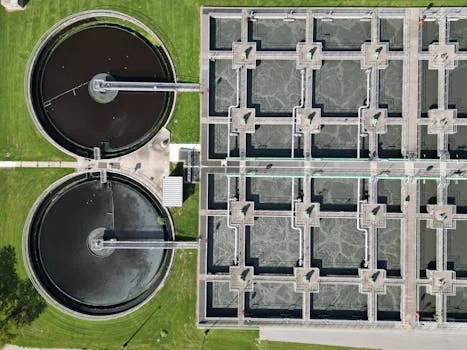
Accurately budgeting for an advanced wastewater treatment system requires a detailed understanding of its cost components, extending beyond the initial equipment purchase. For 2025, the advanced packaging wastewater treatment price is influenced by a complex interplay of Capital Expenditure (CAPEX), Operational Expenditure (OPEX), and often overlooked hidden fees. A comprehensive cost model is essential for packaging plant engineers and procurement teams to justify investments and ensure long-term financial viability.
CAPEX typically breaks down as follows: Equipment accounts for 60% of the total, installation and civil works for 25%, permitting and engineering for 5%, and a contingency fund for 10%. For example, a $500,000 MBR system would comprise approximately $300,000 for equipment, $125,000 for installation, $25,000 for permits, and $50,000 for contingency (HydropureWater estimates, 2025). The OPEX components are equally significant and include energy consumption (30–40%), chemical usage (20–30%), labor and operator costs (10–20%), maintenance and spare parts (10–15%), and sludge disposal (5–10%). For a 500 m³/day DAF system with an OPEX of $0.50/m³, the annual operating cost would be approximately $91,250.
Regional cost adjustments are also a crucial factor. Due to differences in labor rates, material costs, and supply chain logistics, pricing can vary significantly. For instance, projects in China might be 80% of the cost in the U.S., while European projects could be 120% of U.S. costs. The Middle East market might see costs 110% higher due to the increased use of corrosion-resistant materials required for harsh environmental conditions. These regional cost adjustments for wastewater treatment systems must be factored into any global procurement strategy.
Hidden fees can significantly inflate the total cost of ownership. Sludge disposal costs can range from $50 to $200 per ton, depending on local regulations and the sludge's dewaterability. For MBR systems, membrane replacement is a substantial recurring cost, potentially $10,000–$50,000 annually. Regular compliance testing, essential for regulatory reporting, can add $5,000–$20,000 per year. Efficient sludge dewatering, using equipment like the high-efficiency sludge dewatering press, can reduce sludge volume by 70–80%, leading to significant savings in disposal fees.
| Cost Category | Typical Percentage of Total CAPEX | Example Component Costs | Typical OPEX Component (per m³) | Example Annual OPEX (500 m³/day plant @ $0.50/m³) |
|---|---|---|---|---|
| CAPEX | ||||
| Equipment | 60% | DAF Unit: $50K–$180K MBR Module: $200K–$1M |
||
| Installation & Civil Works | 25% | Foundation, piping, electrical hookup | ||
| Permitting & Engineering | 5% | Design, environmental permits | ||
| Contingency | 10% | Unforeseen costs | ||
| OPEX | ||||
| Energy | 30–40% | Pumps, blowers, controls | $0.15–$0.40 | $41,760 – $73,080 |
| Chemicals | 20–30% | Coagulants, flocculants, disinfectants | $0.05–$0.15 | $13,920 – $41,760 |
| Labor & Operator Costs | 10–20% | Skilled personnel | $0.05–$0.10 | $6,960 – $13,920 |
| Maintenance & Spares | 10–15% | Pump seals, membrane cleaning | $0.05–$0.08 | $6,960 – $11,136 |
| Sludge Disposal | 5–10% | Haulage, dewatering | $0.05–$0.10 | $6,960 – $13,920 |
| Hidden Fees | ||||
| Sludge Disposal | N/A | $50–$200/ton | Varies | Significant, dependent on sludge volume and dewatering efficiency |
| Membrane Replacement (MBR) | N/A | $10K–$50K/year | Varies | $10K–$50K/year |
| Compliance Testing | N/A | $5K–$20K/year | Varies | $5K–$20K/year |
ROI Calculator: How to Justify Your Wastewater Treatment Investment
Justifying the investment in advanced wastewater treatment systems for packaging plants hinges on quantifying the return on investment (ROI). Beyond meeting regulatory compliance, these systems offer tangible financial benefits through water reuse, avoidance of fines, improved operational efficiencies, and reduced sludge disposal costs. A robust ROI calculation demonstrates the long-term value and payback period, aiding in budget approval and strategic planning.
Water reuse is a significant driver of ROI, particularly with MBR systems that can achieve 70–90% water recovery. For a plant treating 500 m³/day, assuming a water cost of $1/m³, the annual savings from reuse can amount to approximately $150,000 ($1/m³ * 500 m³/day * 365 days/year * 0.80 reuse factor). Regulatory fines avoided are a direct financial benefit. With potential fines ranging from $10,000 to $50,000 per violation, a plant facing 12 violations annually could save between $120,000 and $1.2 million by implementing a compliant treatment system.
Operational efficiencies also contribute to savings. For example, optimizing chemical dosing in a DAF system can reduce coagulant usage by 30–50% compared to older sedimentation methods, potentially saving $50,000 per year for a 500 m³/day plant. effective sludge dewatering using technologies like the high-efficiency sludge dewatering press can reduce sludge volume by 70–80%. This translates to annual savings of $20,000–$100,000 in disposal fees, especially when considering that dewatered sludge cake has 20–30% solids content, making it less expensive to transport and dispose of.
The fundamental ROI formula is: (Annual Savings - Annual OPEX) / CAPEX = ROI %. A system with $200,000 in annual savings and $100,000 in OPEX, against a $500,000 CAPEX, yields a 20% ROI, indicating a 5-year payback period. To facilitate this calculation, we provide a downloadable customizable ROI calculator spreadsheet template. Integrating water reuse capabilities with systems like the JY integrated water purification unit can further enhance these financial returns.
| Benefit Category | Example Savings (500 m³/day plant) | Notes |
|---|---|---|
| Water Reuse | $150,000/year | Assumes 80% reuse rate at $1/m³ water cost. |
| Regulatory Fines Avoided | $120,000 – $1.2M/year | Based on 12 violations/year at $10K–$50K per violation. |
| Chemical Usage Reduction (DAF) | $50,000/year | Assumes 30-50% reduction in chemical costs. |
| Sludge Disposal Cost Reduction | $20,000 – $100,000/year | Based on 70-80% volume reduction from dewatering. |
| Total Annual Savings (Example) | $340,000 – $1,500,000 | |
| ROI Calculation Example | ||
| CAPEX | $500,000 | |
| Annual OPEX | $100,000 | |
| Annual Savings | $400,000 (mid-range example) | |
| ROI (%) | 200% | ( ($400,000 - $100,000) / $500,000 ) * 100% |
| Payback Period (Years) | 0.5 Years | 1 / ROI % |
How to Select the Right System for Your Packaging Plant’s Wastewater
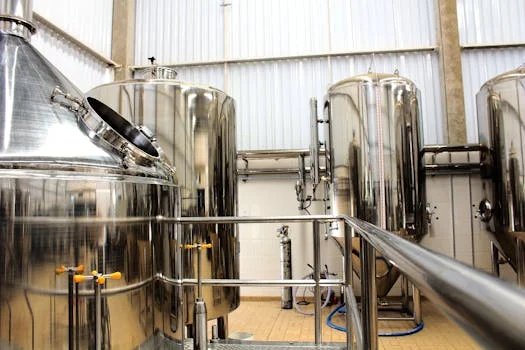
Choosing the optimal wastewater treatment system for a packaging plant involves a systematic approach that aligns wastewater characteristics, flow rates, regulatory requirements, and budgetary constraints with available technologies. This decision framework ensures that the selected system delivers effective treatment, compliance, and long-term value, directly impacting the advanced packaging wastewater treatment price you will ultimately pay.
Step 1: Profile Your Wastewater. The first critical step is to accurately characterize your wastewater. This involves measuring key parameters such as TSS, COD, BOD, pH, VOCs, and specific heavy metals (e.g., chromium from laminates or cadmium from inks). For instance, ink-heavy effluent with COD levels exceeding 2,000 mg/L will necessitate robust biological treatment, such as an MBR or a hybrid DAF+MBR system, to achieve the required COD reduction (HydropureWater field data, 2025). Understanding these specific contaminants is paramount.
Step 2: Determine Flow Rate. Wastewater flow rate dictates the size and capacity of the treatment system. Small packaging operations (<100 m³/day) might find compact DAF units or modular chemical dosing systems sufficient. Larger plants (>500 m³/day) typically require more sophisticated solutions like MBRs or integrated hybrid systems to handle the volume effectively. The flow rate directly influences CAPEX; a 50 m³/day DAF system might cost as little as $80,000, while a 500 m³/day MBR system can reach $1.2 million or more.
Step 3: Check Discharge Limits. Identify the specific discharge limits mandated by local, regional, and national environmental regulations, such as China’s GB 8978-1996 or the EU’s Industrial Emissions Directive. Stricter limits, especially for parameters like COD, BOD, TSS, and heavy metals, will necessitate more advanced treatment stages. For example, stringent VOC limits, often below 1 mg/L, may require dedicated technologies like air stripping or electrocoagulation, potentially adding to the overall system cost.
Step 4: Budget Constraints. Align your budget with the available technologies. Low CAPEX solutions ($50,000–$200,000) typically include chemical dosing and sedimentation or smaller DAF units. Mid-range budgets ($200,000–$1 million) can accommodate hybrid DAF+MBR systems or larger DAF installations. High-end budgets ($1 million+) allow for advanced MBR systems with comprehensive water reuse capabilities. Explore financing options, including leasing or potential government grants for environmental upgrades.
Step 5: Future-Proofing. Consider future needs, such as potential plant expansion, anticipated stricter environmental regulations, or the introduction of new packaging materials that may generate different wastewater contaminants. Modular systems offer scalability. For instance, an MBR system can be upgraded with Reverse Osmosis (RO) to address emerging contaminants like PFAS, ensuring long-term compliance and operational flexibility.
Frequently Asked Questions
What is the cheapest advanced packaging wastewater treatment system?
The lowest CAPEX option is typically chemical dosing combined with sedimentation, ranging from $50,000 to $200,000. However, for specific packaging wastewater challenges like adhesive removal, Dissolved Air Flotation (DAF) systems, priced between $80,000 and $300,000 for common flow rates, often provide better TSS removal (95–99%) and lower long-term OPEX.
How much does a DAF system cost for a packaging plant?
For a packaging plant, a 100 m³/day DAF system typically costs $80,000 to $120,000, while a larger 500 m³/day system can range from $200,000 to $300,000. OPEX for DAF systems generally falls between $0.15 and $0.30 per cubic meter, influenced by chemical consumption and energy usage.
Can MBR systems treat ink and adhesive wastewater?
Yes, Membrane Bioreactor (MBR) systems are highly effective for treating ink and adhesive wastewater, achieving 95–98% COD removal and handling high-strength effluents (COD >2,000 mg/L). While their CAPEX is higher, ranging from $500,000 to $2.5 million, they enable significant water reuse (70–90% recovery) and produce very high-quality effluent.
What are the hidden costs of wastewater treatment?
Key hidden costs to factor into your budget include sludge disposal fees, which can range from $50 to $200 per ton depending on dewaterability and local regulations. For MBR systems, membrane replacement is a recurring expense, potentially $10,000 to $50,000 annually. Annual compliance testing and reporting can also add $5,000 to $20,000.
How do I calculate ROI for a wastewater treatment system?
To calculate ROI, use the formula: (Total Annual Savings - Annual OPEX) / CAPEX = ROI %. For example, a $500,000 MBR system with $200,000 in annual savings (from water reuse, fines avoided, etc.) and $100,000 in OPEX would yield a 20% ROI, signifying a 5-year payback period.
Further Reading
Explore these in-depth articles on related wastewater treatment topics: