Why Pharmaceutical Wastewater in Malaysia Needs a Dedicated 2026 Treatment Train
Pharmaceutical wastewater treatment in Malaysia in 2026 must meet the Department of Environment (DOE) Industrial Effluent Regulations 2009 limits — typically Standard A (BOD ≤20 mg/L, COD ≤80 mg/L, TSS ≤50 mg/L) for catchment areas near water intake points. A canonical 2026 treatment train is: bar screening → flow equalization → DAF pre-treatment → MBR biological (or SBR for smaller plants) → AOP or activated carbon for API micropollutents → optional RO for reuse. CAPEX for a 100–500 m³/day plant ranges MYR 2.5–8 million, with OPEX of MYR 1.8–4.5 per m³ treated.
Standard B (BOD ≤50 mg/L, COD ≤200 mg/L, TSS ≤100 mg/L) applies to inland discharges outside sensitive catchments, but the 2024 amendments to the Environmental Quality Act 1974 schedule tightened monitoring frequency for high-tech industries in the Klang Valley, and Penang's Bayan Lepas, Kulim, Pasir Gudang, and Bandar Baru Bangi clusters now face quarterly compliance audits rather than half-yearly reviews (per DOE 2024 gazette, P.U.(A) 392). Malaysia hosts 300+ licensed pharmaceutical manufacturers contributing over RM3.2 billion in 2024 export value (per MATRADE 2024), dominated by API and biosimilar production. The wastewater signature is aggressive: COD 1,000–10,000 mg/L from synthesis streams, BOD/COD ratio 0.3–0.5 (moderately biodegradable), TDS 5,000–45,000 mg/L from solvent recovery, and recalcitrant APIs including ciprofloxacin, paracetamol, and diclofenac that survive conventional activated sludge (per Springer 2024 remediation data). This article scopes the process design, equipment selection, and CAPEX/OPEX reality for 2026 commissioning targets.
Influent Characterization: API Synthesis vs. Formulation Wastewater
API synthesis wastewater from fermentation and extraction operations generates a fundamentally different load than formulation rinsing effluent, and the 2026 treatment train must be matched to the dominant sub-stream or sized for synthesis-dominant worst case. A combined plant influent in Penang or Selangor typically runs COD 2,000–6,000 mg/L, BOD 800–2,500 mg/L, TSS 300–1,200 mg/L, TDS 8,000–25,000 mg/L, pH 3–10 with batch swings, and temperature 32–42°C from upstream reactors.
| Parameter | API Synthesis Effluent | Formulation Effluent | Combined Plant Influent (Typical) |
|---|---|---|---|
| COD (mg/L) | 3,000–10,000 | 300–1,500 | 2,000–6,000 |
| BOD₅ (mg/L) | 1,200–4,000 | 150–600 | 800–2,500 |
| BOD/COD ratio | 0.3–0.45 | 0.4–0.5 | 0.35–0.45 |
| TSS (mg/L) | 500–2,000 | 100–400 | 300–1,200 |
| TDS (mg/L) | 10,000–45,000 | 1,000–3,500 | 8,000–25,000 |
| pH | 2–11 (batch swings) | 5–9 | 3–10 |
| Temperature (°C) | 38–45 | 25–30 | 32–42 |
| Residual solvents | Methanol, acetone, DCM, IPA (200–1,500 mg/L) | Trace ethanol, IPA (<50 mg/L) | 100–600 mg/L |
| Recalcitrant APIs | Ciprofloxacin, diclofenac, beta-lactams | Paracetamol, vitamins | Mixed |
Synthesis effluent must be cooled from 38–45°C to below 35°C and pH-neutralized to 6.5–7.5 before biological treatment to protect nitrifying bacteria and avoid membrane fouling. Formulation wastewater alone (COD 300–1,500 mg/L) is often treatable with an integrated MBR membrane bioreactor alone, but synthesis wastewater needs Fenton or ozone pretreatment before biological steps (per Elsevier 2024 combined Fenton + biological chapter). Design for the synthesis-dominant worst case even if current production skews toward formulation, because batch campaigns shift the mix seasonally.
The 2026 Treatment Train: Step-by-Step Process Design for Malaysian Pharma Plants
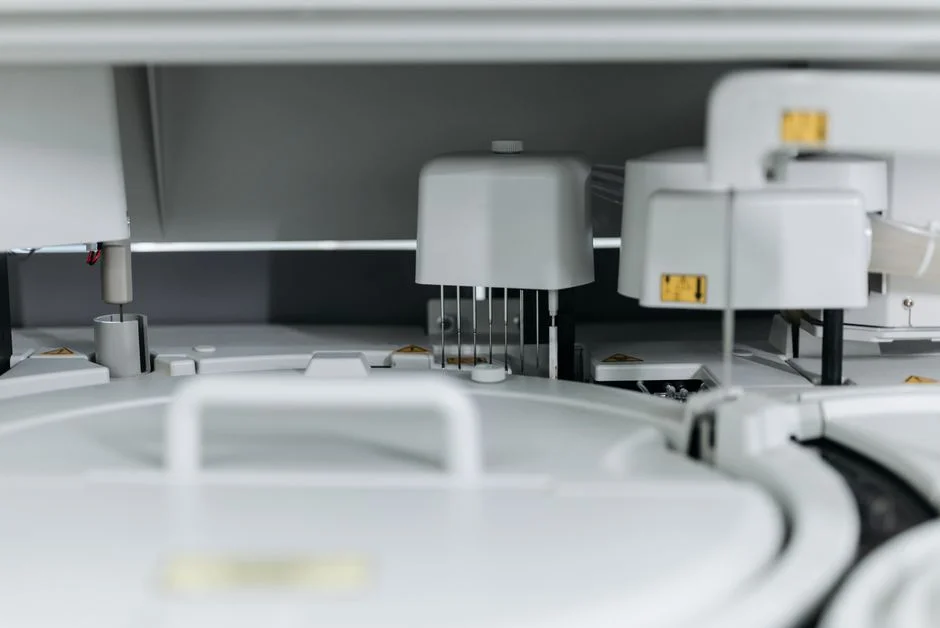
A 2026-compliant Malaysian pharma WWTP follows a four-stage architecture: pretreatment, primary biological, polishing, and sludge handling. Each step carries specific sizing logic for tropical ambient conditions and monsoon-driven flow variability.
Step 1 — Pretreatment. Install a rotary mechanical bar screen with 3–5 mm aperture to remove tablet fragments, packaging fibres, and rag wipe. Equalization follows for 8–12 hours of HRT to buffer monsoon surges (instantaneous flows can spike 2–3× the daily average in the November–February northeast monsoon). A DAF pre-treatment system with 30–50 m³/m² hydraulic loading then removes emulsified oils, fermentation residues, and floating solvents, typically cutting COD by 20–35% and TSS by 50–70% before the biological stage.
Step 2 — Primary biological selection. MBR with submerged PVDF membranes (0.1–0.4 μm nominal pore) is the default for plants ≥200 m³/day, operating at MLSS 8,000–12,000 mg/L, HRT 18–32 hours, and SRT 25–40 days to handle API recalcitrance. SBR suits 50–200 m³/day plants with simpler operation. MBBR works as a retrofit into existing basins where footprint expansion is constrained. Aeration basin sizing assumes year-round 28–32°C mixed liquor (no winter derating) and tanks must be covered to prevent monsoon dilution and photolysis of recalcitrant APIs.
Step 3 — Polishing. Fenton oxidation (H₂O₂/Fe²⁺ molar ratio 3:1 to 5:1, pH 3.0–3.5) or ozone (1–5 mg O₃ per mg residual COD) breaks recalcitrant APIs and lifts BOD/COD ratio into a more biodegradable range before discharge. Granular activated carbon polishes trace organics to below detection limits, and an industrial RO polishing system recovers 60–70% of the MBR permeate for CIP and cooling tower makeup under the PEJUT/Free Zone reuse rules.
Step 4 — Sludge handling. Waste activated sludge is thickened via DAF or gravity belt thickener, then dewatered with a plate-and-frame filter press to ≥22% dry solids for SW204-compliant disposal by a DOE-licensed contractor. Supernatant returns to headworks.
MBR vs SBR vs MBBR: Choosing the Right Biological Stage for a 2026 Malaysian Pharma Plant
The biological stage decision drives both CAPEX and OPEX for the next 15 years. MBR delivers the cleanest effluent and the smallest footprint; SBR wins on simplicity and lower capital; MBBR sits in the middle as a retrofit-friendly option.
| Criterion | MBR (Submerged PVDF) | SBR (Batch) | MBR / MBBR (Moving Bed) |
|---|---|---|---|
| Effluent COD (mg/L) | <50 | <80 | <100 |
| Effluent TSS (mg/L) | <1 | <20 | <30 |
| Total nitrogen (mg/L) | <15 | <20 | <25 |
| Footprint vs CAS | ~40% of CAS | ~60% of CAS | ~70% of CAS |
| CAPEX index (200 m³/d base = 1.0) | 1.3–1.5 | 0.7–0.9 | 0.9–1.1 |
| OPEX (MYR/m³, 200 m³/d) | 2.2–3.8 | 1.8–2.8 | 2.0–3.2 |
| Sludge yield (kg DS/kg COD) | 0.18–0.25 | 0.25–0.35 | 0.22–0.30 |
| Operator skill required | High (membrane chemistry) | Low–medium | Medium |
| Shock-load tolerance | Excellent (SRT 25–40 d) | Good (batch buffer) | Moderate |
| Water reuse compatibility | Direct to RO | Requires tertiary filtration | Requires tertiary filtration |
MBR's submerged membranes lock biomass at MLSS 8,000–12,000 mg/L and produce TSS <1 mg/L permeate — a level that lets a downstream RO run at <1 NTU feed without intermediate filtration. MBR's 60% smaller footprint versus conventional activated sludge is the deciding factor on space-constrained Penang and Subang sites (per Water 2022 review). The trade-off is membrane replacement: PVDF modules run MYR 280–400 per m² every 5–7 years, and aeration demand sits at 0.4–0.8 kWh/m³ — together accounting for 35–45% of OPEX. For plants below 150 m³/day with no reuse requirement, SBR delivers 25–35% lower CAPEX and a simpler operator interface. MBBR is the right call when retrofitting an existing aeration basin. For deeper CAPEX/OPEX analysis on MBR versus biofilm options, the MBR vs MBBR comparison for industrial applications article provides head-to-head data, and the MBR market forecast through 2030 gives equipment cost trajectories. Routine membrane care matters: follow the pharmaceutical wastewater plant maintenance protocol to keep OPEX within budget.
2026 CAPEX and OPEX: What a Malaysian Pharmaceutical WWTP Actually Costs
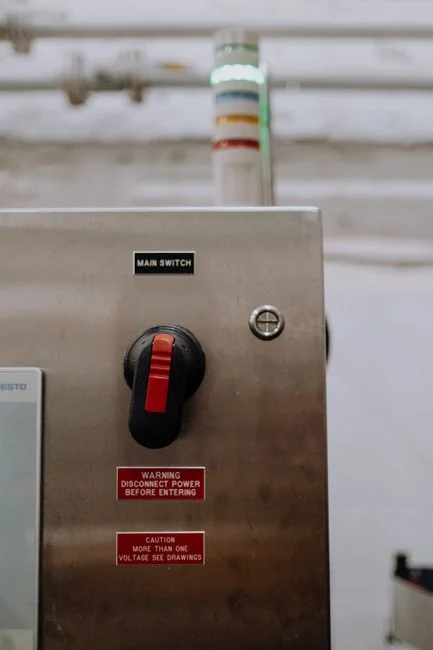
Budget figures in MYR for 2026 commissioning, inclusive of civil works, equipment, instrumentation, and commissioning. Costs reflect Malaysian labour, DOE compliance, and tropical construction conditions.
| Plant Capacity | CAPEX Range (MYR) | Typical Configuration | OPEX (MYR/m³) |
|---|---|---|---|
| 50 m³/day | 0.8–1.6 million | SBR + DAF + GAC | 3.0–4.5 |
| 200 m³/day | 3.5–6.5 million | MBR + DAF + Fenton/ozone | 2.2–3.8 |
| 500 m³/day | 8–14 million | MBR + DAF + AOP + RO polish | 1.8–3.0 |
| 1,000 m³/day | 16–28 million | Two-train MBR + RO + sludge dewatering | 1.5–2.5 |
OPEX for a 200 m³/day MBR plant breaks down as: electrical power 35–45% (dominated by aeration and membrane scour), membrane and carbon replacement 15–20%, chemical dosing (H₂O₂, FeSO₄, NaOH, antiscalant) 10–15%, SW204 sludge hauling by a DOE-licensed contractor at MYR 450–700 per ton 10–15%, and labour 10–15%. An automatic chemical dosing system typically cuts chemical OPEX by 8–12% through tighter control versus manual dosing. Cost multipliers specific to Malaysia: DOE EIA submission runs MYR 80,000–150,000, scheduled waste SW204 disposal adds MYR 450–700 per wet ton, and PEJUT/Free Zone reuse compliance can lift CAPEX 8–12% if treated water feeds back into manufacturing (per HydropureWater field data, 2026).
Frequently Asked Questions
What are the DOE Malaysia effluent limits for pharmaceutical wastewater in 2026? Standard A limits apply near water intake points: BOD ≤20 mg/L, COD ≤80 mg/L, TSS ≤50 mg/L, per DOE Industrial Effluent Regulations 2009 (with 2014 amendments and 2024 gazette P.U.(A) 392 tightening monitoring for high-tech industries). Standard B (BOD ≤50, COD ≤200, TSS ≤100) applies to inland discharges outside sensitive catchments.
Is pharmaceutical sludge classified as scheduled waste in Malaysia? Yes. API-laden biological sludge from pharmaceutical WWTPs is classified as SW204 under the Environmental Quality (Scheduled Wastes) Regulations 2005, and must be disposed of by a DOE-licensed contractor at MYR 450–700 per wet ton (HydropureWater field data, 2026).
What is the best biological treatment for a small Malaysian pharma plant under 150 m³/day? SBR (sequencing batch reactor) is the standard recommendation: 25–35% lower CAPEX than MBR at this scale, simpler operator interface, and adequate effluent quality (COD <80 mg/L) for Standard B discharge. MBR is preferred only when water reuse or Standard A discharge is required.
How much does a pharmaceutical WWTP cost in Malaysia? A 200 m³/day MBR plant with DAF and Fenton polishing costs MYR 3.5–6.5 million CAPEX with OPEX of MYR 2.2–3.8 per m³ treated. A 1,000 m³/day two-train MBR plant with RO polishing runs MYR 16–28 million CAPEX (HydropureWater field data, 2026).
Can treated pharmaceutical wastewater be reused in Malaysia? Yes, under DOE and PEJUT guidelines. MBR permeate followed by RO polishing typically achieves 60–70% recovery suitable for CIP rinsing and cooling tower makeup, though Free Zone and pharmaceutical-grade reuse applications require additional UF and validation steps that add 8–12% to CAPEX.