Why Pharmaceutical Wastewater Demands a Different Maintenance Approach
Pharmaceutical effluent typically carries COD between 1,000 and 15,000 mg/L with a BOD/COD ratio below 0.4, because recalcitrant active pharmaceutical ingredients (APIs) resist biological oxidation and shift the load balance away from the easily treatable organics that municipal plants are designed around. Batch production cycles swing flow and concentration by 3–10× across a single day, and CIP rinses from equipment cleaning send pH excursions between 2 and 11 into the sewer. Masood et al. (2023) reported that more than 60% of surveyed pharma plants worldwide experienced biological-stage upsets attributable to influent toxicity, the single most common failure mode in this sector. Regulatory pressure compounds the problem: EU GMP Annex 1 (2022 update), China GB 21904-2008, and US EPA pharma effluent limits all require documented maintenance evidence, meaning a fouled membrane or a missed sludge manifest is not just an operational issue but an audit finding. Generic municipal O&M templates do not cover API inhibition, ARG monitoring, or the audit trail GMP inspectors expect.
Influent Characterization and Pretreatment Maintenance
Front-end checks determine whether the rest of the treatment train survives a given batch. A rotary mechanical bar screen for headworks protection with 5–10 mm aperture is the minimum — pharmaceutical effluent regularly carries packaging fragments, filter-aid clays, and undissolved API crystals that would otherwise blind downstream pumps and aeration diffusers. Equalization is non-negotiable: specify submersible mixers verified for 8–24 hour HRT to dampen batch spikes before they reach the biology. A dissolved air flotation system for pharma pretreatment is required whenever TSS exceeds 500 mg/L or when fermentation residues carry oil and grease; operate at an air-to-solid ratio of 0.02–0.05 kg air/kg TSS and inspect the surface skimmer weekly. Inline pH and temperature probes with auto-clean every 6 hours protect the biology from CIP waste excursions, and a PLC-controlled chemical dosing for pH and coagulant control system should trim pH to 6.5–7.5 before the aeration basin. Daily screen inspections, weekly DAF checks, and continuous pH logging form the first line of defense for any pharmaceutical wastewater plant maintenance program.
| Pretreatment Parameter | Operating Range | Inspection Frequency |
|---|---|---|
| Bar screen aperture | 5–10 mm | Daily visual, weekly pressure-differential check |
| Equalization HRT | 8–24 hours | Mixer runtime log daily |
| DAF air-to-solid ratio | 0.02–0.05 kg air/kg TSS | Weekly skimmer and saturator inspection |
| Influent pH | 6.5–7.5 (post-correction) | Continuous with 6-hour probe auto-clean |
| Influent temperature | 15–35 °C | Continuous inline probe |
| TSS load to DAF | >500 mg/L triggers DAF duty | Daily composite sample |
Biological Treatment Stage: API Toxicity and Nitrification Control
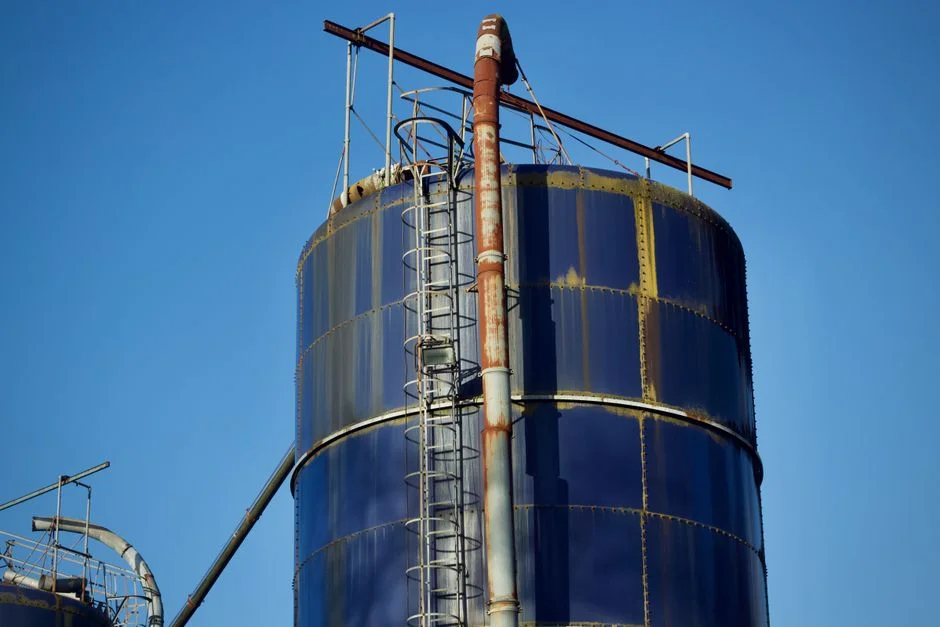
Conventional activated sludge in pharmaceutical service runs at MLSS 3,000–6,000 mg/L, while an integrated MBR membrane bioreactor for pharmaceutical wastewater operates higher at 8,000–12,000 mg/L MLSS to handle the elevated F/M. Hold F/M between 0.05 and 0.15 kg BOD/kg MLSS·day and maintain SRT at 15–30 days for partial nitrification, 30+ days for full nitrification to NH₄⁺-N below 5 mg/L at the effluent. Antibiotic inhibition is the dominant failure mode: β-lactams, macrolides, and tetracyclines suppress nitrifiers at shock loads above 100 mg/L, while solvents (methanol, acetone, isopropanol from CIP waste) disrupt floc structure and trigger pinpoint floc or bulking within 24–48 hours. Run respirometry or Microtox screening weekly and watch for two early warning signs — a rising effluent NH₃-N baseline with stable influent load, and a sudden 0.5–1.0 mg/L drop in basin DO at constant airflow. When a new API enters production, ramp feed in 10–20% load steps over 5–7 days to allow biomass acclimatization rather than shocking the population. Zhang et al. demonstrated that constructed wetlands downstream of the biological stage can polish recalcitrant APIs to non-detect levels, providing an option for plants near tight receiving-water bodies.
MBR Membrane Care: CIP Protocols and Flux Management
Pharma MBR flux is intentionally lower than municipal duty to mitigate rapid fouling. Hold 10–20 LMH rather than the 20–30 LMH typical of municipal plants, because API-rich effluent fouls membranes faster through adsorption and gel-layer formation. Establish a TMP baseline per module during commissioning (typically 0.2–0.5 bar at design flux); trigger CIP when TMP rises 20–30% above baseline or crosses 0.7 bar absolute, whichever comes first. DF series flat-sheet MBR membrane modules are individually replaceable, tolerate intermittent peak loads better than hollow fibers, and run lower aeration energy. The standard CIP sequence is a 0.5–2% NaOCl soak for 2–4 hours to oxidize organic fouling, a water rinse, then a 1–2% citric acid soak for 1–2 hours to dissolve inorganic scaling, finished with a final rinse until pH returns to feed-water value. Schedule a maintenance clean every 7–14 days and a recovery clean every 30–90 days depending on feed matrix aggressiveness. Continuous air-scour at 0.3–0.5 m³/m²·hr through the integrated aeration box is required at all times — loss of scour airflow is the leading cause of irreversible fouling. Always log TMP before and after each CIP; a recovered flux below 90% of clean-water flux is the trigger to plan a recovery soak or module replacement.
| Membrane Operating Parameter | Target / Limit | Action Trigger |
|---|---|---|
| Operating flux | 10–20 LMH | Lower flux if TMP rises 20%+ in 7 days |
| TMP baseline (clean) | 0.2–0.5 bar | Establish at commissioning per module |
| CIP trigger TMP | 0.7 bar absolute or +20–30% from baseline | Initiate CIP within 48 hours |
| NaOCl soak (organic CIP) | 0.5–2% for 2–4 h | Standard maintenance clean |
| Citric acid soak (scaling CIP) | 1–2% for 1–2 h | After NaOCl, when Ca/Mg scaling suspected |
| Maintenance clean interval | 7–14 days | Fixed schedule per feed matrix |
| Recovery clean interval | 30–90 days | Adjust based on flux recovery |
| Air-scour rate | 0.3–0.5 m³/m²·hr | Continuous, alarm on loss |
Sludge Handling and Hazardous Waste Compliance
Pharma biological sludge is classified as hazardous in most jurisdictions due to residual APIs, heavy-metal catalysts, and pathogenic risks. It is categorized as HW06 (organic solvent waste) or HW02 (waste from pharmaceutical production) under the China hazardous waste catalogue, and EWC 07 05 01* under the European List of Waste. Target 18–22% dry solids before transporting to a licensed incinerator; cake below 18% DS is uneconomical to haul and creates leachate risk in transit. A plate and frame filter press for pharma sludge dewatering achieves 22–28% DS in standard duty and is sized from the expected yield of 0.15–0.35 kg DS per kg COD removed. Stage sludge through a high-efficiency sedimentation tank for sludge thickening ahead of the press to cut press cycle time and chemical demand. Store cake in covered containers, transport on dedicated vehicles, and track each batch with a five-part hazardous-waste manifest. For regions without access to licensed incineration, the ionizing-radiation chapter (2022) describes sludge sterilization to below detection limits for pathogens and ARGs before secure landfilling.
2026 Compliance and Documentation Requirements
Every CIP cycle must be documented with date, chemical concentrations, TMP before and after, and recovered flux to satisfy EU GMP Annex 1 and FDA inspectors. Continuous online analyzers for COD, TOC, NH₃-N, pH, and conductivity at the effluent must log to a historian with a minimum 5-year data retention. Antibiotic resistance gene (ARG) monitoring has moved from research to regulation: EU and Chinese authorities added quarterly qPCR ARG screening to pharma effluent guidance between 2024 and 2026, with sul1, tetA, intI1, and blaTEM as the standard marker panel. Hold a critical-spare inventory: 2× of each membrane module type, 1× of each dosing pump, and a 48-hour delivery commitment for valves and instruments. Plan for pharma WWT maintenance OPEX at 8–15% of total plant operating cost. For related cost and equipment context, see this filter press selection and sizing for industrial sludge reference and the sludge dewatering equipment comparison and cost guide.
Preventive Maintenance Schedule Template
The following schedule is designed for direct integration into a CMMS or shift log. Daily entries take roughly 30 minutes of operator time; weekly entries take half a shift; monthly and quarterly tasks are scheduled during planned downtime windows. In 2026, best practice adds a weekly SCADA trend review against baseline TMP, MLSS, and effluent NH₃-N to catch drift before it becomes a CIP event or an audit finding.
| Frequency | Task | Record |
|---|---|---|
| Daily | Influent/effluent composite sampling, bar screen check, pH/temperature log, MLSS, TMP, aeration visual | Shift log with operator initials |
| Weekly | DAF skimmer inspection, dosing pump calibration, Microtox or respirometry toxicity screen, MBR aeration box check, sludge press cycle log | Calibration sheet + toxicity report file |
| Monthly | Full membrane CIP (NaOCl + citric acid), online analyzer calibration, sludge yield vs feed COD mass balance, spare parts audit | CIP record + mass balance spreadsheet |
| Quarterly | ARG qPCR monitoring, third-party effluent testing against COD <150 mg/L and TOC <50 mg/L, regulatory limit review, operator competency re-certification | Lab report + training records |
Frequently Asked Questions
How often should an MBR be CIP-cleaned in a pharmaceutical plant?
Maintenance clean every 7–14 days and recovery clean every 30–90 days, with the actual interval set by TMP trending — initiate CIP when TMP rises 20–30% above the 0.2–0.5 bar baseline or exceeds 0.7 bar absolute.
What API concentration inhibits nitrification?
Antibiotic shock loads above 100 mg/L suppress nitrifying bacteria within 24–48 hours; solvents from CIP waste disrupt floc structure at much lower thresholds, so feed acclimatization in 10–20% steps is the standard control.
Is pharmaceutical sludge hazardous waste?
Yes — HW06 or HW02 in China and EWC 0