What Makes Rubber Processing Effluent So Hard to Treat
On a typical morning shift at a natural-rubber concentrate plant, the equalization tank overflows when a batch of centrifuged latex serum arrives with COD above 10,000 mg/L and pH swinging between 4 and 9 — and the biological tank downstream stops nitrifying within hours. Rubber effluent is not "strong municipal wastewater"; it is a multi-stream problem that defeats a generic municipal design. A rubber processing effluent treatment plant must reconcile three fundamentally different waste streams in one train: dilute latex serum (high BOD/COD, ammonia 400–800 mg/L from protein breakdown, residual surfactant), coagulation-bath wastewater (sulfuric or formic acid plus zinc sulfate at 5–30 mg/L Zn), and wash/general service water (oils, rubber fines, cleaning chemicals). Combined influent for a mixed line typically lands at COD 2,000–8,000 mg/L, BOD₅ 800–3,500 mg/L, TSS 300–1,500 mg/L, oil & grease 100–600 mg/L, total nitrogen 100–400 mg/L, zinc 5–30 mg/L, and pH 4–10 across the day. The COD:N:P ratio is heavily carbon-dominated (often above 300:5:1) and lacks the nutrient balance activated sludge needs without supplementation. Surfactants and stabilizers from latex emulsions, plus vulcanization accelerator residues (MBT, CBS, thiurams), are recalcitrant and toxic to nitrifiers at low concentrations. Oils in the stream are shear-sensitive emulsions that re-stabilize after mechanical skimming, so dissolved-air flotation (DAF) — not a plate separator — is the workhorse removal step. The 1984 South African synthetic-rubber reference plant (per Law, 1984) combined pH adjustment, polyelectrolyte addition, chemical clarification and activated sludge; that baseline is still valid but is now typically preceded by DAF and finished with MBR or tertiary filtration rather than direct discharge.
| Parameter | Typical influent range | Design implication |
|---|---|---|
| COD | 2,000–8,000 mg/L (up to 12,000 in serum) | Requires biological stage with F/M 0.1–0.3 |
| BOD₅ | 800–3,500 mg/L | BOD:COD 0.4–0.5 — moderately biodegradable |
| TSS | 300–1,500 mg/L | DAF or lamella ahead of biology |
| Oil & grease | 100–600 mg/L | Shear-sensitive emulsion — DAF only |
| Total nitrogen | 100–400 mg/L | Need N supplementation or separate nitrification |
| Zinc | 5–30 mg/L | Precipitate at pH 9–10 before biology |
| pH | 4–10 (variable) | 8–24 h equalization essential |
Influent Characterization by Rubber Sub-Sector
The first sizing decision is identifying which sub-sector you operate, because the four common rubber lines differ in COD, zinc, and solids by an order of magnitude. Natural rubber latex concentrate (centrifuged) generates serum with COD 8,000–12,000 mg/L, ammonia 400–800 mg/L from protein breakdown, and high residual ammonia-based preservatives; this stream is the single biggest shock-load source in any rubber ETP. Dry rubber and crumb rubber operations produce wash water at COD 1,500–3,500 mg/L with high TSS from rubber fines (often 800–2,000 mg/L) but lower nitrogen and negligible zinc. Synthetic rubber lines (SBR, BR, IIR) generate COD 2,500–6,000 mg/L with elevated zinc (10–50 mg/L) from Ziegler–Natta or anionic catalyst residues, plus stable oil-in-water emulsions from coagulation bath carryover. Tire and retread plants combine high COD (3,000–7,000 mg/L) with significant particulate carbon black, curing residues, and hydraulic oils from bead and tread work. Match your plant to the closest row below before scaling any equipment — using a single composite number for all four will mis-size both your equalization tank and your biological reactor.
| Sub-sector | COD (mg/L) | TSS (mg/L) | Zinc (mg/L) | O&G (mg/L) | NH₃-N (mg/L) |
|---|---|---|---|---|---|
| Natural latex concentrate (centrifuged) | 8,000–12,000 | 200–600 | <2 | 50–200 | 400–800 |
| Dry rubber / crumb rubber | 1,500–3,500 | 800–2,000 | <3 | 100–300 | 20–60 |
| Synthetic rubber (SBR/BR/IIR) | 2,500–6,000 | 300–1,000 | 10–50 | 200–600 | 30–100 |
| Tire / retread | 3,000–7,000 | 500–1,500 | 5–20 | 300–700 | 50–150 |
Stage 1 — Source Segregation and Equalization
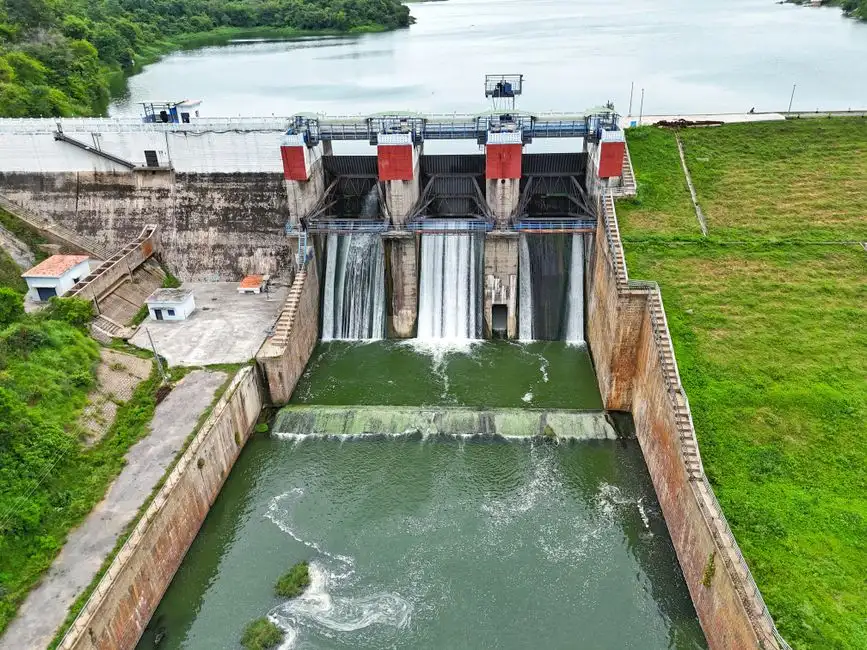
The cheapest performance gain in any rubber ETP is keeping high-strength streams away from the dilute ones. Parallel collection — a small-bore line for latex serum and coagulation-bath blowdown, a large-bore line for wash and service water — lets you size the biological reactor to the right composite load instead of the worst case. Equalization tanks for rubber plants are sized for 8–24 hours retention (longer if latex concentrate is the dominant stream) to dampen pH swings from 4 to 10 and absorb the slug discharge that follows each centrifuge cycle or coagulation batch. In tropical climates, latex serum above 35°C inhibits nitrification, so a heat exchanger or chilled equalization section is justified; in temperate sites a simple holding tank with a mechanical mixer and an aeration grid is sufficient. Inline screening ahead of the equalization pump protects downstream equipment from rubber fines and fiber; a rotary bar screen with 2–5 mm aperture is the standard choice, with screenings typically under 0.5% of total flow. The rotary mechanical bar screen with GX-style construction handles the fibrous and stringy material that wedge-wire screens miss, and is rated for the suspended-solids load common in crumb-rubber wash water.
Stage 2 — Physicochemical Pretreatment: DAF and Coagulation
DAF is the workhorse pretreatment for rubber effluent because it removes the contaminants that defeat downstream biology: emulsified oil, fine rubber particles, and colloidal organics. At hydraulic retention 20–40 minutes and an air-to-solid ratio of 0.02–0.05 kg air per kg solids, a properly sized DAF achieves 85–95% oil and grease removal, 60–80% TSS removal, and 30–50% COD removal before the biological stage. The DAF series is built for this duty, with capacities from 4 m³/h for small crumb-rubber lines to 300 m³/h for integrated tire plants, allowing direct scale-up from pilot to full plant without re-engineering. Coagulant selection drives the result: polyaluminum chloride (PAC) at 50–200 mg/L destabilizes the colloidal rubber and surfactant complexes, while anionic polyacrylamide at 1–5 mg/L bridges the floc; chitosan has been demonstrated as a natural alternative with comparable performance in published rubber-effluent studies (per ILCPA Vol. 81, doi 10.18052/www.scipress.com/ILCPA.81.1). DAF pretreatment must be paired with automatic chemical dosing for coagulation because rubber effluent flow and concentration vary hour to hour; manual dosing cannot hold the coagulant-to-solids ratio within the 5–10% band that stable floc formation requires. pH correction to 6.5–7.5 is critical before biology — uncoagulated latex serum at pH 4 will kill nitrifiers within two sludge ages. Zinc precipitation is handled in a dedicated contact chamber: raise pH to 9–10 with lime dosing, hold 15–20 minutes, then settle or float to bring zinc from 5–30 mg/L down to <2 mg/L before the aerobic stage.
Stage 3 — Secondary Biological Treatment: SBR vs MBR vs Conventional Activated Sludge
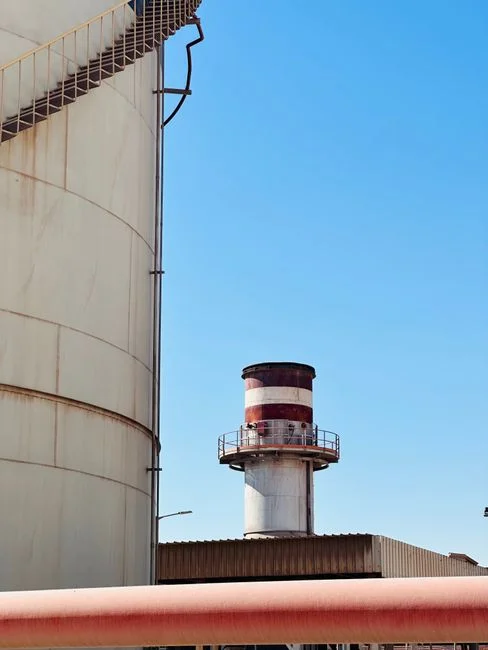
The biological stage takes DAF effluent (typically COD 800–3,000 mg/L after physicochemical reduction) down to a discharge- or reuse-quality level, and the technology choice is driven by capacity, footprint, and the reuse percentage your site needs. Conventional activated sludge — the 1984 reference design — is robust and low-CAPEX but produces effluent at COD 100–200 mg/L with TSS 20–40 mg/L, which fails most 2026 discharge limits without tertiary polishing and consumes a large footprint. Sequencing batch reactors (SBR) handle the shock loads inherent in batch latex discharge through flexible cycle programming: fill, react, settle, decant in a single tank, with COD removal of 90–95% at MLSS 3,000–5,000 mg/L and a footprint roughly 40% smaller than continuous-flow CAS at the same capacity. Membrane bioreactors (MBR) combine activated sludge with submerged PVDF membranes at 0.1 μm pore size, delivering COD ≤50 mg/L and TSS ≤5 mg/L — directly reuse-quality water — at 60% smaller footprint than CAS and 10–20× lower energy than external cross-flow designs (per the DF series MBR membrane bioreactor module spec). For sites targeting 60–80% water reuse or discharge below COD 80 mg/L, MBR is the 2026 reference; for plants discharging to a municipal sewer without reuse pressure, SBR typically wins on CAPEX payback in the 500–2,000 m³/day band. The documented 1,200 m³/day reference rubber ETP sits squarely in the band where hybrid SBR + MBR is increasingly common for tier-1 rubber exporters who must meet both discharge and reuse requirements. For an objective side-by-side, see the MBR vs conventional activated sludge comparison; for membrane care, the flat sheet MBR maintenance guide covers the cleaning-in-place protocol that keeps rubber-fouled membranes productive. A packaged MBR biological treatment system is the most common 2026 turnkey selection for sites under 1,000 m³/day.
| Criterion | Conventional AS | SBR | MBR |
|---|---|---|---|
| Effluent COD (mg/L) | 100–200 | 60–120 | ≤50 |
| Effluent TSS (mg/L) | 20–40 | 15–30 | ≤5 |
| Footprint vs CAS | 1.0× | 0.6× | 0.4× |
| Reuse suitability | None / cooling only | Limited | Direct RO feed |
| CAPEX ($/m³/day) | Low | Medium | High |
| Shock-load tolerance | Poor | Excellent (cycle control) | Good with equalization |
| Best capacity range | >2,000 m³/day, no reuse | 200–2,000 m³/day | 100–5,000 m³/day, reuse required |
Stage 4 — Tertiary Polishing, Disinfection and Water Reuse
After MBR, treated effluent is already at reuse quality for many process duties, but a polishing step protects downstream reverse-osmosis membranes and removes residual turbidity below 1 NTU. Dual-media filtration (anthracite over sand, or sand over garnet) is the standard 2026 polish; it also stabilizes SDI to below 3, which is the operating envelope most RO vendors require. Reverse osmosis then concentrates dissolved solids for boiler feed, tire-curing wash, or deminerialized process water, with recovery of 65–75% and a concentrate stream sent to evaporation or crystallization if the site is zero-liquid-discharge. Disinfection uses chlorine dioxide rather than free chlorine because rubber effluent often carries residual amines that form trihalomethanes with chlorine; ClO₂ provides residual-free microbial control at 50–200 g/h for small plants scaling to 20,000 g/h industrial units, and meets both EU Drinking Water Directive 98/83/EC microbial parameters and WHO guidelines for non-potable reuse. Sludge from the DAF, biological, and tertiary stages converges on a plate and frame filter press for rubber sludge; raw sludge at 2–4% dry solids, conditioned with 3–6 kg polymer per ton dry solids, presses to 25–35% dry cake that can be landfilled or, in some jurisdictions, incinerated with energy recovery. The filter press installation guide covers the 2026 commissioning sequence that prevents hydraulic shock to the plates. A packaged RO unit such as the reverse osmosis water purification system with chlorine dioxide generator closes the reuse loop.
2026 CAPEX and OPEX Benchmarks for a Rubber Effluent Treatment Plant
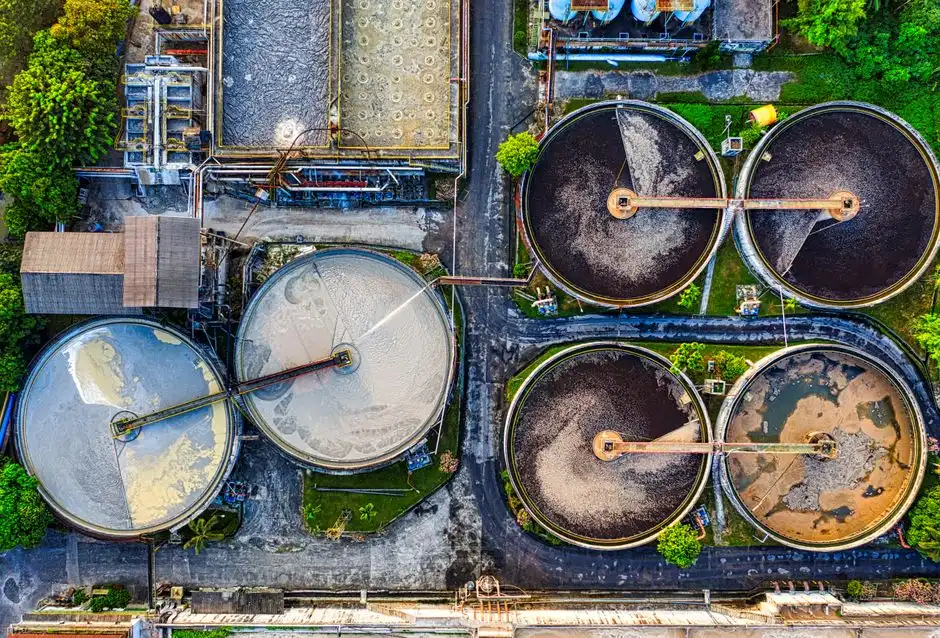
Budget numbers for 2026 depend primarily on hydraulic capacity and reuse percentage, not on the rubber sub-sector — the equipment train is similar across latex concentrate, crumb, synthetic, and tire plants once equalization and DAF are sized. For a turnkey plant including civil, mechanical, biological, tertiary, and basic instrumentation, CAPEX in 2026 runs $150K–$400K for 100–500 m³/day, $450K–$1.2M for 500–1,500 m³/day (the band that contains the 1,200 m³/day reference plant), and $1.2M–$3.5M for 1,500–5,000 m³/day. OPEX for the same plants runs $0.35–$0.75 per m³ treated in 2026, distributed roughly as energy 25–35%, coagulant and polymer 20–30%, sludge handling 15–25%, and labor and maintenance 15–20%. Sludge volume is a frequently under-budgeted line: expect 0.8–1.5 kg dry solids per m³ treated, and hauling cost is the single largest avoidable OPEX — a well-sized plate press typically pays back in 12–18 months by eliminating off-site sludge transport. The PAC dosing cost optimization guide documents 20–49% coagulant cost reduction from real-time dose control, with dosing-system payback typically under 12 months. For Western and Eastern market anchors, see the 2025 cost breakdowns for Manchester and Moscow; both remain representative 2026 reference points for labor and civil costs.
| Capacity (m³/day) | CAPEX range (USD, 2026) | OPEX (USD/m³) | Typical reuse % |
|---|---|---|---|
| 100–500 | $150K–$400K | $0.55–$0.75 | 40–60% |
| 500–1,500 | $450K–$1.2M | $0.40–$0.60 | 60–75% |
| 1,500–5,000 | $1.2M–$3.5M | $0.35–$0.50 | 70–80% |
| ZLD (any size) | ~2× biological train | $1.20–$2.00 | 95%+ |
2026 Discharge Compliance and Reuse Standards
Discharge limits are set by jurisdiction, and the technology choice must match the most stringent applicable limit, not the easiest one. In India, the CPCB rubber industry effluent standards require COD <100 mg/L, BOD <30 mg/L, TSS <50 mg/L, oil & grease <10 mg/L, and zinc <2 mg/L for surface discharge, with tighter zero-discharge-zone requirements where groundwater protection overlays apply. The EU Industrial Emissions Directive 2010/75/EU and its BREF for waste processing set COD 100–125 mg/L, TSS 30–60 mg/L, and hydrocarbon oils <5 mg/L for plants in scope, with reuse aligned to EU 2020/2184 drinking water requirements. China's GB 27632-2011 for rubber products industrial effluent allows COD ≤300 mg/L for existing plants and ≤100 mg/L for new plants, zinc ≤5 mg/L, and ammonia ≤30 mg/L. Reuse destinations typically reference the WHO 2006 guidelines for non-potable reuse plus regional industry-specific standards (e.g., IS 10500 for India process water). For African rubber-processing hubs, see the Kenya NEMA industrial effluent regime and the Egypt EEAA 2026 heavy-metals discharge standards; both align broadly with EU limits and require zinc precipitation plus MBR-grade polishing. The Kenya NEMA industrial effluent compliance reference covers sub-Saharan discharge limits.
| Region / standard | COD (mg/L) | BOD (mg/L) | TSS (mg/L) | O&G (mg/L) | Zinc (mg/L) |
|---|---|---|---|---|---|
| India CPCB (rubber industry) | <100 | <30 | <50 | <10 | <2 |
| EU IED 2010/75/EU (BREF) | 100–125 | — | 30–60 | <5 | — |
| China GB 27632-2011 (new plants) | ≤100 | — | — | — | ≤5 |
| China GB 27632-2011 (existing plants) | ≤300 | — | — | — | ≤5 |
| Kenya NEMA / Egypt EEAA | ≤100 | ≤30 | ≤50 | ≤10 | ≤2 |
Decision Framework: Matching Process Train to Your Rubber Plant
Selection reduces to four patterns once the sub-sector, discharge limit, and reuse target are fixed. If your site produces natural latex concentrate and discharges to a municipal sewer, DAF + SBR + dual-media filtration + chlorination is the cost-optimized baseline and lands in the $450K–$1.2M CAPEX band for 500–1,500 m³/day. If you need 60–80% water reuse at a tire or synthetic rubber plant, DAF + MBR + RO + ClO₂ is the 2026 reference design and the only configuration that simultaneously meets discharge, reuse, and zinc limits. If your site is zero-liquid-discharge, add evaporation/crystallization after the RO concentrate — CAPEX roughly doubles but discharge risk is eliminated and OPEX rises to $1.2–$2.0 per m³. If capacity is under 200 m³/day or the site is remote, a packaged underground ETP with A/O biological contact oxidation is a low-CAPEX alternative requiring no dedicated operator. Final rule: pick the lowest-cost train that meets the most stringent limit among your discharge, reuse, and ZLD obligations — over-spec'ing a discharge-only site with MBR+RO is the most common 2026 budgeting mistake.
| Sub-sector / site condition | Recommended process train | CAPEX band (USD) |
|---|---|---|
| Latex concentrate, sewer discharge | DAF + SBR + filtration + ClO₂ | $450K–$1.2M |
| Tire / synthetic, 60–80% reuse | DAF + MBR + RO + ClO₂ | $1.2M–$3.5M |
| ZLD site (any sub-sector) | DAF + MBR + RO + evaporator/crystallizer | ~2× biological train |
| Small/remote site (<200 m³/day) | Packaged underground ETP (A/O) | $80K–$250K |
Frequently Asked Questions
What influent COD is typical for a rubber processing effluent treatment plant? COD runs 2,000–8,000 mg/L for a general mixed rubber facility, but the centrifuged latex serum stream alone can spike to 12,000 mg/L — match the composite number to your sub-sector before sizing the biological stage (see the influent table above).
Can MBR handle rubber effluent directly? No. Raw rubber effluent will foul submerged PVDF membranes within days; DAF pretreatment with proper coagulant dosing is mandatory, and an equalization tank ahead of MBR is strongly recommended to buffer shock loads.
Is ZLD feasible for a rubber plant? Yes, via RO followed by evaporator or crystallizer, but expect CAPEX roughly 2× a conventional biological train and OPEX of $1.2–$2.0 per m³; the trade-off is elimination of any discharge risk in zero-discharge jurisdictions.
How much water can a rubber factory reuse? With MBR + RO polishing, 60–80% reuse is realistic; the remainder is brine concentrate (sent to evaporation or crystallizer) and sludge press water (recycled to head of plant).
What is the smallest economical rubber ETP capacity? 50 m³/day is the practical lower bound; below that, a packaged underground unit such as the WSZ series typically outperforms a custom build on both CAPEX and operator hours.