Why Iranian Food Processors Face a Unique Wastewater Challenge
Iran withdraws over 85% of its renewable freshwater for agriculture in the central and southern basins, which the World Bank classifies as stressed-to-scarce (per the Al-Saidi 2024 circular-economy review). Al-Saidi's 2024 assessment also confirms that treated wastewater reuse in Iran is not yet systematic: industrial discharge infrastructure exists at most plants, but reuse pipelines, storage, and contract structures lag. The 2024-2026 policy direction from the Iran Department of Environment (DOE) and the Ministry of Energy is to close that gap by tightening effluent limits and pushing treated effluent into agricultural reuse schemes, especially around Kerman, Khuzestan, and the Caspian littoral. For a food processor this means the design target has shifted from "meet the discharge consent" to "produce reusable water" — a 30-50% higher bar in practice. DOE 2010 effluent standards, referenced through ISIRI 10868, apply uniformly to dairy, date, edible oil, sugar, and beverage discharges, and provincial DOE offices monitor at the outfall. A DAF system sized against the actual FOG load — not the nameplate flow — is the first decision that determines whether the downstream biological stage can hit those limits.
Food Processing Wastewater Characteristics by Sub-Sector in Iran
Influent strength drives the design envelope, and the four major Iranian sub-sectors span a 50× range in COD. Dairy plants typically run 2,000-8,000 mg/L COD with a BOD/COD ratio near 0.6 and FOG up to 1,500 mg/L — biologically friendly but FOG-bound. Date processing effluent in Kerman and Sistan-Baluchestan hits 5,000-15,000 mg/L COD with high sugar content and seasonal peaks 3-5× the annual average flow during the August-October harvest. Edible oil refineries produce the strongest stream: COD 5,000-25,000 mg/L with FOG 2,000-10,000 mg/L, much of it emulsified and resistant to gravity separation. Sugar mill wastewater is moderate at 3,000-8,000 mg/L COD but arrives hot (35-45°C) and carries sulfate from beet processing that demands attention in anaerobic design. Beverage and soft-drink lines are the lightest at 500-2,500 mg/L COD but carry high sugar and color loads. TSS across all sub-sectors runs 500-5,000 mg/L with significant daily and seasonal variability.
| Sub-sector | COD (mg/L) | BOD (mg/L) | FOG (mg/L) | TSS (mg/L) | pH | Temperature (°C) | Key design driver |
|---|---|---|---|---|---|---|---|
| Dairy | 2,000-8,000 | 1,200-5,000 | 200-1,500 | 500-2,000 | 6-9 | 20-30 | FOG capture before acidification |
| Date processing | 5,000-15,000 | 3,000-9,000 | <200 | 800-3,000 | 4-8 | 25-35 | Seasonal 3-5× peak equalization |
| Edible oil refinery | 5,000-25,000 | 2,500-12,000 | 2,000-10,000 | 500-2,500 | 5-9 | 30-45 | Emulsified FOG, hot influent |
| Sugar mill | 3,000-8,000 | 1,800-4,500 | <300 | 1,000-5,000 | 6-9 | 35-45 | High temperature, sulfate |
| Beverage / soft drink | 500-2,500 | 300-1,500 | <100 | 200-800 | 6-8 | 15-25 | Color, sugar |
Iran DOE 2010 Effluent Standards: What Your Plant Must Meet
DOE 2010 sets the binding numbers for any food processor discharging to surface water, irrigation channels, or coastal waters: BOD ≤30 mg/L, COD ≤100 mg/L, TSS ≤30 mg/L, FOG ≤10 mg/L, and pH 6-9. Heavy metals are usually not the bottleneck for food streams, but mercury and chromium limits still apply if cleaning chemicals carry them. Plants routing treated effluent to agricultural reuse must additionally meet fecal coliform ≤200 MPN/100 mL per DOE 2010 Annex III and the ISIRI 10868 irrigation parameter set. Discharge into the Caspian basin or the Persian Gulf coastal zones triggers tighter nitrogen and phosphorus expectations (typically TN ≤15 mg/L and TP ≤2 mg/L) and triggers more frequent DOE sampling. Enforcement is delegated to provincial environmental offices with monitoring at the outfall and an escalating fine-and-shutdown regime for non-compliance. Building a 20% safety margin into the design — that is, designing for COD ≤80 mg/L rather than the 100 mg/L ceiling — is the cheapest insurance against seasonal excursions and the first audit visit after commissioning.
| Parameter | Surface discharge limit | Irrigation reuse limit | Caspian / Gulf coastal zone |
|---|---|---|---|
| BOD (mg/L) | ≤30 | ≤30 | ≤20 |
| COD (mg/L) | ≤100 | ≤100 | ≤80 |
| TSS (mg/L) | ≤30 | ≤30 | ≤20 |
| FOG (mg/L) | ≤10 | ≤10 | ≤5 |
| pH | 6-9 | 6-9 | 6.5-8.5 |
| Fecal coliform (MPN/100 mL) | — | ≤200 | ≤100 |
| Total nitrogen (mg/L) | — | — | ≤15 |
| Total phosphorus (mg/L) | — | — | ≤2 |
Process Train Design: DAF + Biological + MBR Polishing
Three stages, each earning its place by removing a specific risk downstream. Stage 1 is DAF: a DAF system operating at 4-25 m³/m²/h hydraulic loading with 30-80 μm micro-bubbles achieves 90-95% FOG removal and 85-92% TSS removal in food service applications (per Springer 2021, Chapter 9). That front-end capture matters because FOG that slips into the biological stage coats biomass, kills anaerobic consortia, and turns a manageable plant into a chronic underperformer. Stage 2 is biological: an upflow anaerobic sludge blanket (UASB) or internal circulation (IC) reactor for high-COD effluents (dairy, date, edible oil) running at hydraulic retention time (HRT) 6-24 h and achieving 70-85% COD reduction, or an anoxic/aerobic (A/O) train for lower-strength beverage effluent. Stage 3 is membrane bioreactor (MBR) polishing with submerged PVDF membranes at 0.1-0.4 μm pore size, driving final COD below 50 mg/L and suspended solids near zero — see the HydropureWater MBR system for a pre-engineered skid. Disinfection follows with a HydropureWater ClO₂ generator dosing 1-2 mg/L residual to satisfy the fecal coliform limit for irrigation. An automatic chemical dosing system handles pH correction between stages and coagulant feed to the DAF. Sludge from the DAF float and the MBR waste stream is dewatered with a plate and frame filter press to 22-28% dry solids for off-site disposal or land application. Full flow: DAF → equalization → anaerobic or A/O → MBR → ClO₂ → sludge press. For detailed membrane economics on a similar Polish food plant, see this MBR effluent reuse benchmark (2026).
DAF, SBR, and MBR Compared: Which Process Wins for Iranian Food Plants
DAF is pre-treatment, not full treatment — and that confusion costs Iranian plants years of compliance headaches. The real choice is between sequencing batch reactor (SBR), conventional activated sludge + settling, and MBR for the biological-to-polish step, and against the constraints Iranian plants actually face: land cost in industrial zones, operator skill level, variable seasonal loads from date and edible oil processors, and the need to reuse effluent in a water-stressed basin. SBR offers the lowest CAPEX of the three but a larger footprint, less stable effluent under the 3-5× peak loads seen in date processing, and operator-intensive cycle control. MBR delivers the best effluent quality and the smallest footprint (about 30-40% the area of SBR at equivalent load) but membrane replacement runs ~5-8% of CAPEX annually and demands a stable aeration regime. The hybrid that wins for high-strength Iranian food effluents is anaerobic (UASB or IC) ahead of MBR, because the anaerobic stage absorbs the COD shock and the MBR polishes reliably to reuse grade. For a closer look at MBR running costs on a 500 m³/day food plant, see this MBR OPEX breakdown (2026), and for sub-sector-specific DAF design the DAF design for sugar mill effluent guide (2026) is a useful reference. The DF-series MBR module targets plants retrofitting existing basins.
| Criterion | DAF (alone) | SBR | MBR (with DAF upstream) |
|---|---|---|---|
| Effluent COD (mg/L) | 800-3,000 | 60-100 | <50 |
| Effluent TSS (mg/L) | 100-300 | 20-40 | <2 |
| Footprint (relative) | Small | Large | 30-40% of SBR |
| Energy (kWh/m³) | 0.05-0.15 | 0.4-0.7 | 0.6-1.1 |
| Operator skill | Low | Medium-high | Medium |
| CAPEX (500 m³/day, USD) | $40,000-$90,000 | $120,000-$220,000 | $220,000-$420,000 |
| OPEX (USD/m³) | $0.05-$0.12 | $0.18-$0.35 | $0.30-$0.55 |
| Reuse-ready effluent | No | Borderline | Yes |
2026 CAPEX and OPEX Benchmarks for Iranian Food Plants
Budget figures for a 500 m³/day food plant: turnkey CAPEX lands between $180,000 and $420,000 depending on whether the target is surface discharge or full irrigation reuse, and on the sub-sector strength. Edible oil and date processing sit at the top of the range because of stronger influent and tighter equalization; beverage plants sit at the bottom. OPEX runs $0.18-$0.55 per m³ treated, driven mostly by aeration energy (40-60% of OPEX) and chemical dosing. MBR membrane replacement is a known line item: $8-$18 per m² of installed membrane, on a 7-10 year cycle. Sludge handling adds $25-$60 per dry ton of dewatered cake. Iranian projects benefit from rial-denominated labor and civil works but carry import duties on membrane modules and skidded equipment, which can add 15-25% to the equipment portion of the bill. For CAPEX benchmarking on a parallel seafood-processing application, see the filter press CAPEX for food processing guide (2026).
| Cost line | Bench (low) | Bench (high) | Notes |
|---|---|---|---|
| Turnkey CAPEX, 500 m³/day, surface discharge | $180,000 | $280,000 | DAF + A/O + clarifier |
| Turnkey CAPEX, 500 m³/day, reuse-ready | $280,000 | $420,000 | Anaerobic + MBR + ClO₂ |
| OPEX (USD/m³) | $0.18 | $0.55 | Aeration is 40-60% of OPEX |
| MBR membrane replacement (USD/m²) | $8 | $18 | 7-10 year replacement cycle |
| Sludge dewatering (USD/dry ton) | $25 | $60 | 22-28% DS cake |
| Import duty on membrane modules | +15% | +25% | Of equipment line |
Selecting Equipment and a Supplier for Your Iranian Project
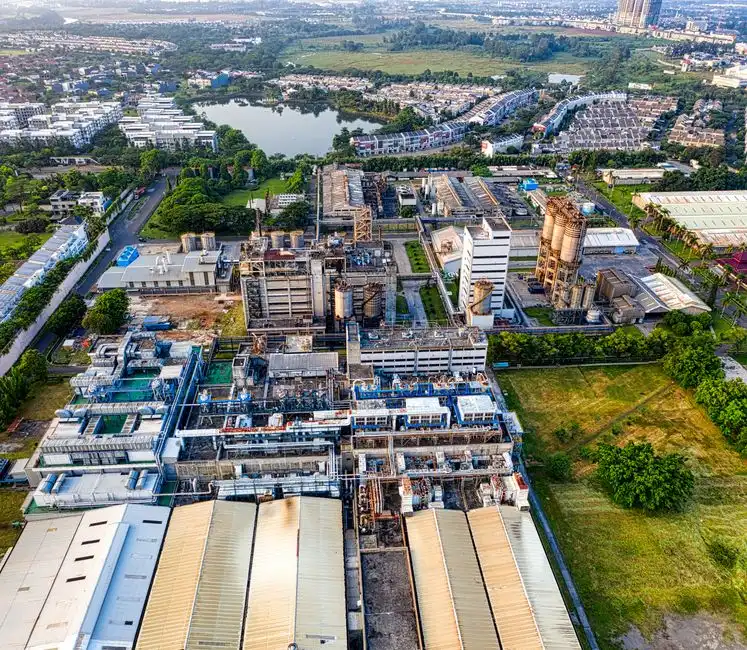
Five criteria separate reliable suppliers from the rest on Iranian projects. First, documented food-processing references in the Middle East or Central Asia — not generic municipal references, because food effluent behavior is different. Second, DAF and MBR equipment sized against pilot data on your actual influent, not nameplate flow at clean water conditions. Third, confirmed spare-parts inventory and a regional warehouse or local service partner, since membrane module lead times from East Asia run 6-10 weeks. Fourth, CE and ISO 9001 certification, and warranty terms in writing for membrane modules (look for pro-rata coverage beyond year two). Fifth, integration scope: pre-engineered skids that combine the DAF system with a HydropureWater MBR system, automatic chemical dosing, and sludge dewatering shorten commissioning and reduce interface risk between vendors.
Frequently Asked Questions
What is the Iran DOE 2010 effluent limit for COD in food processing discharge?
100 mg/L for surface discharge, dropping to 80 mg/L for plants discharging into the Caspian basin or Persian Gulf coastal zones per DOE 2010 Annex III. Designers should target 80 mg/L as a working number to absorb seasonal excursions.
Which treatment train is most common for high-strength dairy wastewater in Iran?
DAF for FOG and TSS removal upstream of a UASB or IC anaerobic reactor, followed by an MBR polishing stage and chlorine dioxide disinfection — the hybrid that reliably produces reusable effluent from a 5,000-8,000 mg/L COD dairy influent.
How much does a 500 m³/day food wastewater treatment plant cost in 2026?
Turnkey CAPEX ranges from $180,000 for a surface-discharge design to $420,000 for a reuse-ready plant, with OPEX between $0.18 and $0.55 per m³ treated (HydropureWater field data, 2026).
Can treated food processing effluent be reused for irrigation in Iran?
Yes, provided the plant meets DOE 2010 Annex III requirements: BOD ≤30 mg/L, COD ≤100 mg/L, TSS ≤30 mg/L, and fecal coliform ≤200 MPN/100 mL — typically achieved with anaerobic + MBR + chlorine dioxide polishing.