A qualified wastewater treatment plant supplier in Jordan for 2026 should deliver MBR, SBR, MBBR, or packaged systems that meet Jordan MoEnv industrial discharge limits of BOD ≤60 mg/L, COD ≤150 mg/L, and TSS ≤60 mg/L. HydropureWater supplies MBR systems (10–2,000 m³/day), WSZ package plants (1–80 m³/h), and DAF pretreatment (4–300 m³/h) with PLC automation and factory acceptance testing for Jordanian industrial and municipal projects.
What Jordanian Industrial Buyers Actually Need in 2026
Jordan's renewable water supply sits below 100 m³ per capita per year — among the five most water-scarce countries on earth (per MWI 2024 National Water Strategy update). That single statistic is why every industrial and municipal buyer evaluating a wastewater treatment plant supplier in Jordan is, in practice, also evaluating a water reuse supplier. The equipment has to deliver effluent clean enough to irrigate, cool, or recycle back into the process, not merely clean enough to discharge to a wadi.
Three buyer profiles dominate the 2026 RFQ pipeline. Industrial facility owners in Sahab, Zarqa, and Aqaba industrial zones — running textile, food processing, dairy, pharmaceutical, and tanning operations — typically need 50–500 m³/day of treatment with strict discharge compliance and minimal on-site operator skill. EPC contractors delivering turnkey plants for these owners need suppliers who can ship containerized or skid-mounted systems, attend FAT, and commission on a tight site schedule. Municipal and refugee-host community projects funded by donors (GIZ, EBRD, USAID) run larger flows of 1,000–20,000 m³/day with 12–24 month delivery windows and bilingual documentation.
The enforcement picture tightened meaningfully between 2022 and 2024. MoEnv inspection frequency on Sahab and Zarqa industrial zone discharges roughly doubled after the 2023 National Water Strategy refresh, and penalty schedules for non-compliance now reach JOD 10,000–50,000 per violation event (per MoEnv enforcement bulletin, 2024-09). For a procurement lead building a 2026–2027 project, the typical decision window is 3–6 months from RFQ issuance to commissioning for an industrial plant, and 12–24 months for a municipal turnkey package. The remainder of this guide is built around that decision window.
Jordan MoEnv 2026 Industrial Discharge Limits: The Numbers That Drive Equipment Selection
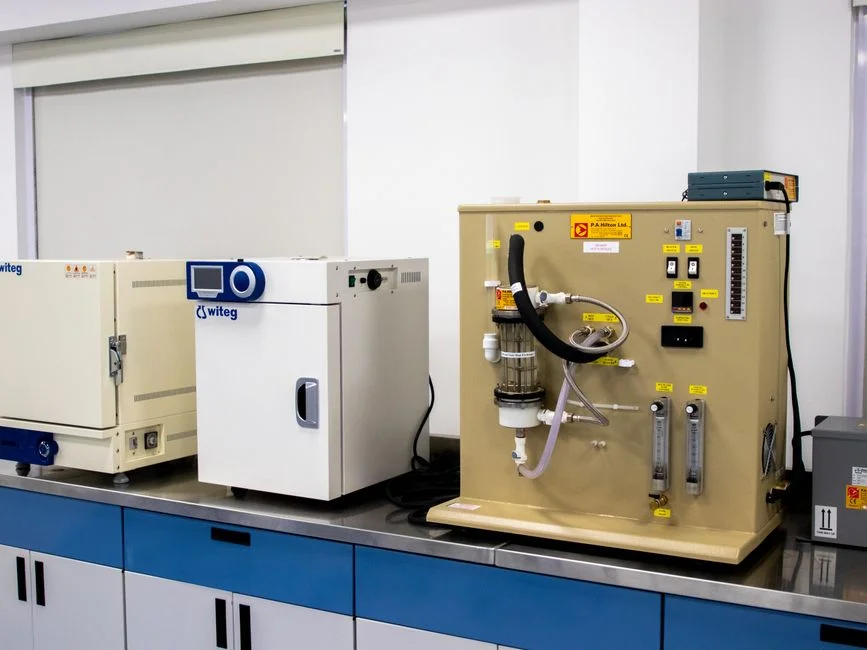
Jordan MoEnv industrial discharge regulations, consolidated under the 2022 standards and updated through 2024 amendments, set the following ceiling values that any treatment plant must meet before effluent leaves the site boundary. The numbers below are the ones engineers should print and pin above the desk during equipment selection.
| Parameter | Jordan MoEnv 2022/2024 Limit (industrial discharge to wadi/irrigation) | Conventional Activated Sludge (CAS) typical effluent | MBR typical effluent |
|---|---|---|---|
| BOD₅ | ≤ 60 mg/L | 20–30 mg/L | < 5 mg/L |
| COD | ≤ 150 mg/L | 60–100 mg/L | < 30 mg/L |
| TSS | ≤ 60 mg/L | 20–40 mg/L | < 1 mg/L |
| Total Nitrogen (TN) | 30–50 mg/L (sector-dependent) | 20–40 mg/L (no dedicated nitrification) | < 15 mg/L with biological TN removal |
| pH | 6.0–9.0 | 6.5–8.5 | 6.5–8.5 |
| Residual chlorine | 0.5–1.0 mg/L | N/A | 0.5–1.0 mg/L post-contact tank |
| Fecal coliform (irrigation reuse) | < 200 CFU/100 mL (restricted irrigation) | 10⁴–10⁶ CFU/100 mL | < 100 CFU/100 mL after disinfection |
Conventional activated sludge meets the BOD, COD, and TSS numbers comfortably, but it struggles on total nitrogen and on fecal coliform without a dedicated tertiary polishing step. For sites discharging to wadis feeding the Jordan Valley or reusing effluent on-site for landscape or crop irrigation, that gap matters. MBR is the only widely-deployed single-step biological process that guarantees the full parameter set in one tank, which is why it dominates pharma, food, and hospital applications across MENA. Many Jordanian engineering contracts also reference EU Urban Waste Water Directive 91/271/EEC as a secondary compliance floor — typically as a belt-and-braces condition from EPC clients or donor-funded programs.
MBR vs SBR vs MBBR vs WSZ Package: Which Technology Fits Your Jordanian Project?
Self-selection before supplier contact saves roughly 30% of the typical RFQ cycle. Below is the decision framework a project engineer should run before opening a quotation request.
| Technology | Flow range | Effluent quality | CAPEX band (USD/m³/day, ex-works) | Footprint vs CAS | Best-fit Jordanian applications |
|---|---|---|---|---|---|
| MBR (membrane bioreactor) | 10–2,000 m³/day | Reuse-grade; BOD <5, TSS <1, TN <15 mg/L | $700–$1,200 | ~40% of CAS footprint | Pharmaceutical, food, hotels, hospitals, sites with footprint constraints |
| SBR (sequencing batch reactor) | 50–5,000 m³/day | BOD 20–30, TSS 20–30, TN 15–25 mg/L | $350–$700 | ~70% of CAS footprint | Textile, food, batch discharges with high peak/off-peak swings |
| MBBR (moving bed biofilm) | 20–10,000 m³/day | BOD 15–25, TSS 15–25, TN 10–20 mg/L | $400–$800 | ~50% of CAS footprint | Retrofit of existing CAS basins, sites with 10–40 °C seasonal temperature swings |
| WSZ (underground A/O package) | 1–80 m³/h | BOD 20, TSS 20, TN 20 mg/L (with optional MBR upgrade) | $300–$600 | Buried — zero surface footprint | Resorts, residential compounds, small factories, hospitals, sites where surface land must remain landscaped |
An integrated MBR membrane bioreactor system delivers the lowest compliance risk for any Jordanian site where reuse-quality effluent, tight nitrogen limits, or footprint constraints drive the design. CAPEX runs 30–50% above CAS, but OPEX penalties for MoEnv non-compliance typically exceed that premium within the first violation event.
For flows under 80 m³/h with no surface-land budget, the WSZ underground package sewage treatment plant eliminates the need for a dedicated operator and removes the visual and odor footprint that hotel, resort, and residential compound buyers consistently flag as a non-starter.
DAF pretreatment is recommended upstream of any biological system when influent FOG, oil, or colloidal suspended solids exceed 200–300 mg/L — a routine condition in edible oil, dairy, and tannery operations in Sahab. Add 5–10% to the import duty line item: Jordan applies 5–10% customs duty on imported WWTP equipment plus 16% VAT, and civil works typically run 15–25% above equipment cost for sites outside Amman.
Pretreatment and Sludge Handling: The Two Systems Most Suppliers Underquote
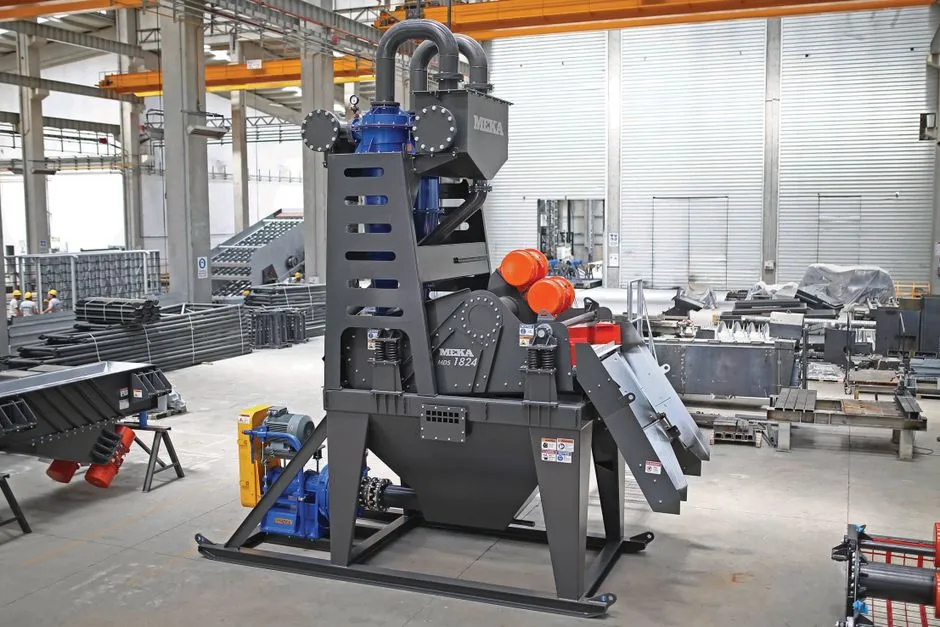
The biological reactor gets the marketing brochure. Pretreatment and sludge handling are what determine whether a Jordan-bound plant actually runs for ten years or spends half its life on a service truck. Most MENA WWTP failures trace back to undersized headworks or under-specified dewatering — not to the aeration tank.
Start with a GX series rotary mechanical bar screen at the headworks. Jordanian municipal influent carries a high rag and debris load, and food processing waste streams carry plastics and plant fiber that will shred pump impellers and foul membrane modules within weeks if not screened to 3–5 mm. Bar screening is non-negotiable for any plant above 100 m³/day.
For FOG, oil, and colloidal solids removal — the dominant influent profile in Jordanian food, dairy, edible oil, and tannery sectors — a dissolved air flotation system at 4–300 m³/h removes 60–90% of influent oil and suspended solids before the biological stage, cutting aeration demand and protecting downstream membranes.
Sludge dewatering is where budgets routinely blow out. A plate and frame filter press concentrates waste activated sludge to 25–35% dry solids, cutting landfill disposal mass by roughly 80% versus a belt thickener. Landfill gate fees in Jordan run JOD 20–40 per ton, so dewatering performance has a direct line on annual OPEX. For pathogen kill to meet Jordan's irrigation reuse fecal coliform limit of <200 CFU/100 mL, a chlorine dioxide generator delivers more stable residual chlorine than sodium hypochlorite at high pH and avoids the trihalomethane formation that triggers client pushback in pharmaceutical and food projects.
How to Vet a Wastewater Treatment Plant Supplier in Jordan: Zero-Risk Checklist
Five non-negotiable criteria separate a qualified supplier from a quote-mill. Use this list as a scoring matrix in your technical evaluation.
- Documented MoEnv/JS compliance references. Not generic ISO 9001 certificates — project-specific performance data showing the supplier's installed plant has met BOD ≤60, COD ≤150, TSS ≤60 mg/L under operating conditions, not lab conditions.
- Factory acceptance test (FAT) capability. Suppliers must offer video-recorded FAT at their facility with full instrumentation before shipment. A supplier without FAT infrastructure cannot validate performance before the equipment is crated.
- At least two visitable MENA reference plants. Verbal references do not count. A site visit, even virtual, to a working installation in Jordan, Saudi Arabia, Egypt, or Morocco within the last 36 months is the minimum bar.
- PLC/HMI with bilingual interface and remote telemetry. Arabic/English HMI is the baseline. Remote telemetry (4G or satellite) for off-site monitoring should be standard for any plant above 200 m³/day.
- 24-month mechanical warranty with on-site commissioning included. Confirm warranty scope covers membranes, blowers, pumps, and instrumentation — not just the reactor tank. Pricing 40% or more below median is a scope-cut signal, not a bargain.
Logistics: transit from Chinese ports to Amman is typically 30–45 days by sea plus 7–14 days for customs clearance; suppliers using regional consolidation warehouses in Jebel Ali (UAE) cut lead time by approximately two weeks. For plants under 500 m³/day, fly-in commissioning is acceptable. Above that flow rate, confirm the supplier has a service partner in Amman or commits to resident commissioning for at least 30 days post-startup. Pair biological treatment with a PLC-controlled automatic chemical dosing system for coagulation, pH correction, and nutrient balancing — a dosing skid sourced separately is a common integration failure point.
Post-commissioning, lock in a five-year spare parts commitment covering membrane modules, UV lamps, dosing pumps, and blower service kits. Membrane replacement typically runs 8–12% of installed CAPEX every 7–10 years — confirm the supplier holds stock or has a regional distributor.
Cost Benchmarks for Wastewater Treatment Plants in Jordan (2026)
Planning estimates for installed CAPEX in the Jordanian market run as follows, ex-works equipment cost, before civil works, import duty, and VAT. MENA WWTP CAPEX spans $250–$1,200 per m³/day installed depending on technology and effluent standard. MBR systems cluster at $700–$1,200 per m³/day; SBR at $350–$700; MBBR at $400–$800; WSZ package at $300–$600 (HydropureWater field data, 2026).
For a Jordan-bound project, add 15–25% to cover Aqaba or Amman port logistics, 5–10% import duty, 16% VAT, and on-site civil works. Tourism-zone projects (Petra, Wadi Rum, Dead Sea resorts) carry a 5–10% premium for enhanced noise and odor control — buried WSZ or MBR configurations typically satisfy this without acoustic enclosures.
OPEX for a Jordanian WWTP breaks down roughly as: energy 45–60% (aeration and pumping dominate), sludge handling and disposal 15–25%, chemicals 10–15%, labor 5–10%. For high-water-cost sites in Amman where potable water exceeds JOD 1.5/m³ ($2.10/m³), reuse-quality systems deliver 2–4 year payback on the CAPEX premium by displacing purchased water for irrigation, cooling, or process rinse. The SBR operating cost benchmark for comparable MENA plants is documented in this 2026 SBR plant OPEX breakdown. These are planning estimates; supplier quotes must be solicited for binding figures.
Frequently Asked Questions
What discharge limits must a wastewater treatment plant in Jordan meet for industrial effluent in 2026?
Jordan MoEnv 2022/2024 standards require BOD ≤60 mg/L, COD ≤150 mg/L, TSS ≤60 mg/L, total nitrogen 30–50 mg/L sector-dependent, pH 6.0–9.0, and fecal coliform <200 CFU/100 mL for restricted irrigation reuse (per MoEnv 2024 update).
Which wastewater treatment technology is best for a Jordanian industrial facility with 200 m³/day flow?
MBR is the strongest single-step fit for reuse-quality effluent, tight nitrogen limits, and small footprint, with CAPEX of $700–$1,200 per m³/day installed before Jordan logistics and duty (HydropureWater field data, 2026).
How much does a packaged sewage treatment plant cost in Amman for a hotel or hospital?
WSZ underground package plants in the 1–80 m³/h range run $300–$600 per m³/day ex-works, with installed cost 15–25% higher in Jordan after logistics, 5–10% import duty, and 16% VAT.
Is factory acceptance testing standard for WWTP equipment shipped to Jordan?
It should be. Qualified suppliers provide video-recorded FAT at their facility with full instrumentation before crating; absence of FAT capability is a disqualifying red flag in any technical evaluation.
What pretreatment is mandatory for a food or dairy wastewater plant in Sahab or Zarqa?
Rotary bar screening to 3–5 mm followed by dissolved air flotation for FOG and colloidal solids removal is standard; DAF cuts influent oil and TSS by 60–90% before the biological reactor (HydropureWater field data, 2026).
Are there reference designs for hospital wastewater treatment in nearby MENA markets that apply to Jordanian projects?
Yes — the regulatory framework and equipment selection for hospital wastewater treatment in Khobar and hospital wastewater treatment in Rabat follow similar MoEnv-equivalent discharge logic and apply directly to Jordanian hospital tenders, with the closest regulatory parallel in Saudi Arabia wastewater treatment regulations.