What a Textile Dyeing Wastewater Treatment Plant Manufacturer Actually Delivers
A textile dyeing wastewater treatment plant manufacturer designs, fabricates, installs, and commissions turnkey effluent treatment systems tailored to the reactive, disperse, vat, sulfur, and acid dye streams produced by mills, dye houses, and finishing units. Scope typically covers influent and effluent characterization, P&ID development, civil and mechanical equipment supply, PLC and SCADA integration, installation supervision, performance commissioning, and a 12-month performance warranty backed by O&M documentation.
Textile-specialist manufacturers differentiate themselves from generic municipal STP packagers in three load-bearing ways. First, they must engineer color removal — a parameter that municipal plants are never designed around. Second, they must run biological stages on salt-tolerant biomass because reactive dyeing carries TDS in the 2,000–8,000 mg/L range. Third, they must handle heavy metals (chromium from mordants, copper from direct dyes) and reducing agents (sulfide from sulfur dyes) without upsetting downstream biology. A general-purpose package plant will fail compliance against GB 4287-2012, EU BAT-AEL, or India CPCB ZLD within weeks of startup.
The decision matters because the underlying science is non-trivial: a 2023 Springer bibliometric study indexed textile wastewater research across more than 300,000 books and 2,500 journals, a body of work that confirms no single "correct" process train exists. Selection has to be engineered per-mill, not copied from a municipal template. Buyers evaluating turnkey suppliers should expect their shortlist to be able to walk them through a unit-operation flow and explain the trade-offs at each stage, with documented textile references such as those behind the integrated MBR system for textile wastewater polishing that is now standard in 10–2,000 m³/day skid plants.
The 4 Buyer Criteria for Choosing a Textile ETP Manufacturer
A textile effluent treatment plant is a 15- to 20-year asset, and the wrong vendor selection compounds into structural OPEX pain. Procurement teams should score every shortlist against these four criteria before issuing an RFQ.
Criterion 1 — Process depth. A specialist manufacturer must engineer the full chain: equalization, coagulation, DAF, hydrolytic acidification, biological (A/O, SBR, or MBBR), MBR polishing, and RO or ZLD if reuse is targeted. Vendors that ship only an MBR skid and bolt on a generic DAF as a reseller are accepting a risk they cannot underwrite. Verify in-house fabrication of DAF, MBR cassettes, and filter presses.
Criterion 2 — Textile track record. Require a minimum of three documented dyeing- or finishing-mill references with influent and effluent data, not generic industrial-ETP case studies. Reactive dye effluent behaves differently from food or pharma effluent; a stainless-steel cosmetics plant reference is not transferable.
Criterion 3 — Compliance coverage. The manufacturer must demonstrate familiarity with the discharge norms that govern the buyer's jurisdiction: China GB 4287-2012 (amended 2015), Bangladesh DoE ETP guidelines, EU Directive 2010/75/EU IED and BAT-AEL, India CPCB ZLD order 2017, Vietnam QCVN 40:2011/BTNMT, Turkey SKKY. Compliance fluency should be evidenced in datasheets, not just marketing claims.
Criterion 4 — Lifecycle support. A manufacturer is not a one-time EPC contractor. Verify 24/7 service, AMC availability, OEM spares inventory, remote monitoring via SCADA, and local commissioning engineers. Field data across 2024–2025 installations suggests the lowest-CAPEX bidders typically lack ZLD engineering depth and post-commissioning service, increasing 5-year OPEX by 20–40% compared with full-process manufacturers.
Anatomy of a Modern Textile Dyeing Wastewater Treatment Plant
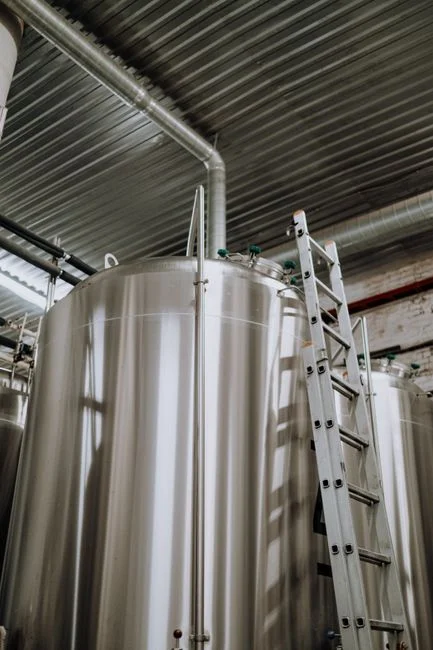
The unit-operation chain below is the reference flow buyers should expect every shortlisted manufacturer to bid against. Deviations are acceptable if justified with site data, but absence of any stage is a red flag.
Stage 1 — Screening and equalization. A GX rotary bar screen for textile influent screening removes fibers, lint, and packaging debris before the flow enters an equalization basin sized for 6–8 hours of hydraulic retention. The basin smooths pH swings of 6–10 and COD shock loads up to 3× design, both of which are routine in batch-dyeing operations.
Stage 2 — Coagulation/flocculation + DAF. A DAF system for dye-bath color and suspended solids removal, fed by a PLC-controlled chemical dosing for coagulation and pH correction, strips 80–90% of suspended solids and color, particularly for disperse and reactive dye effluent where the chromophore is bound to fiber fragments. The DAF range covers 4–300 m³/h across 13 standard models.
Stage 3 — Biological treatment. Hydrolytic acidification followed by anoxic/aerobic (A/O) or sequencing batch reactor (SBR). Salt-tolerant biomass is mandatory for TDS 2,000–8,000 mg/L streams — ordinary activated sludge will lose 60–80% of its activity above 5,000 mg/L TDS without acclimatization.
Stage 4 — MBR polishing. A DF-series PVDF flat-sheet MBR cassette at 0.1 μm pore produces near-reuse-quality effluent and cuts the footprint by roughly 60% versus conventional activated sludge with clarifier. DF cassettes are rated 32–135 m³/day each, scalable to the 2,000 m³/day upper bound typical of turnkey textile systems.
Stage 5 — Tertiary RO or ZLD. Mills targeting water reuse ≥70% or zero liquid discharge add an industrial RO system for textile water reuse, operating at recovery up to 95%. Brine concentrators and crystallizers complete a ZLD train where mandated.
Stage 6 — Sludge dewatering. A plate-and-frame filter press for textile sludge dewatering (1–500 m² filtration area) drops sludge volume to a transportable cake before disposal.
| Stage | Unit Operation | Typical Removal / Function | Reference Equipment |
|---|---|---|---|
| 1 | Screening + equalization | Remove lint/fiber; smooth pH 6–10 and 3× shock | GX rotary bar screen; EQ basin |
| 2 | Coagulation + DAF | 80–90% TSS and color (disperse, reactive) | DAF, 4–300 m³/h |
| 3 | Hydrolytic acidification + A/O or SBR | 60–80% COD; salt-tolerant biomass | In-house biological reactor |
| 4 | MBR polishing | 95%+ TSS; near-reuse quality; 0.1 μm pore | DF-series cassette, 32–135 m³/day |
| 5 | RO or ZLD | Reuse ≥70%; brine to crystallizer | Industrial RO; brine concentrator |
| 6 | Sludge dewatering | Cake dryness 25–35% DS | Plate-and-frame filter press, 1–500 m² |
Key Process Parameters Buyers Should Verify
Pressure-test any manufacturer's design with these influent and effluent numbers before signing a purchase order. They are drawn from GB 4287-2012, EU BAT-AEL, and field data across reactive-dye cotton mills and disperse-dye polyester mills.
| Parameter | Typical Influent (mg/L or Pt-Co) | Discharge Target | Reuse Target |
|---|---|---|---|
| COD | 800–3,000 | ≤100–150 | ≤50 |
| BOD | 200–600 | ≤30 | ≤10 |
| Color | 500–3,000 Pt-Co | ≤50 Pt-Co | ≤15 Pt-Co |
| TDS | 2,000–8,000 | <2,000 | <500 |
| Total chromium | ≤2 | ≤0.5 | ≤0.1 |
| Sulfide | ≤5 | ≤0.5 | ≤0.1 |
| 6–10 | 6–9 | 6.5–8.5 |
Across the full train, expect 85–95% COD removal, 80–90% color reduction in the DAF stage, 60–80% COD reduction in biological, and 95%+ TSS via the MBR. The hardest parameter is color: azo and anthraquinone dyes are recalcitrant to biological oxidation because their chromophores resist cleavage, and they need either advanced oxidation (ozone, Fenton, UV/H₂O₂) or membrane polishing to clear reuse thresholds. Engineering this gap is the difference between a manufacturer that has built textile plants and one that has only read about them.
Manufacturer Comparison: 2026 Snapshot
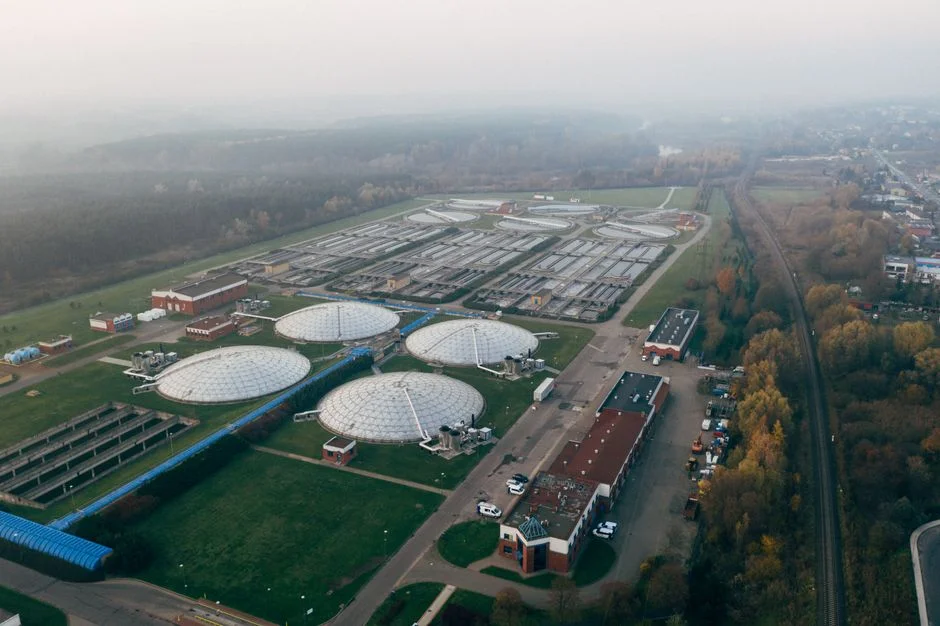
The matrix below positions a full-process Chinese turnkey supplier (anchored by the integrated MBR system for textile wastewater polishing benchmark) against the European and Indian EPC alternatives commonly seen in Bangladesh, India, Vietnam, Turkey, and China RFPs.
| Criterion | Chinese Turnkey (Shandong) | European EPC | Indian EPC |
|---|---|---|---|
| Process depth (DAF + Bio + MBR + RO/ZLD in-house) | Full | Full | Partial (often outsourced RO) |
| Textile case studies | 20+ across SE Asia, South Asia | 10+ (EU-focused) | 15+ (India-focused) |
| Regional compliance | GB 4287, DoE, QCVN, EU IED, CPCB | EU IED, GB 4287 via license | CPCB ZLD, Bangladesh DoE |
| MBR/ZLD capability | Yes (in-house DF cassettes) | Yes (outsourced membranes) | Limited ZLD in-house |
| Certifications | ISO 9001:2015, ISO 14001:2015 | ISO 9001, ISO 14001, CE | ISO 9001, ISO 14001 |
| Typical lead time | 10–16 weeks ex-works | 20–32 weeks | 14–22 weeks |
| CAPEX range per m³/day | $120–$250 (civil) / $200–$320 (containerized) | $280–$450 | $150–$280 |
Chinese turnkey suppliers typically quote 20–35% below European EPCs on CAPEX, but buyers should verify local service coverage and OEM spares inventory before signing. Pricing in the matrix is for orientation only; final CAPEX depends on influent matrix, discharge versus reuse target, automation level, and civil versus containerized construction. See also MBR membrane fouling prevention strategies for an operator-side cost lever once the plant is running.
CAPEX and OPEX Benchmarks for 2026
Translating the engineering brief into dollars gives procurement a defensible number to take into an internal review before issuing the RFQ. The figures below draw on 2025–2026 turnkey project data across cotton and polyester mills in the 10–2,000 m³/day band.
| Cost Line | Benchmark 2026 | Notes |
|---|---|---|
| CAPEX — turnkey, civil construction | $120–$250 per m³/day | 10–2,000 m³/day; above-ground civil basins |
| CAPEX — containerized / skid | $200–$320 per m³/day | Faster install, higher unit cost |
| CAPEX — full ZLD (RO + crystallizer) | $300–$550 per m³/day | Includes brine handling |
| OPEX — total | $0.18–$0.45 per m³ treated | Dominated by energy and chemicals |
| Aeration energy share | 45–60% of OPEX | Blower selection is the lever |
| Sludge handling share | 15–25% of OPEX | Tied to filter press performance |
| Chemicals share | 10–15% of OPEX | Coagulant, polymer, pH correction |
| Civil works share of CAPEX | 25–35% | Itemize separately in quotes |
| Containerization premium | 15–20% | Adds freight, structural frames |
| Import duties (selected markets) | 10–25% | Verify HS code in destination |
For water-scarce regions — Bangladesh in dry season, UAE, parts of Gujarat and Rajasthan — water reuse of 50–70% can offset CAPEX in 2.5–4 years. A 1,000 m³/day plant reusing 60% of its effluent saves roughly $0.6M per year at typical industrial water and discharge-fee tariffs. For sludge-handling CAPEX line items, also compare alternatives such as the decanter centrifuge cost benchmarking for sludge dewatering reference data, and an industrial RO system for textile water reuse sized to the reuse loop.
Compliance and Reuse Targets by Region
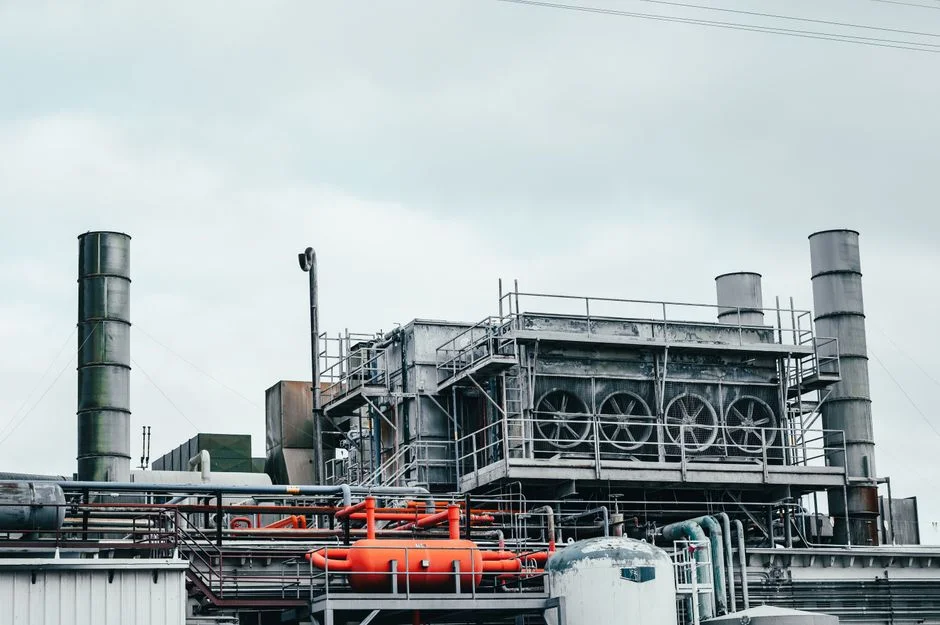
The engineering choice is downstream of the regulatory driver. Discharge compliance means meeting local color, COD, BOD, TDS, and heavy-metal limits at the outfall — typically GB 4287-2012 in China, Bangladesh DoE ETP guidelines, EU Directive 2010/75/EU IED BAT-AEL, India CPCB ZLD order 2017, Vietnam QCVN 40:2011/BTNMT, and Turkey's SKKY textile effluent regulation.
Reuse compliance is tighter. Where effluent is looped back into dyeing or washing, plants typically target COD <50 mg/L, color <15 Pt-Co, TDS <500 mg/L, and residual chlorine within WHO Guidelines and EU Drinking Water Directive 98/83/EC limits. Disinfection upstream of the reuse loop is handled by a chlorine dioxide generator for reuse-loop disinfection, available from 50 to 20,000 g/h ClO₂ output.
Zero liquid discharge is now mandatory in several jurisdictions. India's CPCB requires ZLD for new textile units in Rajasthan, Haryana, and parts of Gujarat, which forces a brine concentrator and crystallizer onto the back end of any turnkey bid in those states. A buyer evaluating a ZLD-capable vendor should ask for documented TDS mass-balance closure, not just an RO skid.
Frequently Asked Questions
What is the typical CAPEX for a 500 m³/day textile dyeing ETP in 2026? A skid-mounted MBR-based turnkey plant in the 10–500 m³/day band lands at $150,000–$160,000 CAPEX for civil construction and $200,000–$250,000 for containerized systems, with full-ZLD designs pushing $250,000–$400,000 (HydropureWater field data, 2025–2026).
Which dyes are hardest to remove from textile wastewater? Azo and anthraquinone reactive dyes are the most recalcitrant because their chromophores resist biological cleavage. Effective removal requires DAF plus hydrolytic acidification plus MBR, often with ozone or Fenton polishing to reach <50 Pt-Co color.
Can a textile ETP be designed for 70% water reuse? Yes. An MBR followed by an industrial RO system for textile water reuse at 70–95% recovery typically returns 60–70% of the inflow as process-quality water, with brine sent to a crystallizer in ZLD jurisdictions.
What influent TDS can a salt-tolerant biological stage handle? Acclimatized halotolerant biomass operates up to 8,000–10,000 mg/L TDS. Above 10,000 mg/L, biology becomes uneconomical and RO or ZLD should carry the load (per EU BAT-AEL guidance).
How do regional color limits differ? GB 4287-2012 sets discharge color at 40–80 dilution multiples (≈80–160 Pt-Co), India CPCB ZLD targets <15 Pt-Co for reuse, and EU BAT-AEL treats color as an indirect discharge parameter tied to COD absorbence. For a country-by-country breakdown, see the Kenya color discharge limit compliance guide.