Galway’s Sewage Treatment Equipment Suppliers: 2025 Engineering Buyer’s Guide with Costs, Compliance & ROI Data
Galway’s sewage treatment equipment market in 2025 is shaped by strict EPA Ireland discharge limits (BOD < 25 mg/L, TSS < 35 mg/L) and rising industrial demand. Suppliers like Burke Waste Water Systems and Eco Drop offer domestic septic tanks (€3K–€10K), but industrial projects require advanced systems like MBR or DAF (€50K–€200K+). This guide compares 5 supplier categories—domestic septic, package plants, MBR, DAF, and chemical dosing—with technical specs, compliance mapping, and ROI benchmarks to help buyers match equipment to project scale and budget.Why Galway’s Sewage Treatment Market is Shifting in 2025
EPA Ireland’s 2024 enforcement actions resulted in 12 Galway facilities being fined €50K–€250K for discharge violations, as cited in the EPA Annual Report 2023. This increased regulatory scrutiny underscores the critical need for robust and compliant wastewater treatment solutions across industrial, commercial, and municipal sectors in the region. Simultaneously, Galway’s industrial landscape is experiencing significant growth, with an 18% increase in food processing plants since 2020, according to Galway Chamber of Commerce data. This expansion drives substantial demand for high-capacity, efficient sewage treatment equipment capable of handling complex industrial wastewater streams. Many urban industrial sites in Galway face severe space constraints, necessitating compact treatment systems; for instance, Membrane Bioreactor (MBR) systems typically require a footprint 60% smaller than conventional activated sludge plants for equivalent capacity. Non-compliance with strict EPA Ireland wastewater discharge limits not only leads to hefty fines but also operational disruptions and reputational damage. For example, a Galway dairy plant successfully reduced its Biochemical Oxygen Demand (BOD) from 1,200 mg/L to below the 25 mg/L limit using a Dissolved Air Flotation (DAF) system, an investment of €85K that yielded an estimated Return on Investment (ROI) of 3.2 years through reduced discharge surcharges. This scenario highlights the tangible financial benefits of proactive investment in advanced treatment technologies.5 Types of Sewage Treatment Equipment Available in Galway (and When to Use Each)
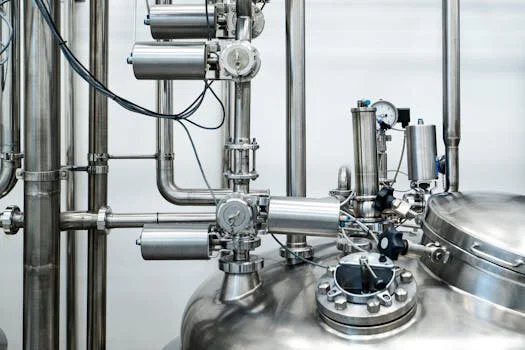
- Domestic Septic Tanks (1–10 PE): These are foundational systems for individual homes or small commercial units. Concrete septic tanks typically offer a durability of 50 years and cost between €3K–€8K, while plastic tanks, with a lifespan of around 30 years, range from €4K–€10K. They rely on anaerobic digestion and sedimentation, requiring a suitable percolation area for effluent dispersal.
- Package Treatment Plants (10–500 PE): Designed for small communities, hotels, or commercial developments, package plants offer a more comprehensive biological treatment. Systems like the compact WSZ series package plant for Galway’s urban sites utilize an Anoxic/Oxic (A/O) biological contact oxidation process followed by sedimentation. These underground integrated systems are known for their minimal footprint, typically around 2.5 m² per Person Equivalent (PE), making them ideal for sites with limited space. For more details on these systems, refer to the WSZ underground integrated sewage treatment plant.
- MBR Systems (50–2,000 PE): Membrane Bioreactor (MBR) systems integrate biological treatment with membrane filtration, offering superior effluent quality suitable for discharge into sensitive areas or even for reuse. They employ PVDF membrane filtration with a pore size of less than 1 μm, achieving effluent quality typically below BOD <5 mg/L and TSS <2 mg/L. This advanced technology makes an MBR system for reuse-quality effluent in Galway’s sensitive areas a preferred choice for industrial and larger commercial applications requiring stringent discharge standards. Explore our MBR integrated wastewater treatment system for more information.
- DAF Systems (4–300 m³/h): Dissolved Air Flotation (DAF) systems are highly effective for industrial wastewater with high concentrations of Fats, Oils, and Grease (FOG), suspended solids, and certain heavy metals. They utilize micro-bubble technology to float contaminants to the surface for removal, achieving TSS removal rates of 92–97% for influent concentrations between 50–500 mg/L. A high-efficiency DAF system for Galway’s food processing and industrial wastewater is particularly valuable for industries like food and beverage, abattoirs, and dairies as a pre-treatment step. Learn more about the Dissolved Air Flotation (DAF) machine.
- Chemical Dosing Systems: These systems are often used as a pre-treatment or tertiary treatment step to enhance the removal of specific pollutants, such as phosphorus, heavy metals, or for pH adjustment. They involve PLC-controlled injection of coagulants, flocculants, or pH-adjusting chemicals, offering dosing precision with typically ±2% accuracy. Chemical dosing can significantly improve the efficiency of subsequent treatment stages.
| Equipment Type | Capacity Range (PE / Flow) | Primary Treatment Method | Typical Effluent Quality (BOD/TSS) | Key Application |
|---|---|---|---|---|
| Domestic Septic Tank | 1–10 PE | Anaerobic Digestion, Sedimentation | Moderate (BOD >25 mg/L, TSS >35 mg/L) | Single homes, very small businesses |
| Package Treatment Plant | 10–500 PE / 1–80 m³/h | Aerobic Biological (A/O), Sedimentation | Good (BOD <20 mg/L, TSS <30 mg/L) | Small communities, hotels, commercial |
| MBR System | 50–2,000 PE / 10–500 m³/h | Biological + Membrane Filtration | Excellent (BOD <5 mg/L, TSS <2 mg/L) | Industrial, high-quality reuse, sensitive areas |
| DAF System | 4–300 m³/h | Physico-chemical (Flotation) | High TSS/FOG Removal (92-97%) | Industrial pre-treatment (food, beverage, oil) |
| Chemical Dosing | Variable | Coagulation, Flocculation, pH Adj. | Targeted pollutant reduction | Pre-treatment, phosphorus removal, pH control |
Technical Specs Comparison: Galway’s Top Suppliers Head-to-Head
Evaluating sewage treatment equipment suppliers in Galway requires a head-to-head comparison of technical specifications, including effluent quality, energy consumption, and footprint, to ensure optimal performance and compliance. While many local suppliers focus on domestic and small-scale commercial systems, industrial projects demand equipment with higher capacities and more rigorous performance metrics. The following table provides a comparison of various systems available from suppliers active in the Galway market, incorporating essential technical data often omitted in standard product listings. This detailed breakdown directly addresses the lack of a comprehensive comparison matrix in competitive offerings, providing procurement managers and engineers with the granular data needed for an informed decision.| Supplier | Equipment Type | Capacity Range | Effluent Quality (BOD/TSS) | Energy Use (kWh/m³) | Footprint (m²/PE) | Compliance (EPA Ireland, EU Directive) | Industrial Suitability |
|---|---|---|---|---|---|---|---|
| Burke Waste Water Systems | Eurotank BAF | 1–20 PE | BOD <20 mg/L, TSS <30 mg/L | 0.8 kWh/m³ | 1.2 m²/PE | Compliant with EPA 2024 | No (Domestic/Small Commercial) |
| Eco Drop | Septic Tank + BioCycle Unit | 1–15 PE | BOD <25 mg/L, TSS <35 mg/L | 1.0 kWh/m³ (BioCycle) | 1.5 m²/PE | Compliant with EPA 2024 | No (Domestic/Small Commercial) |
| BIOROCK | BIOROCK-L (Retrofit) | 1–50 PE | BOD <15 mg/L, TSS <20 mg/L | 0.3 kWh/m³ (Non-electric) | 0.5 m²/PE | Compliant with EPA 2024 | No (Domestic/Small Commercial) |
| Tricel | Novo / Vento Package Plant | 1–50 PE | BOD <20 mg/L, TSS <30 mg/L | 0.7 kWh/m³ | 1.0 m²/PE | Compliant with EPA 2024 | No (Domestic/Small Commercial) |
| HydropureWater | WSZ Series Package Plant | 1–80 m³/h | BOD <10 mg/L, TSS <15 mg/L | 0.5 kWh/m³ | 0.8 m²/PE | Compliant with EU 91/271/EEC | Yes (Commercial/Light Industrial) |
| HydropureWater | MBR System | 50–2,000 PE / 10–500 m³/h | BOD <5 mg/L, TSS <2 mg/L | 0.9 kWh/m³ | 0.3 m²/PE | Compliant with EU 91/271/EEC, IED | Yes (Heavy Industrial, Reuse) |
| HydropureWater | DAF System | 4–300 m³/h | TSS removal 92-97%, FOG removal 90%+ | 0.6 kWh/m³ | 0.2 m²/m³/h | Compliant with EU 2010/75/EU (pre-treatment) | Yes (Industrial Pre-treatment) |
Compliance Checklist: Meeting Irish EPA and EU Standards in Galway
- Test Influent Quality: Conduct comprehensive testing of your facility’s influent wastewater for parameters such as BOD, TSS, FOG, pH, and any industry-specific pollutants. This data is fundamental for selecting equipment that can effectively treat your unique wastewater profile.
- Verify Supplier’s Effluent Quality Claims: Demand third-party lab reports (e.g., ISO 17025-certified testing) from potential suppliers to verify their equipment’s stated effluent quality performance under conditions similar to your project.
- Confirm System Redundancy: For industrial sites, system redundancy is critical to ensure continuous 24/7 operations and compliance, even during maintenance or unexpected component failures. Verify that the proposed system design includes appropriate backup measures.
- Check for EPA Ireland ‘Certificate of Approval’: Confirm that the specific equipment model being considered has received a ‘Certificate of Approval’ from EPA Ireland, indicating its suitability for use and compliance with national standards.
Cost Breakdown: Sewage Treatment Equipment in Galway (2025 Data)
Understanding the comprehensive cost breakdown, including capital, installation, and operating expenses, is essential for accurate budgeting and calculating the return on investment for sewage treatment equipment in Galway. Initial capital expenditures vary significantly based on the system's capacity, technology, and complexity.- Domestic Systems: Septic tanks for 1–10 PE typically cost €3K–€10K for the unit itself. Installation adds another €2K–€5K, with cost drivers including mandatory soil percolation tests (€500–€1,000) and excavation depth, which impacts civil works.
- Commercial Systems: Package treatment plants for 10–100 PE range from €20K–€80K. Installation costs, including civil works, electrical connections, and commissioning, can add €10K–€30K.
- Industrial Systems: Advanced systems like MBR or DAF for industrial applications (e.g., 50–2,000 PE or 4–300 m³/h flow) represent a significant investment, typically starting from €50K–€200K+. Installation for these complex systems can add €20K–€50K, with modular scaling costs for DAF systems at approximately €15K–€30K per additional 50 m³/h capacity.
- Energy: Energy consumption varies widely by technology. MBR systems, with their membrane aeration and filtration, typically consume 0.6–1.2 kWh/m³, while conventional activated sludge systems might be slightly lower. Non-electric systems like BIOROCK-L can be as low as 0.3 kWh/m³.
- Chemicals: For systems employing chemical dosing (e.g., DAF pre-treatment, phosphorus removal), costs for coagulants and flocculants can range from €0.05–€0.20/m³ of treated wastewater.
- Maintenance: Annual maintenance typically accounts for 2–5% of the capital cost. This includes routine tasks like monthly membrane cleaning for MBRs, quarterly sludge removal, and periodic equipment servicing.
Payback period = (Capital Cost + Installation Cost) / (Annual Savings – Annual Operating & Maintenance Costs)
For example, a Galway brewery invested €90K in a DAF system. This system reduced their effluent surcharges by €45K per year and incurred annual operating and maintenance costs of €8K.Payback Period = €90,000 / (€45,000 - €8,000) = €90,000 / €37,000 = 2.4 years
This rapid ROI demonstrates the significant financial benefits of investing in appropriate wastewater treatment, especially for industrial facilities facing high discharge surcharges. UK package plant cost benchmarks for Galway buyers can offer additional context for cost comparisons.| System Type | Capital Cost (Unit Only) | Installation Cost Range | Typical Total Project Cost | Annual Operating Cost (Estimate) | Key Cost Drivers |
|---|---|---|---|---|---|
| Domestic Septic Tank (1-10 PE) | €3,000–€10,000 | €2,000–€5,000 | €5,000–€15,000 | €100–€300 (sludge removal) | Tank material, excavation, percolation tests |
| Package Plant (10-100 PE) | €20,000–€80,000 | €10,000–€30,000 | €30,000–€110,000 | €500–€2,000 (energy, maintenance) | Capacity, technology, civil works, electrical |
| Industrial DAF System (4-300 m³/h) | €50,000–€150,000 | €20,000–€40,000 | €70,000–€190,000 | €3,000–€15,000 (energy, chemicals, sludge) | Flow rate, influent FOG/TSS, automation |
| Industrial MBR System (50-2,000 PE) | €80,000–€200,000+ | €30,000–€50,000 | €110,000–€250,000+ | €5,000–€25,000 (energy, membrane cleaning, sludge) | Capacity, membrane type, effluent quality target |
How to Choose a Sewage Treatment Equipment Supplier in Galway: 8 Decision Criteria
- Technical Expertise: Assess the supplier’s experience in the Galway market and their industry-specific knowledge. For instance, Burke Waste Water Systems has over 25 years of experience, and Eco Drop has more than 15 years. Look for proven expertise in your specific sector, whether it’s food processing, hospitals, or municipal infrastructure.
- Compliance Track Record: Request EPA Ireland compliance certificates for their past installations. A reputable supplier should readily provide evidence of successful compliance. Be wary of red flags such as frequent violations reported by the EPA or a lack of third-party testing documentation for their systems.
- Customization: Evaluate the supplier's ability to tailor systems to unique site constraints. This includes offering modular MBR systems for tight urban spaces or specialized DAF units for high-FOG industrial influent, ensuring the solution fits your specific operational and spatial requirements.
- Service and Support: Investigate the availability of post-installation support. Critical factors include 24/7 emergency response, the proximity of local technicians (ideally Galway-based), and comprehensive warranty terms (e.g., 2 years on equipment, 10 years on concrete tanks).
- Scalability: For projects with potential future expansion, prioritize suppliers offering modular designs. These systems can be expanded with minimal disruption and cost, with capacity additions typically costing 20–30% of the original system cost. A detailed comparison of modular vs. conventional sewage treatment systems can provide further insights.
- Sustainability: Consider the environmental footprint of the proposed system. Opt for energy-efficient designs (e.g., low-kWh MBRs) and explore options for sludge reduction technologies, such as integration with anaerobic digestion, to minimize waste and operational costs.
- Financing Options: Inquire about available financing solutions, including leasing arrangements or assistance with government grants. Programs like the SEAI Better Energy Communities program in Ireland can provide up to 50% funding for energy-efficient systems, significantly reducing capital outlay.
- References: Request references and, if possible, arrange site visits to past installations. During visits, assess effluent quality, odor control measures, and gather direct feedback from operators regarding system reliability and ease of maintenance.
Frequently Asked Questions
Common questions regarding sewage treatment equipment in Galway often revolve around installation costs, specific EPA discharge limits, upgrade options for existing systems, and optimal solutions for industrial applications.Q: How much does it cost to install a septic tank in Galway?
A: For a domestic system (1–10 PE), the total cost, including the tank, soil percolation tests, and excavation, typically ranges from €5K–€15K. Industrial septic tanks (10+ PE) for larger commercial or agricultural applications start at €20K, depending on capacity and site specifics (per PAA data and Top 1 content).
Q: What are the EPA Ireland discharge limits for sewage treatment plants in Galway?
A: The standard discharge limits under EPA Ireland’s Urban Waste Water Treatment Directive 91/271/EEC are BOD <25 mg/L, TSS <35 mg/L, COD <125 mg/L, and pH between 6–9. Sensitive areas, such as Lough Corrib, are subject to even stricter limits for nitrogen and phosphorus (per EPA Urban Waste Water Treatment Directive 91/271/EEC).
Q: Can I upgrade my existing septic tank to meet EPA standards?
A: Yes, many existing septic tanks can be upgraded to meet modern EPA standards through the installation of a retrofit system, such as the BIOROCK-L. These non-electric units can cost between €8K–€25K. A site assessment is crucial to determine the suitability of your existing tank and percolation area for an upgrade (per Top 3 content).
Q: What’s the most cost-effective sewage treatment system for a Galway food processing plant?
A: For food processing plants with high Fats, Oils, and Grease (FOG) content, Dissolved Air Flotation (DAF) systems, costing €50K–€150K, are often the most cost-effective pre-treatment solution. For facilities requiring reuse-quality effluent or facing very stringent discharge limits, Membrane Bioreactor (MBR) systems (€80K–€200K) are superior. ROI for these systems is typically 2–4 years through reduced surcharges and potential water reuse savings (as seen in the Galway brewery case example).
Q: How do I find a reputable sewage treatment equipment supplier in Galway?
A: To find a reputable supplier, consult EPA Ireland’s ‘Approved Installers’ list, request references from past installations, and verify that they can provide compliance certificates for the specific equipment model you are considering. Inquire about their local presence and emergency response capabilities.