
Why Chemical Plants in St. Joseph Are Rethinking Their Primary Clarifier in 2026
A chemical plant operator near St. Joseph, Missouri typically walks into the Monday shift looking at a basin that foams, a pH probe that drifted from 9 to 3 overnight, and a slug of solvent that just hit the headworks. That influent is not a textbook stream — it is variable pH (often swinging 1–13 between batches), intermittent emulsified oil and surfactant loads, FOG that climbs above 200 mg/L during washouts, and TSS that can briefly hit 2,000–5,000 mg/L. The water is often warm (30–45 °C) and frequently carries chloride or solvent residuals from CIP or batch reactor dumps (per HydropureWater field data, 2026).
This variability is exactly why the primary separator choice matters more in chemicals than in food or municipal work. A poorly chosen gravity clarifier on a FOG-rich stream lets oil re-ssuspend and coat downstream biological media; a DAF forced to handle a heavy lime or metal-hydroxide slurry wears out skimmers, clogs the whitewater manifold, and produces a thin float nobody wants to dewater. Either mistake compounds into NPDES and POTW exceedances.
St. Joseph plants discharge to the City of St. Joseph Water Protection Division POTW or directly to the Missouri River under a Missouri DNR operating permit, and the local pretreatment program enforces limits on TSS, FOG, pH, and priority pollutants before either pathway. With hauling costs in Northwest Missouri running $80–$140 per wet ton in 2026, the cost of choosing wrong now shows up fast in the sludge line, not just on the discharge report. Skid-mounted DAF packages and modular lamella tanks have also matured enough that a 2026 retrofit rarely requires a multi-month civil expansion — which is why more chemical operators in the corridor are reopening a decision their predecessors locked in 15 years ago.
What a DAF System Actually Does in a Chemical Plant
DAF is a bubble-assisted clarifier, not a settling tank. Pressurized recycle water saturated with air is released into the flotation cell, generating a cloud of micro-bubbles — 30–50 μm in standard systems such as the dissolved air flotation system, or 20–30 μm in regenerative-turbine designs (per PEWE Rogue pump literature, 2024-2025). Those bubbles attach to emulsified oils, FOG droplets, and colloidal solids whose density is too close to water for gravity to move them in any practical time frame. The bubble-floc aggregate rises to the surface in roughly 3 minutes of hydraulic retention, where a paddle skimmer scrapes the float into a hopper; heavier settleables drop to a bottom auger.
Three operating facts drive every DAF sizing decision. First, surface loading reaches 20 gpm/ft² (50 m/hr) on high-rate designs (per Xylem Clari-DAF® chapter, 2019-2025) — a number gravity settling cannot approach. Second, DAF only works when upstream coagulation/flocculation is properly dosed: serpentine flocculator tubes or mix tanks grow the floc to a size the bubbles can lift, and skipping that step collapses removal efficiency from 90%+ to under 50%. Third, the floated sludge leaves the cell at 2–5% solids (per Clari-DAF® and Spracell operating data), dense enough to feed a plate-and-frame press directly.
Materials of construction are where chemical plants diverge from food or municipal buyers. Standard 304SS is acceptable for benign streams, but chloride-laden, solvent-bearing, or oxidizer-exposed chemical wastewaters demand 316SS for the wetted tank, piping, and skimmer hardware, or polypropylene / FRP alternatives where the chemistry is aggressive enough to pit even 316. The right metallurgy is the difference between a 15-year tank and an 18-month replacement.
What a Conventional Clarifier Still Does Best
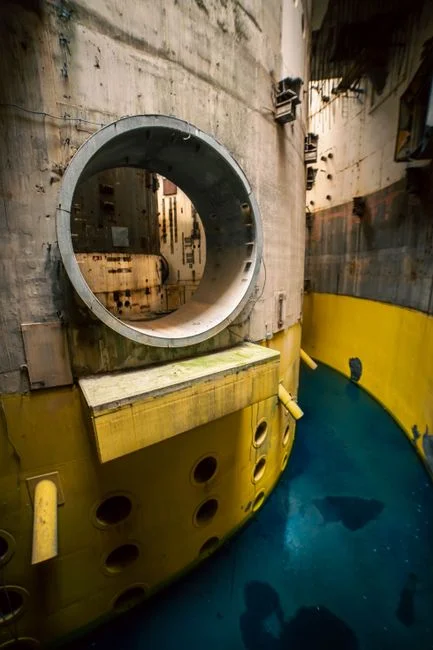
A gravity clarifier does one thing extremely well: it lets dense, fast-settling particles fall out of a quiescent basin. Residence time runs 2–4 hours, surface loadings sit around 0.5–1 gpm/ft² (1.2–2.5 m/hr) for conventional units, and the equipment is mostly concrete, FRP, or rubber-lined steel — a much simpler corrosion story than a stainless DAF tank (per HydropureWater engineering reference, 2025-08). For a chemical plant pumping lime slurry, calcium carbonate, or metal hydroxide clarifier underflow at 5–15% solids, that simplicity is worth a lot.
Lamella / inclined-plate clarifiers compress that footprint by stacking the settling area into plates, pushing effective surface loading to roughly 20–40 m/h in a fraction of the civil footprint. A high-efficiency lamella clarifier is the right answer when settleable inorganics dominate, pH is steady, and FOG is low. Lamellas also tolerate hot (up to 70–80 °C), abrasive, high-TDS streams that would scale or damage a DAF's bubble generator and skimmer bearings.
The trade-off is sludge consistency. Clarifier underflow typically leaves at well under 1% solids, often under 0.5% (per Clari-DAF® comparative data), so the operator must budget a thickener or a dewatering unit downstream. DAF float at 2–5% feeds a filter press directly; clarifier underflow does not. That single line item — thickener capex plus a larger sludge tank — is what flips many decision matrices back toward DAF even when settling physics favors a clarifier.
DAF vs Clarifier for Chemical Wastewater: The 2026 Comparison Matrix
For a chemical plant engineer, the choice reduces to ten parameters. The table below compares a high-rate DAF and a conventional or lamella clarifier on the dimensions that actually drive a 2026 capex decision.
| Parameter | High-Rate DAF | Conventional / Lamella Clarifier |
|---|---|---|
| Best-fit contaminant | Emulsified oil, FOG, colloids, light TSS | Heavy inorganic settleables, grit, metal hydroxides |
| Surface loading rate | Up to 20 gpm/ft² (50 m/hr) | 0.5–1 gpm/ft² conventional; 20–40 m/h lamella |
| Hydraulic retention time | ~3 minutes | 2–4 hours |
| Typical effluent TSS | 20–30 mg/L (per Spracell operating data) | 50–150 mg/L without polymer; 20–40 mg/L with dosing |
| FOG / emulsified oil removal | 85–95%+ | 20–60% (oil often re-suspends) |
| Sludge solids concentration | 2–5% | <1% (often <0.5%) |
| Footprint vs sedimentation | Up to 82.7% reduction (per Xylem Clari-DAF® chapter) | Baseline (1×) |
| Chemical tolerance (pH / chlorides / solvents) | 304SS base; 316SS or PP for aggressive streams | Concrete / FRP / rubber-lined — broader tolerance |
| Automation & startup | PLC-controlled, fast cold start, skid packages | Manual rake / skimmer tuning, slower to stabilize |
| OPEX drivers | Compressed air or pump energy, polymer, sludge hauling (lower volume) | Polymer, sludge hauling (higher volume), rake maintenance |
| Order-of-magnitude CAPEX driver | Equipment-dominant, scales modularly with flow | Civil-dominant (basin volume), equipment lower |
The verdict is influent-driven. High FOG, variable chemistry, or a tight footprint all push the answer toward DAF. Heavy inorganic slurries, steady pH, and an existing basin lean toward a clarifier or lamella. A mixed stream often calls for DAF as the primary step with a lamella polish — a configuration that uses the strengths of both.
Matching the Right Separator to Your Chemical Influent
Four chemical-industry scenarios cover the bulk of Northwest Missouri influent profiles, and each has a defensible default.
Agrochemical and pesticide formulation (emulsifiable concentrates, surfactant batching). Free and emulsified oil dominate, and chloride exposure from process water is common. Default to a 316SS or polypropylene DAF paired with an automatic coagulant and flocculant dosing skid. Target FOG removal above 90% and TSS under 30 mg/L before discharge to the St. Joseph POTW.
Specialty chemical batch reactors (pH 1–13 swings, solvent washes). Equalize aggressively, then run a 316SS DAF as the primary separator to lift FOG and colloids, followed by a lamella clarifier as a sludge-polish step. This trains the DAF to do what it does best (oil and colloid capture) and uses the lamella for residual settleables without exposing either unit to chronic pH stress.
Petrochemical additive and lubricant blending (free and emulsified oil). DAF is the clear default here — the comparative guide to POTW pretreatment compliance for hydrocarbon plants shows the same pattern in similar geographies. Target FOG under 100 mg/L in the DAF effluent and a float sludge above 3% solids to minimize hauling.
Inorganic chemicals and mineral processing (lime, salts, metal hydroxides). A gravity or lamella clarifier belongs upstream as the primary; DAF only appears as a polish step for residual fines that escape the clarifier overflow. This sequence protects the DAF skimmer and bubble generator from abrasive wear and avoids binding air bubbles to dense particles that will not float reliably.
Resin and polymer manufacturing (sticky, high-viscosity streams). Specify a heated DAF with an automatic anti-fouling skimmer. Long-retention clarifiers are a bad fit — viscous material plates out on launders and weirs and turns into a weekly confined-space entry.
St. Joseph and Missouri Compliance Lens for 2026
St. Joseph plants operate under a dual regulatory framework. The City of St. Joseph Water Protection Division administers the POTW pretreatment program, setting local limits on TSS, FOG, pH, and priority pollutants for any discharger that sends waste to the municipal plant. Plants discharging cooling water, stormwater, or treated process water directly to the Missouri River operate under a Missouri DNR NPDES permit, with effluent guidelines that track 40 CFR parts 400–471 (per EPA framework, 2025).
DAF units fed by a proper coagulant and flocculant program typically deliver TSS below 30 mg/L and FOG below 100 mg/L in chemical-plant service — numbers that generally clear both the local POTW FOG limits and the NPDES monthly-average TSS limits for organic chemicals (40 CFR 419). A clarifier-only system usually needs polymer dosing and a downstream filter to hit comparable TSS, which adds both capex and opex that erode the clarifier's headline cost advantage.
For any 2026 upgrade, three items deserve a place on the engineering punch list: confirm any new PFAS monitoring or trigger limits in the renewed NPDES permit; verify that the DAF float is not classified as a hazardous waste under RCRA before the hauler signs the manifest (this is a real issue for chlorinated solvent streams); and document the BOD/COD reduction so the local guide to BOD removal technologies for industrial wastewater can be cited if the POTW raises a loading question. For plants that also run food or beverage lines, the parallel DAF vs clarifier buyer's guide for food and beverage plants provides useful cross-industry benchmarks.
CAPEX, Footprint, and OPEX Trade-offs in 2026 Dollars
Order-of-magnitude capex in 2026: skid-mounted DAF packages are equipment-dominant and scale modularly — flows up to about 66 GPM fit a single skid, larger flows use a modular two-skid configuration (per SigmaDAF COMPACT DAF literature, 2026). A concrete gravity clarifier is the opposite: civil works and tank volume dominate the budget, with mechanical equipment a smaller share. On a small chemical plant (50–150 GPM), a skid DAF typically lands in the low-to-mid six figures installed, while an equivalent concrete clarifier runs a comparable figure once excavation, rebar, and concrete are counted — but the DAF is up and treating within days, not months.
Footprint is where DAF wins decisively. Up to 82.7% reduction versus sedimentation (per Xylem Clari-DAF® chapter) translates to a real estate decision on a constrained St. Joseph urban-industrial site: a DAF can fit inside an existing shed, while a clarifier often forces a multi-month expansion. The DAF also keeps headroom low, which simplifies permitting and weatherproofing.
Opex flips the comparison in places. DAF consumes more compressed air or pump energy per gallon treated, but produces 2–5% sludge versus <1% from a clarifier. At 2026 Northwest Missouri sludge-hauling rates ($80–$140 per wet ton), the reduction in hauled volume usually outweighs the energy penalty by a factor of 2–4× on plants with significant solids load. Automation tilts further toward DAF: PLC-controlled chemical dosing, skimmer speed, and sludge discharge ship on the skid, while a conventional clarifier typically needs separate instruments and a more attentive operator.
Lifecycle is roughly comparable. Stainless or polypropylene DAF tanks run 15–20+ years with minimal maintenance beyond pump and skimmer service. Concrete clarifiers are durable on the structure but require periodic rake drive, skimmer, and launder service. For most chemical plants in the 50–250 GPM range, the lifetime cost of ownership favors DAF unless the influent is dominated by dense inorganics.
A Practical Selection Checklist for Your St. Joseph Chemical Plant
Use the table below to score a site quickly. A "yes" on most rows on the left pushes you toward DAF; a "yes" on most rows on the right points to a clarifier or lamella.
| Decision question | If YES → DAF (or DAF primary) | If YES → Clarifier / Lamella |
|---|---|---|
| Influent FOG above 50 mg/L or emulsified oil present? | ✓ | |
| Influent dominated by settleable inorganics (lime, metal hydroxides)? | ✓ | |
| Footprint-constrained site (existing shed, no expansion room)? | ✓ | |
| pH swings wider than 2 units between batches? | ✓ (with 316SS / PP) | ✓ (if steady pH) |
| Chloride or solvent exposure above 200 mg/L Cl⁻? | ✓ (specify 316SS or PP) | ✓ (concrete / FRP tolerant) |
| Need FOG under 100 mg/L and TSS under 30 mg/L? | ✓ | ✓ (with polymer + filter) |
| Stream above 60 °C or carries abrasives? | ✓ | |
| Fast retrofit (weeks, not months) required? | ✓ |
Five steps turn the matrix into a 2026 capex line. First, characterize the influent — FOG%, TSS, pH range, temperature, chloride and solvent presence. Second, apply the FOG threshold: above 50 mg/L or any emulsified oil, default to DAF; otherwise check settleable inorganics. Third, lock materials of construction — 316SS or polypropylene for chloride and solvent exposure, 304SS otherwise. Fourth, size for residence time: roughly 15 minutes of flocculation contact plus 3 minutes of flotation for DAF, versus 2–4 hours for a clarifier. Fifth, budget a plate-and-frame filter press for DAF float sludge in the same 2026 capex line so the sludge side of the mass balance is funded, not deferred.
Frequently Asked Questions
Is DAF or a clarifier better for chemical wastewater in St. Joseph?
DAF is the stronger default for most chemical-plant streams in St. Joseph, Missouri in 2026 because it handles emulsified oils, FOG, and colloidal solids at surface loadings up to 20 gpm/ft² (50 m/hr), cuts footprint up to 82.7% versus sedimentation, and produces sludge at 2–5% solids that feeds a filter press directly. Choose a clarifier or lamella only when the stream is dominated by heavy, fast-settling inorganics with steady pH and minimal FOG.
What effluent TSS and FOG can a properly operated DAF reliably hit on chemical wastewater?
With upstream coagulation and flocculation, high-rate DAF systems typically deliver TSS of 20–30 mg/L and FOG removal above 85–90%, with effluent FOG under 100 mg/L — numbers that meet typical St. Joseph POTW pretreatment limits and most 40 CFR 419 NPDES organic-chemicals limits (per Spracell and SigmaDAF operating data).
When does a chemical plant in St. Joseph need 316SS or polypropylene instead of standard 304SS for a DAF?
Specify 316SS or polypropylene for any stream with chloride above roughly 200 mg/L, residual solvents, oxidizers (chlorine, peroxide, hypochlorite), or pH below 2 or above 12. 304SS is acceptable for benign, near-neutral, low-chloride streams such as washwater from food-grade or cosmetic operations. Selecting the right metallurgy upfront is the difference between a 15-year tank and an 18-month pitting failure.
How much does a skid-mounted DAF cost versus a concrete clarifier for a 100 GPM chemical plant?
In 2026 dollars, a skid-mounted DAF for ~100 GPM typically lands in the low-to-mid six figures installed, dominated by equipment and instrumentation. An equivalent concrete clarifier for the same flow runs a comparable total once excavation, rebar, concrete, and rake mechanisms are counted, but takes months longer to build. The DAF usually wins on lifetime cost of ownership because 2–5% float sludge versus <1% clarifier underflow cuts hauled volume and hauling cost by roughly half.
Related Equipment
- Dissolved air flotation system — specifications, capacity range, and technical data
- high-efficiency lamella clarifier — specifications, capacity range, and technical data
- automatic coagulant and flocculant dosing skid — specifications, capacity range, and technical data